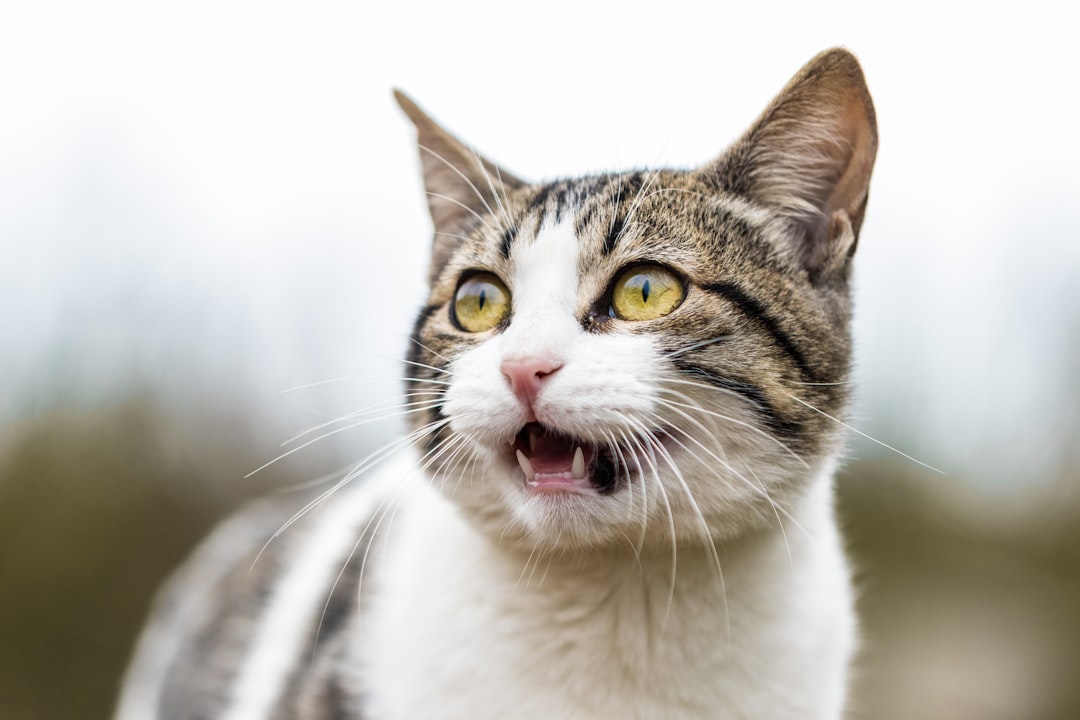
The sudden shift in a cat’s vocalization patterns can be a perplexing and sometimes alarming experience for their human companions. Once a relatively quiet creature, a feline might transform into a persistent chatterbox, meowing incessantly at seemingly random moments. This change in communication style is not typically an arbitrary decision on the cat’s part; rather, it often signals an underlying reason, a message the cat is desperately trying to convey. Understanding these subtle, and sometimes not-so-subtle, vocal shifts is crucial for maintaining a cat’s well-being and strengthening the bond between pet and owner. This article delves into the myriad reasons why a cat might suddenly become more vocal, offering insights into their complex world of feline communication.
While “meow” is the term most commonly associated with cat sounds, the reality of feline vocalization is far more nuanced. Cats employ a rich tapestry of sounds, each carrying its own distinct meaning and intended audience. Understanding this spectrum is the first step in deciphering why vocalizations might increase.
The Ever-Present Meow: A Human-Centric Invention
It is a widely accepted, though often debated, notion that adult cats primarily meow for humans. Kittens meow to their mothers for attention and care, but as they mature, their vocal repertoire for communicating with other cats shifts. Direct meowing towards other felines is rare in adulthood, reserved for specific situations like territorial disputes or mating calls. The “meow” as we know it has largely evolved as a tool to interact with their human caretakers, a learned behavior that yields results like food, petting, or access to a desired location. Therefore, an increase in meowing is often a direct reflection of the cat’s perceived need to communicate something specific to you.
Beyond the Meow: Chirps, Trills, and Purrs
While meows are prevalent, cats also utilize a variety of other vocalizations that contribute to their communicative repertoire.
Chirps and Trills: A Friendly Greeting
Often described as a soft, rolling sound, chirps and trills are generally used as friendly greetings. A cat might offer a gentle trill when greeting their owner upon arrival, or when encountering another familiar and trusted feline or even a beloved dog. This sound is indicative of positive emotions and a desire for amiable interaction. An increase in these sounds might suggest a cat feeling particularly comfortable and happy in their environment, or a heightened desire for positive social engagement.
Purring: More Than Just Contentment
The ubiquitous purr is often associated with happiness and contentment, and while this is frequently true, it’s not the sole purpose of this vibrating rumble. Cats also purr when they are stressed, in pain, or even while healing. The low-frequency vibrations of a purr have been shown to have therapeutic properties, aiding in bone density and tissue repair. Therefore, an increase in purring, especially if accompanied by other signs of distress or discomfort, should not be automatically interpreted as pure joy. It warrants closer observation to understand the underlying context.
Hisses and Growls: The Language of Warning
These guttural sounds are clear indicators of displeasure, fear, or aggression. Hisses are sharp exhalations of air, often accompanied by bared teeth, serving as a warning to back off. Growls are deeper, rumbling sounds that signal a more serious threat or a readiness to defend. A sudden increase in hissing or growling is a red flag, indicating that the cat is feeling threatened, anxious, or cornered. It’s crucial to identify the source of this distress and remove it or provide a safe space for the cat.
Yowls and Cries: Expressions of Distress or Pain
Extended, drawn-out yowls or sharp cries can indicate significant distress, pain, or fear. These sounds are often more urgent and can be heard from a distance. If a cat is suddenly exhibiting these vocalizations, it’s imperative to investigate immediately, as it could signify a medical emergency or a severe emotional crisis.
If you’ve noticed that your cat has suddenly become more vocal, it could be due to a variety of reasons, including changes in their environment, health issues, or even a desire for more attention. Understanding these behaviors can be crucial for ensuring your feline friend remains happy and healthy. For more insights on this topic, you can read a related article that explores various factors influencing your cat’s vocalization at this link.
Deeper Dives into Increased Vocalization: Common Culprits
Once we understand the general landscape of feline vocalizations, we can begin to pinpoint the specific reasons behind a sudden surge in a cat’s vocal output. These reasons often fall into several broad categories.
## The Call of Hunger and Thirst: Basic Needs Unmet
The most straightforward and perhaps the most common reason for increased vocalization is the simple unmet need for food or water. Cats are creatures of habit, and if their feeding schedule is disrupted, or if their food or water bowls are empty, they will likely let their humans know about it.
Changes in Feeding Routine
A deviation from a cat’s established feeding schedule can be a significant stressor. If you’ve recently changed the time you feed your cat, or if there’s been an interruption in the usual routine (e.g., a change in work hours, a pet sitter), your cat might become more vocal as they anticipate or signal their hunger. They have learned that vocalizing often results in receiving their meal.
Inadequate Food or Water Supply
This might seem obvious, but it’s worth reiterating. If your cat’s food bowl is consistently empty, or if their water dish is not being refilled regularly, they will resort to vocalization to express their discomfort. Even if there’s some food or water, a discerning cat might still vocalize if they feel the quantity is insufficient or if the water is not fresh.
Age-Related Nutritional Needs
As cats age, their nutritional needs can change. Older cats may experience a decline in appetite or digestive issues, leading them to express their discomfort or hunger more vocally. Conversely, some kittens might be more demanding when it comes to food as they are still growing rapidly.
## The Urge to Connect: Social and Emotional Factors
Cats are social creatures, and their vocalizations often serve as a means of communication and bonding with their human companions. An increase in vocal activity can signify a need for more interaction, affection, or reassurance.
Seeking Attention and Affection
Many cats learn that vocalizing is an effective way to solicit attention, petting, or playtime from their owners. If your cat feels neglected, bored, or simply desires more interaction, they might become more vocal to get your attention. This can be particularly true if there have been recent changes in your household that reduce the amount of time you spend with your cat.
Loneliness and Separation Anxiety
Just like humans, cats can experience loneliness. If a cat is left alone for extended periods, or if there’s been a significant change in household dynamics (e.g., a new baby, another pet leaving), they might develop separation anxiety, which can manifest as increased vocalizations when they are alone or when their owner is preparing to leave.
Boredom and Lack of Stimulation
A bored cat is often an unhappy cat, and unhappiness can lead to vocalization. If a cat doesn’t have enough environmental enrichment, toys, or opportunities for play, they might resort to meowing to express their frustration or to signal their desire for something to do.
Changes in the Household Environment
Cats are highly sensitive to changes in their environment. The introduction of a new pet, a new human in the house, moving to a new home, or even significant redecorating can cause stress and anxiety. This can lead to an increase in vocalizations as the cat attempts to process these changes and seek reassurance from their owners.
Mating Calls (For Unspayed/Unneutered Cats)
For unspayed female cats (queens), increased vocalization, often in the form of yowls and caterwauls, is a clear sign that they are in heat and actively seeking a mate. Similarly, unneutered male cats (toms) may become more vocal, yowling and calling out, when they detect a female in heat nearby. This is a powerful biological drive that can lead to a significant and persistent increase in vocal activity.
If you’ve noticed that your cat has become suddenly more vocal, it might be worth exploring the reasons behind this change in behavior. Cats can become more talkative due to various factors such as age, health issues, or changes in their environment. For a deeper understanding of feline vocalization and what it could mean for your pet, you can read a related article on this topic at My Cosmic Ventures. This resource provides valuable insights that can help you decipher your cat’s new sounds and ensure their well-being.
## The Discomfort of Illness and Pain: A Silent Plea for Help
One of the most critical reasons for a cat’s sudden increase in vocalization is underlying illness or pain. Cats are masters at hiding their discomfort, so vocal changes can be an early warning sign that something is not right.
Age-Related Health Issues
As cats age, they are more prone to a variety of health conditions that can cause discomfort or confusion. Arthritis, kidney disease, hyperthyroidism, and cognitive dysfunction (similar to dementia in humans) can all lead to increased vocalization. An older cat who suddenly starts meowing more, especially at night, might be experiencing pain or disorientation.
Specific Illnesses Causing Discomfort
Many illnesses can cause pain or discomfort, prompting a cat to vocalize more. Urinary tract infections, dental problems, gastrointestinal issues, and even minor injuries can lead to a cat expressing their distress through increased vocal output.
Neurological Issues or Cognitive Decline
Cognitive dysfunction syndrome (CDS) in older cats can lead to confusion, disorientation, and anxiety, often resulting in increased vocalization, particularly at night. Cats with CDS may wander, meow incessantly, and seem to lose their sense of direction.
Hearing or Vision Impairment
As cats age, their senses can decline. A cat experiencing hearing loss might vocalize more loudly to hear themselves or to get attention, as they are less aware of their own volume. Similarly, vision impairment can lead to confusion and a greater reliance on sound to navigate and understand their environment, potentially increasing vocalizations.
## Environmental Triggers and Stressors: Unseen Anxieties
Beyond basic needs and social interactions, external factors can also trigger increased vocalization in cats. These stressors can range from subtle environmental changes to more overt threats.
Loud Noises and Disruptions
Cats have sensitive hearing and can be easily startled by loud noises. Construction work, fireworks, thunderstorms, or even a new appliance can cause anxiety and lead to increased meowing or distress calls.
Changes in Routine and Schedule
As mentioned earlier, cats thrive on routine. Any disruption to their predictable schedule can be unsettling. This includes changes in your work hours, a new pet sitter, or even just a significant change in the usual household activity levels.
Territorial Disputes and Encounters with Other Animals
If your cat is an outdoor cat, or even an indoor cat who can see or hear other animals outside, territorial disputes can arise. Seeing another cat, dog, or even a squirrel outside can trigger vocalizations as they express their territorial instincts or perceived threats. Indoor-only cats might vocalize more if they are aware of other animals in the vicinity and feel their territory is being encroached upon.
Presence of Strangers or New People
While some cats are outgoing and friendly, many are more reserved and can become anxious around new people. The arrival of visitors, especially if they are perceived as loud or intrusive, can lead to increased vocalization as the cat expresses their unease or seeks to be let out of the situation.
## Age-Related Changes: The Senior Cat’s Voice
As cats enter their senior years, their vocal patterns can shift significantly. These changes are often linked to physical and cognitive decline, requiring a greater understanding and patience from their owners.
Increased Need for Reassurance
Older cats may become more dependent on their owners and seek more reassurance. Increased vocalization can be a way for them to ensure you are present and attentive, especially if they are experiencing sensory decline or cognitive confusion.
Nighttime Vocalizations
It is not uncommon for senior cats with cognitive dysfunction or discomfort to become more vocal at night. This can be due to disorientation, pain, or a disruption in their sleep-wake cycle. This can be particularly challenging for owners, but it’s crucial to remember this is a sign of distress.
Communication of Discomfort from Chronic Conditions
Many age-related conditions, such as arthritis or kidney disease, can cause chronic pain or discomfort. Vocalization can become a persistent way for senior cats to communicate these ongoing issues, even if there isn’t an acute crisis.
What to Do When Your Cat Becomes More Vocal: A Practical Guide
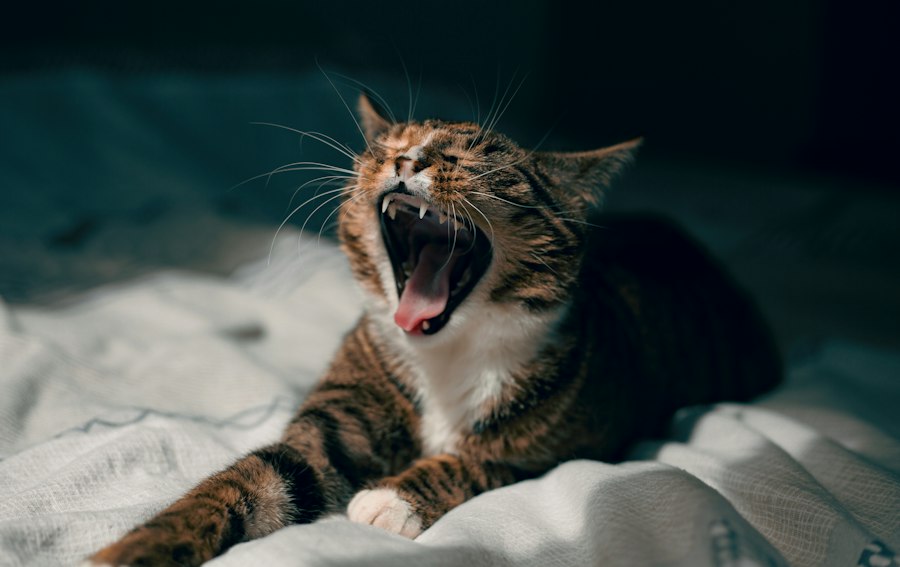
Witnessing a sudden change in your cat’s vocal behavior can be concerning, but understanding the potential causes is the first step towards addressing it. Here’s a practical guide to navigating this situation:
## Step 1: Observation and Documentation
Before jumping to conclusions or administering remedies, diligent observation is key.
Keep a Vocalization Log
Note down when the vocalizations occur, how long they last, what kind of sounds your cat is making (meows, yowls, trills), and what else is happening at that time. Is it before meals? When you’re about to leave? After a loud noise? This log can provide invaluable clues for both you and your veterinarian.
Assess for Other Behavioral Changes
Is your cat eating and drinking normally? Are they using the litter box appropriately? Are they grooming themselves? Are they showing any signs of lethargy or unusual activity? Other behavioral changes alongside increased vocalization can paint a clearer picture of the underlying issue.
## Step 2: Rule Out Medical Causes
This is arguably the most critical step. Never assume increased vocalization is purely behavioral without first ruling out any potential health problems.
Schedule a Veterinary Appointment
A veterinarian is the best resource for diagnosing and treating any underlying medical conditions. Be prepared to share your observations and vocalization log with them. They can perform a physical examination, blood tests, and other diagnostic procedures to identify or rule out illness or pain.
Discuss Age-Related Health Concerns
If you have a senior cat, openly discuss potential age-related conditions like arthritis, hyperthyroidism, or cognitive dysfunction with your vet. Early detection and management can significantly improve their quality of life.
## Step 3: Address Environmental and Behavioral Factors
Once medical causes have been ruled out, you can focus on addressing environmental and behavioral triggers.
Re-evaluate Feeding and Watering Habits
Ensure your cat’s food and water bowls are always clean and full. Stick to a consistent feeding schedule. If you’ve made recent changes, consider reverting to the previous routine or making gradual adjustments.
Enhance Environmental Enrichment
Provide plenty of opportunities for play, exploration, and mental stimulation. Puzzle feeders, climbing structures, window perches, and interactive toys can help alleviate boredom and anxiety. Rotate toys regularly to keep things interesting.
Create a Safe and Secure Environment
Ensure your cat has a quiet, comfortable space where they can retreat when feeling overwhelmed. Minimize exposure to loud noises and disruptive events whenever possible. If your cat is prone to territorial vocalizations, consider limiting their visual access to outdoor animals during peak activity times.
Provide Ample Social Interaction
Dedicate quality time for petting, playing, and grooming your cat. If you have to be away for extended periods, consider a pet sitter or cat daycare. For cats experiencing separation anxiety, gradual desensitization techniques and calming aids might be beneficial.
Address Mating Behavior (If Applicable)
If your cat is unspayed or unneutered and exhibiting mating calls, the most effective solution is sterilization. Spaying and neutering not only prevent unwanted litters but also eliminate the hormonal drives that lead to these specific vocalizations and can offer significant health benefits.
## Step 4: Patience and Positive Reinforcement
Changing a cat’s behavior takes time, consistency, and patience.
Avoid Punishing Vocalization
Never punish your cat for vocalizing. This can increase their anxiety and fear, exacerbating the problem. Instead, focus on understanding the underlying cause and addressing it positively.
Reward Desired Behavior
When your cat is quiet and calm, offer praise, treats, or petting. This positive reinforcement helps them associate quiet behavior with positive outcomes.
Consult a Feline Behaviorist
If you’ve tried various approaches and are still struggling to understand or manage your cat’s increased vocalization, consider consulting a certified feline behaviorist. They can provide personalized strategies and guidance tailored to your cat’s specific situation.
In conclusion, a cat’s sudden increase in vocalization is rarely an arbitrary act. It is a deliberate communication, a signal that something in their world has shifted or is in need of attention. By becoming attentive observers, understanding the multifaceted nature of feline communication, and diligently investigating the potential causes, owners can effectively address their cat’s vocal concerns, ensuring their well-being and fostering a deeper, more harmonious relationship.

Why Quantum Computers Shouldn’t Be Able to Do This
FAQs
1. Why is my cat suddenly more vocal?
Cats can become more vocal due to various reasons such as seeking attention, expressing discomfort or pain, feeling anxious or stressed, or simply due to age-related changes in behavior.
2. Should I be concerned if my cat is suddenly more vocal?
While an increase in vocalization can be normal, it is important to monitor your cat’s behavior for any other signs of distress or health issues. If the vocalization is excessive or accompanied by other concerning symptoms, it is advisable to consult a veterinarian.
3. How can I determine the reason behind my cat’s increased vocalization?
Observing your cat’s behavior, changes in their environment, and any recent events can help in identifying the potential cause of their increased vocalization. Keeping a log of when the vocalization occurs and any accompanying behaviors can also provide valuable information.
4. What are some ways to address my cat’s sudden increase in vocalization?
Providing your cat with regular playtime, attention, and mental stimulation can help reduce excessive vocalization. Ensuring they have a comfortable and stress-free environment, as well as addressing any potential health issues, can also help in managing their vocalization.
5. When should I seek professional help for my cat’s increased vocalization?
If your cat’s vocalization is persistent, excessive, or accompanied by other concerning symptoms such as changes in appetite, litter box habits, or activity levels, it is recommended to consult a veterinarian for a thorough evaluation and appropriate treatment.