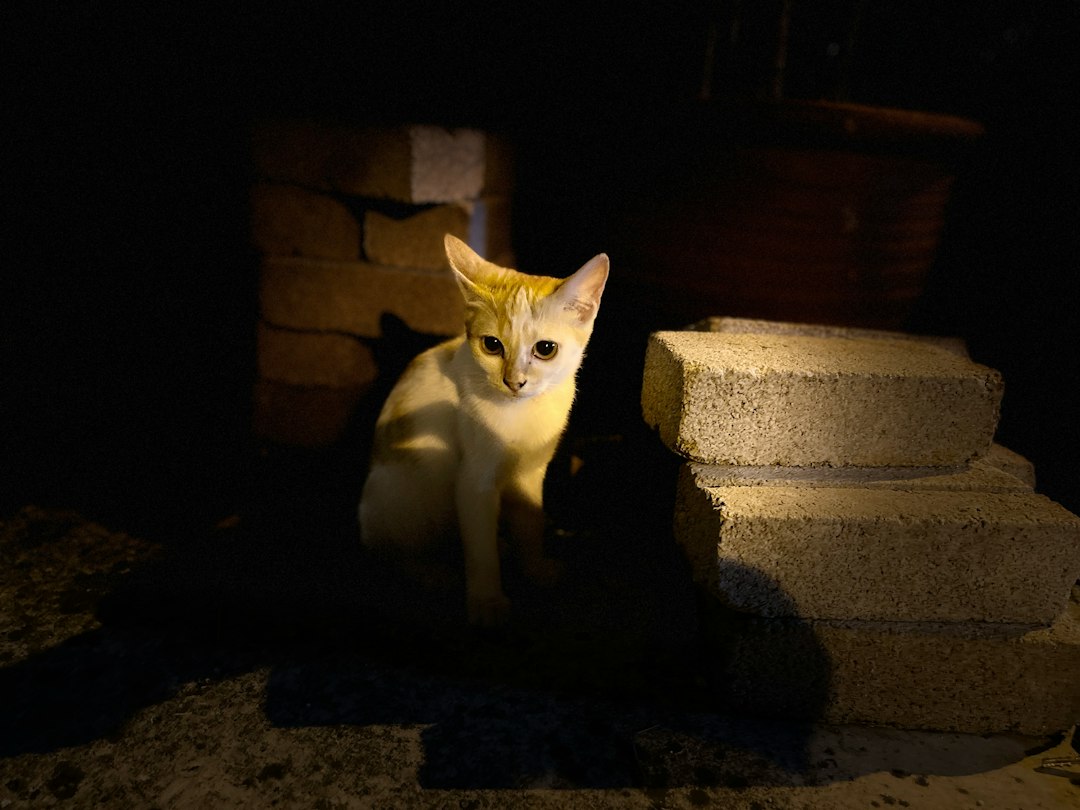
The soft glow of the moon often ushers in a period of quiet contemplation for many, but for some cat guardians, it signals the beginning of a nightly symphony of vocalizations. The distinctive yowl of a cat can range from a soft chirp to a drawn-out wail, and it often occurs precisely when the household is settling down for sleep. This nocturnal chorus can be a source of amusement for some, but for many, it’s a puzzle, a disruption, and occasionally, a cause for concern. Understanding why cats yowl at night requires delving into their natural instincts, their communication methods, and the various factors that can influence their behavior.
Cats, in their domestication, have retained many of their wild ancestors’ instincts, and prominent among these is their crepuscular nature. This means they are most active during dawn and dusk, periods of lower light that would have historically offered them advantages for hunting. While domestic cats have adapted to human schedules to a degree, their internal clocks often still favor these twilight hours.
The Hunter’s Instinct Awakens
The ancestral cat was a hunter, and the primal urge to stalk, chase, and pounce doesn’t simply switch off because a bowl of kibble is readily available. Dusk and dawn are the times when prey animals, such as rodents and birds, are also most active. Therefore, a cat’s natural inclination is to be alert and ready to engage during these periods.
Biological Rhythms and Circadian Clocks
Every living creature possesses a biological clock, known as the circadian rhythm, that regulates sleep-wake cycles, hormone release, and other physiological processes over a roughly 24-hour period. For cats, this rhythm is deeply ingrained. Even with the comfort and security of a home, their internal clocks can still dictate periods of heightened activity and alertness that align with their ancestral hunting times. This means that as the sun begins to set, their energy levels may naturally rise, leading to increased vocalizations as they express their readiness to “hunt” or simply engage with their environment.
Sensory Acuity During Low Light
Cats possess remarkable adaptations for low-light conditions. Their large eyes, with a tapetum lucidum (a reflective layer behind the retina), allow them to gather and amplify even the faintest amounts of light, granting them superior night vision compared to humans. Their whiskers are highly sensitive to air currents, helping them navigate and detect movement in the dark. This enhanced sensory input during twilight and nighttime can contribute to their increased awareness and, consequently, their vocalizations as they process stimuli in their surroundings.
The Silent Hunter’s Communication
While often perceived as solitary creatures, cats are complex communicators. Vocalizations, including yowling, are a crucial part of their repertoire, used to convey a range of messages to humans and other animals. Understanding these vocal signals is key to deciphering their nocturnal behavior.
Beyond “Meow”: The Nuances of Feline Vocalizations
The familiar “meow” is often a behavior developed specifically for interacting with humans. However, yowling, especially the prolonged and often insistent kind heard at night, can have different roots. It can signify anything from a simple greeting to a desperate plea. The pitch, duration, and intensity of the yowl all contribute to its meaning. A short, sharp yowl might be an attention-seeking meow, while a long, drawn-out yowl could indicate distress, pain, or a strong desire for something.
Territorial Marking and Communication
In the wild, cats are territorial animals. While domestic cats may not be actively defending vast hunting grounds, they still exhibit territorial behaviors. Yowling can be a way of announcing their presence within their perceived territory, especially if they hear or smell other animals outside. It’s a way of saying, “This is my space, and I am here.”
If you’ve ever wondered why your cat yowls at night, you’re not alone. Many cat owners experience this perplexing behavior, which can be attributed to various factors such as loneliness, hunger, or even instinctual hunting behaviors. For a deeper understanding of this phenomenon and tips on how to manage it, you can check out a related article on this topic at My Cosmic Ventures. This resource provides insights into feline behavior and offers practical advice for ensuring a peaceful night’s sleep for both you and your furry friend.
The Search for Attention and Interaction
For many cats, especially those who spend a significant portion of their day alone, nighttime can represent a golden opportunity to solicit attention and interaction from their human companions. As the household quiets down, the cat may perceive this as the perfect moment to remind their humans of their presence and their needs.
Boredom and Understimulation
A cat that hasn’t had enough mental and physical stimulation during the day may find themselves with an excess of energy as night falls. This pent-up energy can manifest as restless behavior and vocalizations. If a cat is bored, they will seek any means to alleviate that boredom, and vocalizing is often an effective way to get their humans to respond.
The Lack of Play and Enrichment
Domestic cats, unlike their wild counterparts, do not need to hunt for their food, which can significantly reduce their daily activity levels. If their owners do not provide adequate opportunities for play, exercise, and mental stimulation, they can become bored and frustrated. This lack of engagement can lead to them seeking attention through yowling, especially when the house is otherwise quiet and their humans are available to interact. Interactive toys, puzzle feeders, and regular play sessions can significantly reduce nocturnal yowling stemming from boredom.
Insufficient Social Interaction
Even independent-seeming cats benefit from social interaction. If a cat spends most of their day alone, or if their interactions with their humans are limited, they may feel lonely and seek comfort or attention through vocalizations when their humans are finally home and seemingly available. This can be particularly true for cats who are naturally more social or those who have been separated from a bonded companion.
Reinforcement of Vocal Behavior
Cats are intelligent creatures and are adept at learning through association. If a cat yowls at night and receives a positive response from their owner – whether it’s a pat, food, play, or simply being let into the bedroom – they will quickly learn that yowling is an effective way to get what they want. This can create a self-perpetuating cycle where the cat continues to yowl because they have been unintentionally reinforced for doing so.
The Power of Positive Reinforcement (and Accidental Reinforcement)
Owners often inadvertently reinforce nocturnal yowling by responding to it. For instance, if a cat cries and the owner gets up to feed them, offer a treat, or even just scold them, the cat registers this as a successful interaction. The owner’s attention, even if negative, is still attention. This is particularly problematic for younger cats or those who are new to a home, as they are still learning the boundaries and what is acceptable behavior.
Establishing Boundaries and Ignoring Undesirable Behavior
The key to breaking this cycle is to be consistent with boundaries. If yowling is not a desired behavior, then it should not be rewarded. This can be incredibly challenging, especially when the yowling is persistent and disruptive to sleep. However, for persistent, attention-seeking yowls, the most effective strategy is often to ignore the behavior completely. This means not getting up, not speaking to the cat, and not making eye contact.
Age-Related Changes and Health Concerns

As cats age, their bodies and minds change, and these transformations can significantly impact their behavior, including their nocturnal vocalizations. What might be dismissed as a quirky habit in a young cat can sometimes be a sign of an underlying health issue in an older feline.
Cognitive Dysfunction Syndrome (CDS) in Senior Cats
Just as humans can experience cognitive decline with age, so too can cats. Feline Cognitive Dysfunction Syndrome (CDS), often referred to as “kitty dementia,” can lead to confusion, disorientation, changes in sleep-wake cycles, and increased vocalization, particularly at night. Cats with CDS may appear lost, stare blankly, or wander aimlessly.
Symptoms of CDS and How They Manifest
Symptoms of CDS can include disorientation, decreased interaction with family members, changes in litter box habits, increased vocalization (especially at night), altered sleep-wake cycles, and changes in appetite. A cat with CDS might yowl incessantly because they are confused about their surroundings, feel anxious, or are experiencing discomfort. They may also have difficulty remembering familiar routines or recognizing their owners.
Veterinary Diagnosis and Management
Diagnosing CDS involves ruling out other potential medical conditions that can cause similar symptoms. A veterinarian will conduct a thorough physical examination, blood tests, and potentially imaging to assess the cat’s overall health. While there is no cure for CDS, management strategies can help improve a cat’s quality of life. These can include dietary changes, supplements, environmental enrichment, and medications to help manage anxiety and improve cognitive function.
Underlying Medical Conditions
Pain, discomfort, or illness can also lead to increased vocalization in cats, especially at night when the household is quiet and their pain might feel more pronounced. Various medical conditions can cause a cat to yowl, and it’s crucial to have them examined by a veterinarian if this is a new or worsening behavior.
Medical Issues Causing Discomfort or Anxiety
Conditions such as arthritis, hyperthyroidism, kidney disease, urinary tract infections, dental problems, and even gastrointestinal issues can cause pain or discomfort that leads to yowling. A cat experiencing chronic pain might yowl to express their distress, especially when trying to get into a comfortable position for sleep or when moving around. Hyperthyroidism, a common endocrine disorder in older cats, can cause increased metabolism, restlessness, and vocalization.
The Importance of Veterinary Consultation
If a cat’s nocturnal yowling is a new development, or if it is accompanied by other concerning symptoms such as changes in appetite, thirst, weight loss, lethargy, or changes in litter box habits, it is imperative to seek veterinary attention immediately. A veterinarian can perform a thorough examination, run diagnostic tests, and determine if there is an underlying medical condition causing the vocalizations. Early diagnosis and treatment can significantly improve a cat’s health and well-being.
Hormonal Influences and Reproductive Drives
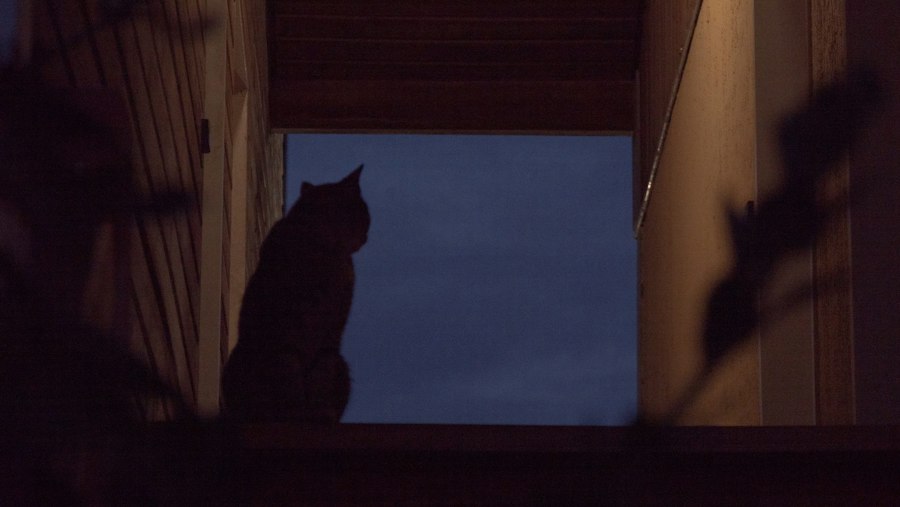
For intact (unspayed or unneutered) cats, hormonal influences, particularly related to reproduction, can be a significant driver of nocturnal yowling. This is especially true for female cats in heat and male cats seeking a mate.
The Call of the Unmated Female
Unspayed female cats in heat (estrus) will often vocalize intensely and persistently to attract male cats. This yowling can be loud, drawn-out, and occur at all hours, but it is often more pronounced during the night. The sound is designed to carry over distances, alerting potential mates to their availability.
The Estrus Cycle and Its Vocal Manifestations
The estrus cycle, or heat, in female cats is a period of sexual receptivity. During this time, a female cat will exhibit a range of behaviors, including increased affection, rolling, rubbing against objects and people, and the characteristic loud vocalizations. The yowling can be a guttural, repeated sound that is distinct from typical meows or purrs. It’s a biological imperative designed to ensure the continuation of the species.
The Solution: Spaying
For owners of intact female cats, spaying is the most effective solution to eliminate heat-related yowling and prevent unwanted pregnancies. Spaying not only resolves the behavioral issues associated with heat but also offers significant health benefits, such as reducing the risk of mammary tumors and uterine infections.
The Responding Male’s Nocturnal Pursuit
Intact male cats, upon detecting the scent of a female in heat, will often become highly agitated and vocal. They may yowl, hiss, and engage in territorial disputes with other males, all of which can contribute to nocturnal disturbances.
The Search for a Mate and Territorial Disputes
Male cats are driven by a strong instinct to find a mate. When they sense a female in heat nearby, they will become restless, roam their territory, and vocalize to announce their presence and challenge rivals. This can lead to a lot of nocturnal activity, including yowling, fighting, and general disruption.
The Benefits of Neutering
Neutering intact male cats not only eliminates their contribution to unwanted litters but also significantly reduces their roaming tendencies and aggressive behaviors, including yowling and fighting. Neutered males are generally calmer and more content to stay within their home territory.
If you’ve ever wondered why your cat yowls at night, you might find it helpful to explore some insights on feline behavior. Many cat owners experience this nocturnal vocalization, which can be attributed to various factors such as hunting instincts, loneliness, or even health issues. For a deeper understanding of this phenomenon, you can read a related article that discusses the reasons behind this behavior and offers tips on how to manage it effectively. Check out the article here for more information.
Environmental Triggers and Stressors
| Reason for Yowling | Description | Possible Solutions | Frequency |
|---|---|---|---|
| Hunger | Cat may be hungry and yowling to get your attention for food. | Feed your cat before bedtime or provide a timed feeder. | Common |
| Loneliness or Attention Seeking | Cat feels lonely or wants interaction during the night. | Spend more playtime during the day; provide toys or companionship. | Common |
| Discomfort or Pain | Cat may be in pain or discomfort, especially older cats with arthritis. | Visit a vet for a health checkup. | Less Common |
| Stress or Anxiety | Changes in environment or routine can cause stress-induced yowling. | Maintain a consistent routine; use calming pheromone diffusers. | Occasional |
| Medical Issues | Conditions like hyperthyroidism or cognitive dysfunction can cause vocalization. | Consult a veterinarian for diagnosis and treatment. | Less Common |
| Mating Behavior | Unspayed or unneutered cats yowl to attract mates. | Spay or neuter your cat. | Common in intact cats |
| Territorial Behavior | Cat may yowl to warn off other animals or mark territory. | Keep cat indoors at night; reduce outdoor stimuli. | Occasional |
Even the most contented cat can be prompted to yowl by changes or disturbances in their environment. Cats are creatures of habit and can be sensitive to anything that disrupts their sense of security and predictability.
Changes in Routine or Environment
Any significant shift in a cat’s daily routine, such as a change in feeding times, a new pet entering the household, or a move to a new home, can cause stress and anxiety, leading to increased vocalization. Cats thrive on predictability, and disruptions can be disorienting.
New Pets, New People, or New Furniture
The introduction of a new pet, whether it’s another cat or a dog, can be a major source of stress for an existing feline resident. Similarly, the arrival of new people in the household, such as visitors or a new family member, can also cause a cat to feel insecure. Even seemingly minor changes, like rearranging furniture or the introduction of new scents, can trigger anxiety.
Moving Homes and Relocation Stress
Moving to a new home is a profoundly stressful event for cats. Their familiar territory is gone, and they must adapt to an entirely new environment. This can lead to heightened anxiety, fear, and a tendency to vocalize as they try to navigate their unfamiliar surroundings and express their distress. Providing a safe, quiet space and gradually introducing them to the new environment is crucial during a move.
External Stimuli and Perceived Threats
Cats have a keen sense of hearing and can be easily disturbed by noises and sights outside their home. Sounds from neighbors, passing vehicles, or even wildlife can trigger a yowl as the cat tries to assess the situation or express their apprehension.
Noises and Sounds from Outside
The sound of a garbage truck at an unusual hour, a dog barking incessantly next door, or even the rustling of leaves in the wind can be enough to pique a cat’s curiosity or alarm. If a cat perceives these sounds as a potential threat or simply as something that disrupts their peace, they may yowl in response.
Perceived Threats from Other Animals
Even if a cat is kept indoors, they are still aware of the presence of other animals in their neighborhood. Seeing another cat or an unfamiliar animal through a window can trigger territorial yowling or a general sense of unease. This is their way of communicating their awareness and potentially their defensiveness of their territory.
By understanding the various reasons behind a cat’s nocturnal yowling, owners can better address their feline companions’ needs and ensure a more peaceful coexistence for both. Whether it’s a simple call for attention, a symptom of an underlying health issue, or a biological imperative, deciphering the language of the yowl is the first step towards finding a solution.

Why Quantum Computers Shouldn’t Be Able to Do This
FAQs
1. Why do cats yowl at night?
Cats may yowl at night due to various reasons such as seeking attention, feeling lonely, experiencing anxiety, or exhibiting signs of aging or health issues.
2. How can I stop my cat from yowling at night?
To help reduce nighttime yowling, ensure your cat has enough mental and physical stimulation during the day, establish a consistent bedtime routine, provide a comfortable sleeping area, and consult with a veterinarian if the behavior persists.
3. Is nighttime yowling a sign of a medical problem in cats?
Yes, excessive yowling at night can sometimes indicate an underlying medical issue such as hyperthyroidism, arthritis, or cognitive dysfunction. It is important to monitor your cat’s behavior and consult with a veterinarian for proper diagnosis and treatment.
4. Do certain breeds of cats yowl more at night than others?
While individual cats may vary in their vocalizations, certain breeds like Siamese and Oriental cats are known to be more vocal and may yowl more frequently, including at night.
5. Can stress or changes in the environment trigger nighttime yowling in cats?
Yes, stress, changes in the environment, or disruptions to a cat’s routine can trigger nighttime yowling. Providing a stable and comfortable environment, along with gradual introductions to changes, can help reduce this behavior.