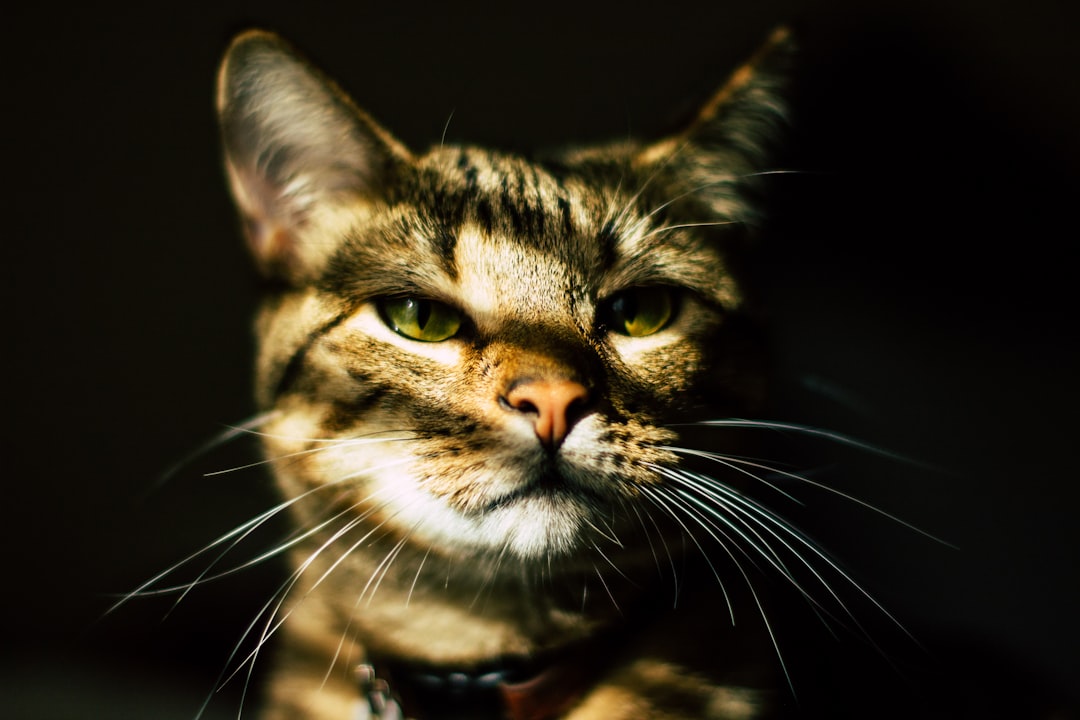
Cats, creatures of comfort and mystery, often bring a unique soundtrack to the quiet hours of the night. Their nocturnal vocalizations, commonly referred to as caterwauling, can range from plaintive cries to insistent yowls, leaving many pet owners bewildered and sleep-deprived. Understanding the reasons behind this feline behavior is key to addressing it, fostering a more peaceful coexistence, and ensuring the well-being of our enigmatic companions. This article delves into the multifaceted world of feline vocalization, exploring the biological, environmental, and emotional factors that contribute to cats cateringwaling at night.
At its core, caterwauling is a form of communication, a way for cats to express their needs, desires, or distress. While domestic cats have adapted to living with humans, their fundamental biological drives and communication methods remain deeply rooted in their wild ancestry. Understanding these instincts is the first step in deciphering their nocturnal serenades.
Territorial Displays and Social Hierarchies
In the wild, cats are inherently territorial animals. Their vocalizations play a crucial role in establishing and defending their territory. Nocturnal caterwauling can be an outward expression of this instinct, particularly in unneutered or unspayed cats.
Unaltered Hormones and Mating Calls
The most common and often loudest form of caterwauling is associated with reproduction. Unspayed female cats in heat emit a specific vocalization to attract male cats. This instinctual call is designed to travel long distances and signal their readiness to mate. The males, in turn, will respond with their own vocalizations, often engaging in territorial disputes that can escalate into noisy confrontations. The high-pitched, drawn-out nature of these calls is designed to be attention-grabbing and to convey urgency. This is not just random noise; it’s a critical biological function for the continuation of the species.
Male Competition and Aggression
Intact male cats are driven by the urge to find mates and establish dominance. When they hear the calls of a female in heat, they will often respond with caterwauls of their own. These vocalizations can serve as challenges to other males, signaling their presence and intent to compete for mating opportunities. This often leads to a cacophony of yowls and hisses as they confront each other, a dramatic display of their primal instincts playing out in our backyards.
Age-Related Vocalizations: Kittens and Senior Cats
The vocalizations of cats can change throughout their lives, reflecting their developmental stages and potential health concerns. Both very young and very old cats may exhibit increased night-time vocalizations for different reasons.
The Need for Attention: Kittens and Separation Anxiety
Kittens, still learning to navigate their world and dependent on their mothers for comfort and security, are prone to vocalizing when they feel alone or distressed. If a kitten has been separated from its mother or its littermates, it may caterwaul to signal its distress and its need for comfort. In a domestic setting, a young kitten might be expressing similar feelings if it’s newly introduced to a home and feels isolated, especially during the night when its human family is asleep. Their cries are often high-pitched and plaintive, designed to elicit a response.
Cognitive Decline and Disorientation in Senior Cats
As cats age, they can experience a decline in cognitive function, similar to dementia in humans. This can lead to disorientation, confusion, and anxiety, particularly during the night when their environment is darker and less familiar. Senior cats may caterwaul because they are disoriented, feel lost in their own home, or are experiencing pain or discomfort that they cannot articulate in any other way. This can be heartbreaking for owners to witness, as it highlights the vulnerability of their aging companions.
Cats are known for their mysterious behaviors, and one of the most puzzling is their tendency to caterwaul at night. This vocalization can be attributed to various factors, including mating instincts, territorial disputes, or simply a desire for attention. For a deeper understanding of this behavior and tips on how to manage it, you can read a related article on the topic at My Cosmic Ventures.
Environmental Triggers: The World Outside the Window
The environment, both inside and outside the home, plays a significant role in triggering feline nocturnal vocalizations. Cats are highly observant creatures, and external stimuli can easily pique their interest or cause them to feel anxious.
The Allure of the Nocturnal World
For a creature that is naturally crepuscular (most active at dawn and dusk) and can be active at night, the outside world at night holds a certain fascination.
The Intrigue of Other Animals
The night is alive with sounds and scents that can be incredibly stimulating for a cat. The rustling of small prey like mice or voles, the distant calls of other cats, or even the movement of nocturnal birds can draw a cat’s attention and prompt them to vocalize. They might be attempting to alert their humans to potential prey, or simply expressing their excitement and frustration at being unable to access it. This is particularly true for indoor cats who are denied the full sensory experience of the outdoors.
Territorial Disputes with Outdoor Felines
If a cat can see or hear other cats in the vicinity, especially strays or neighborhood cats, it can trigger territorial instincts. The indoor cat may feel its territory is being encroached upon, leading to vocal displays of defiance or aggression. Even if the other cat is out of sight, the scent of another feline can be enough to set off a territorial response and the resulting caterwauling.
Changes in the Home Environment
Disruptions to a cat’s established routine or environment can also lead to increased night-time vocalizations. Cats thrive on predictability, and any significant changes can cause them stress.
New Additions or Departures
The introduction of a new pet or a new person into the household can be a major source of stress for a cat. Similarly, the departure of a familiar companion can lead to feelings of loneliness and anxiety. These changes can manifest as increased vocalizations as the cat tries to adjust or communicate its unease. This is especially true if the cat feels its social structure has been disrupted.
Moving or Re-arranging Furniture
Even seemingly minor changes, such as moving furniture or rearranging the home, can unsettle a cat. Their territory is their safe space, and any alterations can make them feel vulnerable. This can lead to them vocalizing their displeasure or confusion as they try to re-establish their sense of security.
Behavioral and Emotional Factors: More Than Just Noise

Beyond instinct and environmental triggers, a cat’s emotional state and learned behaviors can also contribute to night-time caterwauling. Understanding these nuances is crucial for addressing the underlying causes.
Boredom and Lack of Stimulation
Many cats, particularly those who are kept exclusively indoors and have limited opportunities for exploration and play, can suffer from boredom. When a cat’s needs for mental and physical stimulation are not met, they may resort to caterwauling as a way to seek attention or to entertain themselves.
The Pursuit of Play and Interaction
If a cat is bored, it might try to solicit play from its owners during the night. They may associate vocalizing with getting a response, even if that response is simply being told to be quiet. This can inadvertently reinforce the behavior, as the cat learns that caterwauling is an effective way to get attention. This is a common issue for owners who have very active cats and are trying to get their sleep.
Frustration and Unmet Needs
A cat might caterwaul out of frustration if it’s feeling neglected or if its needs are not being met. This could be hunger, thirst, or simply a desire for affection. If these needs are not addressed during the day, they can become more pronounced during the quieter hours of the night.
Anxiety and Stress-Related Vocalizations
Anxiety and stress are significant contributors to behavioral issues in cats, including night-time caterwauling. Identifying the source of their anxiety is paramount to providing relief.
Separation Anxiety
While often associated with dogs, cats can also suffer from separation anxiety. If a cat becomes overly attached to its owner, it may experience distress when left alone, leading to vocalizations and other behavioral problems. This is particularly true if the cat has been accustomed to constant companionship and the human suddenly becomes unavailable for extended periods.
Generalized Anxiety and Phobias
Some cats are naturally more prone to anxiety than others. They may be fearful of certain sounds, situations, or even specific people. If these anxieties are triggered during the night, it can lead to persistent caterwauling. This could be due to loud noises from outside, thunderstorms, or even something as simple as a strange shadow.
Learned Behaviors and Attention-Seeking
Cats are intelligent creatures and can learn to associate certain behaviors with positive reinforcement. If caterwauling has previously resulted in attention or a desired outcome, the cat may repeat the behavior.
The Power of Reinforcement
If an owner consistently responds to caterwauling by getting up, feeding the cat, or playing with it, the cat will learn that this is an effective way to get what it wants. This can create a cycle where the cat continues to caterwaul because it knows it will eventually get a response. Even negative attention, like telling the cat to be quiet, can be perceived as attention by some cats.
Establishing Boundaries and Routine
Establishing clear boundaries and a consistent routine can help prevent learned attention-seeking behaviors. If the cat learns that caterwauling at night will not result in immediate gratification, it will eventually learn to cease the behavior. This requires patience and consistency from the owner.
Medical Considerations: When to Suspect an Underlying Illness

While behavioral and environmental factors are common culprits for night-time caterwauling, it’s crucial to consider the possibility of underlying medical issues. Pain, discomfort, or illness can manifest as vocalizations, especially when a cat is trying to communicate its distress.
Pain and Discomfort
Cats are masters at hiding pain and discomfort. However, when the pain becomes significant, they may resort to vocalizing, especially in quieter periods when their other senses are less engaged by external stimuli.
Arthritis and Joint Pain
As cats age, they can develop arthritis, which can cause stiffness and pain in their joints. This pain can be exacerbated by lying in certain positions or by the cold, and may lead to increased vocalizations at night when they are trying to find a comfortable sleeping spot.
Gastrointestinal Issues and Discomfort
Stomach upset, indigestion, or other gastrointestinal problems can cause a cat to feel unwell and vocalize its discomfort. This can include bloating, cramping, or nausea, all of which can be exacerbated when the cat is trying to rest.
Dental Problems
Dental pain, such as toothaches or gum disease, can be a significant source of discomfort for cats. This pain can be constant and may lead to increased vocalizations, especially at night when the usual distractions of the day are absent.
Hormonal Imbalances and Neurological Conditions
Certain hormonal imbalances and neurological conditions can also lead to changes in behavior, including increased nocturnal vocalizations.
Hyperthyroidism
Hyperthyroidism is a common condition in older cats that can lead to an overactive thyroid gland. This can cause a variety of symptoms, including increased appetite, weight loss, and hyperactivity. Some cats with hyperthyroidism also become more vocal, particularly at night, due to increased anxiety and a feeling of restlessness.
Cognitive Dysfunction Syndrome (CDS)
As mentioned earlier, CDS can affect senior cats, leading to disorientation, confusion, and changes in sleep-wake cycles. This can result in increased vocalizations as the cat feels lost or anxious in its environment. It’s important to note that CDS can also be accompanied by other behavioral changes, such as changes in appetite or litter box habits.
Vestibular Disorders
Problems with the vestibular system, which controls balance and spatial orientation, can cause cats to feel dizzy and disoriented. This can lead to anxiety and vocalizations, especially when they are trying to move or settle down.
Many cat owners often wonder why their feline friends caterwaul at night, a behavior that can be both puzzling and disruptive. This nocturnal vocalization can be attributed to various factors, including mating instincts, territorial disputes, or simply a desire for attention. For those looking to delve deeper into this intriguing topic, you can explore a related article that provides insights into the reasons behind this behavior and tips on how to manage it. To learn more, check out this informative piece on cat behavior.
Solutions and Strategies: Towards a Peaceful Night
| Reason for Caterwauling | Description | Frequency | Typical Time | Behavioral Notes |
|---|---|---|---|---|
| Mating Calls | Unspayed females and unneutered males vocalize to attract mates. | High during breeding season | Nighttime, especially late evening to early morning | Loud, persistent yowling; may be accompanied by pacing or restlessness |
| Territorial Disputes | Cats vocalize to warn off other cats from their territory. | Moderate, varies by neighborhood cat density | Nighttime, often after dusk | Growling or yowling; may escalate to physical confrontations |
| Loneliness or Attention Seeking | Cats may caterwaul to get attention from owners or other cats. | Variable, depends on cat’s personality and environment | Nighttime, when owners are less active | Meowing mixed with yowling; may be accompanied by rubbing or pawing |
| Discomfort or Pain | Caterwauling can indicate illness or injury. | Low but important to monitor | Anytime, including night | Unusual vocalizations, lethargy, hiding, or other signs of distress |
| Hunting or Play Behavior | Some cats vocalize when excited or during nocturnal activity. | Moderate, especially in active cats | Nighttime, peak hunting hours | Chirping or chattering sounds mixed with yowls |
Addressing night-time caterwauling requires a multi-pronged approach that considers the underlying cause. From environmental enrichment to veterinary intervention, there are numerous strategies to help both cat and owner achieve a more peaceful night’s sleep.
Environmental Enrichment and Stimulation
Providing ample opportunities for mental and physical stimulation throughout the day can significantly reduce boredom and anxiety-related caterwauling at night.
Interactive Play Sessions
Engaging in regular interactive play sessions with your cat, using toys like feather wands or laser pointers, can help expend excess energy and satisfy their predatory instincts. Aim for at least two 15-minute sessions daily, ideally before bedtime. This simulates the hunt and provides a valuable outlet for their natural behaviors.
Puzzle Feeders and Food Dispensing Toys
Incorporate puzzle feeders and food-dispensing toys into your cat’s daily routine. These toys require the cat to work for its food, providing mental stimulation and an engaging activity that can occupy them for extended periods. This can also help with their natural foraging instincts.
Vertical Space and Exploration Opportunities
Cats enjoy climbing and exploring. Provide them with scratching posts, cat trees, and shelves that allow them to survey their surroundings from elevated positions. This offers them a sense of security and an outlet for their natural climbing instincts. Rotating toys and introducing new scent stimuli can also keep their environment interesting.
Behavioral Modification and Training
For learned behaviors and attention-seeking vocalizations, positive reinforcement and consistent training are key.
Ignoring Attention-Seeking Vocalizations
If caterwauling is purely for attention, the most effective strategy is often to ignore it. This means resisting the urge to get up, feed, or interact with the cat when they are vocalizing. While this can be challenging, consistency is vital. As soon as the cat stops vocalizing, you can then offer attention and praise. This teaches them that quiet behavior is what earns them rewards.
Establishing a Consistent Routine
Cats thrive on routine. Establishing a predictable schedule for feeding, playtime, and bedtime can help reduce anxiety and confusion. Ensure they are fed a substantial meal before bedtime, and engage in a calming play session. This can help them feel secure and less likely to vocalize out of distress.
Positive Reinforcement for Quiet Behavior
When your cat is quiet and calm during the night, offer praise and gentle petting. This positive reinforcement helps them associate quietness with positive experiences, reinforcing the desired behavior. This can be a gradual process, but it’s crucial for long-term success.
Veterinary Consultation and Medical Management
When medical issues are suspected, a veterinary consultation is essential. A thorough examination and appropriate diagnostic tests can identify any underlying health problems.
Rule Out Medical Causes
If your cat’s caterwauling is a new behavior, has increased significantly, or is accompanied by other symptoms like lethargy, appetite changes, or weight loss, it’s imperative to consult your veterinarian. They can perform a physical examination, run blood tests, and conduct other diagnostic procedures to rule out any underlying medical conditions.
Medication and Supplements
Depending on the diagnosed condition, your veterinarian may prescribe medication or recommend supplements. For example, pain relievers might be used for arthritis, or medication to manage hyperthyroidism. In cases of severe anxiety, anti-anxiety medication might be considered. It’s crucial to follow your veterinarian’s prescribed treatment plan diligently.
Behavioral Medication as a Last Resort
In some cases of severe anxiety or behavioral issues that do not respond to environmental enrichment or behavioral modification, your veterinarian may suggest behavioral medication. This is typically used in conjunction with other treatment strategies and should always be prescribed and monitored by a qualified professional.
In conclusion, the nocturnal vocalizations of cats are a complex tapestry woven from instinct, environmental influences, emotional states, and potential medical concerns. By understanding the “why” behind their caterwauling, owners can move from frustration to empathy, implementing effective strategies to foster a peaceful and harmonious coexistence. Whether it’s an unaltered feline’s primal call, a senior cat’s confusion, or a bored youngster’s plea for attention, a comprehensive approach that prioritizes observation, patience, and veterinary care will ultimately lead to quieter nights and happier cats.

Why Quantum Computers Shouldn’t Be Able to Do This
FAQs
1. What is caterwauling in cats?
Caterwauling is a loud, guttural vocalization that cats make, often during the night. It is a natural behavior for cats and can serve various purposes.
2. Why do cats caterwaul at night?
Cats may caterwaul at night for several reasons, including seeking attention, communicating with other cats, expressing territorial behavior, or responding to mating instincts.
3. Is caterwauling a sign of distress in cats?
While caterwauling can sometimes indicate distress, it is not always the case. Cats may caterwaul for a variety of reasons, and it is essential to consider the context and other behaviors exhibited by the cat.
4. How can I reduce caterwauling behavior in my cat?
To help reduce caterwauling in cats, ensure they have enough mental and physical stimulation during the day, provide a comfortable sleeping area at night, and consider spaying or neutering to address mating-related caterwauling.
5. When should I be concerned about my cat’s caterwauling?
If your cat’s caterwauling behavior suddenly changes or becomes excessive, it is advisable to consult with a veterinarian to rule out any underlying medical issues or behavioral problems.