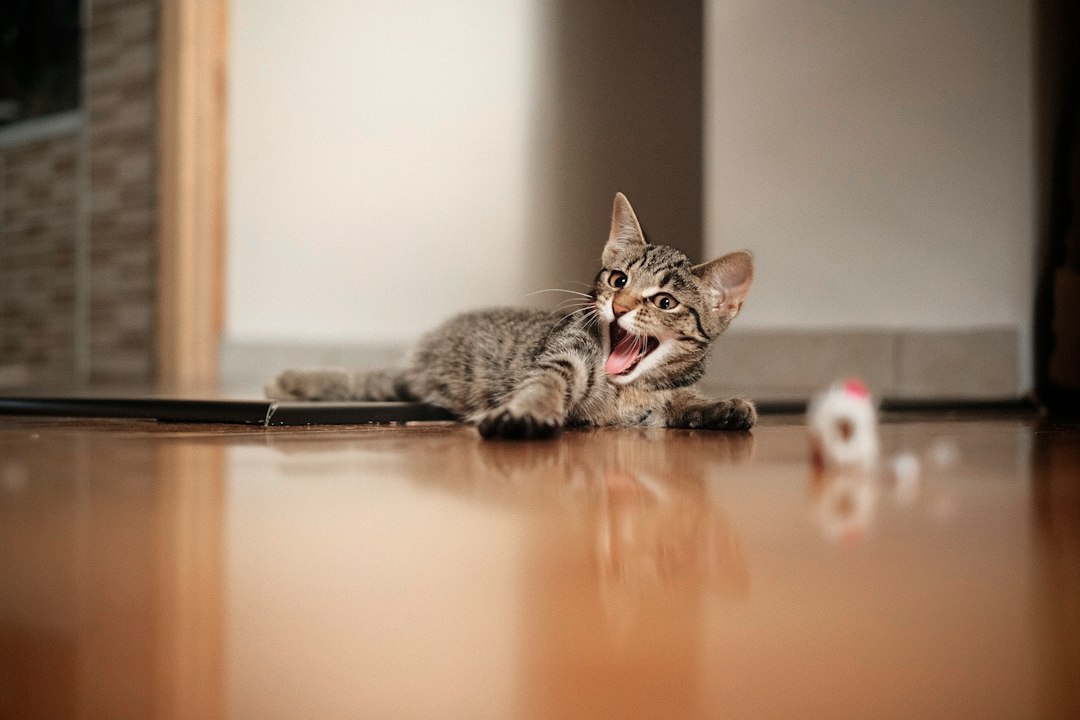
Cats, those enigmatic creatures often admired for their grace and independence, can also exhibit behaviors that leave their human companions perplexed and, at times, a little unnerved. Among the most common and often startling of these are spitting and hissing. These vocalizations, accompanied by specific body language, are not random acts of aggression but rather sophisticated communication tools rooted in a cat’s instinctual programming. Understanding why cats spit and hiss is crucial for building a stronger bond with our feline friends, fostering trust, and ensuring their well-being. This article delves into the multifaceted reasons behind these seemingly aggressive displays, exploring the underlying emotions, situational triggers, and the evolutionary significance of feline vocalizations.
One of the primary drivers behind a cat’s hiss or spit is fear. For a creature that is both predator and prey, a perceived threat can quickly escalate into a defensive reaction. When a cat feels cornered, overwhelmed, or simply unable to escape a situation it deems dangerous, spitting and hissing become its first line of defense. This vocalization is an attempt to create distance, to warn the perceived threat away, and to buy itself time to assess the situation or formulate an escape plan.
The Fight-or-Flight Response in Felines
At its core, spitting and hissing are manifestations of the fight-or-flight response. When a cat’s brain registers a potential danger, it triggers a cascade of physiological and behavioral changes. The heart rate accelerates, adrenaline surges, and the cat’s senses become hyper-alert. The hiss and spit are the audible outputs of this internal alarm system. It’s a primal scream designed to startle and deter, a clear signal that the cat is not comfortable and is prepared to escalate its defense if necessary.
Triggers for Fear-Based Vocalizations
Numerous situations can trigger fear in cats, leading to spitting and hissing. These include:
Sudden Loud Noises
A loud bang from a firework, a door slamming shut unexpectedly, or even a dropped object can send a cat into a state of alarm. Cats have acute hearing, and sudden, unpredictable noises can be deeply unsettling. The hiss is a way for them to express their shock and to try and make the noise cease or move away.
Unfamiliar Environments and Individuals
Cats are creatures of habit and can be territorial. Being in a new place, whether it’s a veterinary clinic, a new home, or even just encountering a new person or animal, can be a source of significant anxiety. The unfamiliar scent, appearance, or even the unpredictable movements of a new entity can trigger a fear response. The hiss is a way of saying, “I don’t know you, and I’m not sure I trust you. Stay away.”
Physical Pain or Discomfort
If a cat is experiencing pain, whether due to an injury, illness, or even being touched in a sensitive area, it will likely react with vocalizations of distress. A hiss or spit in this context is a clear indication that the cat is hurting and wants to be left alone. It’s a warning to its human or another animal not to touch them further. This is why it’s crucial to approach a cat that is exhibiting signs of pain with extreme caution and to seek veterinary attention promptly.
Overstimulation and Invasion of Personal Space
Even a beloved cat can become overwhelmed. Excessive petting, rough play, or even persistent attempts to interact when the cat is not receptive can lead to a build-up of frustration and anxiety. The hiss or spit in this scenario is a polite, albeit sharp, reminder that the cat has reached its limit. It’s a signal that its personal boundaries are being crossed and that it needs space.
Cats often exhibit behaviors such as spitting and hissing as a form of communication, signaling their discomfort or fear. Understanding these reactions can help cat owners create a more harmonious environment for their pets. For a deeper insight into why cats display these behaviors and how to address them, you can read a related article on this topic at My Cosmic Ventures.
Asserting Boundaries: The Power of the Feline “No”
Beyond mere fear, spitting and hissing are powerful tools cats use to establish and enforce their boundaries. These vocalizations serve as clear and unambiguous declarations of their preferences, asserting their right to personal space, autonomy, and control over their interactions. When a cat hisses or spits, it’s not necessarily about aggression in a predatory sense, but rather about communicating a definitive “no.”
The Importance of Personal Space
Cats, despite their often affectionate nature, are highly attuned to their personal space. They have specific comfort zones, and when these zones are violated, they will often resort to spitting or hissing to reclaim their territory. This is particularly evident when a cat is resting, grooming, or engaged in an activity it wishes to do undisturbed. The hiss acts as a verbal barrier, a warning to cease the intrusive behavior before the situation escalates further.
Communicating Discomfort with Interaction
Not all interactions are welcomed by cats at all times. A cat might be perfectly happy to be petted one moment and then decide it has had enough the next. The hiss or spit is the feline equivalent of saying, “That’s enough for now,” or “I don’t want to be touched anymore.” This is a critical communication cue for humans to learn and respect. Ignoring these signals can lead to a breakdown in trust and a reluctance on the cat’s part to engage in further interactions.
Learning to Read Subtle Cues
While hissing and spitting are overt signals, cats also communicate their displeasure with more subtle cues. These can include tail twitching, flattened ears, dilated pupils, or tensing of the body. A human who is attuned to these earlier signs can often prevent a hiss or spit from occurring by backing off or changing the interaction before the cat feels the need to escalate its vocalizations. Understanding the progression of feline communication is key to respecting their boundaries.
The Role of Routine and Predictability
Cats thrive on routine and predictability. When their routine is disrupted, or when unexpected events occur, they may become anxious and resort to hissing or spitting to express their discomfort. Introducing new pets, visitors, or changes in their environment without proper acclimatization can trigger these defensive behaviors. Providing a sense of stability and predictability can significantly reduce instances of fear- and boundary-related vocalizations.
Territorial Disputes and Social Hierarchies
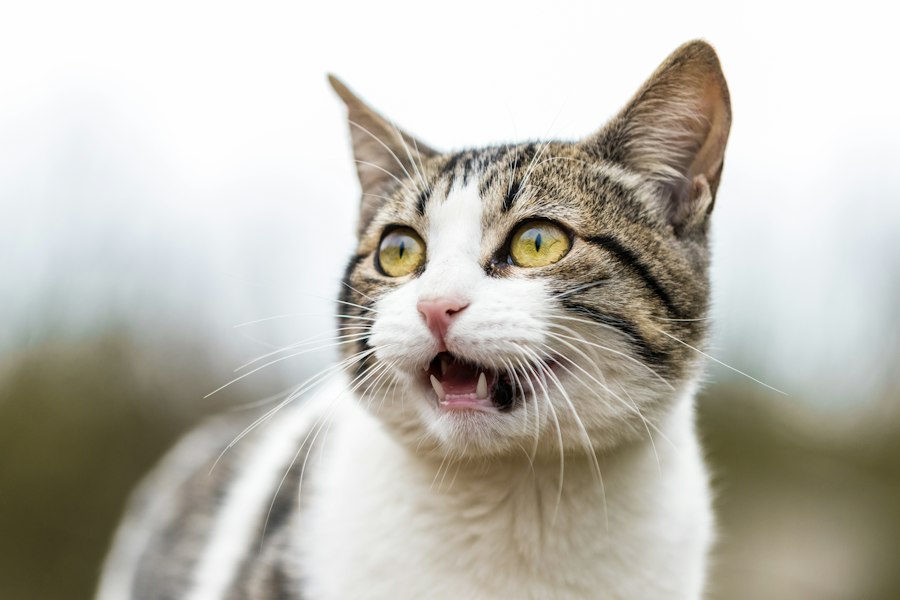
In the feline world, territory is paramount. Spitting and hissing are often employed in territorial disputes, whether between two cats, or between a cat and another animal perceived as an intruder. These vocalizations are a way of establishing dominance, warning off rivals, and protecting their established resources and safe havens.
Defending Resources
A cat’s territory can encompass its entire home, specific rooms, or even just a favorite sleeping spot. When another animal, be it a resident cat, a visiting pet, or even a stray, encroaches on this territory, the resident cat may react with hisses and spits to defend its perceived ownership. This is especially true if the perceived intruder is after resources like food, water, or a prime napping location.
Establishing Dominance and Social Order
While cats may not have the complex social structures of some other animals, they do establish hierarchies within multi-cat households. Spitting and hissing can be part of this social negotiation. A more dominant cat might hiss at a subordinate cat to assert its position or to prevent the other from accessing a particular area or resource. Conversely, a subordinate cat might hiss out of fear or a defensive reaction to a perceived threat from a dominant individual.
The Scent Marking Connection
Hissing and spitting are often accompanied by other territorial behaviors, such as urine spraying or scratching. These behaviors collectively communicate to other animals that the territory is occupied and defended. The vocalizations serve as an immediate, audible warning, while scent marking provides a longer-lasting, olfactory message.
Introducing New Felines
Introducing a new cat into a household can be a delicate process. Initially, hissing and spitting are to be expected as the resident cat asserts its territory and assesses the newcomer. Slow, supervised introductions, providing separate spaces and resources, and allowing the cats to acclimate to each other’s scent gradually can help minimize these territorial vocalizations and promote a peaceful coexistence.
Play Aggression and Overexcitement

While often associated with fear or dominance, spitting and hissing can also manifest during play, particularly in kittens and young cats. In this context, the vocalizations are usually not indicative of genuine aggression but rather of overexcitement, frustration, or a misinterpretation of play cues.
The Line Between Play and Aggression
For kittens, play is a vital learning tool. They practice hunting techniques, develop coordination, and learn social cues through rough-and-tumble play. Sometimes, this play can become a little too intense, and a kitten might let out a hiss or a spit if it feels overwhelmed or if its playmate is being a bit too rough. This is usually a fleeting reaction and not a sign of true animosity.
Frustration During Play
A cat might also hiss or spit if it becomes frustrated during play. This can happen if it cannot catch a toy, if the human is not interacting in a way it desires, or if it feels its efforts are not being acknowledged. The hiss in this scenario is more of an exclamation of “almost!” or “I’m trying!” rather than a serious threat.
Understanding Kitten Play Etiquette
Observing how kittens play with each other is instructive. They learn to moderate their bites and claws by receiving feedback from their littermates. When a kitten bites too hard, its playmate will yelp and retreat, teaching the biting kitten to be gentler. Humans can mimic this by discontinuing play if the kitten becomes too rough, reinforcing the desired play behavior.
The Importance of Appropriate Toys and Play
Using appropriate toys that allow cats to engage in their natural hunting instincts, such as wand toys or laser pointers (used responsibly), can help channel their energy and reduce frustration. Avoiding direct hand-to-paw play is also important, as it can inadvertently teach the cat that human hands are acceptable targets for bites and scratches.
Cats often exhibit behaviors such as spitting and hissing as a means of communication, signaling discomfort or fear to those around them. Understanding these reactions can help cat owners create a more harmonious environment for their pets. For a deeper insight into feline behavior and the reasons behind these vocalizations, you can explore a related article on this topic at My Cosmic Ventures. This resource offers valuable information that can enhance your understanding of why your cat may react in such ways.
When to Seek Professional Help: Recognizing Signs of Underlying Issues
| Reason | Description | Common Triggers | Behavioral Outcome |
|---|---|---|---|
| Fear | Cats spit and hiss to warn potential threats when they feel scared or cornered. | Strangers, loud noises, unfamiliar animals | Defensive posture, retreat or attack if necessary |
| Territoriality | Protecting their territory from intruders or other cats. | New cats entering their space, changes in environment | Hissing, spitting, marking territory |
| Pain or Discomfort | Cats may hiss or spit when they are in pain or feeling unwell. | Injury, illness, being touched in sensitive areas | Aggressive warning to avoid further harm |
| Stress or Anxiety | Stressful situations can cause cats to react defensively. | Moving to a new home, loud environments, unfamiliar people | Hissing, spitting, hiding |
| Protecting Kittens | Mother cats hiss and spit to protect their young from perceived threats. | Approaching strangers or other animals near kittens | Aggressive vocalizations and defensive behavior |
While spitting and hissing are often normal feline communication, persistent or extreme instances of these behaviors can signal underlying physical or psychological issues that require professional attention. It is crucial for cat owners to be able to distinguish between normal defensive vocalizations and those that indicate a deeper problem.
Medical Conditions and Pain
As mentioned earlier, pain is a significant trigger for hissing and spitting. If a cat that is typically docile begins to hiss or spit frequently, especially when touched or handled, it is imperative to consult a veterinarian. Undiagnosed medical conditions, injuries, or chronic pain can manifest as increased irritability and defensive behaviors. A thorough veterinary examination can rule out or diagnose any physical ailments contributing to the behavior.
Anxiety and Stress-Related Disorders
Chronic anxiety or stress can lead to a cat developing more pronounced defensive behaviors. Factors like significant environmental changes, the loss of a companion animal or human, or a lack of adequate stimulation can contribute to persistent anxiety. In such cases, a veterinarian or a certified feline behaviorist can offer guidance on stress management techniques, environmental enrichment, and potentially behavioral modification plans or even medication if necessary.
The Role of Feline Behaviorists
Certified feline behaviorists are trained professionals who specialize in understanding and modifying feline behavior. They can assess the individual cat, its environment, and the dynamics of the household to identify the root cause of persistent spitting and hissing. They can then develop a tailored plan to address the specific issues, which might involve a combination of environmental adjustments, training techniques, and owner education.
Building Trust and Positive Reinforcement
For cats that exhibit fear or anxiety-driven spitting and hissing, building trust through positive reinforcement is essential. This involves associating positive experiences with the presence of the trigger, whether it be a specific person, object, or situation. Slow, patient, and consistent efforts using treats, praise, and gentle interactions can help the cat learn that the trigger is not a threat, gradually reducing the need for defensive vocalizations.
In conclusion, spitting and hissing are integral components of a cat’s complex communication system. They are not arbitrary acts of aggression but rather signals of fear, discomfort, territoriality, or even overexcitement. By understanding the nuanced meanings behind these vocalizations and the situations that trigger them, humans can foster deeper empathy, build stronger bonds with their feline companions, and ensure their well-being. Recognizing the subtle cues, respecting their boundaries, and seeking professional help when needed are all vital steps in truly understanding and appreciating the language of our feline friends.

Why Quantum Computers Shouldn’t Be Able to Do This
FAQs
1. Why do cats spit and hiss?
Cats spit and hiss as a form of defensive behavior when they feel threatened or scared. It is their way of warning potential threats to stay away.
2. What are common triggers that cause cats to spit and hiss?
Common triggers that can cause cats to spit and hiss include feeling cornered, encountering unfamiliar animals or people, experiencing pain or discomfort, or feeling territorial.
3. How should you respond if a cat spits or hisses at you?
If a cat spits or hisses at you, it is important to give the cat space and avoid any sudden movements. Do not try to approach or touch the cat until it has calmed down.
4. Can spitting and hissing behavior be modified in cats?
Spitting and hissing behavior in cats can be modified through positive reinforcement training, socialization, and creating a safe and comfortable environment for the cat.
5. When should you seek professional help for a cat that spits and hisses excessively?
If a cat is spitting and hissing excessively, it may be a sign of underlying stress, fear, or aggression issues. In such cases, it is recommended to seek help from a veterinarian or a certified animal behaviorist to address the behavior.