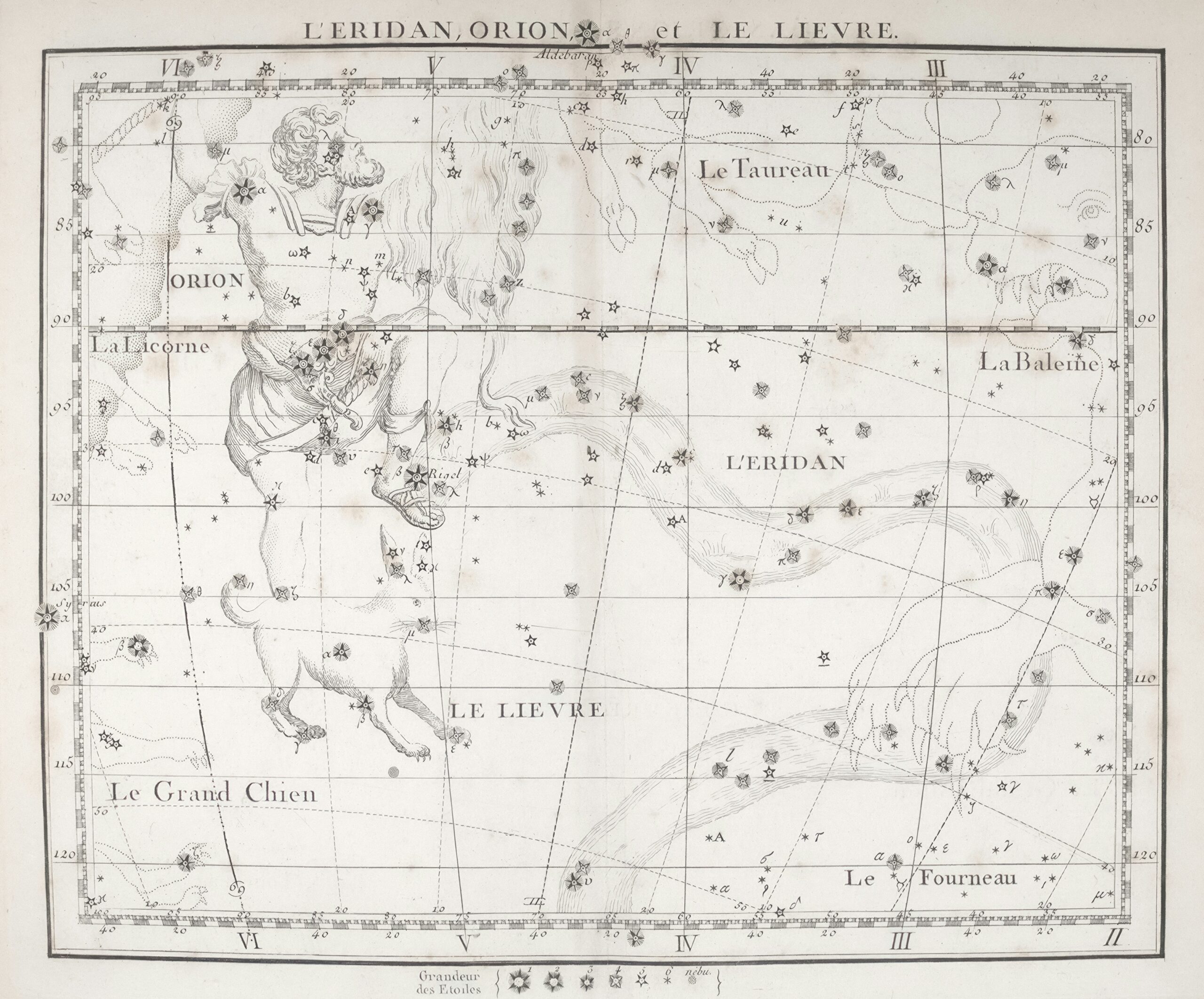
The field of archaeoastronomy, the study of how ancient cultures understood and employed astronomical phenomena, offers a unique lens through which to examine humanity’s earliest attempts at cosmic navigation and understanding. Within this discipline, the exploration of “star maps” – not in the literal, printed sense of modern cartography, but as encoded knowledge within ancient structures, artifacts, and oral traditions – presents a compelling, albeit complex, mystery. The concept of “Cosmic Ventures” suggests more than mere observation; it implies a functional application of celestial knowledge, potentially for journeys, calendrical systems, or even spiritual enlightenment. This article seeks to unravel the multifaceted nature of these ancient star maps, delving into their construction, interpretation, and the enduring implications of these early cosmic ventures.
The human fascination with the night sky is a near-universal constant, likely predating recorded history. Early humans would have observed the predictable movements of celestial bodies: the sun’s daily arc, the moon’s phases, and the apparent rotation of the stars around a fixed point (the celestial pole). These observations were not passive; they formed the bedrock for nascent understandings of time, seasons, and possibly, spatial orientation.
The Dawn of Astronomical Awareness
The earliest evidence for an awareness of celestial patterns comes from archaeological discoveries. Simple notches on bone or stone, found in Paleolithic sites, have been interpreted by some researchers as attempts to track lunar cycles. While the definitive purpose of these markings remains a subject of scholarly debate, their regularity and correlation with astronomical phenomena are suggestive.
Lunar Tally Marks: A Prehistoric Calendar?
The interpretation of these early markings as lunar tallies is a prominent theory. The cyclical nature of the moon’s phases, easily observable and consistently recurring, would have been an invaluable tool for early humans. Tracking these cycles could have aided in predicting periods of abundant food, potential dangers, or simply marking the passage of time in a pre-literate society.
The Solstice and Equinox: Marking the Seasons
Beyond lunar cycles, the sun’s journey across the sky would have been of paramount importance for survival. The solstices, marking the longest and shortest days of the year, and the equinoxes, when day and night are of equal length, represent significant seasonal shifts. The alignment of ancient structures with these celestial events strongly suggests a deliberate effort to commemorate and possibly predict them.
The Role of Mythology and Cosmogony
In many ancient cultures, celestial bodies were not merely physical objects but were imbued with mythological significance. Stars and constellations were often personified as deities, heroes, or mythical creatures, forming the basis of complex cosmogonies – narratives explaining the origin and structure of the universe. These myths likely served not only to explain the cosmos but also to transmit knowledge about celestial patterns across generations.
Constellations as Storyboards
The formation of constellations, predictable groupings of stars, provided a ready-made “storyboard” in the night sky. These stories, passed down through oral traditions, would have helped individuals identify and remember specific star patterns, which in turn could have served practical purposes such as navigation or agricultural timing.
Deities of the Night Sky
In societies like ancient Egypt or Mesopotamia, celestial deities played crucial roles in their religious and social structures. The movements of the sun, moon, and planets were often seen as the actions of these gods, and their apparent paths dictated sacred rituals and calendrical practices.
In exploring the fascinating realm of astronomy, one might encounter the intriguing topic of star maps and their discrepancies, which can lead to confusion among stargazers and researchers alike. A related article that delves into this subject is available at My Cosmic Ventures, where it discusses how these star maps often fail to align with the actual positions of celestial bodies. For more insights on this topic, you can read the full article here: Star Maps Not Adding Up.
Deciphering Ancient Star Charts: Beyond the Obvious
The challenge in “unraveling the mystery of star maps” lies in their often-indirect representation. Unlike modern star charts printed on paper, ancient celestial knowledge was encoded within a variety of forms, requiring careful decipherment and interdisciplinary analysis.
Architectural Alignments: Stone, Sky, and Purpose
One of the most compelling areas of archaeoastronomy involves the study of ancient monumental architecture. Sites such as Stonehenge, the Pyramids of Giza, or Mayan observatories exhibit precise alignments with celestial events. These alignments suggest that the builders possessed a sophisticated understanding of astronomy and incorporated this knowledge into the very fabric of their structures.
Stonehenge: A Neolithic Observatory
The famous megalithic monument at Stonehenge in England has long been a subject of astronomical interpretation. Its primary avenue is aligned with the summer solstice sunrise, and other stones appear to mark the winter solstice, suggesting its use as a calendrical device and possibly a focus for astronomical observation.
The Pyramids of Giza and the Celestial Pole
The orientation of the Great Pyramid of Giza and other pyramidal structures has been analyzed for potential astronomical significance. Some theories propose alignments with specific stars or constellations, or even with the Earth’s celestial pole, hinting at a deep understanding of terrestrial and celestial positioning.
Mesoamerican Observatories: Aligning Cities with the Cosmos
Civilizations in Mesoamerica, such as the Maya and Aztec, demonstrated a remarkable aptitude for astronomy. Their cities often featured structures designed as observatories, with alignments to the rising and setting of celestial bodies like Venus, the sun, and major constellations. These alignments were not just symbolic; they were integral to their calendrical systems and religious practices.
Artifacts as Celestial Records
Beyond monumental architecture, numerous artifacts bear inscriptions or designs that point to an understanding of celestial phenomena. These can range from carved discs to intricate pottery, each requiring careful examination to extract potential astronomical information.
The Nebra Sky Disc: A Prehistoric Atlas?
The Nebra sky disc, a bronze disc dating back approximately 3,600 years, is one of the most significant archaeological finds relating to ancient astronomy. Depicting the sun, moon, and stars, it is widely considered to be one of the oldest known concrete representations of the cosmos. Its precise configuration suggests an understanding of astronomical cycles and possibly even an early form of celestial mapping.
Coded Symbols on Pottery and Tools
Throughout history, various cultures have utilized symbols on everyday objects that, upon closer inspection, appear to represent celestial bodies or patterns. Deciphering these symbols often requires knowledge of the cultural context and the specific astronomical phenomena that were likely of importance to that civilization.
In the fascinating realm of astronomy, star maps often serve as essential tools for navigating the night sky, yet they sometimes fail to align with our cosmic ventures. This discrepancy raises intriguing questions about the accuracy of our celestial guides. For those interested in exploring this topic further, a related article discusses the complexities of star maps and their implications for space exploration. You can read more about it in this insightful piece on cosmic ventures.
Oral Traditions and the Transmission of Star Lore
In societies where written records were absent or scarce, oral traditions played a vital role in preserving and transmitting knowledge, including astronomical information. Myths, legends, and epic poems often contain hidden references to celestial phenomena, which can be meticulously analyzed by scholars to reconstruct ancient star lore.
Indigenous Star Stories: Navigation and Cosmology
Many indigenous cultures around the world possess rich oral traditions that describe the stars and their movements. These “star stories” are not simply folklore; they often contain practical information about navigation, seasonal changes, and the relationships between the Earth and the cosmos.
Epic Poems and Celestial Occurrences
In some ancient literature, such as Greek epics or Mesopotamian Gilgamesh, scholars have identified references to specific celestial events, such as eclipses or the appearance of comets. These references, when corroborated with astronomical data, can provide valuable insights into the astronomical knowledge of the time.
Functional Applications of Ancient Star Maps: Cosmic Ventures Realized
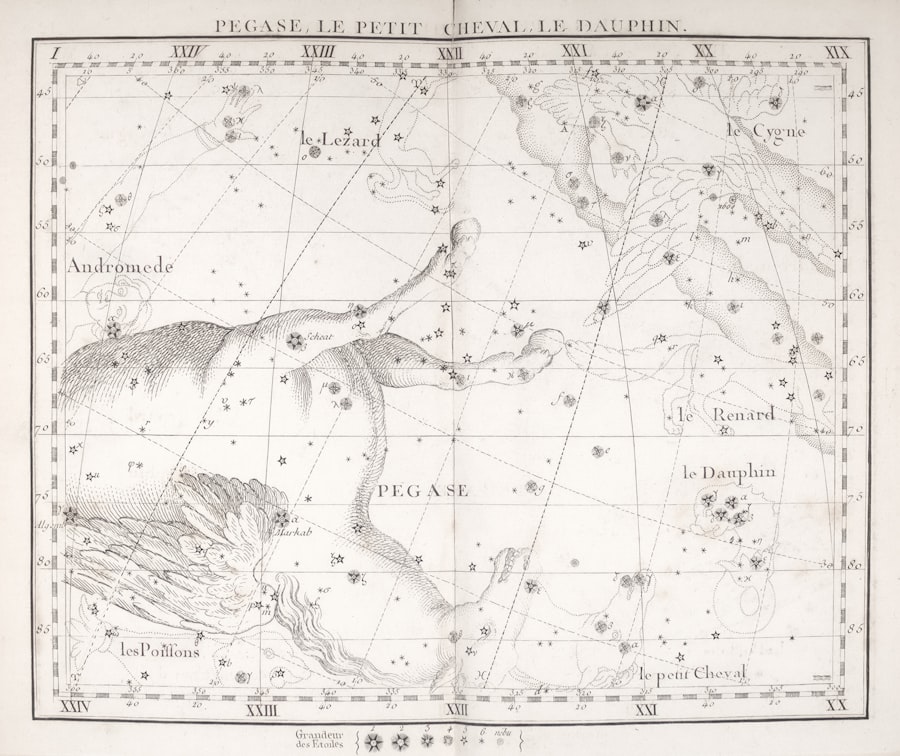
The existence of these ancient “star maps” points to more than just idle curiosity about the night sky. It suggests that this celestial knowledge was put to practical use, guiding human endeavors and shaping societies. The concept of “Cosmic Ventures” implies deliberate actions undertaken based on an understanding of the cosmos.
Navigation: Charting Courses by Celestial Lights
The ability to navigate, whether across vast oceans or expansive deserts, is fundamental to human exploration and trade. For millennia
FAQs
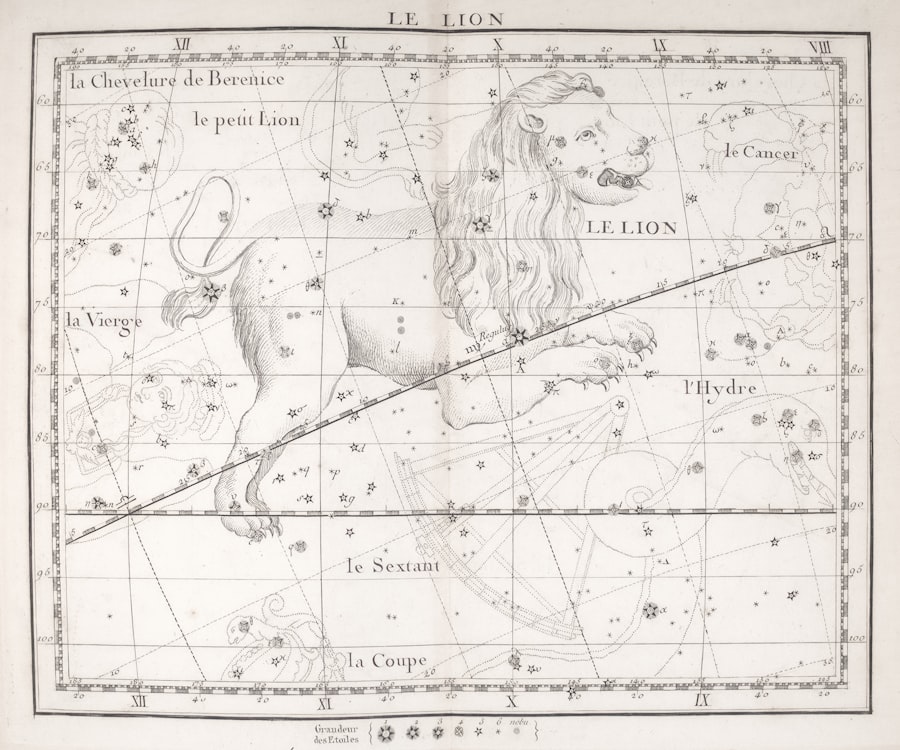
What are star maps?
Star maps are graphical representations of the night sky, showing the positions and movements of stars and other celestial objects. They are used by astronomers, navigators, and amateur stargazers to locate and identify stars and constellations.
Why do star maps sometimes not add up?
Star maps may not always add up due to factors such as precession, parallax, and the limitations of human perception. Precession refers to the gradual shift in the orientation of Earth’s axis, which can cause the positions of stars to change over time. Parallax is the apparent shift in the position of a star when viewed from different locations on Earth. Additionally, human perception of the night sky can be influenced by factors such as light pollution and atmospheric conditions.
How do astronomers account for discrepancies in star maps?
Astronomers account for discrepancies in star maps by using advanced telescopes, astronomical software, and precise measurements to accurately determine the positions and movements of stars. They also take into consideration the effects of precession, parallax, and other factors that can affect the apparent positions of stars in the night sky.
What are cosmic ventures?
Cosmic ventures refer to explorations and endeavors related to outer space, including space missions, astronomical research, and the study of celestial phenomena. These ventures often involve the use of advanced technology and scientific methods to gain a better understanding of the universe.
How can individuals use star maps for cosmic ventures?
Individuals can use star maps for cosmic ventures by using them to navigate and locate celestial objects, plan astronomical observations, and contribute to citizen science projects. Star maps can also be used to inspire curiosity and appreciation for the wonders of the universe.