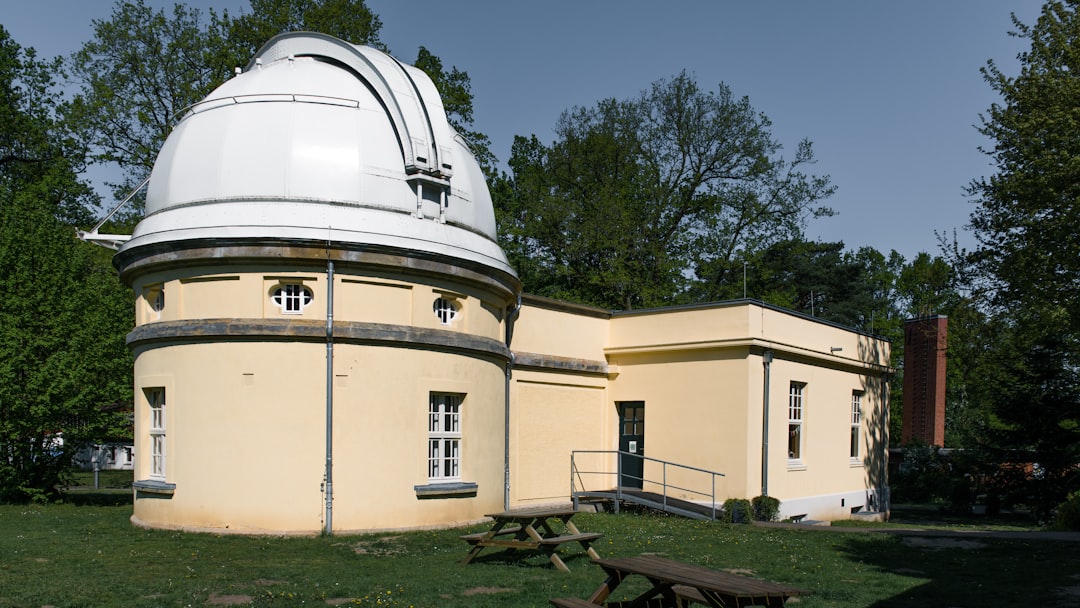
The universe, a canvas of unfathomable scale and complexity, beckons humanity with its silent grandeur. For millennia, we have gazed upwards, seeking to decipher the celestial script written in the language of light and matter. Astronomical observations, the bedrock of our understanding of this cosmic tapestry, are the tireless explorations that unlock the mysteries of the universe. They are akin to the painstaking work of a detective, meticulously gathering clues from distant sources to piece together the grand narrative of existence. This article delves into the pivotal role of astronomical observations, exploring the methods, discoveries, and ongoing quests that continue to expand our cosmic horizons.
The primary tools that empower astronomers are telescopes, instruments designed to collect and focus electromagnetic radiation from celestial objects. The evolution of these observational devices has been a driving force behind every major leap in our understanding of the cosmos.
The Dawn of Observation: The Refracting Telescope
The Rise of Reflecting Telescopes: Pushing the Boundaries of Light Gathering
Beyond Visible Light: Radio and Infrared Astronomy
Unveiling the High-Energy Universe: X-ray and Gamma-ray Telescopes
Space-Based Observatories: Escaping Earth’s Atmospheric Veil
The earliest telescopes, primarily refractors, utilized lenses to bend light. While pioneering, they were limited by chromatic aberration and the sheer difficulty of crafting large, perfect lenses. The advent of reflecting telescopes, employing mirrors, revolutionized the field. Isaac Newton’s design, using a parabolic mirror, effectively solved chromatic aberration and allowed for the construction of much larger instruments. These behemoths of mirrored glass became the workhorses of early astronomy, enabling the discovery of previously unseen moons, nebulae, and galaxies.
However, the universe is not solely a spectacle of visible light. The electromagnetic spectrum is vast, and different celestial phenomena emit radiation across a wide range. Radio telescopes, with their dish-like antennae, became essential for observing phenomena like the cosmic microwave background radiation, the afterglow of the Big Bang, and the synchrotron radiation emitted by energetic particles in nebulae and active galactic nuclei. Infrared telescopes, often cooled to cryogenic temperatures to minimize their own thermal emissions, peer through dust clouds that obscure visible light, allowing us to observe star formation regions and the cores of galaxies.
The most energetic phenomena in the universe, such as the explosion of supernovae and the feeding of supermassive black holes, emit X-rays and gamma-rays. Detecting this high-energy radiation requires specialized instruments placed above Earth’s atmosphere, as these rays are largely absorbed by our planet’s protective layers. X-ray telescopes, like the Chandra X-ray Observatory, and gamma-ray telescopes, such as the Fermi Gamma-ray Space Telescope, offer unparalleled views into these violent cosmic events.
The limitations imposed by Earth’s atmosphere – distortion, absorption, and light pollution – led to the strategic deployment of observatories in space. Satellites like the Hubble Space Telescope, a true icon of astronomical achievement, have provided breathtaking images and crucial data, free from atmospheric interference. Its ability to observe in visible, ultraviolet, and near-infrared light has yielded unprecedented insights into distant galaxies, star nurseries, and the expansion of the universe. The ongoing development of even more sophisticated space-based observatories, such as the James Webb Space Telescope, promises to push our cosmic understanding even further.
Astronomical observations have significantly advanced our understanding of the universe, and a related article that delves deeper into this topic can be found at this link. The article discusses the latest techniques and technologies used in modern astronomy, highlighting how they enhance our ability to explore celestial phenomena. For more insights, you can read the full article here: Astronomical Observations.
Charting the Celestial Sphere: From Astrometry to Spectroscopy
Astronomical observations are not merely about capturing images; they involve a suite of techniques that extract diverse information from the light that reaches us. These methods allow us to determine the positions and movements of stars, analyze their chemical composition, and understand their physical properties.
Astrometry: Mapping the Cosmos with Precision
Photometry: Measuring the Brightness of the Universe
Spectroscopy: Decoding the Fingerprints of Light
Astrometry, the oldest branch of observational astronomy, focuses on precisely measuring the positions and motions of celestial objects. By tracking stars over time, astronomers can determine their parallax – the apparent shift in their position due to Earth’s orbit – which is fundamental to calculating their distances. This precise mapping of the celestial sphere is crucial for understanding galactic structure and dynamics.
Photometry, the art of measuring the brightness of celestial objects, provides vital clues about their nature and evolution. By monitoring variations in brightness, astronomers can identify pulsating stars, detect the transits of exoplanets across their host stars, and study the light curves of supernovae, which act as cosmic distance markers.
Perhaps the most powerful observational technique is spectroscopy. When light from a celestial object passes through a prism or diffraction grating, it splits into its constituent wavelengths, revealing a spectrum. Each element and molecule absorbs or emits light at specific, unique wavelengths, creating characteristic spectral lines that act like cosmic fingerprints. Analyzing these fingerprints allows astronomers to determine the chemical composition, temperature, pressure, and even the velocity of celestial objects. This is akin to reading a chemical analysis report for a star or galaxy, revealing its building blocks and physical conditions.
Unveiling Cosmic Distances: The Ladder to the Universe
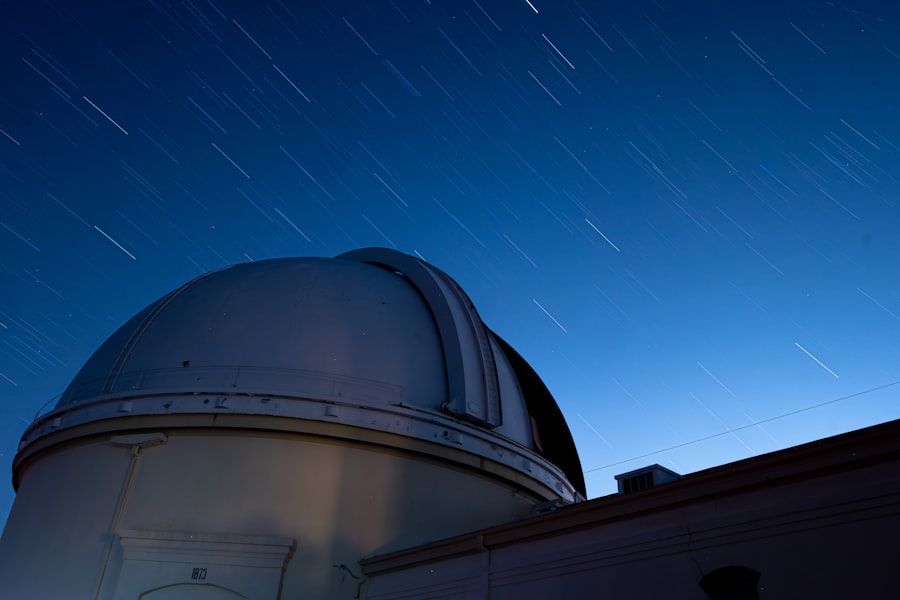
Determining the vast distances to celestial objects is a fundamental challenge in astronomy. A series of ingenious techniques, often referred to as the cosmic distance ladder, have been developed to conquer this challenge, each step building upon the accuracy of the previous one.
Parallax: The Nearest Stars Within Reach
Standard Candles: Light Sources of Known Brightness
Cepheid Variables: Cosmic Beacons for Galactic Distances
Type Ia Supernovae: Illuminating Intergalactic Space
Redshift and Hubble’s Law: Measuring the Expansion of the Universe
The most direct method for measuring stellar distances is parallax. For nearby stars, their apparent position shifts slightly against the background of more distant stars as the Earth orbits the Sun. By measuring this tiny shift, astronomers can calculate the distance to the star, much like how our own two eyes perceive depth. This method is effective for stars within our own Milky Way galaxy.
For greater cosmic distances, astronomers rely on “standard candles” – objects whose intrinsic brightness is known. By comparing their observed brightness with their known luminosity, their distance can be calculated. Cepheid variable stars are bright, pulsating stars whose period of pulsation is directly related to their luminosity. By measuring the period of a Cepheid, its true brightness can be determined, allowing astronomers to gauge its distance. These stars have been crucial for determining the distances to nearby galaxies.
Even more luminous standard candles are Type Ia supernovae – the explosive deaths of certain white dwarf stars. These explosions are remarkably consistent in their peak brightness, making them visible across immense intergalactic distances. By observing Type Ia supernovae in distant galaxies, astronomers can measure distances far beyond the reach of Cepheid variables. This has been instrumental in mapping the large-scale structure of the universe and understanding its expansion history.
The most profound discovery regarding cosmic distances came with the observation of redshift. Light from distant galaxies is shifted towards longer, redder wavelengths. This phenomenon, explained by Edwin Hubble’s law, indicates that these galaxies are moving away from us, and the farther they are, the faster they recede. This observation is the cornerstone of the understanding that the universe is expanding. The amount of redshift is a direct indicator of distance in the expanding universe.
Probing the Mysteries of Cosmic Evolution: From Stellar Birth to Galactic Collisions
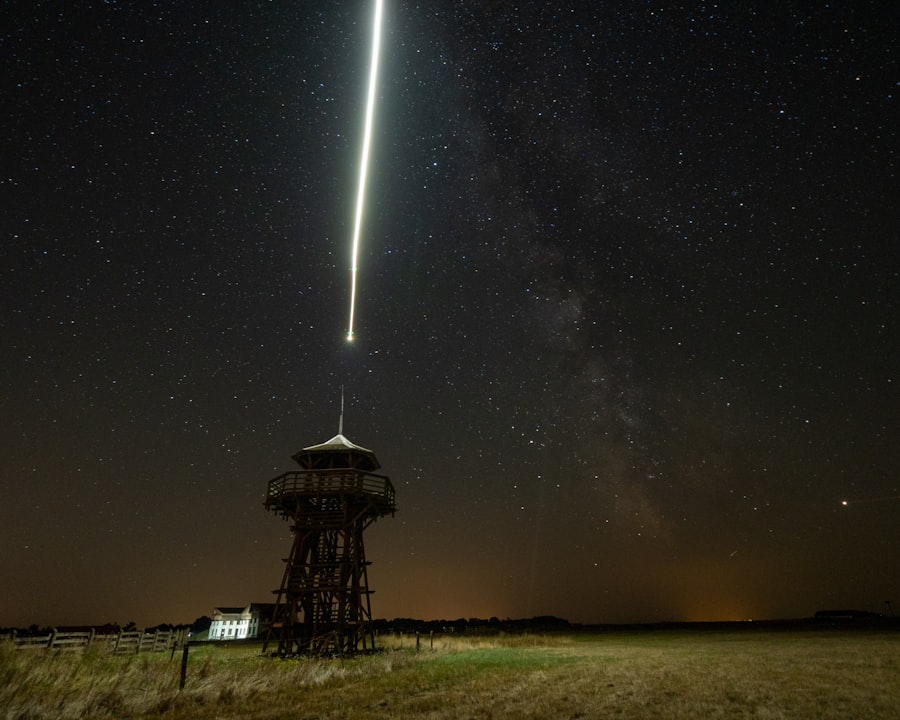
Astronomical observations are not static snapshots of the universe; they provide a dynamic view of cosmic evolution, allowing us to witness the birth, life, and death of stars and galaxies.
The Birthplace of Stars: Nebulae as Cosmic Nurseries
Observing nebulae, vast clouds of gas and dust, through telescopes, particularly in infrared and radio wavelengths, reveals the intricate processes of star formation. These regions, often illuminated by the fierce radiation of newly born stars, showcase the gravitational collapse of gas and dust, leading to the ignition of nuclear fusion. The Hubble Space Telescope has provided iconic images of these stellar nurseries, revealing stunning details of collapsing cores and protoplanetary disks.
The Life and Death of Stars: Stellar Evolution in Action
By observing stars at different stages of their evolution, astronomers can piece together the dramatic life cycles of these celestial furnaces. From the hot, young stars burning through their hydrogen fuel to the dying embers of white dwarfs and the catastrophic explosions of supernovae, each stage leaves its observable mark on the universe. The study of supernovae, in particular, has revealed the creation of heavy elements, elements that form the very building blocks of planets and life.
Galactic Dynamics and Collisions: The Cosmic Dance
Galaxies are not static entities but are in constant motion, interacting and often colliding. Observations of galactic mergers, such as those captured by Hubble, show the dramatic gravitational interplay between galaxies, the disruption of their structures, and the vigorous bursts of star formation triggered by these cosmic encounters. These observations provide crucial insights into how galaxies grow and evolve over billions of years.
Astronomical observations have greatly advanced our understanding of the universe, and for those interested in exploring this topic further, a related article can be found at My Cosmic Ventures. This resource delves into the latest techniques and technologies used in the field, shedding light on how astronomers gather data from distant celestial bodies. By examining these innovative methods, readers can gain a deeper appreciation for the complexities involved in studying the cosmos.
The Quest for Exoplanets and the Search for Life Beyond Earth
| Observation Type | Instrument Used | Wavelength Range | Typical Resolution | Notable Discoveries |
|---|---|---|---|---|
| Optical Astronomy | Optical Telescope | 400 – 700 nm | 0.1 arcseconds (Hubble Space Telescope) | Exoplanets, Galaxy structures |
| Radio Astronomy | Radio Telescope | 1 mm – 30 m | 1 arcminute to sub-arcsecond (VLBI) | Pulsars, Cosmic Microwave Background |
| Infrared Astronomy | Infrared Telescope | 700 nm – 1 mm | 0.1 to 1 arcseconds | Star formation regions, Brown dwarfs |
| Ultraviolet Astronomy | UV Telescope | 10 – 400 nm | 0.1 to 1 arcseconds | Hot stars, Interstellar medium |
| X-ray Astronomy | X-ray Observatory | 0.01 – 10 nm | 0.5 arcseconds (Chandra) | Black holes, Neutron stars |
| Gamma-ray Astronomy | Gamma-ray Telescope | 0.1 to 1 degree | Gamma-ray bursts, Active galactic nuclei |
One of the most exciting frontiers in modern astronomy is the discovery and characterization of planets orbiting stars other than our Sun, known as exoplanets. Observational techniques have undergone a revolution to detect these distant worlds.
Indirect Detection Methods: The Shadow and Wobble of Planets
The primary methods for exoplanet detection are indirect. The transit method, famously employed by the Kepler space telescope, detects the slight dimming of a star’s light as an exoplanet passes in front of it. The radial velocity method, also known as the Doppler wobble, detects the tiny gravitational tug an orbiting planet exerts on its host star, causing the star to wobble slightly. These methods have revealed thousands of exoplanets, ranging from small, rocky worlds to gas giants.
Characterizing Exoplanet Atmospheres: Searching for Biosignatures
Once exoplanets are detected, astronomers strive to characterize their atmospheres. This is achieved by analyzing the light from the host star as it passes through the exoplanet’s atmosphere during a transit. Different molecules in the atmosphere will absorb specific wavelengths of light, leaving a unique spectral signature. The search is on for “biosignatures” – gases like oxygen and methane in the atmosphere that, in combination, could indicate the presence of life. This is a painstaking process, pushing the limits of our observational capabilities and analytical tools as we scan the cosmos for answers to humanity’s oldest questions.
The universe remains a boundless expanse of mysteries, and astronomical observations are our unwavering compass, guiding us through its immensity. From the rudimentary lenses of early telescopes to the sophisticated instruments orbiting our planet, each advance in observational technology has peeled back another layer of cosmic ignorance. The data streamed back from these celestial scouts is not merely a collection of numbers and images; it is the unfolding story of our universe, a narrative of cosmic birth, evolution, and the potential for life beyond our pale blue dot. As we continue to refine our observational tools and develop new methodologies, the secrets of the universe will undoubtedly continue to unfurl, inspiring awe and fueling our insatiable curiosity for generations to come.
FAQs
What are astronomical observations?
Astronomical observations refer to the practice of collecting data and information about celestial objects and phenomena using telescopes, satellites, and other instruments.
What tools are commonly used in astronomical observations?
Common tools include optical telescopes, radio telescopes, space telescopes, spectrometers, and CCD cameras, which help astronomers study stars, planets, galaxies, and other celestial bodies.
Why are astronomical observations important?
They help scientists understand the universe’s structure, composition, and evolution, as well as phenomena such as black holes, supernovae, and cosmic background radiation.
What challenges do astronomers face during observations?
Challenges include atmospheric distortion, light pollution, weather conditions, and the need for precise calibration of instruments to obtain accurate data.
How has technology improved astronomical observations?
Advancements like adaptive optics, space-based telescopes, and digital imaging have significantly enhanced the clarity, range, and detail of observations, allowing for deeper and more accurate exploration of space.