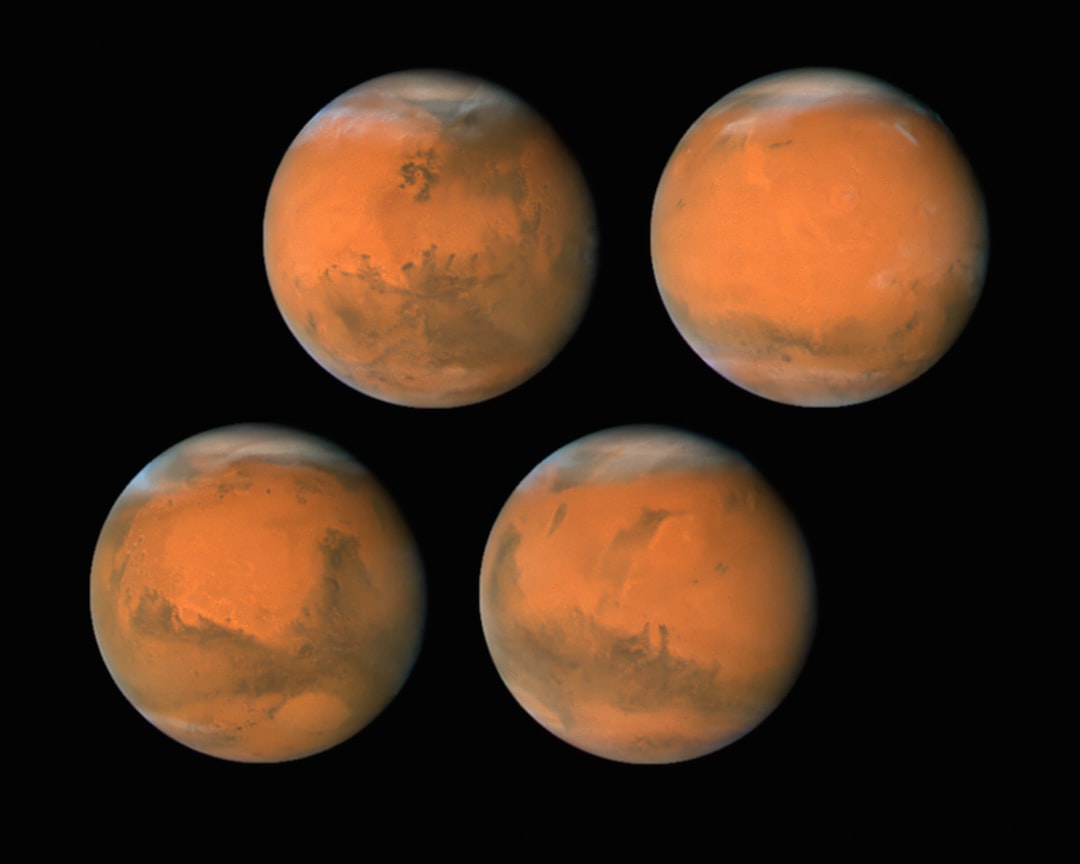
The crimson dust of Mars has long captivated the human imagination, igniting a persistent quest to answer one of humanity’s most profound questions: are we alone? For decades, scientists have embarked on ambitious missions, launching sophisticated spacecraft and rovers, all in pursuit of evidence for past or present life on the Red Planet. Yet, despite immense technological advancements and a wealth of data, definitive proof of extraterrestrial biology remains frustratingly elusive. This ongoing endeavor is fraught with a unique set of challenges and inherent limitations, shaping the very nature of our search and dictating the pace of discovery.
Mars presents an environment profoundly different from the nurturing conditions of Earth, posing significant hurdles for the sustenance and detection of life as we know it. The planet’s thin atmosphere, for instance, offers scant protection from the sun’s harmful ultraviolet and cosmic radiation. This bombardment can damage or destroy organic molecules, making it difficult for life to arise or persist on the surface. Furthermore, extreme temperature fluctuations, a lack of widespread liquid water, and a carbon dioxide-dominated atmosphere create a starkly alien landscape.
The Scarcity of Liquid Water: A Fundamental Bottleneck
The presence of liquid water is widely considered a prerequisite for life as we understand it. While evidence strongly suggests that Mars once harbored vast oceans and rivers, today liquid water is largely absent from the surface. The low atmospheric pressure causes water to rapidly evaporate or freeze, limiting its stable existence.
Subsurface Water Sources: A Glimmer of Hope and a Detection Dilemma
Scientists have identified potential reservoirs of subsurface ice and possibly briny water. Missions like the Mars Reconnaissance Orbiter using instruments like the Shallow Radar (SHARAD) have detected subsurface ice deposits, and some observations hint at the possibility of seasonal flows of briny water. However, accessing these potential life-sustaining aquatic environments presents a substantial engineering challenge. Drilling deep beneath the Martian surface requires complex and robust drilling equipment, and the risk of contaminating these pristine environments with Earth microbes is a significant concern that must be meticulously managed. Moreover, even if liquid water is present, its chemical composition and salinity might be too extreme for most known life forms.
The Perchlorate Challenge: A Double-Edged Sword
The discovery of perchlorates in Martian soil has presented a complex scenario. These salts can lower the freezing point of water, potentially allowing it to exist as a liquid even at very low temperatures. However, perchlorates can also be toxic to many terrestrial organisms. This presents a dilemma for astrobiologists: while perchlorates might facilitate liquid water, they could also inhibit or alter potential Martian life. Understanding the precise role and impact of perchlorates on any putative Martian biosphere is a critical area of ongoing research.
Radiation’s Relentless Assault: A Shielded Existence
The lack of a global magnetic field and a thick atmosphere means that the Martian surface is continuously bombarded by high-energy radiation. This radiation can break down complex organic molecules, the building blocks of life, rendering them undetectable or making it impossible for life to form in the first place.
Seeking Refuge Beneath the Surface: The Subsurface Biosphere Hypothesis
One of the leading hypotheses for where life might exist, or have existed, on Mars is in protected subsurface environments. Here, the regolith and rock formations could act as natural shields against radiation. This concept aligns with Earth-based extremophiles that thrive in similar harsh conditions deep within the Earth’s crust. However, directly investigating these subsurface niches requires advanced drilling and sampling technologies that are still under development, pushing the boundaries of current mission capabilities.
Paleontological Clues: Inferring Past Habitability from Ancient Rocks
Given the current surface radiation levels, the search for past life has become a significant focus. Scientists examine ancient Martian rocks and geological formations, looking for biosignatures—evidence of biological activity preserved in the geological record. This approach relies on the understanding that Mars was once more habitable, with a thicker atmosphere and liquid water. However, distinguishing between true biosignatures and abiotic chemical processes that can mimic biological signatures is a profound challenge.
Despite numerous missions and extensive research, the search for life on Mars has yet to yield definitive results. One insightful article that delves into this topic is titled “Why Haven’t We Found Life on Mars Yet?” which explores the various challenges scientists face in detecting signs of life on the Red Planet. Factors such as harsh environmental conditions, the planet’s thin atmosphere, and the limitations of current technology all contribute to the ongoing mystery. For more information, you can read the article here: Why Haven’t We Found Life on Mars Yet?.
The Nature of Life Itself: Defining the Search Parameters
Defining what exactly constitutes “life” is a fundamental philosophical and scientific challenge that directly impacts the search on Mars. Our current understanding of life is based solely on terrestrial examples, which may not encompass the full spectrum of biological possibilities. This anthropocentric bias can lead us to overlook potential biosignatures that don’t conform to our expectations.
The “Life as We Know It” Bias: A Constraining Paradigm
The prevailing strategy in astrobiology often focuses on searching for life “as we know it”—organisms with carbon-based chemistry, requiring liquid water, and utilizing specific metabolic pathways. This is a practical approach given our limited understanding, but it risks missing life that might have evolved along entirely different biochemical pathways or metabolic processes.
Alternative Biochemistries: The Uncharted Territory of Extraterrestrial Life
Scientists speculate about the possibility of life based on silicon instead of carbon, or utilizing different solvents than water. While these remain theoretical at present, the strict adherence to Earth-like life forms could blind us to truly alien biology. Exploring for such alternative biochemistries requires a radical shift in instrumentation and search strategies, moving beyond the detection of familiar organic molecules.
The Search for Biosignatures: Distinguishing the Biological from the Abiotic
A key aspect of the search is the identification of biosignatures. These are indicators that can point to the presence of past or present life. They can range from fossilized microorganisms to specific organic molecules, isotopic ratios, or mineral textures that are best explained by biological activity.
Organic Molecules: Building Blocks or Byproducts?
Detecting organic molecules on Mars is a significant achievement, but it doesn’t automatically confirm the presence of life. Organic molecules can be formed through abiotic processes, such as geological activity or delivery by meteorites. The challenge lies in identifying organic molecules that are complex, specific, and organized in a way that strongly suggests biological origin, rather than random chemical reactions. Instruments like the Sample Analysis at Mars (SAM) suite on Curiosity and the Habitable Environment Analysis Instrument (HEAL) on Perseverance are designed to detect and analyze organic compounds.
Isotopic Signatures: Delicate Clues in the Atomic Structure
Certain elements, like carbon and sulfur, exist in different isotopic forms (atoms with the same number of protons but different numbers of neutrons). Biological processes often preferentially utilize lighter isotopes, leading to distinct isotopic ratios in organic matter. Analyzing these ratios in Martian samples can provide a valuable clue, but again, abiotic processes can also influence isotopic compositions, requiring careful interpretation.
Morphological Evidence: Microfossils or Mineral Mimicry?
The discovery of microfossils, or structures that resemble fossilized microorganisms, would be a groundbreaking discovery. However, distinguishing between genuine microfossils and mineral formations that coincidentally take on similar shapes can be exceptionally difficult, especially with limited resolution and context. Early claims of microfossils in Martian meteorites have been met with skepticism and robust debate within the scientific community.
Technological Limitations: The Frontier of Exploration
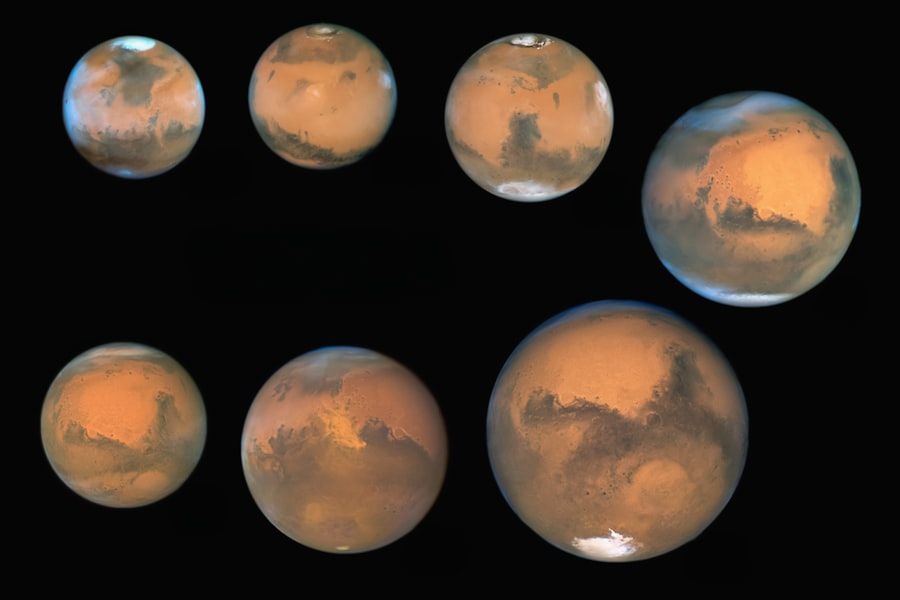
The vast distance to Mars and the extreme conditions on its surface impose significant constraints on the technology that can be deployed. Developing instruments capable of performing complex analyses at a distance, or surviving the harsh Martian environment, represents an ongoing engineering challenge.
The Cost and Complexity of Space Missions: A Balancing Act
Developing, launching, and operating missions to Mars is astronomically expensive and requires immense technological sophistication. Each mission represents a significant investment of resources and intellectual capital. This economic reality necessitates careful prioritization of scientific goals and mission objectives, often leading to compromises and the selection of the most feasible, rather than the most ambitious, research avenues.
Miniaturization and Robustness: Designing for the Extreme
Spacecraft and their instruments must be miniaturized to fit within payload constraints and be robust enough to withstand the violent launch, the rigors of interplanetary travel, and the harsh Martian conditions. This includes extreme temperature swings, dust storms, and gravitational forces. Designing instruments that can perform highly sensitive analyses under these conditions pushes the boundaries of materials science and engineering.
In-Situ Analysis vs. Sample Return: The Dilemma of Data Extraction
Currently, much of the analysis of Martian samples is performed in situ by rovers. While this allows for immediate data collection, the complexity of the instruments and the inherent limitations of remote operation restrict the depth and breadth of analysis. A key aspiration of Mars exploration is sample return, where Martian rocks and soil are brought back to Earth for analysis in highly sophisticated laboratories.
The Promise of Sample Return: Unlocking Unforeseen Discoveries
Bringing Martian samples back to Earth offers the potential for unparalleled analytical capabilities. Earth-based laboratories possess instruments with sensitivities and resolutions far beyond what can be engineered into a rover. This could allow for definitive identification of biosignatures, detailed geological studies, and the unlocking of scientific insights that are currently beyond our reach. However, sample return missions are exceptionally complex and expensive, involving multiple stages of mission planning, spacecraft design, and return trajectory calculations.
The Contamination Concern: Preserving the Pristine
A crucial ethical and scientific concern with sample return is the potential for forward contamination—introducing Earth microbes to Mars during sample collection—and backward contamination—bringing potentially hazardous Martian life (if it exists) back to Earth. Rigorous planetary protection protocols are paramount to mitigate these risks, requiring sterilized equipment and meticulous handling procedures.
Communication Delays: The Tyranny of Distance
The vast distance between Earth and Mars leads to significant communication delays, ranging from a few minutes to over 20 minutes one way. This delay profoundly impacts real-time operation of rovers, requiring a high degree of autonomy and pre-programmed decision-making.
Rover Autonomy: Navigating the Martian Landscape with Limited Guidance
To overcome communication delays, Mars rovers are equipped with sophisticated artificial intelligence and onboard decision-making capabilities. They can navigate terrain, identify potential hazards, and select scientific targets autonomously. However, this autonomy is not perfect, and complex troubleshooting or unexpected situations can be challenging to manage remotely, further slowing down the pace of scientific investigation.
Real-time Data Analysis: The Impossibility of Instant Gratification
The communication lag also means that scientists cannot receive data and make immediate decisions. This necessitates a patient and structured approach to mission operations, often involving the careful planning of scientific observations and the acceptance that immediate answers are not possible. The iterative nature of scientific discovery is amplified by these delays.
The Interpretation of Data: The Challenge of Ambiguity

Even when data is collected successfully, its interpretation can be fraught with ambiguity. The absence of definitive biosignatures and the potential for abiotic processes to mimic biological indicators mean that definitive conclusions are often elusive.
The “False Positive” Problem: Distinguishing Mimicry from Reality
Many potential biosignatures can be explained by non-biological geological or chemical processes. For example, certain mineral structures can resemble fossilized microbes, and organic molecules can be generated abiotically. Scientists must meticulously rule out all plausible abiotic explanations before even considering a biological origin for observed phenomena.
Abiotic Mimicry: The Ingenuity of Geology
Geological processes on Mars, shaped by water, wind, and volcanic activity, can create incredibly intricate patterns and chemical compositions. Understanding these processes in detail is crucial for astrobiologists to differentiate them from potential signs of life. This requires extensive research into Martian geology and geochemistry.
The Weight of Evidence: Building a Case Through Multiple Lines of Inquiry
Given the inherent ambiguity, building a strong case for the existence of life on Mars requires multiple, independent lines of evidence. No single detection is likely to be sufficient. Scientists look for corroborating evidence from different instruments and different observations, gradually building a compelling narrative that strongly points towards a biological origin.
The Absence of Evidence is Not the Evidence of Absence: The Persistent Hope
The fact that we haven’t yet found definitive proof of life does not mean it doesn’t exist. It simply implies that our current search methods and capabilities may not be sufficient to detect it, or that life exists in niches or forms we haven’t yet conceived of. The search continues with renewed vigor as technology advances and our understanding of life and planetary habitability expands.
The Statistical Probability of Life: A Universe of Possibilities
While the statistical probability of life arising spontaneously and independently on another planet remains a subject of debate, the sheer number of planets and moons in the universe suggests that the conditions for life may have arisen elsewhere. This fundamental belief drives the continued investment in astrobiological research.
Evolving Search Strategies: Adapting to New Discoveries
As new discoveries are made and our understanding of Mars evolves, search strategies must adapt. The focus may shift from searching for current surface life to exploring subsurface environments, or from looking for Earth-like life to developing methods for detecting more exotic forms of biology. This dynamic and iterative process is at the heart of scientific exploration.
Despite numerous missions to explore the Martian surface, scientists have yet to find definitive evidence of life on Mars. Various factors contribute to this ongoing mystery, including the planet’s harsh environmental conditions and the limitations of our current technology. For a deeper understanding of the challenges involved in this search, you can read a related article that discusses the complexities of Martian exploration and the reasons behind our inability to detect life. This insightful piece can be found here.
The Future of Martian Exploration: Advancing the Search
| Challenges | Reasons |
|---|---|
| Harsh Environment | Mars has a thin atmosphere, extreme temperatures, and high levels of radiation, making it difficult for life to survive. |
| Water Availability | While evidence of water exists on Mars, it is mostly in the form of ice and not readily accessible for life to thrive. |
| Surface Conditions | The surface of Mars is exposed to harsh UV radiation and oxidizing chemicals, which can be detrimental to potential life forms. |
| Search Methods | Current exploration missions have limitations in their ability to thoroughly search for life, and the search is ongoing. |
Despite the considerable challenges, the quest for life on Mars remains one of humanity’s most compelling scientific endeavors. Future missions are being planned with enhanced capabilities, aiming to overcome current limitations and push the boundaries of our exploration.
Next-Generation Missions: Focusing on Habitability and Biosignatures
Upcoming missions are likely to focus on in-depth characterization of previously identified potentially habitable environments, such as Jezero Crater. They will employ more sophisticated instruments for detecting complex organic molecules and subtle biosignatures.
Advanced Instrumentation: Spectrometers and Mass Spectrometers
Future rovers and orbiters will carry more advanced spectrometers capable of analyzing samples with greater precision, identifying a wider range of organic compounds, and detecting specific isotopic ratios. High-resolution imagers will also be crucial for identifying micro-scale structures that could be biosignatures.
Subsurface Exploration Technologies: Reaching Deeper
Developing technologies for deep subsurface drilling and exploration is a high priority. This could involve autonomous drilling robots or larger, more capable platforms designed to penetrate meters or even kilometers beneath the Martian surface, where conditions might be more favorable for life.
The Ultimate Goal: Sample Return and Definitive Discovery
The establishment of a robust sample return capability remains the ultimate goal for definitively answering the question of past or present life on Mars. Such missions, while immensely challenging, hold the promise of providing the conclusive evidence needed to either confirm or refute the existence of Martian life. The meticulous planning and international collaboration required for such endeavors underscore the profound importance of this scientific pursuit.
In conclusion, the search for life on Mars is a testament to human curiosity and our relentless drive to understand our place in the cosmos. The challenges are significant, stemming from the harsh Martian environment, the complexities of defining and detecting life, and the inherent limitations of our technology. However, with each mission, our understanding grows, our capabilities expand, and the dream of discovering life beyond Earth inches closer to becoming a tangible reality. The elusive nature of this search only amplifies its allure, ensuring that the crimson dust of Mars will continue to inspire exploration for generations to come.

The NASA Lander That Found Life on Mars… and Was Told to Forget It
FAQs
1. What are the main reasons why we haven’t found life on Mars yet?
There are several factors that contribute to the lack of evidence for life on Mars. These include the harsh surface conditions, such as extreme temperatures, high levels of radiation, and a thin atmosphere. Additionally, the search for life on Mars is still in its early stages, and our exploration efforts have been limited to specific regions of the planet.
2. What methods have been used to search for life on Mars?
Scientists have used a variety of methods to search for signs of life on Mars, including robotic rovers, orbiters, and landers. These missions have analyzed the Martian surface for organic compounds, examined the planet’s geology and chemistry, and searched for potential habitats for microbial life.
3. What are the challenges of detecting life on Mars?
One of the main challenges of detecting life on Mars is the need for more advanced technology and exploration methods. The harsh conditions on the planet make it difficult to access certain areas and obtain samples that could contain evidence of past or present life. Additionally, the search for life on Mars requires a thorough understanding of the planet’s history and potential habitats.
4. What are some potential signs of life that scientists are looking for on Mars?
Scientists are primarily searching for signs of microbial life on Mars, such as the presence of organic molecules, evidence of past water activity, and potential biosignatures in the Martian soil and rocks. These indicators could provide valuable insights into the planet’s potential for hosting life.
5. What are the future plans for exploring the possibility of life on Mars?
Future missions to Mars, such as the Mars Sample Return mission and the ExoMars rover, aim to further investigate the planet’s potential for hosting life. These missions will focus on collecting and analyzing samples from specific regions of Mars, as well as conducting more advanced experiments to search for signs of past or present life.