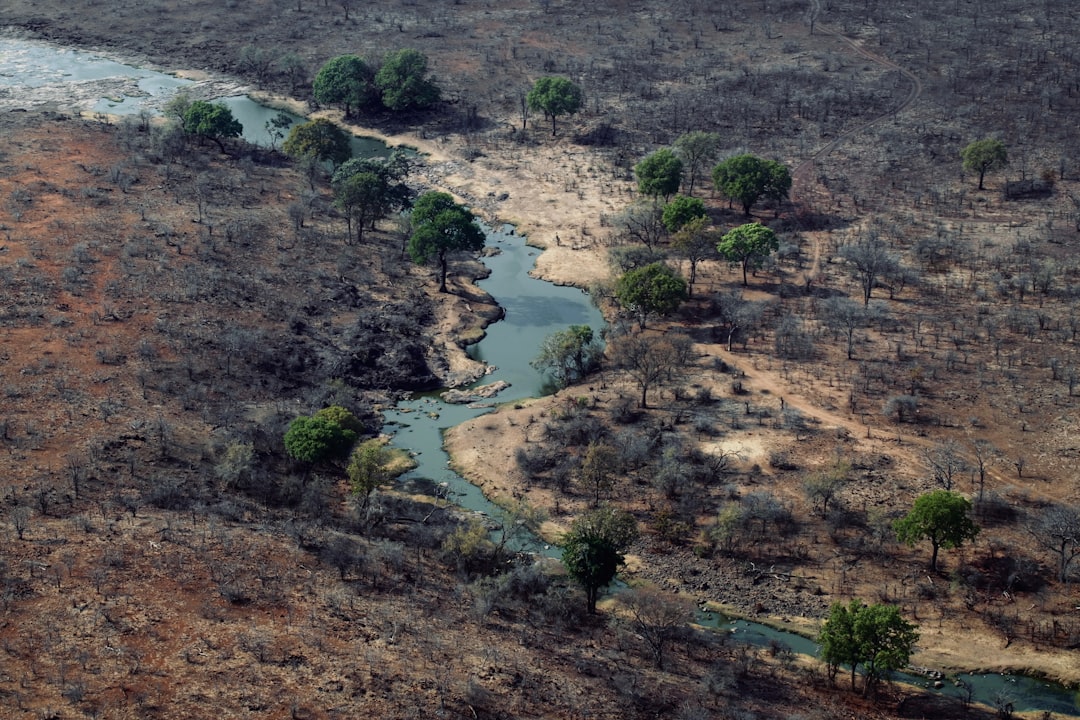
The erosion of natural phenomena, particularly those that have long captivated human imagination and signaled ecological health, carries significant and often underestimated consequences. The concept of a “halo,” in this context, refers not to the ethereal glow of saints, but to observable, often cyclical, manifestations of a healthy ecosystem – a vibrant indicator that the intricate machinery of nature is functioning as it should. When these halos begin to fade, it is not merely an aesthetic loss; it is a symptom of a deeper environmental malaise, a warning that the scaffolding supporting life is weakening. This article explores the ecological consequences of this gradual erasure, examining how the Diminishment of these vibrant indicators signals a cost borne by the natural world and, by extension, by humanity itself.
Many natural phenomena, when observed in their full glory, can be described as having a “halo” effect. This is not to say that these events possess an actual aura, but rather that their presence, their vibrancy and abundance, creates a powerful impression of health and thriving. The disappearance or significant reduction of these spectacles is a tangible indicator of ecological distress.
Bioluminescent Bays: A Dimming Luminescence
Bioluminescent bays, such as those found in Puerto Rico or Jamaica, are famed for their nightly celestial displays. Microscopic dinoflagellates, when disturbed, emit a brilliant blue-green light, transforming the water into a living galaxy. This spectacle is a direct function of the health of the marine ecosystem.
The Delicate Balance of Dinoflagellates
These planktonic organisms require specific conditions to flourish. They are sensitive to changes in water temperature, salinity, and nutrient levels. Excessive nutrient runoff from agricultural or urban sources can lead to algal blooms, which, while visually striking, can be detrimental. These blooms consume oxygen, creating hypoxic zones that are deadly to fish and other marine life, and can also outcompete the bioluminescent dinoflagellates.
Pollution’s Chilling Effect
Pollution, from plastic debris to chemical contaminants, directly harms these single-celled organisms, reducing their numbers and their ability to produce light. The steady influx of pollutants acts like a slow poison, gradually extinguishing the natural luminescence. Scientists have noted a significant decline in the intensity of bioluminescence in several well-known bays over recent decades, a stark visual testament to the invisible damage being done beneath the surface. The once-thriving, glowing waters are becoming dimmer, a signal that the light of the ecosystem is fading.
Migratory Bird Populations: The Silent Skies
The epic journeys of migratory birds, once a breathtaking spectacle of feathered waves filling the skies, are increasingly characterized by a quietude that is deeply unsettling. The sheer volume of birds that once traversed continents for breeding and wintering grounds has seen a dramatic decline, a phenomenon often referred to as the “silent skies syndrome.” This reduction is not just a loss of avian beauty; it represents a profound disruption in the ecological web.
Habitat Fragmentation: A Torn Tapestry
The breeding and staging grounds for these birds are vast and interconnected landscapes. Habitat fragmentation, driven by agricultural expansion, urbanization, and infrastructure development, breaks these vital ecological corridors into isolated patches. Birds that once found ample food and safe shelter along extensive flyways now face increasingly arduous journeys, encountering fewer resources and greater dangers. It is akin to a river being dammed and diverted, its once mighty flow reduced to trickles.
Agricultural Intensification: Pesticides and Monocultures
Modern agricultural practices, particularly the widespread use of pesticides and the prevalence of monocultures, have had a devastating impact. Pesticides directly kill insects, a primary food source for many birds, and can also accumulate in their tissues, leading to reproductive failure and mortality. Monocultures, vast fields of a single crop, offer limited dietary diversity and fewer nesting opportunities compared to more varied, natural landscapes. The vibrant tapestry of insect life that once sustained these avian travelers is being bleached into uniformity.
Climate Change: Disrupting Ancient Rhythms
Climate change further exacerbates these pressures. Shifting weather patterns can alter the timing of insect hatches and the availability of fruits and seeds, disrupting the delicate synchronicity between bird migration and food sources. Unpredictable storms can prove fatal during migration. The ancient biological clocks that have guided these journeys for millennia are now out of sync with a rapidly changing environment. The once predictable arrival and departure of vast avian flocks is becoming erratic, the rhythmic pulse of nature faltering.
The ecological consequences of halos erasure cost are critically examined in a related article that discusses the broader implications of technological advancements on our environment. This article highlights how the costs associated with erasing digital footprints can lead to unforeseen ecological impacts, emphasizing the need for sustainable practices in technology. For more insights, you can read the full article here: Ecological Consequences of Halos Erasure Cost.
The Cascading Impact: Unraveling the Ecological Web
The dimming of these natural halos is not an isolated event; it is a symptom of a broader ecological unraveling. The loss of any significant component of an ecosystem creates ripples that spread throughout the entire web of life, impacting other species and the services they provide.
Pollinator Declines: The Silent Workforce
Pollinators, such as bees, butterflies, and other insects, are essential for the reproduction of a vast array of plant species, including many of the crops humans rely on for food. Their decline, often marked by a diminishing presence in gardens and fields, is a significant ecological consequence.
Loss of Floral Diversity: A Barren Pantry
The reduction in flowering plants, driven by land-use changes and pesticide use, directly impacts pollinator populations. A lack of diverse and abundant floral resources means a less varied and less consistent food supply for these vital insects. It is like a pantry that is slowly being emptied, with fewer options available for sustenance.
Neonicotinoids: A Lethal Legacy
The widespread use of neonicotinoid pesticides has been identified as a major contributor to bee colony collapse disorder and the decline of other pollinators. These systemic pesticides are absorbed by the plant and then present in pollen and nectar, posing a chronic poisoning risk to insects that feed on them. The very substances intended to protect crops are, in effect, dismantling the natural machinery that underpins food production.
Fungal Diseases and Parasites: A Weakened Immune System
Pollinator populations are also increasingly vulnerable to a combination of diseases and parasites, such as the Varroa mite in honeybees. A compromised immune system, often weakened by poor nutrition due to habitat loss and pesticide exposure, makes them less resilient to these threats. Imagine a defender in a grand fortress, weakened by hunger and internal sickness, less able to withstand an invading force. The consequence is a reduction in the essential work of pollination, leading to decreased fruit and seed production, impacting both wild plants and agricultural yields.
Amphibian Disappearances: Barometers of Ecosystem Health
Amphibians, with their permeable skin and dual life cycles, are particularly sensitive to environmental changes. Their declining populations and the increasing rarity of vibrant frog croaks in wetlands are a clear indicator of a polluted and degraded environment. They act as an early warning system, a canary in the coal mine for broader ecological distress.
Water Quality Degradation: A Poisoned Well
The primary threat to amphibians is the degradation of water quality. Runoff from agricultural and urban areas introduces a cocktail of pollutants, including pesticides, herbicides, and industrial chemicals, into their aquatic habitats. These substances can cause developmental deformities, reproductive issues, and direct mortality. The pristine waters that once teemed with amphibian life are often transformed into a poisoned well.
Chytrid Fungus: A Silent Killer
The emergence and spread of the chytrid fungus (Batrachochytrium dendrobatidis) has decimated amphibian populations worldwide. This deadly pathogen affects the skin of amphibians, preventing them from breathing and absorbing water properly. While the exact origins and spread are complex, factors like climate change and human-mediated transport are believed to play a role. The once diverse chorus of amphibian sounds is being silenced by an unseen microscopic foe.
Habitat Loss and Fragmentation: Divided Homes
The destruction and fragmentation of wetlands, crucial breeding and foraging grounds for amphibians, further contribute to their decline. The loss of these interconnected habitats isolates populations, making them more vulnerable to local extinction events and hindering natural recolonization. This division of their homes leaves them exposed and unsupported. The loss of amphibians signals instability in freshwater ecosystems, impacting insect populations and the food webs that depend on them.
The Economic Repercussions: Beyond the Aesthetic Loss

While the loss of natural beauty is a profound cultural and spiritual impoverishment, the ecological consequences of erasing natural halos also carry significant economic repercussions. The services provided by healthy ecosystems, often taken for granted, are invaluable.
The ecological consequences of halos erasure cost are becoming increasingly significant as we strive to balance technological advancement with environmental sustainability. A related article that delves deeper into this topic can be found at My Cosmic Ventures, where the intricate relationship between digital practices and their impact on our planet is explored. Understanding these dynamics is crucial for developing strategies that minimize harm while fostering innovation.
Declining Fisheries: Empty Nets
Healthy marine and freshwater ecosystems are the foundation of global fisheries. The decline of fish stocks, directly linked to habitat degradation, pollution, and overfishing, has devastating economic consequences for coastal communities and the broader food industry. The once abundant “halos” of teeming fish beneath the waves are giving way to the silence of depleted waters.
Coral Reef Bleaching: The Collapse of Underwater Cities
Coral reefs, vibrant underwater “cities” biodiversity hotspots, are particularly vulnerable to rising ocean temperatures and acidification, both consequences of climate change. Bleaching events, where corals expel their symbiotic algae and turn white, are becoming more frequent and severe. These reefs are nurseries for many commercially important fish species. Their collapse leads to the disappearance of these fish, impacting artisanal and industrial fisheries alike.
Eutrophication and Dead Zones: Suffocating Life
The excessive influx of nutrients into aquatic systems, known as eutrophication, leads to algal blooms that deplete oxygen, creating “dead zones” where most marine life cannot survive. This directly impacts the fish populations that inhabit these areas, rendering formerly productive fishing grounds barren. The life-giving oxygen that once circulated freely is suffocated by an excess of unwanted nutrients.
Overfishing and Destructive Practices: Unsustainable Harvesting
While not directly linked to the “halo” concept in the same way as environmental degradation, unsustainable fishing practices, such as overfishing and destructive methods like bottom trawling, directly deplete fish populations. This exacerbates the decline and prevents the natural “halo” of abundance from returning. It is like burning the candle at both ends, accelerating the inevitable depletion. The economic ripple effect of declining fisheries extends to job losses, reduced food security, and the disruption of entire economies.
Agricultural Yields and Food Security: A Precarious Harvest
The decline of pollinators and the degradation of soil health, both indicators of stressed ecosystems, have direct implications for agricultural yields and global food security. This is a tangible economic cost that directly impacts human well-being. The vibrant “halos” of fertile fields and abundant harvests are threatened.
Soil Degradation: The Depletion of Earth’s Fertility
Intensive agricultural practices, including monoculture farming, excessive tilling, and the overuse of synthetic fertilizers and pesticides, can lead to soil degradation. This reduces soil fertility, its ability to retain water, and its capacity to support a diverse range of microbial life essential for nutrient cycling. Healthy soil, like a robust organism, can withstand challenges; degraded soil becomes brittle and depleted, a foundation of sand that crumbles under pressure.
Water Scarcity and Quality: A Thirsty Landscape
Pollution and unsustainable water management practices contribute to water scarcity, impacting irrigation and crop production. Degraded watersheds, often a consequence of deforestation and habitat destruction, are less able to regulate water flow and quality. The once reliable “halo” of abundant freshwater for agriculture is shrinking.
Invasive Species: Uninvited Guests
The disruption of natural ecosystems can create opportunities for invasive species to establish themselves, outcompeting native plants and crops. These invaders can reduce biodiversity and impact agricultural productivity, imposing further economic burdens for management and control. They are like unwelcome guests who overstay their welcome and consume the host’s resources. The economic cost of reduced agricultural output, the increased need for resource management, and the potential for food shortages are substantial, highlighting the tangible link between ecological health and economic prosperity.
The Human Element: A Mirror to Our Own Well-being
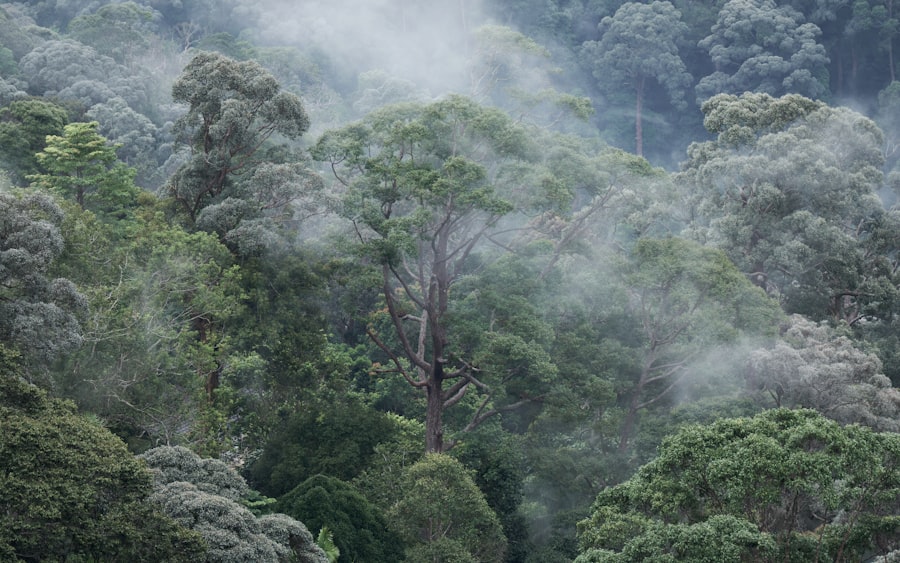
The fading of natural halos is not merely a loss for the natural world; it is also a profound reflection of humanity’s disconnection from and impact upon its environment. This disconnection carries psychological and societal consequences, impacting our own well-being.
Loss of Nature Connection: A Fading Sense of Wonder
For generations, humans have drawn inspiration, solace, and a sense of wonder from observing the vibrant displays of nature. The diminishing presence of these spectacles can lead to a lost connection with the natural world, a phenomenon sometimes referred to as “nature deficit disorder.” Children growing up in increasingly urbanized and degraded environments may have fewer opportunities to witness the vibrant “halos” that once captivated their ancestors.
The Psychological Impact of Environmental Degradation: A Growing Unease
The awareness of environmental decline and the loss of nature’s grandeur can contribute to feelings of anxiety, grief, and powerlessness, often termed “eco-anxiety” or “ecological grief.” This is a tangible psychological cost of living in an increasingly degraded world. The diminished “halo” around nature can cast a shadow over our own mental well-being.
The Erosion of Cultural Heritage: Losing Our Roots
Many cultural traditions, art forms, and spiritual practices are deeply intertwined with the natural world and its observable phenomena. The disappearance of these natural “halos” can lead to an erosion of cultural heritage and a weakening of the symbolic connections that bind us to our past and to each other. The stories and rituals woven around these spectacles begin to lose their anchor in tangible reality. Imagine a library whose most cherished volumes are slowly turning to dust.
The Imperative for Restoration: Rebuilding the Scaffolding
Recognizing the profound ecological and human costs associated with the erasure of natural halos underscores the urgent imperative for restoration efforts. This is not about sentimentality; it is about safeguarding the foundational elements of a healthy planet and, by extension, a healthy human society.
The Role of Conservation and Restoration Ecology: Mending the Torn Fabric
Conservation efforts aim to protect existing natural areas, while restoration ecology seeks to repair degraded ecosystems. These disciplines offer practical solutions for re-establishing the conditions necessary for natural processes to thrive, for the “halos” to re-emerge. This involves reintroducing native species, restoring habitats, and mitigating the impact of pollutants. It is an active process of mending the torn fabric of life.
Sustainable Practices and Policy: A Shift in Course
A fundamental shift towards sustainable practices across all sectors – agriculture, industry, and urban development – is crucial. This includes reducing pollution, transitioning to renewable energy sources, and promoting responsible land and resource management. Supportive government policies that prioritize environmental protection and incentivize sustainable behaviors are essential to create the conditions for nature’s recovery. This is about steering the ship towards a healthier horizon, away from the shoals of destruction.
Education and Awareness: Reawakening the Observer
Educating the public about the importance of biodiversity and the interconnectedness of ecosystems is vital. Raising awareness about the ecological consequences of diminishing nature’s vibrant displays can foster a greater sense of responsibility and inspire collective action. Reawakening the observer’s eye to the subtle – and not so subtle – cues of a healthy planet is a critical step towards its preservation. The goal is to help each individual understand that the fading glow of nature is, in essence, a reflection of a dimming future for all. The cost of erasing these natural halos is a price we are increasingly paying, a debt owed to the intricate, life-sustaining systems that underpin our very existence.
FAQs
What are ecological consequence halos?
Ecological consequence halos refer to the indirect and often widespread environmental effects that result from a specific ecological disturbance or change. These effects can extend beyond the immediate area of impact, influencing surrounding ecosystems and species.
What does “halos erasure cost” mean in an ecological context?
Halos erasure cost refers to the environmental and economic expenses associated with eliminating or mitigating the indirect ecological impacts (halos) caused by human activities or natural events. This cost includes efforts to restore ecosystems and prevent further damage.
Why is it important to consider ecological consequence halos in environmental management?
Considering ecological consequence halos is important because it helps identify the full scope of environmental impacts, including indirect effects that might be overlooked. This comprehensive understanding aids in creating more effective conservation strategies and sustainable development plans.
How can the erasure of ecological consequence halos affect biodiversity?
Erasing ecological consequence halos can lead to the loss of habitat connectivity and the disruption of ecological processes, which may reduce biodiversity. It can also hinder species migration, reproduction, and survival, ultimately affecting ecosystem resilience.
What methods are used to assess the cost of erasing ecological consequence halos?
Methods to assess the cost include ecological modeling, cost-benefit analysis, and environmental impact assessments. These approaches evaluate the extent of damage, restoration expenses, and long-term ecological and economic consequences of mitigating indirect environmental effects.