Space radiation presents a significant and persistent challenge to human exploration and the long-term viability of technological systems beyond Earth’s protective magnetosphere. While the concept of shielding against this pervasive threat is intuitive, achieving effective and practical protection proves to be a complex scientific and engineering problem. The failure of shielding, or more accurately, its limitations and inherent difficulties, stems from a confluence of factors related to the nature of space radiation itself, the physics of interaction, and the stringent constraints imposed by spaceflight.
Space radiation is not a monolithic entity but rather a complex spectrum of energetic particles originating from various sources, each with distinct properties and potential impacts. Understanding this diversity is the first step in appreciating why shielding is so challenging.
Galactic Cosmic Rays (GCRs): The Pervasive and Energetic Invaders
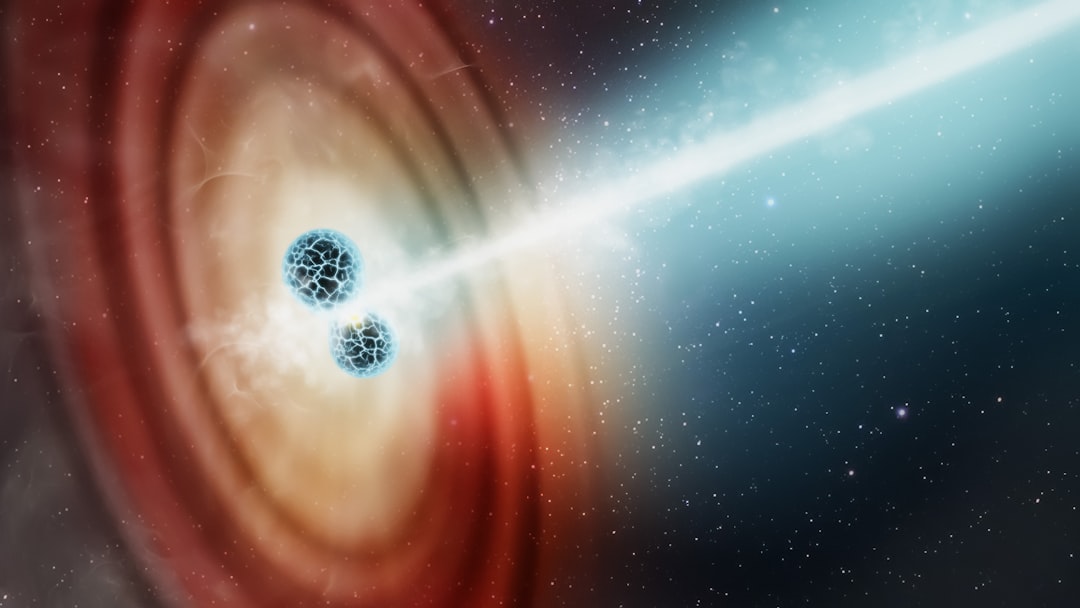
Galactic Cosmic Rays (GCRs) are high-energy particles, primarily atomic nuclei, that originate from outside our solar system. These particles, many of which are iron nuclei and other heavy ions, are accelerated to incredibly high energies by supernova remnants and other energetic astrophysical phenomena.
Extreme Energies and Penetrating Power
The defining characteristic of GCRs is their immense kinetic energy. They possess energies far exceeding those achievable by terrestrial particle accelerators. This high energy translates directly into extreme penetration power. Unlike lower-energy particles that can be stopped by relatively thin layers of matter, GCRs can traverse significant thicknesses of shielding material. This poses a fundamental dilemma for spacecraft designers: to effectively stop the most energetic GCRs would likely require prohibitively massive shielding, rendering missions impractical.
The Shielding Problem of Heavy Ions
While protons and alpha particles constitute a significant portion of GCRs, the presence of heavier ions, such as carbon, oxygen, and iron, introduces unique shielding challenges. When these heavy ions interact with matter, they produce a cascade of secondary particles. These secondary particles, including neutrons, protons, and lighter ions, can be more numerous and sometimes more biologically damaging per unit energy than the primary GCR particle itself. This phenomenon, known as the “spallation” process, means that a heavy ion, upon striking a shield, doesn’t simply disappear; it breaks apart, creating a shower of hazardous debris. Therefore, shielding against GCRs requires not only stopping the primary particles but also mitigating the impact of these secondary radiation fields.
Solar Particle Events (SPEs): The Episodic and Intense Bursts
Solar Particle Events (SPEs), also known as solar flares or coronal mass ejections (CMEs), represent another significant source of space radiation. These events are associated with explosive activity on the Sun’s surface, releasing vast quantities of energetic particles, predominantly protons.
Variability and Unpredictability of Solar Activity
The primary challenge with SPEs lies in their inherent variability and relative unpredictability. While solar activity follows an 11-year cycle, the timing, intensity, and duration of individual SPEs are difficult to forecast with sufficient accuracy to allow for routine proactive shielding measures. A spacecraft might spend months or years with only nominal solar particle exposure, only to be hit by an intense SPE that overwhelms its protective capabilities. This episodic nature means that shielding must be robust enough to handle extreme, albeit infrequent, events, or that some form of warning system and potential mitigation strategy is required.
Proton Dominance and its Shielding Implications
SPEs are characterized by a high flux of protons. While protons are less complex than the heavy ions found in GCRs, their sheer numbers during an SPE can deliver a substantial radiation dose. Shielding against protons can be more straightforward than against heavy ions in terms of secondary particle generation. However, the intensity of SPEs can be such that even relatively effective proton shielding can be quickly saturated, leading to high cumulative doses for astronauts.
The Impact of Secondary Radiation Generation
A critical aspect of space radiation shielding that often leads to perceived failure is the unavoidable generation of secondary radiation. When energetic primary particles, whether GCRs or SPE protons, strike shielding materials, they undergo nuclear reactions.
Spallation and Fragmentation: Creating More Problems
As mentioned earlier with GCRs, the interaction of high-energy ions with atomic nuclei in the shielding material leads to spallation. This process breaks the incident nucleus apart, producing a variety of lighter fragments, neutrons, and protons. Similarly, even protons from SPEs can induce nuclear reactions, though to a lesser extent and with different byproducts. The key issue is that these secondary particles can be equally, if not more, harmful than the original primary particles. Neutrons, in particular, are highly penetrating and can interact with biological tissue to produce ionization, contributing to the overall radiation dose.
The Neutron Problem: A Persistent Challenge
Neutrons are often cited as a major impediment to effective space radiation shielding. They are electrically neutral, meaning they do not interact directly with the electron clouds of atoms and therefore do not ionize matter in the same way that charged particles do. Instead, they interact primarily with atomic nuclei through nuclear forces. This means that neutrons can penetrate deeply into materials. When a neutron interacts with a nucleus, it can be absorbed, leading to the emission of gamma rays (a form of electromagnetic radiation), or it can scatter, transferring energy to the nucleus and potentially initiating a cascade of further nuclear reactions. The production of neutrons within shielding materials themselves, via spallation of heavier elements, is a significant concern. This means that simply adding more material might not always be the solution; the type of material becomes crucial in managing neutron flux.
Space radiation shielding is a critical aspect of ensuring the safety of astronauts during long-duration missions beyond Earth’s protective atmosphere. However, recent studies have highlighted the limitations of current shielding technologies, revealing that they often fail to provide adequate protection against high-energy cosmic rays and solar particle events. For a deeper understanding of the challenges associated with space radiation shielding, you can read the related article on this topic at My Cosmic Ventures. This article delves into the complexities of radiation exposure in space and explores innovative approaches to enhance shielding effectiveness.
Material Limitations: The Trade-offs of Mass and Effectiveness
The selection of shielding materials is a crucial aspect of radiation protection, but it is fraught with compromises. The ideal shielding material would be highly effective at stopping all forms of space radiation while being exceptionally lightweight and inexpensive. Reality, however, dictates a series of trade-offs.
The Mass Penalty: A Fundamental Constraint of Spaceflight
The most significant practical limitation to effective space radiation shielding is mass. Every kilogram launched into space incurs substantial costs in terms of fuel, launch vehicle capacity, and mission complexity. Therefore, any shielding solution must be evaluated against its mass penalty. Thicker or denser materials generally offer better shielding, but they also contribute significantly to the spacecraft’s overall mass.
The Rocket Equation: The Exponential Cost of Mass
The Tsiolkovsky rocket equation reveals the exponential relationship between the delta-v (change in velocity) required for a mission and the propellant mass needed. This means that the more mass a spacecraft carries, the exponentially more fuel is required to achieve the same change in velocity. This fundamental principle of rocketry makes adding significant mass for shielding a primary constraint for mission planners. A substantial shield might protect well against radiation, but if it makes the mission economically or logistically unfeasible, it is not a viable solution.
Structural Integrity vs. Radiation Protection
The materials used for spacecraft construction also play a role in radiation shielding. While materials like aluminum alloys are strong and lightweight, they are not ideal radiation shields. Embedding radiation protection into the primary structural components of a spacecraft would require different material choices, potentially sacrificing some structural redundancy or introducing new manufacturing challenges. Conversely, adding dedicated shielding layers increases the overall structural load and complexity.
Material Properties: Not All Atoms Are Equal
The atomic composition of shielding materials profoundly influences their interaction with radiation. Different elements and molecular structures absorb and attenuate different types of radiation with varying degrees of effectiveness.
Hydrogen-Rich Materials: The Promise and the Pitfalls
Materials rich in hydrogen, such as water, polyethylene, and certain plastics, are considered highly effective radiation shields, particularly against GCRs and neutrons. This is because hydrogen nuclei (protons) are relatively light and efficient at interacting with and slowing down energetic charged particles. Furthermore, hydrogen has a low atomic number (Z), which means that when GCRs interact with hydrogen atoms, they produce fewer harmful secondary particles compared to heavier elements. However, while promising, these materials are not without their drawbacks. Some hydrogen-rich materials can be flammable, degrade in the harsh space environment (e.g., UV radiation, atomic oxygen), or have limited structural integrity. Water, for instance, is an excellent shield but needs to be contained and managed, and its usage might be limited by supply or thermal control considerations.
The Limitations of Traditional Materials
Metals like aluminum, commonly used in spacecraft construction, are relatively poor radiation shields compared to hydrogen-rich materials. While they offer structural strength, their higher atomic number leads to a greater propensity for producing secondary radiation when struck by high-energy particles. This means that thicker layers of aluminum would be required to achieve the same level of shielding as a thinner layer of polyethylene, further exacerbating the mass penalty.
Biological Defenses: The Limits of Human Adaptation
Even with the most advanced shielding technologies, space radiation poses a direct existential threat to human physiology. The human body, while remarkably resilient, has natural repair mechanisms that can be overwhelmed by the cumulative effects of sustained radiation exposure.
The Cumulative Dose Problem: Long-Term Effects
The insidious nature of GCRs means that astronauts are constantly exposed to a low but persistent flux of damaging particles. Over extended missions, such as those to Mars, the cumulative radiation dose received can become substantial. This chronic exposure can lead to an increased risk of various health issues.
Increased Cancer Risk: A Primary Concern
One of the most significant long-term health risks associated with space radiation is an elevated risk of developing various types of cancer. Ionizing radiation damages DNA, and if these damages are not perfectly repaired, they can lead to mutations that, over time, can result in cancerous cell growth. The precise dose-response relationship for space radiation-induced cancers in humans is still being refined, but estimates suggest a significant increase in risk for long-duration missions.
Cognitive Impairment and Central Nervous System Effects
Emerging research suggests that prolonged exposure to space radiation, particularly GCRs, can have detrimental effects on the central nervous system and cognitive function. Studies in animal models have demonstrated that high doses of GCRs can lead to behavioral changes, impaired learning and memory, and damage to neurons. The long-term implications for human astronauts on extended missions are a significant concern and a major driver for improved shielding.
The Limits of Radiation Resistance: When Repair Mechanisms Fail
The human body possesses remarkable DNA repair mechanisms. However, these mechanisms are not infallible, and their capacity can be overwhelmed by the sheer number and type of DNA lesions induced by space radiation.
The Challenge of Heavy Ion Damage
The complex and dense ionization trails left by heavy ions in GCRs can cause multiple, clustered DNA double-strand breaks. These types of damage are particularly challenging for cellular repair machinery to fix accurately. Inaccurate repairs or unrepaired lesions can lead to mutations and genomic instability, contributing to the long-term health risks.
The Speed of Damage Accumulation
The rate at which radiation damage accumulates, especially during SPEs, can outpace the body’s ability to repair it. While shielding can reduce the initial dose, the possibility of rapid, high-dose exposure during a solar event means that even a well-shielded astronaut could receive a significant dose. This highlights the need for a multi-faceted approach, including not only shielding but also potentially medical countermeasures or operational strategies to seek shelter during such events.
Engineering and Operational Challenges: Beyond the Physics
Even if the fundamental physics of radiation interaction and material properties were fully optimized, the practical implementation of effective shielding in a space environment presents immense engineering and operational hurdles.
Integrating Shielding into Vehicle Design: A System-Level Problem
Radiation shielding cannot be treated as an isolated component. It must be seamlessly integrated into the overall design of a spacecraft or habitat. This involves complex trade-offs with other critical systems.
Power, Thermal Control, and Life Support
Adding shielding can impact power requirements (e.g., for active shielding systems, if developed), thermal control (e.g., heat generated by radiation absorption), and even life support systems. For example, a heavily shielded habitat might have reduced windows or require complex airflow management to maintain a habitable environment. The interconnectivity of these systems means that a change in one area can have ripple effects throughout the entire mission design.
The “Manned” vs. “Unmanned” Distinction
Missions carrying astronauts have far more stringent radiation protection requirements than robotic missions. While sensitive scientific instruments can be hardened against radiation or replaced, human lives are paramount. This necessitates more robust, and therefore heavier, shielding solutions for crewed missions, amplifying the mass penalty challenge.
The Problem of “Hot Spots” and Inhomogeneity
Perfectly uniform shielding is often impossible to achieve in practical spacecraft designs. There are inevitably areas that are less shielded than others, creating “hot spots” where radiation levels are higher. These can arise from the modular nature of spacecraft construction, the placement of equipment, or the necessity of openings for hatches, windows, or instrument ports.
Operational Constraints and Maneuvering
While a well-shielded habitat might offer good protection when stationary, astronauts need to move around within the spacecraft and potentially operate equipment outside of the most protected areas. This introduces challenges in providing continuous protection during all operational activities.
Maintaining Shielding Integrity Over Time
The harsh environment of space can degrade shielding materials over time. Dust particles, micrometeoroids, and energetic particles themselves can erode, ablate, or chemically alter shielding surfaces, potentially reducing their effectiveness. Maintaining the integrity of shielding over multi-year deep-space missions is an ongoing engineering challenge.
Space radiation poses significant challenges for long-duration missions beyond Earth’s protective atmosphere, and understanding why current shielding methods often fail is crucial for future exploration. A related article discusses the limitations of existing materials and the innovative approaches being explored to enhance protection against cosmic rays. For more insights on this topic, you can read the full article here. This ongoing research is vital as we aim to ensure the safety of astronauts venturing into deep space.
Future Directions and Emerging Solutions: The Quest for Better Protection
| Reason | Description |
|---|---|
| Particle Penetration | High-energy particles can penetrate shielding materials, leading to radiation exposure. |
| Material Degradation | Shielding materials can degrade over time due to radiation exposure, reducing their effectiveness. |
| Weight and Cost Constraints | Design constraints may limit the amount of shielding that can be used, compromising protection. |
| Secondary Radiation | Shielding materials can produce secondary radiation when interacting with space radiation, increasing overall exposure. |
Despite the significant challenges, research and development continue to explore new approaches to space radiation shielding. While complete failure is not an accurate descriptor, the ongoing effort is aimed at mitigating the limitations of current solutions.
Advanced Materials and Composites
The quest for lighter, more effective shielding materials is a constant pursuit. Researchers are exploring novel composites, advanced polymers, and even metamaterials designed to interact with radiation in more advantageous ways, potentially with reduced secondary particle generation.
Nanomaterials and Their Potential
The use of nanomaterials is being investigated for their unique interaction properties. These materials can be engineered at the atomic and molecular level to enhance radiation absorption or scattering. However, their long-term stability and potential toxicity in the space environment also need careful consideration.
Active Shielding Concepts: The Idea of Electromagnetism
Active shielding, which utilizes electric or magnetic fields to deflect charged particles, offers a theoretical alternative to passive mass-based shielding. This approach could, in principle, be significantly lighter.
The Energy Demands and Complexity
However, generating and maintaining the powerful magnetic fields required to deflect GCRs would likely demand substantial power resources, which are always at a premium on spacecraft. Furthermore, such systems are complex, susceptible to failure, and would not be effective against uncharged particles like neutrons.
Operational Strategies and Sheltering
Beyond physical shielding, operational strategies are crucial. For SPEs, identifying and utilizing areas of a spacecraft that offer enhanced protection (e.g., around water storage tanks or crew quarters) can significantly reduce dose. Development of advanced solar activity monitoring and prediction systems is also key to providing adequate warning for astronauts to seek shelter.
Storm Shelters and Redundant Protection
Future spacecraft and planetary habitats may incorporate dedicated “storm shelters” or heavily shielded areas where crews can retreat during intense SPEs, providing a temporary but crucial layer of protection. Redundant shielding in key areas also contributes to overall mission safety.
In conclusion, space radiation shielding is not a field where current technologies demonstrably “fail,” but rather one where existing solutions grapple with fundamental physics, material science limitations, and the unforgiving economics of spaceflight. The pursuit of effective and practical shielding is an ongoing endeavor, characterized by continuous innovation and a nuanced understanding of the multifaceted challenges involved in sending humanity beyond the protective embrace of Earth.
FAQs
What is space radiation shielding?
Space radiation shielding refers to the materials and techniques used to protect astronauts and spacecraft from the harmful effects of radiation in space, such as from solar flares and cosmic rays.
Why does space radiation shielding fail?
Space radiation shielding can fail due to a variety of factors, including inadequate thickness or density of shielding materials, gaps or weak points in the shielding, and the inability to fully protect against high-energy particles.
What are the risks of space radiation exposure?
Exposure to space radiation can increase the risk of cancer, damage to the central nervous system, and other health issues for astronauts. It can also pose a threat to electronic equipment and spacecraft systems.
What are some challenges in developing effective space radiation shielding?
Challenges in developing effective space radiation shielding include the need for lightweight materials, the ability to withstand long-duration space missions, and the cost and complexity of implementing effective shielding solutions.
What are some potential solutions to improve space radiation shielding?
Potential solutions to improve space radiation shielding include the development of advanced materials with higher shielding capabilities, the use of magnetic fields to deflect charged particles, and the exploration of underground or built-in shielding options for spacecraft.