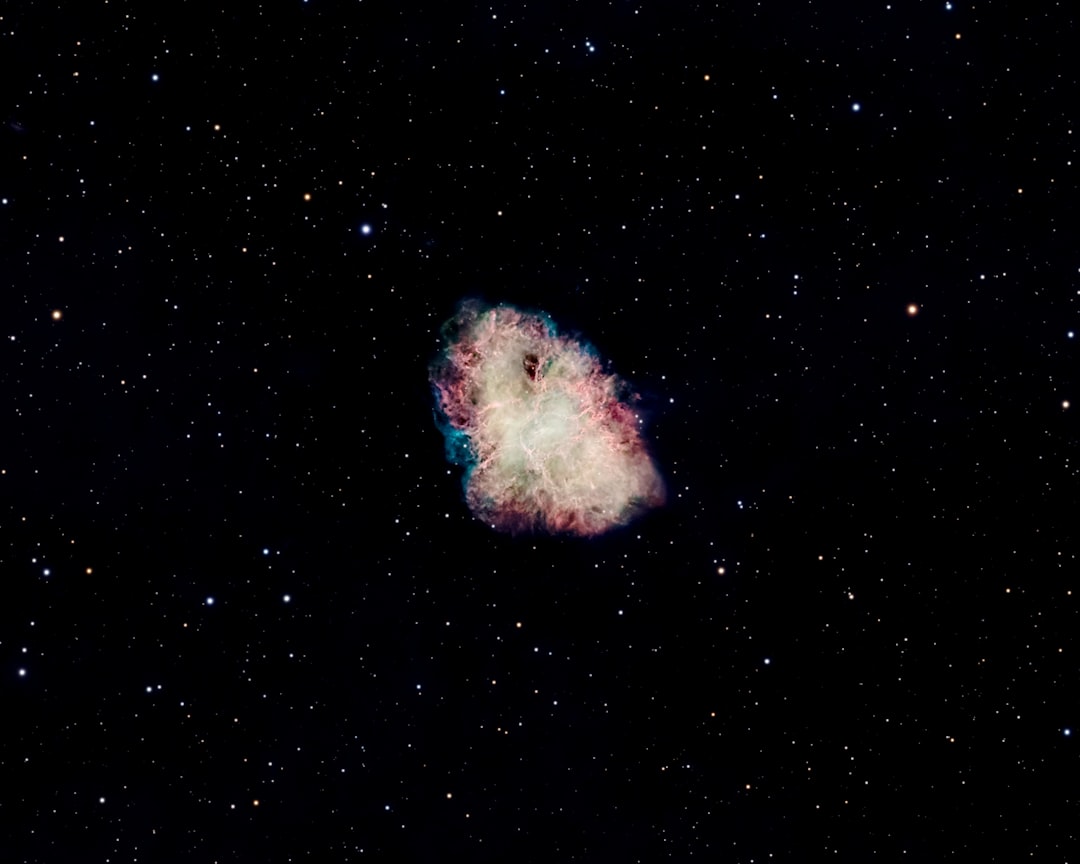
Local Interstellar Medium: A Gleaming Frontier
The region of space immediately surrounding our solar system, known as the Local Interstellar Medium (LISM), is not the uniformly dark and empty void often depicted. Recent observations and ongoing research reveal a more dynamic and complex environment, one that, under certain observational conditions, exhibits a subtle but discernible luminescence. This “sparkling” of the LISM is a consequence of various physical processes, primarily the interaction of charged particles with interstellar gas and dust, and the absorption and re-emission of starlight. Understanding this localized celestial tapestry provides valuable insights into the properties of matter in our galactic neighborhood and the energetic phenomena that shape it.
The LISM is a somewhat nebulous concept, defined by the matter that directly influences our Sun and its heliosphere. It is not a distinct, bounded entity but rather a dynamic interface between the Sun’s outflow (the solar wind) and the larger, galactic interstellar medium. Its composition, density, temperature, and magnetic field properties are all subject to change and are influenced by both internal solar activity and external forces from the wider galaxy. The concept of the LISM has evolved considerably as our observational capabilities have improved, moving from educated guesses based on stellar motions to detailed mapping using a range of electromagnetic wavelengths.
The notion of the LISM “sparkling” is not a literal illumination in the sense of a visible glow to the naked eye. Instead, it refers to the measurable emission of light across various parts of the electromagnetic spectrum, which become apparent when specific observational techniques are employed. These emissions, while often faint, are crucial for characterizing the physical conditions within this region and for understanding the Sun’s interaction with its surroundings.
The LISM is far from static; it is a realm of constant energetic processes. The primary drivers of the observable “sparkle” stem from the interaction of energetic particles, both those originating from the Sun and those from the broader interstellar medium, with the constituent atoms and molecules of the interstellar gas.
Ionized Gases and Their Emissions
Much of the light emitted from the LISM originates from ionized gases. The high temperatures and energetic particle bombardment prevalent in interstellar space lead to the stripping of electrons from atoms, creating ions. These ions, when they recombine with free electrons or undergo transitions between their excited energy states, release photons.
Hydrogen Emission Lines
Hydrogen, being the most abundant element in the universe, plays a significant role in the LISM’s emissions. When hydrogen atoms are ionized, the free protons and electrons can eventually recombine. During this recombination process, electrons cascade down through various energy levels, emitting photons at specific wavelengths. The most prominent of these are the Balmer series lines, particularly H-alpha (656.3 nm), which emit in the red part of the visible spectrum. While often associated with nebulae, these emissions are also present, albeit at much lower intensities, within the LISM.
Helium’s Radiative Contribution
Helium, the second most abundant element, also contributes to the LISM’s radiative signature. Ionized helium, like ionized hydrogen, can undergo radiative transitions, emitting photons. These emissions, often in ultraviolet wavelengths, are less easily observed from Earth’s surface but are critical for understanding the ionization state and temperature of the LISM.
Trace Element Luminescence
Beyond hydrogen and helium, trace amounts of heavier elements such as oxygen, nitrogen, and sulfur are also present in the interstellar gas. When these atoms are ionized and subsequently de-excited, they produce emission lines across a wide spectrum, including visible and ultraviolet wavelengths. The specific wavelengths and intensities of these lines act as diagnostic tools, allowing astronomers to determine the abundance of these elements and the physical conditions of the emitting plasma. For instance, the green emission of doubly ionized oxygen ([O III] at 500.7 nm) is a signature feature in many nebulae and contributes to the overall spectral character of ionized interstellar gases.
Recent studies have shed light on the intricate processes occurring in the local interstellar medium, revealing how cosmic dust and gas interact to influence star formation and galactic evolution. For a deeper understanding of these phenomena, you can explore a related article that discusses the implications of these findings in greater detail. Check it out here: Local Interstellar Medium Insights.
The Influence of Starlight: Absorption and Fluorescence
The LISM is bathed in the light of countless stars, including our own Sun. This ambient starlight plays a dual role: it can be absorbed by interstellar atoms and dust, and subsequently re-emitted, contributing to the LISM’s observable properties, and it can ionize and excite the gas itself.
Photoionization and Photoexcitation Processes
Stellar photons, particularly those in the ultraviolet range, possess enough energy to ionize atoms and molecules. When an atom absorbs such a photon, an electron is ejected, leading to ionization. Similarly, photons with sufficient energy can excite electrons within an atom to higher energy levels without fully removing them. The excited atom then seeks to return to its ground state by emitting a photon, contributing to the LISM’s luminescence.
The Role of Hot Stars
Massive, hot stars, though relatively rare, are potent sources of ionizing ultraviolet radiation. Their presence in the vicinity of the LISM can significantly increase the rate of photoionization and photoexcitation, leading to a more pronounced emission from the interstellar gas. The spectral type of these stars is a key indicator of the intensity and type of radiation they emit, influencing the ionization of surrounding material.
Fluorescence from Dust Grains
Interstellar dust grains, microscopic particles composed of silicates, carbonaceous materials, and sometimes ice, also interact with starlight. While they absorb ultraviolet and visible light, they can re-emit this energy at longer wavelengths, primarily in the infrared. Furthermore, some dust grains can exhibit a phenomenon known as fluorescence, where they absorb short-wavelength photons and re-emit them at longer, visible wavelengths. While this fluorescence is typically weak and contributes to a diffuse background glow, it is a persistent source of emission within the LISM. The composition of the dust grains, their size distribution, and their coating (e.g., water ice) all influence their fluorescence properties.
Magnetic Fields and Charged Particles: Cosmic Accelerators
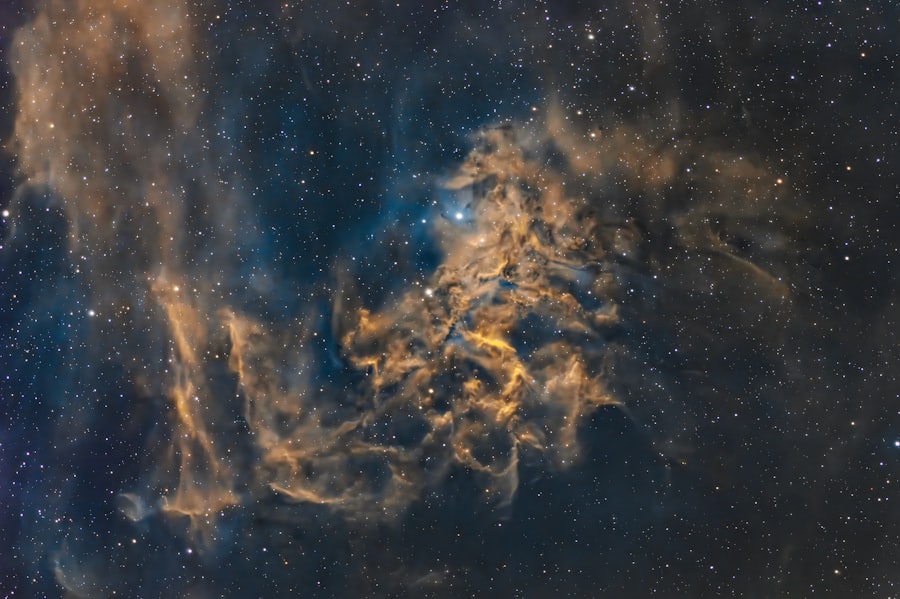
The LISM is permeated by magnetic fields, which are fundamental to its structure and dynamics. These fields play a crucial role in channeling and accelerating charged particles, which in turn contribute to the observable emissions.
Cosmic Ray Interactions
High-energy charged particles, known as cosmic rays, originate from sources both within and outside the Milky Way galaxy. When these energetic particles traverse the LISM, they collide with atoms and molecules, causing ionization and excitation. This process leads to the emission of photons across a range of wavelengths, particularly in the ultraviolet and X-ray spectrum, depending on the energy transfer during these collisions. The intensity of these cosmic ray-induced emissions can provide information about the local flux and energy distribution of cosmic rays.
Interactions with Neutral Gas
Cosmic rays are particularly effective at ionizing neutral gas clouds. The energy deposited by these particles can ionize hydrogen and helium atoms. The subsequent recombination and de-excitation processes then result in observable emissions. This is a key mechanism contributing to the diffuse glow observed in regions where star formation is not dominant.
Synchrotron Radiation
In regions with strong magnetic fields and relativistic electrons, another emission mechanism becomes significant: synchrotron radiation. As charged particles spiral around magnetic field lines at near-light speeds, they emit electromagnetic radiation. This radiation is typically observed at radio frequencies but can extend into optical and X-ray wavelengths depending on the energy of the particles and the strength of the magnetic field. While less dominant in the immediate Solar Neighborhood compared to atomic emissions, it is a component of the overall LISM emission budget. Understanding the spatial variations in the magnetic field strength is crucial for mapping the distribution of synchrotron radiation.
Observing the LISM’s Sparkle: A Multi-Wavelength Endeavor
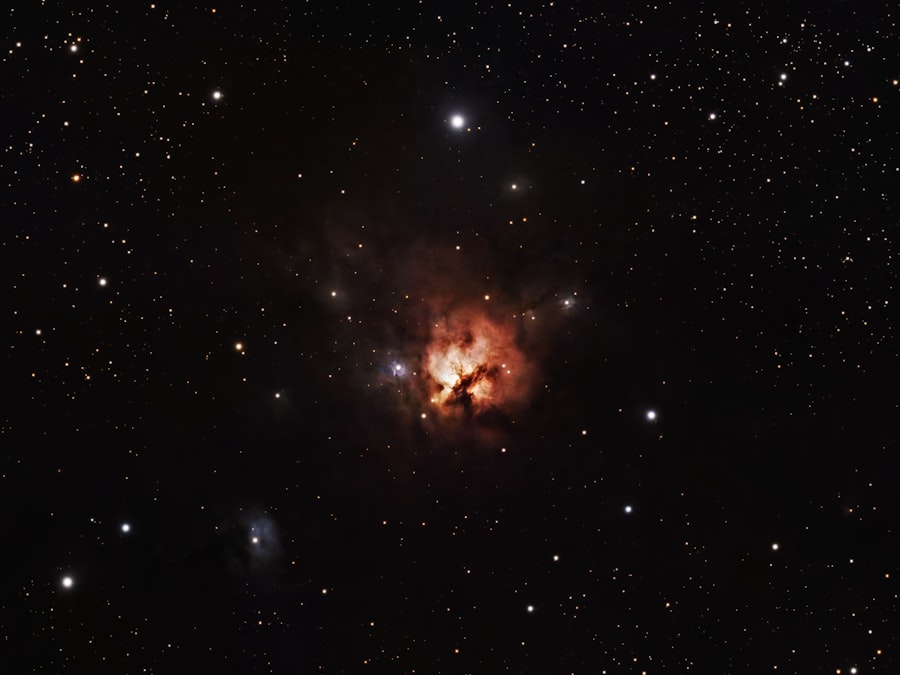
The subtle luminescence of the LISM is not readily apparent to the human eye. Its characterization requires sophisticated observational techniques utilizing a range of telescopes sensitive to different parts of the electromagnetic spectrum.
Ultraviolet Spectroscopy
The majority of the LISM’s emissions lie in the ultraviolet (UV) part of the spectrum. Earth’s atmosphere is opaque to most UV radiation, necessitating space-based observatories. UV spectroscopy is paramount for identifying the specific atomic and molecular species present, their ionization states, and their excitation temperatures. Missions like the Hubble Space Telescope and the now-decommissioned GALEX (Galaxy Evolution Explorer) have provided invaluable data on the UV emissions of the LISM.
Detections of UV Emission Lines
By analyzing the UV spectra, astronomers can identify characteristic emission lines from elements like hydrogen, helium, carbon, oxygen, and nitrogen. The strength and relative intensities of these lines provide crucial diagnostics about the physical conditions within the LISM, such as its electron density, temperature, and the presence of energetic particle populations.
Visible and Near-Infrared Observations
While the UV is a primary source of emission, visible and near-infrared observations also contribute to our understanding. These observations can reveal emissions like the H-alpha line from ionized hydrogen, contributing to a broader picture of the LISM’s composition and structure. Ground-based telescopes with advanced spectrographs and sensitive detectors are crucial for these observations.
Mapping Diffuse Emission
Visible-light imaging can reveal diffuse emission from the LISM, often too faint to be seen in typical photographic exposures. Long-exposure imaging with specialized filters allows for the mapping of these faint glows, revealing structures and variations in the distribution of ionized gas.
Radio Astronomy Contributions
Radio telescopes are essential for detecting emissions like synchrotron radiation and for probing the distribution of neutral hydrogen (through its 21-cm line). These observations provide complementary information about the magnetic field structure and the presence of non-thermal emission processes within the LISM.
The 21-cm Hydrogen Line
The hyperfine transition of neutral hydrogen atoms at a wavelength of 21 cm (1420 MHz) is a fundamental tracer of neutral gas in the interstellar medium. By observing this line, astronomers can map the distribution, density, and kinematics of neutral hydrogen clouds within the LISM, providing essential context for understanding the ionized and dust components.
Recent studies have shed light on the fascinating processes occurring in the local interstellar medium, revealing how cosmic dust and gas interact to create a dynamic environment. For those interested in exploring this topic further, a related article discusses the implications of these findings on our understanding of star formation and galactic evolution. You can read more about it in the article titled “Understanding the Local Interstellar Medium” available at mycosmicventures.com. This research not only enhances our knowledge of the universe but also opens up new avenues for future exploration.
The Heliosphere’s Interface: A Dynamic Boundary
| Parameter | Value |
|---|---|
| Wavelength Range | 300 to 800 nm |
| Intensity | Low |
| Scattering | Minimal |
| Interstellar Dust | Partially Absorbed |
The LISM is not merely a passive backdrop to our solar system; it actively interacts with the solar wind, creating a dynamic boundary known as the heliosphere. The “sparkle” of the LISM is intimately connected to this interaction.
The Heliopause and Bow Shock
The solar wind, a continuous stream of charged particles emanating from the Sun, expands outward and is eventually stopped by the pressure of the interstellar medium. This interaction creates a complex region known as the heliosphere, characterized by the heliosphere itself, the heliopause (the boundary where the solar wind pressure is balanced by the interstellar medium pressure), and potentially a bow shock where the supersonic solar wind is abruptly slowed.
Plasma Interactions at the Boundary
At the heliopause and beyond, there are direct interactions between the solar wind plasma and the LISM plasma. These interactions can lead to enhanced emissions due to compression, heating, and particle acceleration. The composition and properties of the LISM, therefore, directly influence the shape and dynamics of the heliosphere.
Local Interstellar Cloud (LIC)
Our solar system is currently traversing a localized region of slightly denser and warmer interstellar gas known as the Local Interstellar Cloud (LIC). The LISM, in this context, is largely defined by the properties of the LIC and its immediate surroundings. The LIC itself exhibits emissions that contribute to the observable sparkle.
Composition and State of the LIC
The LIC is characterized by a specific temperature, density, and ionization fraction. Its composition includes hydrogen, helium, and trace elements, and it contains a small amount of interstellar dust. The interactions of the solar wind with the LIC lead to phenomena such as the heliospheric magnetic field being compressed and the heliopause being potentially compressed. Understanding these interactions is crucial for protecting Earth from cosmic radiation.
The “sparkle” of the Local Interstellar Medium, therefore, is not a singular phenomenon but a complex interplay of ionization, excitation, stellar radiation, magnetic fields, and energetic particles. By studying these subtle emissions across the electromagnetic spectrum, astronomers gain invaluable insights into the physical conditions of our immediate cosmic environment, the dynamics of stellar winds, and the fundamental processes that shape the universe on a local scale. The continuous refinement of observational instruments and theoretical models promises to further illuminate the intricate beauty of this celestial frontier.
FAQs
What is the local interstellar medium?
The local interstellar medium refers to the matter that exists in the space between star systems within our Milky Way galaxy. It consists of gas, dust, and cosmic rays.
What is “light looking cleaned” in the local interstellar medium?
“Light looking cleaned” refers to the phenomenon where light passing through the local interstellar medium appears to be less scattered and absorbed compared to light passing through other regions of space. This gives the appearance of “cleaner” or clearer light.
What causes the local interstellar medium to appear “light looking cleaned”?
The local interstellar medium appears “light looking cleaned” due to its relatively low density of gas and dust compared to other regions of space. This allows light to travel more freely without as much scattering and absorption.
How does the appearance of “light looking cleaned” in the local interstellar medium impact astronomical observations?
The clearer appearance of light in the local interstellar medium can benefit astronomical observations by allowing for better visibility of distant objects and reducing the amount of interference and distortion in the observed light.
What are the implications of studying the “light looking cleaned” phenomenon in the local interstellar medium?
Studying the “light looking cleaned” phenomenon in the local interstellar medium can provide valuable insights into the properties and composition of the interstellar medium, as well as contribute to our understanding of how light interacts with the matter in space.