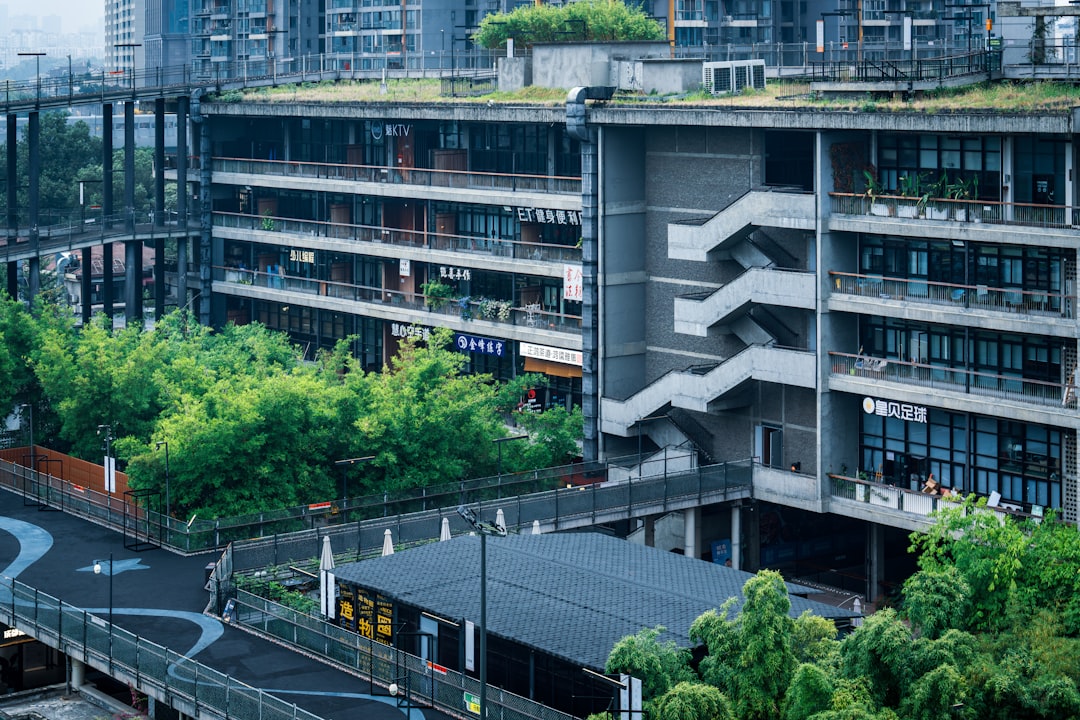
The concept of self-sustaining corridor void expansion, sometimes referred to as biological corridor regeneration or ecological network reinforcement, presents a novel approach to addressing habitat fragmentation and promoting biodiversity conservation. This methodology seeks to leverage natural processes and engineered interventions to create and expand networks of ecological corridors, aiming for a state where these corridors can maintain and even enhance their functionality with minimal ongoing human input. The rationale behind this approach is rooted in the understanding that isolated patches of habitat act as islands in a sea of human-altered landscapes, hindering gene flow, increasing extinction risk, and diminishing ecosystem resilience. By fostering self-sustaining corridors, the objective is to weave these islands into a cohesive tapestry, allowing for the unimpeded movement of species and the robust functioning of ecological processes.
The Imperative of Connectivity: Understanding Habitat Fragmentation
Habitat fragmentation is a pervasive issue in anthropogenic landscapes, driven by agricultural expansion, urbanization, infrastructure development, and resource extraction. This process breaks down large, contiguous habitats into smaller, isolated remnants. Imagine a once-vast forest, now reduced to scattered copses. These remaining fragments, much like isolated homes in a sprawling metropolis, struggle to support diverse populations. Species confined to these fragments face a heightened risk of local extinction due to limited resources, increased vulnerability to predation and disease, and the inability to find mates or disperse to more suitable areas.
The Ecological Consequences of Isolation
The isolation imposed by fragmentation has profound ecological consequences. Gene flow between populations becomes restricted, leading to reduced genetic diversity. This genetic impoverishment can make populations less adaptable to environmental changes, such as climate shifts or novel pathogens, akin to a population with limited immunity struggling against a new epidemic. Furthermore, specialized species with large home ranges are particularly vulnerable, as their critical habitat requirements may be dispersed across multiple now-disconnected fragments. The loss of these species can trigger cascading effects throughout the ecosystem, disrupting food webs and ecosystem services.
The Concept of Island Biogeography in Fragmented Landscapes
The principles of island biogeography, traditionally applied to oceanic islands, are highly relevant to understanding fragmented terrestrial habitats. This theory posits that the number of species on an island is a function of immigration and extinction rates, which are themselves influenced by island size and distance from a mainland source. In fragmented landscapes, habitat patches function as islands, and larger, closer patches tend to support higher biodiversity. Self-sustaining corridor expansion aims to bridge these “habitat islands,” effectively increasing their effective size and reducing their isolation, thereby counteracting the negative pressures described by island biogeography theory.
In exploring the concept of self-sustaining corridor void expansion, it is essential to consider the implications of sustainable urban development. A related article that delves into innovative strategies for creating eco-friendly urban spaces can be found at My Cosmic Ventures. This resource provides insights into how urban planners can integrate green corridors and sustainable practices to enhance biodiversity while accommodating urban growth, making it a valuable read for those interested in the intersection of environmental sustainability and urban design.
Defining Self-Sustaining Corridor Void Expansion
Self-sustaining corridor void expansion is not merely the creation of a linear strip of habitat. It is a dynamic process focused on establishing and reinforcing ecological linkages that possess the inherent capacity for long-term persistence and functional integrity. The “void expansion” aspect refers to the proactive identification and enhancement of ecological vacuums within the landscape, transforming them into functional connective tissues. The “self-sustaining” element signifies a reduction in the reliance on continuous, intensive human management for the corridor to fulfill its ecological role.
Core Principles and Objectives
The core principles guiding this approach include ecological connectivity, ecological resilience, and long-term viability. The primary objective is to facilitate the movement of species, genes, and ecological processes across otherwise impassable barriers. This involves not only establishing physical connections but also ensuring the quality and suitability of these corridors for a range of target species. A secondary objective is to foster the development of ecosystems within the corridors that can adapt to and recover from disturbances, thereby building resilience into the broader ecological network.
Differentiating from Traditional Conservation Corridors
While traditional conservation corridors often rely on strict protection and ongoing management by conservation agencies, self-sustaining corridor void expansion seeks to integrate with and leverage existing natural processes and, where necessary, introduce human-assisted interventions that promote eventual autonomy. This could involve landscape restoration techniques that encourage native species colonization, the management of invasive species to reduce competitive pressure, or the establishment of buffer zones that minimize edge effects emanating from adjacent human land uses. The aim is to create a system that is less a rigid fence and more a living, breathing artery of the ecosystem.
Mechanisms of Self-Sustaining Void Expansion
The realization of self-sustaining corridor void expansion hinges on the interplay of natural ecological mechanisms and strategic human interventions. The process is not a singular event but rather a phased evolution of the landscape. It begins with identifying critical gaps in the existing ecological network and then implementing strategies to bridge these gaps in a manner that allows nature to take the lead in maintaining and expanding the corridor’s functionality.
Natural Colonization and Succession
A fundamental mechanism is the facilitation of natural colonization and ecological succession. This involves creating conditions within the proposed corridor area that are conducive to the establishment and growth of native flora and fauna. This might include passive restoration approaches, such as removing barriers to natural seed dispersal or allowing land to revert to a more natural state. As native vegetation establishes, it creates habitat, food sources, and shelter for a variety of animal species, which then further contribute to the corridor’s ecological complexity and attractiveness. This is akin to laying fertile ground and allowing seeds to naturally sprout and grow.
Facilitated Dispersal and Assisted Migration
In cases where natural dispersal is severely hindered or where species are unable to relocate due to rapid environmental change, facilitated dispersal and assisted migration may be employed. This involves actively translocating individuals or propagules of target species to suitable areas within the corridor. This intervention is typically a short-term measure, designed to kickstart population establishment, with the expectation that once viable populations are established, natural dispersal and reproduction will sustain the corridor’s connectivity. This is like giving a seedling a helping hand to get established in its new environment.
Ecosystem Engineering and Habitat Patchiness
The concept of ecosystem engineering, where certain species significantly alter their environment to the benefit of others, can be a powerful tool. Encouraging or supporting the populations of key ecosystem engineers within proposed corridors can lead to the creation of diverse microhabitats, enhancing the overall suitability and resilience of the corridor. Furthermore, fostering appropriate habitat patchiness within the corridor, creating a mosaic of different vegetation types and successional stages, can cater to the needs of a wider range of species with varying habitat preferences. This creates a diverse buffet of ecological opportunities within the corridor.
Long-Term Viability and Resilience Factors
The sustainability of a corridor is not solely dependent on its initial creation but on its inherent capacity to persist and adapt over time. This requires careful consideration of factors that promote long-term viability and resilience in the face of environmental changes and human pressures.
Habitat Quality and Heterogeneity
High habitat quality is paramount. This means ensuring the presence of essential resources such as food, water, and shelter, as well as maintaining a sufficient level of habitat heterogeneity. A corridor that is a monoculture of a single plant species, while technically a connection, offers limited support to a diverse array of wildlife. A diverse corridor, with a mix of forest, grassland, wetland, and shrubland elements, provides a richer ecological experience and is more likely to support a broader spectrum of species. This is like offering a varied menu instead of a single dish.
Connectivity Modulators and Edge Effects
The effectiveness of a corridor is also influenced by its “connectivity modulators,” which are factors that either enhance or impede movement. These can include the presence of suitable microhabitats along the corridor, the minimization of human-made barriers within it, and the management of adjacent land uses to reduce “edge effects.” Edge effects, the changes in environmental conditions that occur at the boundary between two habitats, can be detrimental to interior forest species. Strategically designed buffer zones and the incorporation of features that soften these transitions are crucial.
Climate Change Adaptation and Future-Proofing
In an era of climate change, self-sustaining corridors must be designed with future-proofing in mind. This involves identifying areas that are likely to remain climatically suitable for target species in the long term and selecting native species that exhibit adaptive potential. Furthermore, corridors should be wide enough to allow for species to shift their ranges in response to changing climate conditions, acting as climate refugia and facilitating migration to more hospitable environments. This foresight ensures the corridor remains a viable lifeline even as the surrounding climate shifts.
In exploring the concept of self-sustaining corridor void expansion, one can gain valuable insights from a related article that delves into innovative approaches to urban development and sustainability. This article discusses how integrating green spaces within urban corridors can enhance biodiversity and improve air quality, ultimately leading to healthier living environments. For more information, you can read the full article here. By understanding these principles, we can better appreciate the potential of self-sustaining designs in transforming our cities.
Case Studies and Implementation Strategies
The practical application of self-sustaining corridor void expansion is an evolving field, with a growing number of projects demonstrating its potential. These case studies highlight the diverse approaches that can be employed, from large-scale landscape restoration initiatives to more localized habitat linkage projects.
Large-Scale Landscape Restoration Initiatives
In regions where extensive habitat degradation has occurred, large-scale landscape restoration initiatives are often the most effective way to establish self-sustaining corridors. These projects might involve reforesting degraded lands, restoring wetlands, and reintroducing keystone species. The aim is to create a mosaic of connected habitats that can support a wide range of biodiversity and ecological processes. Such initiatives are akin to undertaking a major city planning project for the natural world.
Localized Habitat Linkage Projects
On a smaller scale, localized habitat linkage projects can be equally effective. These might involve connecting two existing protected areas through the creation of a vegetated buffer zone along a river or the establishment of a wildlife underpass beneath a road. The key is to identify critical gaps in connectivity and implement targeted interventions that facilitate species movement. These are like building essential bridges to connect previously isolated neighborhoods.
The Role of Technology and Citizen Science
The advancement of technology, including remote sensing, GIS analysis, and ecological modeling, plays a vital role in identifying critical corridor locations and assessing their potential effectiveness. Furthermore, citizen science initiatives can engage local communities in monitoring corridor health, collecting data on species presence, and participating in restoration activities, thereby fostering a sense of ownership and ensuring the long-term stewardship of these vital ecological networks. This collaborative effort transforms a top-down initiative into a community-driven movement. The ongoing success of self-sustaining corridor void expansion will depend on our ability to learn from these diverse implementations, adapt strategies to local contexts, and continuously innovate in our efforts to reconnect our fragmented landscapes.
FAQs
What is a self-sustaining corridor void expansion?
A self-sustaining corridor void expansion refers to a process or system where a corridor or passageway expands its void or empty space autonomously, often through engineered mechanisms or natural phenomena, without requiring external energy input.
How does self-sustaining corridor void expansion work?
It typically works by utilizing internal forces, such as pressure differentials, material properties, or feedback loops, that enable the corridor to expand its void area continuously or as needed, maintaining stability without external intervention.
What are the applications of self-sustaining corridor void expansion?
Applications can include architectural design for adaptive spaces, underground tunnel systems that adjust to environmental conditions, or engineered habitats that modify their internal voids for ventilation, storage, or movement.
What materials are commonly used in self-sustaining corridor void expansion systems?
Materials often include flexible or smart materials like shape-memory alloys, polymers, or composites that respond to environmental stimuli, enabling the corridor structure to expand or contract as part of the void expansion process.
What are the benefits of implementing self-sustaining corridor void expansion?
Benefits include reduced energy consumption since the system operates autonomously, increased adaptability to changing conditions, improved space utilization, and enhanced durability due to the system’s ability to self-regulate its structure.