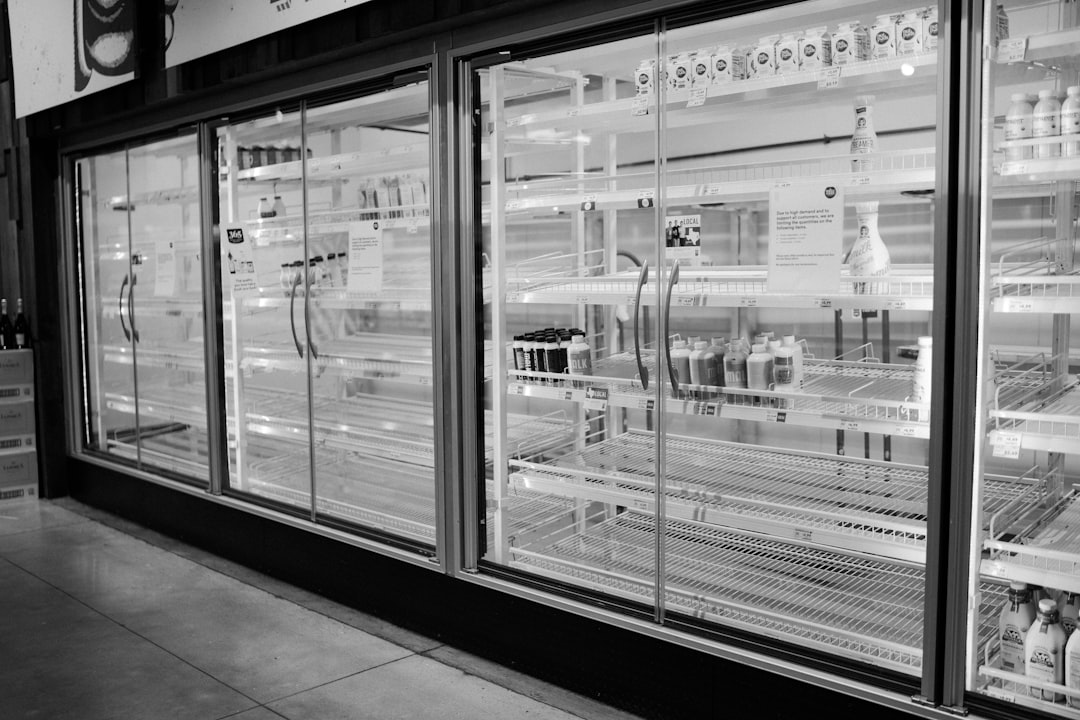
The prolonged blackout, an increasingly plausible scenario in an era of strained infrastructure and escalating environmental challenges, presents a multifaceted threat to modern society. While the immediate concerns often revolve around communication, transportation, and essential services like water, the quiet insidious threat of refrigeration failure looms large, impacting food security, public health, and individual well-being. This article examines the cascading consequences of a widespread, extended power outage on refrigeration systems, from domestic units to industrial and commercial storage.
Refrigeration, a cornerstone of modern life, permeates nearly every aspect of daily existence. It is not merely about keeping beverages cold; it is a critical component of the global food supply chain.
Preserving Perishables at Home
For households, refrigerators and freezers are indispensable. They extend the shelf life of a vast array of perishable goods, from dairy products and meats to fruits and vegetables. Without this technology, the modern shopping habits of weekly or bi-weekly grocery trips become untenable. Freshness is maintained, reducing spoilage and waste, and allowing for greater dietary variety and convenience. The consistent temperature provided by these appliances inhibits the growth of microorganisms, a fundamental principle of food safety.
The Industrial Food Chain Dependency
Beyond the domestic sphere, the industrial and commercial use of refrigeration is even more extensive and vital. Large-scale cold storage facilities are essential for food processing plants, distribution centers, and agricultural producers. These operations rely on sophisticated refrigeration systems to store massive quantities of food products for extended periods, buffering against seasonal fluctuations in supply and demand, and ensuring a steady flow of goods to retailers and consumers. The entire edifice of modern food distribution is built upon the reliable functioning of these cold chains. From the moment a product is harvested or processed, until it reaches the consumer’s table, it is subject to controlled temperature environments.
Beyond Food: Essential Medical, Scientific, and Industrial Applications
The importance of refrigeration extends far beyond the culinary realm. Many vital medical supplies, including vaccines, blood products, and certain pharmaceuticals, require strict temperature control to remain effective and safe. In laboratory settings, refrigeration is crucial for preserving biological samples, reagents, and experimental materials, underpinning scientific research and development. Certain industrial processes also rely on low temperatures for manufacturing, chemical reactions, and material stabilization. Therefore, a failure in refrigeration carries implications that ripple across sectors, impacting healthcare, scientific advancement, and manufacturing capabilities.
In the event of a long-term blackout, refrigeration failure can lead to significant food spoilage and safety concerns. For an in-depth analysis of how to prepare for such emergencies and the impact of power outages on refrigeration systems, you can refer to a related article that discusses these critical issues. To learn more, visit this article.
The Immediate Impact of Power Loss
The moment power is disrupted, the ceaseless operation of refrigeration units ceases. This initial cessation, if brief, is manageable. However, in a prolonged blackout, the consequences become progressively severe.
The Gradual Warming of Refrigerated Compartments
Domestic refrigerators are designed to maintain internal temperatures, typically between 0-4°C for the refrigerator section and -18°C for the freezer. When power fails, these systems lose their ability to actively cool. The insulation within the appliance slows down the rate of warming, but it is not indefinite. The ambient temperature of the surrounding environment plays a significant role. In warmer climates or during summer months, the refrigerator will warm up considerably faster than in cooler conditions. Similarly, a fully packed freezer will retain its cold for longer than an empty one due to the thermal mass of the frozen contents.
The Exponential Rise of Freezer Temperatures
Freezers are particularly vulnerable in a prolonged outage. While refrigerators aim to keep things cool, freezers aim to keep them frozen solid. The transition from frozen to thawed, and then potentially to spoiled, is a progressive deterioration. Once the temperature rises above 0°C, ice crystals begin to melt, and the texture and quality of the food begin to degrade. This unfrozen state also dramatically accelerates the growth of bacteria and other microorganisms.
The Critical Thresholds for Food Safety
The U.S. Food and Drug Administration (FDA) and similar international bodies establish critical temperature thresholds for food safety. For perishables, temperatures above 4°C (40°F) are considered the “danger zone,” where bacteria multiply rapidly. For frozen foods, the goal is to remain below -18°C (0°F). As refrigeration units fail, these temperatures are inevitably breached, rendering food unsafe for consumption. The duration of sustained temperature above these thresholds is the primary determinant of spoilage.
The Cascade of Spoilage and Contamination

As the temperature within refrigeration units rises, a visible and invisible cascade of spoilage begins. This process is not uniform and depends on the type of food, its initial condition, and the rate of warming.
Bacterial Proliferation and Toxin Production
The primary concern with rising temperatures is the exponential growth of bacteria. Many common foodborne pathogens, such as Salmonella, E. coli, and Listeria monocytogenes, thrive in the temperature range between 4°C and 60°C (40°F and 140°F). While refrigeration slows their growth, it does not eliminate them. Once the temperature enters the danger zone, these bacteria can multiply to dangerous levels within a matter of hours. Some bacteria produce toxins that are heat-stable and cannot be destroyed by subsequent cooking, posing a significant health risk.
The Visible Signs of Deterioration
The process of spoilage becomes increasingly apparent as time passes. Dairy products may curdle and develop off-odors. Meats can become slimy, discolored, and emit foul smells. Fruits and vegetables will soften, discolor, and may become moldy. While some superficial signs might be dismissed, the internal deterioration and microbial contamination can be extensive even if the food initially appears acceptable. This makes visual inspection an unreliable sole determinant of safety.
The Threat of Cross-Contamination
In a compromised refrigeration unit, the risk of cross-contamination increases significantly. If one item begins to spoil and leak, its microorganisms can spread to other items stored nearby. This is particularly concerning in a shared refrigerator or freezer where raw meats and other foods are stored together. The lack of active cooling also means that any existing airborne contaminants have a greater opportunity to settle on food surfaces.
Broader Societal and Economic Repercussions

The failure of refrigeration during a prolonged blackout extends far beyond individual households and impacts the broader economic and societal fabric.
Food Supply Chain Disruption and Waste
The industrial cold chain, with its reliance on uninterrupted power, is particularly vulnerable. Large-scale cold storage facilities, if without backup power, will experience widespread spoilage. This leads to massive economic losses for producers, distributors, and retailers. The disruption of food supply chains can result in shortages of essential goods, even for those who might have had the financial means to purchase them. The sheer volume of food waste from such an event would be staggering, impacting landfill capacity and contributing to environmental concerns.
Public Health Crises and Foodborne Illness Outbreaks
The widespread consumption of spoiled or contaminated food can trigger significant public health crises. Emergency rooms and healthcare facilities, already potentially strained by the blackout’s other effects, could face an influx of patients suffering from foodborne illnesses. This places an immense burden on limited resources and could overwhelm critical care capacities. The long-term health consequences of widespread food poisoning, particularly for vulnerable populations like children and the elderly, cannot be underestimated.
Economic Losses and Market Instability
The economic fallout from a large-scale refrigeration failure would be substantial. Beyond the direct loss of perishable goods, businesses would incur costs associated with disposal, potential remediation, and the loss of consumer confidence. Retailers might face significant financial strain due to spoiled inventory. The agricultural sector, so dependent on maintaining its cold chain, could suffer devastating losses, impacting livelihoods and future production. Market instability could arise as supply chains struggle to recover, leading to price fluctuations and potential shortages.
In the event of a long-term blackout, the implications of refrigeration failure can be severe, affecting both food safety and household convenience. A related article discusses the various strategies to mitigate these risks and maintain food quality during power outages. For more insights on how to prepare for such situations, you can read the full article at My Cosmic Ventures. Understanding these measures can help you safeguard your perishables and ensure a smoother experience during unexpected power interruptions.
Mitigation Strategies and Preparedness
| Metrics | Value |
|---|---|
| Duration of blackout | 72 hours |
| Temperature inside refrigeration unit | Increased by 20°C |
| Food spoilage cost | 5000 |
| Loss of inventory | 100 units |
While the prospect of prolonged refrigeration failure is daunting, a degree of mitigation and preparedness is possible through individual and collective action.
Individual Preparedness Measures
For households, preparedness involves a multi-pronged approach. Investing in high-quality coolers and sufficient ice supplies is crucial. Understanding how to safely store food in such containers and prioritizing the use of highly perishable items first is essential. Dry ice can be a more effective, albeit potent, option for maintaining extremely low temperatures in coolers, but requires specific safety precautions due to its sublimation into carbon dioxide gas. Rotating emergency food supplies and having non-perishable alternatives readily available is also a prudent measure. Understanding the temperature zones of one’s own refrigerator and freezer can help gauge how long food might remain safe.
Community-Level Resilience
At a community level, the development of robust emergency plans is vital. This includes identifying and establishing community shelter locations equipped with generator power for refrigeration, particularly for critical supplies like medicines and refrigerated food. Public awareness campaigns on food safety during power outages can empower individuals with the knowledge to make informed decisions. Local authorities could explore partnerships with businesses that have backup power for their refrigeration units, potentially designating them as temporary community cold storage depots in emergency scenarios. Supply chain resilience, incorporating redundancy and diverse distribution methods, is a broader governmental and industry concern.
Technological Solutions and Future Preparedness
Looking towards the future, technological advancements can play a role. The development of more energy-efficient refrigeration systems, improved insulation, and wider adoption of reliable backup power solutions for critical infrastructure, including food storage facilities, are essential. Innovations in food preservation that do not solely rely on active refrigeration, such as advanced packaging technologies or improved drying and canning methods, could also contribute to greater resilience. Investing in research and development focused on these areas is a proactive approach to mitigating future risks. The long-term goal should be to reduce the dependency on continuous grid power for the preservation of essential resources.
FAQs
What is a refrigeration failure during a long term blackout?
A refrigeration failure during a long term blackout occurs when the power supply to a refrigeration system is disrupted for an extended period of time, leading to the loss of cooling and preservation of perishable items.
What are the potential consequences of refrigeration failure during a long term blackout?
The potential consequences of refrigeration failure during a long term blackout include spoilage of food and medication, financial losses for businesses, and health risks due to consuming spoiled food or medication.
How can refrigeration failure during a long term blackout be prevented?
Refrigeration failure during a long term blackout can be prevented by implementing backup power sources such as generators, maintaining and servicing refrigeration systems regularly, and having a plan in place for managing perishable items during a power outage.
What are the best practices for managing refrigeration systems during a long term blackout?
Best practices for managing refrigeration systems during a long term blackout include keeping the refrigerator and freezer doors closed as much as possible to retain cold air, using coolers with ice packs to store perishable items, and monitoring the temperature of refrigerated items.
What are the potential long term effects of a refrigeration failure during a blackout?
The potential long term effects of a refrigeration failure during a blackout include financial losses for businesses, food shortages, and public health concerns if spoiled food and medication are consumed.