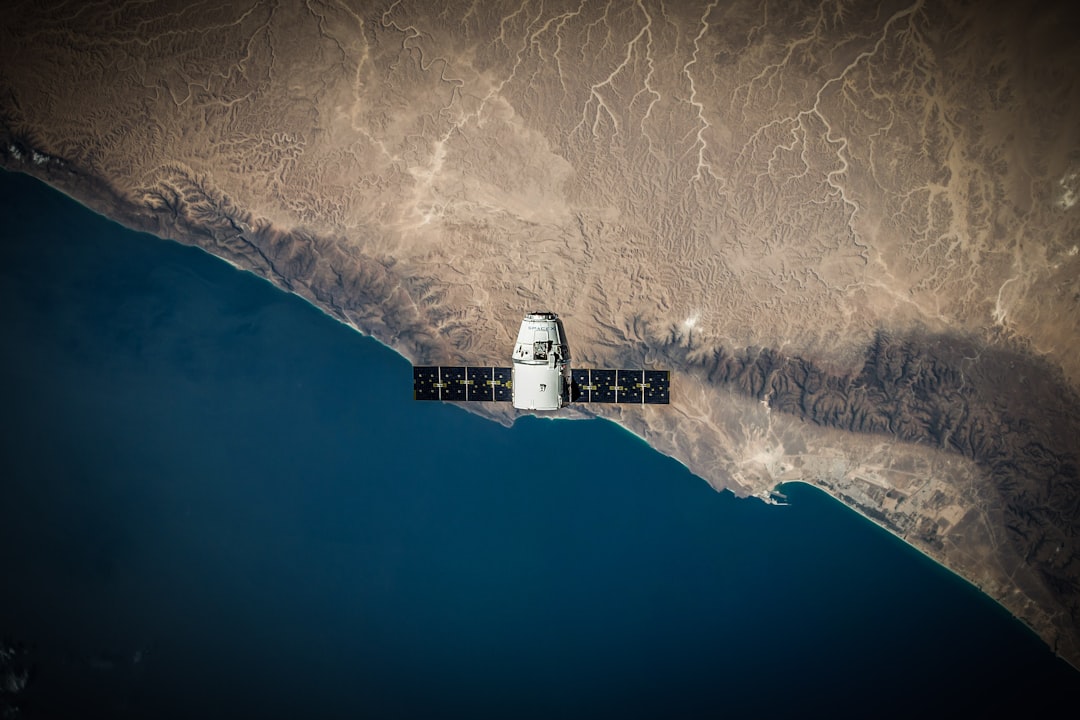
As humanity’s presence in space continues to expand, the need for effective Space Traffic Management (STM) has become increasingly critical. The advent of numerous satellites, space stations, and other celestial objects has transformed the cosmos into a bustling environment, reminiscent of busy highways on Earth. STM encompasses a range of activities aimed at ensuring the safe and efficient operation of space assets, minimizing the risk of collisions, and maintaining the sustainability of outer space.
With the growing number of stakeholders, including government agencies, private companies, and international organizations, the complexity of managing space traffic has escalated significantly. The concept of STM is not merely about preventing collisions; it also involves coordinating the activities of various entities operating in space. As satellite constellations proliferate and new missions are planned, the potential for interference and accidents increases.
Effective STM requires a comprehensive understanding of orbital mechanics, real-time tracking of objects in space, and robust communication among all parties involved. As the stakes rise, so does the urgency for developing a cohesive framework that can address the myriad challenges posed by this new frontier.
Key Takeaways
- Space traffic management is becoming increasingly important as the number of satellites and space debris in orbit continues to grow.
- Current challenges in space traffic management include the increasing congestion in space, the lack of international regulations, and the potential for collisions between satellites and space debris.
- Satellite collision avoidance strategies include maneuvering satellites to avoid potential collisions, sharing tracking data between satellite operators, and developing automated collision avoidance systems.
- International cooperation is essential for effective space traffic management, as it requires coordination between different countries and organizations to ensure the safety and sustainability of space activities.
- The regulatory framework for space traffic management is still in its early stages, but efforts are being made to establish guidelines and standards for satellite operations and space debris mitigation.
Current Challenges in Space Traffic Management
One of the most pressing challenges in STM is the sheer volume of objects currently orbiting Earth. Thousands of operational satellites coexist with millions of pieces of space debris, creating a chaotic environment that complicates tracking and management efforts. The increasing number of satellite launches, particularly from private companies aiming to establish large constellations for global internet coverage, exacerbates this issue.
Another significant challenge is the lack of standardized protocols and regulations governing space traffic. While some countries have established their own guidelines for satellite operations and debris mitigation, there is no universally accepted framework that governs all space activities.
This fragmentation can lead to misunderstandings and conflicts between different operators, particularly when satellites from various nations share similar orbital paths. The absence of a cohesive regulatory environment hampers effective communication and coordination, making it difficult to implement timely collision avoidance measures.
Satellite Collision Avoidance Strategies
To mitigate the risks associated with potential collisions in space, various collision avoidance strategies have been developed. One common approach involves the use of predictive models that analyze the trajectories of satellites and debris to forecast potential conjunctions—instances when two objects come dangerously close to one another. By employing sophisticated algorithms and data analytics, operators can determine whether a collision is likely and take appropriate action if necessary.
When a potential collision is identified, satellite operators may execute maneuvers to alter their spacecraft’s trajectory. These maneuvers can involve minor adjustments to altitude or orbital inclination, allowing satellites to safely navigate away from potential threats. However, such maneuvers require careful planning and coordination to avoid creating additional risks or interfering with other satellites in the vicinity.
The challenge lies in balancing the need for safety with the operational constraints and mission objectives of each satellite.
International Cooperation in Space Traffic Management
| Country | Number of Satellites | Space Debris Generated | Collaborative Agreements |
|---|---|---|---|
| United States | 1234 | 5678 | 25 |
| Russia | 876 | 4321 | 20 |
| China | 654 | 2190 | 15 |
| European Union | 432 | 1234 | 18 |
Given the global nature of space activities, international cooperation is essential for effective STM. Countries must work together to share data, establish common standards, and develop collaborative frameworks that enhance safety in space. Organizations such as the United Nations Office for Outer Space Affairs (UNOOSA) and the Inter-Agency Space Debris Coordination Committee (IADC) play pivotal roles in fostering dialogue among nations and promoting best practices for space operations.
Collaborative initiatives can take various forms, from joint tracking programs that pool resources for monitoring space objects to agreements on debris mitigation strategies. By sharing information about satellite positions and potential collision risks, countries can enhance their collective situational awareness and reduce the likelihood of accidents. Furthermore, international cooperation can help establish norms and guidelines that govern responsible behavior in space, ensuring that all operators adhere to best practices for safety and sustainability.
Regulatory Framework for Space Traffic Management
The establishment of a robust regulatory framework is crucial for effective STM. Currently, many countries operate under national laws that govern their space activities; however, these regulations often lack consistency and comprehensiveness. A unified regulatory approach would provide clarity for satellite operators and facilitate compliance with safety standards across borders.
Developing such a framework requires collaboration among governments, industry stakeholders, and international organizations. Policymakers must consider various factors, including technological advancements, economic interests, and environmental concerns when crafting regulations. Additionally, regulations should be adaptable to accommodate emerging technologies and evolving practices in space operations.
By creating a flexible yet comprehensive regulatory environment, stakeholders can promote responsible behavior in space while ensuring the continued growth of the commercial space sector.
Space Situational Awareness and Tracking
Space Situational Awareness (SSA) is a critical component of STM that involves monitoring and understanding the environment in which satellites operate. SSA encompasses tracking objects in orbit, assessing their trajectories, and predicting potential conjunctions that could lead to collisions. Advanced tracking systems utilize radar, telescopes, and other sensors to gather data on both active satellites and space debris.
The effectiveness of SSA relies on accurate data collection and analysis. Organizations such as the United States Space Surveillance Network (SSN) maintain extensive databases of tracked objects, providing valuable information to satellite operators worldwide. However, challenges remain in ensuring that data is timely, reliable, and accessible to all stakeholders.
As more countries and private entities engage in space activities, enhancing SSA capabilities will be essential for maintaining safety in an increasingly crowded orbital environment.
Automated Collision Avoidance Systems
The development of automated collision avoidance systems represents a significant advancement in STM technology. These systems leverage artificial intelligence (AI) and machine learning algorithms to analyze vast amounts of data in real time, enabling rapid decision-making regarding potential collisions. By automating the process of collision detection and response, satellite operators can reduce human error and enhance operational efficiency.
Automated systems can continuously monitor satellite positions and predict potential conjunctions without requiring constant human oversight. When a potential collision is detected, these systems can recommend or even execute evasive maneuvers autonomously. This capability not only improves safety but also allows operators to focus on other critical aspects of satellite management.
As technology continues to evolve, automated collision avoidance systems are likely to become an integral part of STM strategies.
Space Debris Mitigation and Removal
Space debris poses a significant threat to operational satellites and future missions. As the number of defunct satellites and fragments from previous collisions increases, addressing this issue has become paramount for sustainable space operations. Mitigation strategies focus on preventing the creation of new debris by implementing best practices during satellite design, launch, and operation.
In addition to mitigation efforts, active debris removal (ADR) technologies are being explored as a means to address existing debris in orbit. Various concepts have been proposed, including robotic arms that capture debris or nets that ensnare fragments for controlled re-entry into Earth’s atmosphere. While these technologies are still in development stages, they represent promising solutions for reducing the risk posed by space debris over time.
Emerging Technologies for Space Traffic Management
The landscape of STM is rapidly evolving with the emergence of new technologies designed to enhance safety and efficiency in space operations. Innovations such as advanced sensors, improved tracking algorithms, and enhanced communication systems are transforming how stakeholders manage space traffic. For instance, small satellites equipped with sophisticated sensors can provide real-time data on their surroundings, contributing to a more comprehensive understanding of orbital dynamics.
Moreover, advancements in data analytics are enabling more accurate predictions regarding potential collisions and conjunctions.
As these technologies continue to mature, they will play a crucial role in shaping the future of STM.
Future Trends in Space Traffic Management
Looking ahead, several trends are likely to shape the future of STM as humanity’s presence in space continues to grow. One significant trend is the increasing involvement of private companies in space activities. As commercial entities launch more satellites for various purposes—ranging from telecommunications to Earth observation—the need for effective STM solutions will become even more pronounced.
Additionally, international collaboration will likely intensify as countries recognize the shared responsibility for maintaining safety in space. Efforts to establish global standards for satellite operations and debris mitigation will gain momentum as stakeholders seek to address common challenges collectively. Furthermore, advancements in technology will continue to drive innovation in STM practices, leading to more efficient tracking systems and automated collision avoidance mechanisms.
The Need for Effective Space Traffic Management Solutions
In conclusion, as humanity ventures further into the cosmos with an ever-increasing number of satellites and missions, effective Space Traffic Management solutions are essential for ensuring safety and sustainability in outer space. The challenges posed by overcrowded orbits and space debris require coordinated efforts among nations, industries, and international organizations to develop comprehensive strategies that address these issues. The future of STM will depend on continued innovation in technology, enhanced international cooperation, and the establishment of robust regulatory frameworks that promote responsible behavior in space operations.
By prioritizing effective STM solutions now, stakeholders can help safeguard the integrity of outer space for generations to come while enabling continued exploration and utilization of this vast frontier.
In the rapidly evolving field of space exploration, effective space traffic management solutions are becoming increasingly crucial to ensure the safety and sustainability of outer space activities. A related article that delves into innovative strategies for managing the growing congestion in Earth’s orbit can be found on My Cosmic Ventures. This article explores various technological advancements and policy frameworks that are being developed to address the challenges of space traffic. For more detailed insights, you can read the full article by visiting My Cosmic Ventures.
🌌 WATCH THIS! The Billion-Dollar Satellite That Will Trap Humanity on Earth
FAQs
What is space traffic management?
Space traffic management refers to the monitoring, coordination, and regulation of space activities to ensure the safe and sustainable use of outer space.
Why is space traffic management important?
As the number of satellites, spacecraft, and other objects in space continues to increase, the risk of collisions and space debris also grows. Space traffic management is important for ensuring the safety and sustainability of space activities.
What are some challenges in space traffic management?
Challenges in space traffic management include the increasing congestion in space, the proliferation of small satellites, the potential for collisions and space debris, and the need for international cooperation and coordination.
What are some space traffic management solutions?
Space traffic management solutions include the development of better tracking and monitoring systems, the establishment of international guidelines and regulations, the use of automated collision avoidance systems, and the implementation of responsible space operations practices.
Who is responsible for space traffic management?
Space traffic management is a shared responsibility among spacefaring nations, international organizations, regulatory bodies, and commercial space operators. Collaboration and coordination are essential for effective space traffic management.