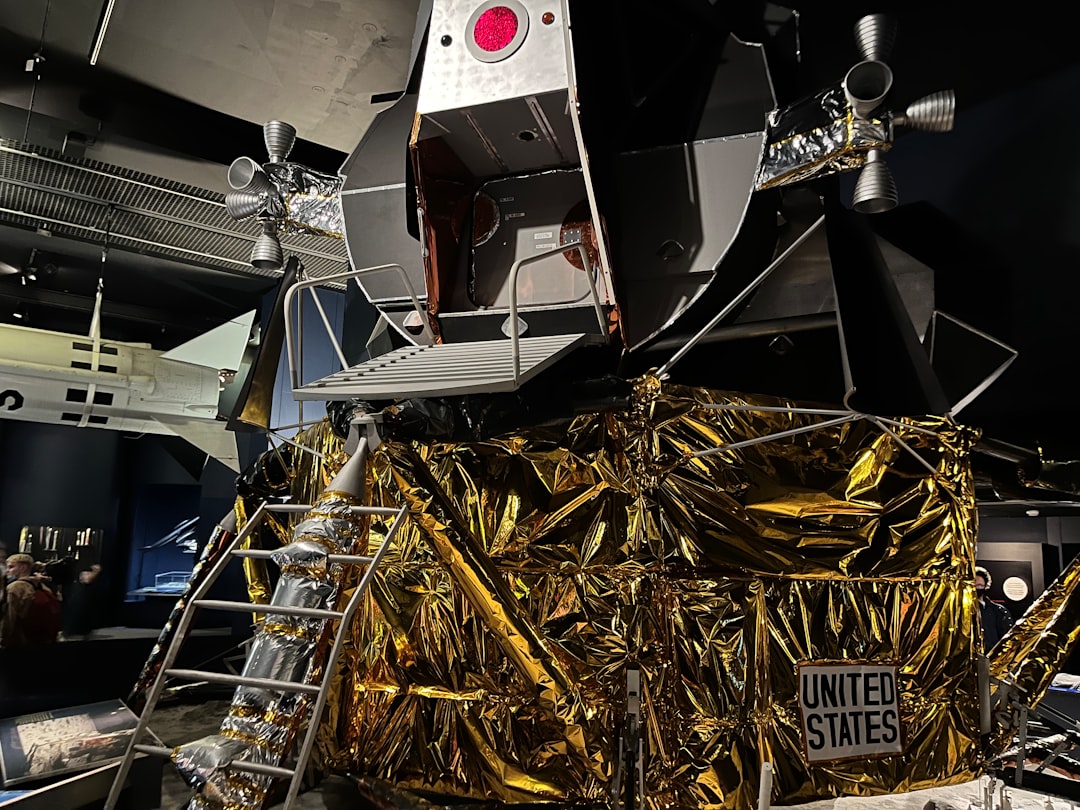
The vast, crimson expanse of Mars has always held an irresistible allure for humanity, a celestial temptress promising untold discoveries. For decades, the National Aeronautics and Space Administration (NASA) has strived to unravel its mysteries, sending brave probes to its surface. Among these pioneering missions, the Viking program stands as a monumental achievement, carrying with it the ambition to search for life. The Viking landers, each a marvel of engineering, carried a suite of sophisticated instruments, and central to this scientific payload was the Gas Chromatograph-Mass Spectrometer (GCMS). This instrument was tasked with a crucial role: analyzing the composition of the Martian atmosphere and soil, a vital step in the search for biosignatures. However, the story of the Viking GCMS is not simply one of triumphant success; it is also a poignant reminder of the inherent complexities and unforgiving nature of planetary exploration, marked by a significant failure that continues to be debated and analyzed to this day.
The Viking program, launched in 1975, was a revolutionary undertaking for NASA. Its primary objective was to land two spacecraft, Viking 1 and Viking 2, on the Martian surface and conduct a comprehensive study of the planet. This went far beyond simply taking photographs; thelanders were equipped with an unprecedented array of scientific instruments designed to probe the planet’s atmosphere, geology, and seismic activity, and, most importantly, to search for evidence of extant life.
The Groundbreaking Scientific Goals
The scientific agenda for the Viking landers was audacious, reflecting the cutting edge of planetary science at the time.
The Search for Life: The Ultimate Objective
The most compelling and publicly discussed objective of the Viking mission was the search for life on Mars. This was a bold undertaking, as the scientific community was still grappling with the very definition of life beyond Earth. The landers carried instruments for biological experiments, designed to detect metabolic activity in the Martian soil. However, the GCMS played an indispensable supporting role by providing the fundamental chemical context for these biological investigations.
Understanding the Martian Environment
Beyond the search for life, the Viking program aimed to build a detailed picture of Mars as a planet. This included:
Atmospheric Composition and Dynamics
The GCMS was instrumental in analyzing the thin Martian atmosphere. By identifying the constituent gases, scientists hoped to understand its origin, evolution, and the potential for present-day atmospheric processes. This data would provide crucial insights into the planet’s climate and habitability over time.
Geochemical Analysis of the Surface
Understanding the composition of the Martian soil and rocks was paramount. The GCMS, in conjunction with other instruments like the X-ray Fluorescence Spectrometer, was designed to identify the elemental and molecular makeup of the Martian surface. This helped in understanding the geological history of Mars, the prevalence of water-related minerals, and the availability of essential elements for potential life.
The NASA Viking lander’s gas chromatograph mass spectrometer (GCMS) failure has been a topic of much discussion among space exploration enthusiasts and scientists alike. For a deeper understanding of the implications of this failure and its impact on future missions, you can read a related article that explores the challenges faced by the Viking program and the lessons learned for subsequent Mars missions. For more insights, visit this article.
The Heart of the Operation: The Viking GCMS
The Gas Chromatograph-Mass Spectrometer was the linchpin of the Viking landers’ chemical analysis capabilities. It was a complex and sophisticated instrument, a miniaturized laboratory capable of dissecting the chemical fingerprint of the Martian environment. Its design and operational principles were at the forefront of analytical chemistry at the time.
Technical Marvels of the GCMS
The GCMS was composed of two primary components, each with a specialized role: the Gas Chromatograph (GC) and the Mass Spectrometer (MS).
The Gas Chromatograph (GC): Separating the Smells of Mars
The GC’s fundamental purpose was to separate the volatile components of a sample into their individual constituents.
Principles of Gas Chromatography
The GC operated by vaporizing a sample and then passing it through a long, narrow column packed with a stationary phase. An inert carrier gas (usually helium) flowed through the column, carrying the vaporized sample. Different components of the sample interacted differently with the stationary phase. Those that had a weaker affinity for the stationary phase traveled through the column faster than those with a stronger affinity. This differential travel time resulted in the separation of the mixture into its individual components, which then emerged from the column at different times.
Sample Introduction and Volatilization
For the Viking GCMS, obtaining a sample involved the lander’s robotic arm scooping Martian soil. This soil was then introduced into a sample handler. For GC analysis, the soil had to be heated to release volatile compounds. This heating process, known as pyrolysis or desorption, was a critical step in preparing the sample for analysis.
The Mass Spectrometer (MS): Identifying by Weight
Once separated by the GC, the individual components were then fed into the Mass Spectrometer.
The Power of Mass-to-Charge Ratio
The MS worked by ionizing the molecules (giving them an electrical charge) and then separating these ions based on their mass-to-charge ratio. An electric field or a magnetic field was used to deflect the ions. Lighter ions, or those with a higher charge, were deflected more than heavier ions or those with a lower charge. A detector then measured the abundance of ions at each specific mass-to-charge ratio, creating a unique spectral fingerprint for each detected molecule.
Unveiling Molecular Identities
By analyzing the fragmentation patterns of molecules within the MS, scientists could deduce their structure and thus their identity. The combination of the GC’s separation power and the MS’s identification capabilities made the GCMS an exceptionally potent tool for analyzing complex chemical mixtures.
The Disappointing Truth: GCMS Results and Life’s Elusive Trail
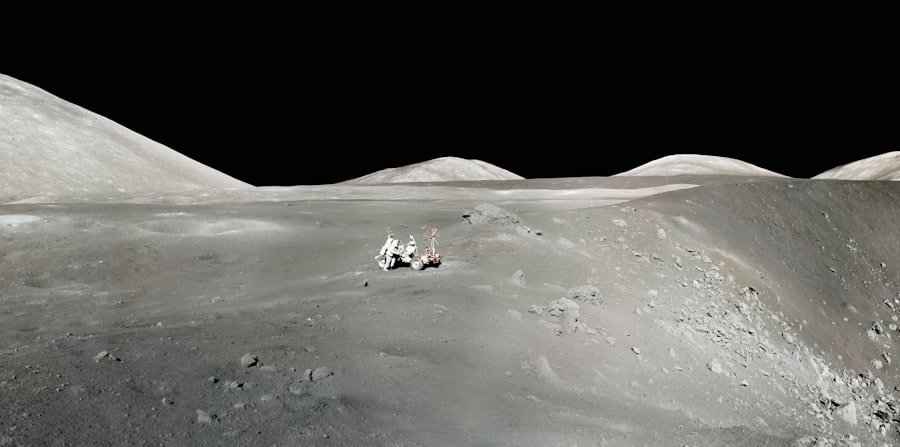
The Viking landers transmitted a wealth of data back to Earth, and the GCMS was a star player in this scientific symphony. However, the results it yielded were not what many had hoped for, particularly when it came to definitive evidence of life. While the GCMS did provide invaluable information about the Martian environment, its findings regarding organic molecules, crucial for life as we know it, were perplexing and ultimately disappointing.
The Absence of Organic Signatures
One of the most significant findings from the Viking GCMS was the strikingly low level of organic material detected in the Martian soil. Given the planet’s history, which was believed to have included liquid water, the expectation was that some level of organic compounds would be present, either remnants of past life or formed through abiotic chemical processes.
Unexpectedly Sterile Soil
The GCMS analyses consistently reported very low concentrations of organic compounds in the soil samples. This was contrary to expectations, as even in the absence of life, processes like meteoritic bombardment and volcanic activity could be expected to deposit organic molecules on a planetary surface.
The Puzzle of the Missing Organics
This lack of detectable organic matter presented a significant puzzle. Several hypotheses were put forward to explain this anomaly.
Reactive Surface Chemistry
One leading explanation suggested that the Martian soil might possess highly reactive chemical compounds that rapidly destroyed any incoming organic molecules. Perchlorates, for instance, were later discovered on Mars and are known to be strong oxidizers. These could have oxidized and broken down organic matter, making it difficult to detect.
Sample Contamination (Considered and Largely Discounted)
While always a concern in space missions, the Viking team meticulously addressed potential terrestrial contamination of the samples. Rigorous sterilization procedures were in place, and control experiments were conducted. While not entirely ruled out as a remote possibility for all undetected organics, it was not considered the primary explanation for the broad absence of anticipated organic compounds.
The Unexpected Gas Chromatograph Readings
Beyond the general lack of organic molecules, the GCMS also produced some perplexing chromatographic peaks. These peaks, while initially exciting, did not conform to the expected spectral signatures of common organic molecules.
Unidentified Peaks and Their Interpretation
When certain Martian soil samples were heated in the GCMS, unexpected peaks appeared in the chromatograms. These were at first interpreted as potentially representing novel organic compounds. However, when subsequent analyses were performed after the soil had been exposed to water, the nature of these peaks changed significantly, and in some instances, they disappeared altogether.
The “Contamination” Debate and the Role of Water
One of the most controversial interpretations of these GCMS results centered on the possibility of contamination or unexpected chemical reactions occurring within the instrument itself or with the samples. The reactions observed upon the introduction of water were particularly puzzling.
The Role of Water in Sample Processing
The Viking landers had a system for introducing small amounts of water to soil samples. This was often done before GCMS analysis or as part of the biological experiments. The interaction of water with the Martian soil and potential volatile compounds within it led to complex changes in the GCMS output.
The Overlooked Inorganics?
The prevailing hypothesis that began to gain traction was that the GCMS, while designed to detect organics, might have been inadvertently detecting byproducts of inorganic chemical reactions. The presence of highly reactive inorganic compounds in the Martian soil, when interacting with water, could have produced unexpected volatile substances that were then detected by the GCMS.
The Viking Lander GCMS Failure: Decoding the Mystery
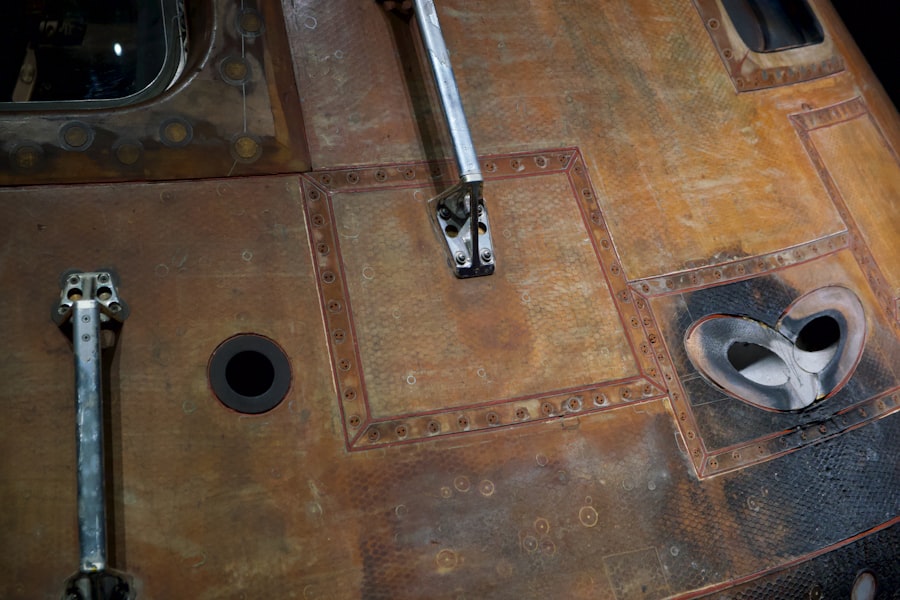
The “failure” of the Viking GCMS is not one of outright instrument malfunction in the typical sense. Instead, it lies in a more nuanced interpretation of its results, a failure to definitively answer the question of life due to ambiguous data and potentially misinterpreted signals. The GCMS did not break down; rather, its findings were challenging to reconcile with the expectation of finding organic molecules indicative of life.
The Halogenated Hydrocarbon Hypothesis
The most widely accepted explanation for the peculiar GCMS findings is the “halogenated hydrocarbon” hypothesis. This theory posits that the Martian soil contains inorganic salts, particularly perchlorates, which, when heated or interacted with water in the GCMS, produced unexpected byproducts.
Perchlorates and Their Reactivity
Perchlorates (salts containing the perchlorate ion, ClO₄⁻) are known to be powerful oxidizers. On Earth, they are found in arid desert soils. Later missions to Mars confirmed the widespread presence of perchlorates in the Martian regolith. When Martian soil containing perchlorates was heated in the presence of organic compounds or their precursors, these perchlorates could react to form chlorinated organic compounds.
Inadvertent Synthesizing of “Organics”?
The GCMS, designed to identify organic molecules, would then detect these chlorinated hydrocarbons. However, these would not be prebiotic organic molecules directly indicative of life, but rather byproducts of inorganic chemistry. The intense heating in the GCMS could even lead to the partial breakdown and recombination of molecules, further complicating the interpretation.
The Role of Water as a Catalyst
The introduction of water, as mentioned earlier, played a crucial role in the observed anomalies. Water could have facilitated these inorganic reactions, leading to the release of volatile chlorinated compounds that mimicked the appearance of some organic signatures to the GCMS.
The Inadequacy of the Instrument for the Martian Environment
Perhaps the most profound aspect of the Viking GCMS “failure” is that it highlighted the limitations of the instrument in characterizing the specific, highly reactive Martian environment.
A Grounded Expectation Versus Martian Reality
The GCMS was designed and calibrated based on terrestrial samples and expected Martian conditions informed by Earth-based observations. The discovery of pervasive perchlorates and their potent oxidizing capabilities represented a fundamental difference in Martian soil chemistry that was not fully anticipated.
The GCMS as an Unwitting Chemical Reactor
The high temperatures involved in GC analysis, coupled with the presence of reactive inorganic compounds and potentially water, effectively turned the GCMS into an unintended chemical reactor. Instead of simply analyzing pre-existing molecules, it was inadvertently synthesizing new ones, leading to misleading data.
The Need for Different Analytical Approaches
The Viking GCMS experience underscored the need for more sophisticated analytical techniques that could differentiate between abiotically produced organic compounds and those that might be indicative of biological processes. Future missions have employed instruments designed to analyze samples at much lower temperatures or to specifically look for chiral molecules, a hallmark of biological systems.
The NASA Viking lander mission, which aimed to explore the Martian surface, faced significant challenges, particularly with the failure of its gas chromatography-mass spectrometry (GCMS) instrument. This setback raised questions about the reliability of scientific instruments used in space exploration. For a deeper understanding of the implications of this failure and its impact on future missions, you can read more in this insightful article on the topic. To explore further, visit this related article that delves into the intricacies of the Viking lander’s mission and the lessons learned from its GCMS challenges.
Legacy and Lessons Learned: The Enduring Impact of the Viking GCMS
| Aspect | Details |
|---|---|
| Event | NASA Viking Lander GCMS Failure |
| Cause | Instrument malfunction |
| Consequences | Lack of conclusive evidence for organic compounds on Mars |
| Impact | Delayed progress in understanding Martian soil composition |
While the Viking GCMS did not provide the definitive “smoking gun” for Martian life, its mission was far from a failure. The data it collected, though initially perplexing, has provided invaluable lessons that continue to inform our understanding of Mars and the challenges of astrobiological exploration.
Redefining Our Search for Life
The GCMS findings, particularly the prevalence of exometabolically reactive components in the soil, forced a re-evaluation of how we search for life on Mars.
The Importance of Understanding the Geochemical Context
The Viking GCMS demonstrated that understanding the complex geochemical environment of a planet is paramount before drawing conclusions about the presence or absence of life. The Martian soil was not a passive substrate; it was an active chemical participant.
Rethinking Sample Preparation and Analysis
Future missions have adopted more nuanced approaches to sample preparation and analysis, often employing multiple instruments with different sensitivities and analytical pathways. The goal is to avoid inadvertently destroying or altering potential biosignatures during the measurement process.
The Search for Biosignatures Beyond Simple Organics
The ambiguity of the GCMS results encouraged the scientific community to look for a broader range of biosignatures beyond just the presence of organic molecules. This includes isotopic signatures, the presence of complex biomolecules, and even evidence of metabolic processes that leave distinct signatures.
A Testament to Scientific Rigor and Evolution
The ongoing analysis and re-interpretation of the Viking GCMS data are a testament to the enduring power of scientific inquiry. Even decades later, these complex readings are still being scrutinized, refined, and integrated into our evolving understanding of Mars.
The Power of Post-Mission Analysis
The advent of new analytical techniques and a deeper understanding of Martian geochemistry has allowed scientists to revisit the Viking data with fresh perspectives. This iterative process of data collection, analysis, and re-analysis is fundamental to scientific progress.
The Interplay of Past and Future Missions
The lessons learned from the Viking GCMS directly influenced the design and objectives of subsequent Mars missions. Instruments like those on the Curiosity and Perseverance rovers are equipped to handle more complex chemical environments and to search for a wider array of biosignatures, building upon the foundation laid by Viking.
The story of the Viking Lander GCMS is not one of simple triumph or failure, but rather a complex narrative of ambition, unexpected challenges, and enduring scientific learning. It highlights the inherent difficulties of exploring alien worlds, where the very processes we hope to detect might be masked by the planet’s own unique geochemistry. The GCMS, in its own way, provided a crucial, albeit initially perplexing, piece of the Martian puzzle, a reminder that the quest for understanding is an ongoing journey, marked by both breakthroughs and the humbling realization of how much more there is to discover.

The NASA Lander That Found Life on Mars… and Was Told to Forget It
FAQs
What is the NASA Viking Lander GCMS?
The NASA Viking Lander Gas Chromatograph-Mass Spectrometer (GCMS) was an instrument designed to analyze the composition of the Martian atmosphere and search for organic molecules on the surface of Mars.
What was the failure of the NASA Viking Lander GCMS?
The failure of the NASA Viking Lander GCMS was due to the lack of organic molecules detected in the Martian soil samples. The instrument was unable to find conclusive evidence of organic compounds, which was a major goal of the mission.
How did the failure impact the mission?
The failure of the NASA Viking Lander GCMS to detect organic molecules had a significant impact on the mission, as it raised questions about the possibility of life on Mars. The absence of organic compounds in the soil samples led to a reevaluation of the mission’s objectives and the search for signs of life on the red planet.
What were the implications of the failure for future Mars missions?
The failure of the NASA Viking Lander GCMS prompted a rethinking of the approach to searching for signs of life on Mars. It highlighted the challenges of detecting organic molecules and the need for more advanced instrumentation and techniques for future missions.
What were the key findings from the NASA Viking Lander mission despite the GCMS failure?
Despite the failure of the GCMS to detect organic molecules, the NASA Viking Lander mission provided valuable data on the Martian environment, including the composition of the atmosphere and soil. The mission also contributed to our understanding of the potential habitability of Mars.