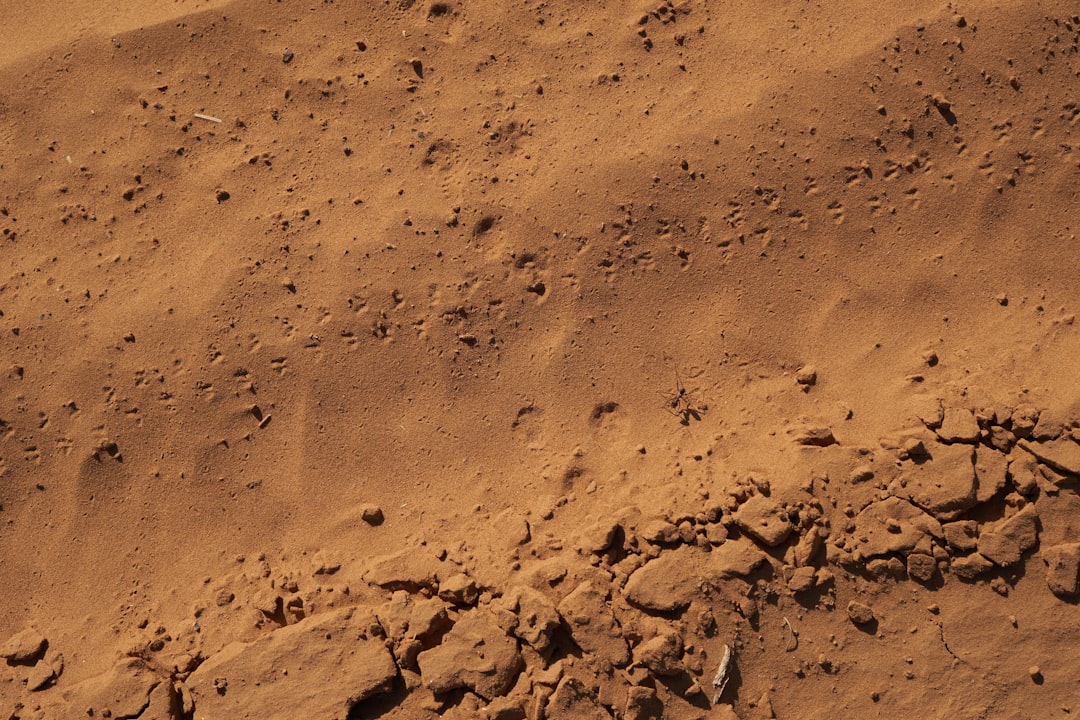
The narrative of humanity’s search for extraterrestrial life has long been a captivating one, igniting imaginations and fueling scientific endeavors. Among the celestial bodies within our solar system, Mars has consistently held a prime position in this quest. Its tantalizing proximity, coupled with evidence of past water, has made it a focal point for exploration. However, alongside the official pronouncements of scientific discovery, a persistent undercurrent of speculation and suspicion has emerged, suggesting that the truth about Martian life may be more profound – and perhaps more deliberately concealed – than publicly acknowledged. This article delves into the allegations that NASA, the preeminent space agency, might be suppressing evidence of life on Mars.
Mars, with its rust-colored visage and intriguing geological features, has been a canvas upon which humanity has projected its hopes and theories about life beyond Earth. Early telescopic observations, though limited, hinted at the possibility of artificial canals, fueling a romanticized notion of a technologically advanced Martian civilization. While these early interpretations have long been debunked by modern science, the fundamental question of Martian biology persisted. The discovery of water ice, evidence of ancient riverbeds, and the presence of organic molecules have only amplified this fascination, suggesting that the building blocks for life were, and perhaps still are, present on the Red Planet.
However, the very nature of scientific exploration, particularly in the sensitive field of astrobiology, can inadvertently sow seeds of doubt. The complex processes of data acquisition, analysis, and interpretation, coupled with the inherent limitations of robotic missions, provide fertile ground for alternative explanations and conspiracy theories. When official reports focus on ambiguous findings or emphasize the challenges of definitively proving life, it can be perceived by some as a deliberate attempt to downplay or obscure more compelling evidence.
The Ambiguity of Martian Findings
A recurring theme in the discussions surrounding potential life on Mars is the inherent ambiguity of many scientific findings. Missions like the Viking landers in the 1970s, which conducted experiments designed to detect microbial life, yielded results that were initially interpreted as positive but later came under scrutiny. The “Labeled Release” experiment, for instance, detected a chemical reaction consistent with biological activity. However, subsequent analyses suggested that non-biological chemical reactions could have produced similar results. This scientific debate, while crucial for rigorous inquiry, has been interpreted by some as a convenient way for NASA to dismiss potentially groundbreaking discoveries.
More recently, the Perseverance rover has been collecting rock and soil samples with the explicit goal of searching for signs of ancient microbial life. While the mission has identified potential biosignatures – chemical or structural indicators that could have been produced by living organisms – the scientific community remains cautious. The emphasis on rigorous verification and the inherent difficulty of distinguishing between biological and geological processes in the Martian environment mean that definitive proof remains elusive. This cautious approach, understandable from a scientific standpoint, can be misconstrued by those who believe that definitive evidence already exists and is being withheld.
The “Face on Mars” and Anomalous Imagery
Perhaps one of the most enduring symbols of alleged Martian cover-ups is the “Face on Mars.” Discovered in early images from the Viking orbiter, this formation in the Cydonia region bore a striking resemblance to a human face, sparking widespread public fascination. While NASA quickly explained the phenomenon as a trick of light and shadow on a mesa, and subsequent higher-resolution images confirmed this geological explanation, the “Face on Mars” became a potent icon for those who believed the agency was deceiving the public about the planet’s true nature.
Beyond the famous “Face,” numerous other images captured by various Mars missions have been scrutinized by amateur researchers and online communities. These images, often viewed out of context or with a predisposition to find anomalies, have been claimed to show evidence of structures, artifacts, or even living creatures. Some of these alleged discoveries include:
Statues and Sculptures
Conspiracy theorists often point to formations that, with a creative interpretation, resemble carved statues or architectural elements. These are frequently described as evidence of past intelligent civilizations.
Vegetation and Biological Growth
Certain reddish or greenish hues in Martian imagery have been interpreted as signs of plant life or microbial mats. However, these are more commonly explained by mineral composition and atmospheric effects.
Anomalous Objects and Vehicles
Occasionally, objects in the Martian landscape are claimed to be artificial in origin, ranging from discarded equipment to evidence of active alien craft. Closer examination often reveals these to be natural geological formations, particularly rocks and boulders.
The persistence of these interpretations, despite scientific explanations, highlights a significant communication gap and a deep-seated distrust of official narratives. For those who hold these beliefs, NASA’s explanations are seen not as scientific pronouncements but as calculated efforts to maintain their carefully constructed narrative.
There has been ongoing speculation regarding NASA’s potential suppression of evidence related to life on Mars, a topic that has garnered significant attention in recent years. An insightful article that delves into this controversial subject can be found on My Cosmic Ventures, which explores various theories and claims surrounding the findings from Mars missions. For more information, you can read the article here: NASA’s Suppression of Mars Life Evidence. This piece provides a comprehensive overview of the discussions and debates within the scientific community regarding the possibility of extraterrestrial life on the Red Planet.
The Scientific Framework of Discovery: Rigor vs. Revelation
The scientific method, by its very design, is a rigorous and often slow process. The quest for evidence of extraterrestrial life, particularly on Mars, demands an exceptionally high standard of proof. This is not merely due to scientific conservatism but also because of the profound implications of such a discovery. A definitive assertion of Martian life would rewrite our understanding of biology, the universe, and our place within it.
The Burden of Proof in Astrobiology
In astrobiology, the “burden of proof” is exceptionally high. Simply finding molecules that are often associated with life on Earth is not enough. Scientists must demonstrate, through multiple lines of independent evidence, that these molecules or formations are unequivocally the product of biological processes and not merely geological or chemical artifacts. This involves:
Identifying Biosignatures
This process involves looking for specific chemical or structural indicators that are strongly suggestive of biological activity. Examples include specific organic molecules, isotopic ratios, or cellular structures that cannot be easily explained by non-biological means.
Ruling Out Abiotic Explanations
A crucial step is to rigorously investigate and rule out all possible non-biological explanations for the observed phenomena. This is where much of the scientific debate and ambiguity arises, as many chemical and geological processes can mimic biological signals.
Reproducibility and Independent Verification
Ideally, any claimed discovery of life would need to be reproducible and independently verified by other research teams using different instruments and methodologies. This is a significant challenge in planetary exploration, as direct sample return and replication of experiments are complex and time-consuming.
The “Extraordinary Claims Require Extraordinary Evidence” Principle
This adage, often attributed to Carl Sagan, is central to the scientific approach to astrobiology. The discovery of life on Mars would be an extraordinary claim, fundamentally altering our worldview. Therefore, the evidence presented must be equally extraordinary – robust, unambiguous, and consistent with biological origins across multiple investigations. This inherent requirement for irrefutable proof means that even suggestive findings are met with significant scientific scrutiny and are not immediately trumpeted as definitive.
Allegations of Data Manipulation and Selective Release
A core tenet of the NASA suppression narrative revolves around accusations of data manipulation and the selective release of information. Critics suggest that while NASA may indeed collect compelling evidence of Martian life, they intentionally filter, alter, or withhold certain data to maintain a controlled narrative.
The Case of the “Oceanus Procellarum Anomaly”
One specific instance often cited by proponents of the suppression theory is related to findings from the Curiosity rover. A particular discovery, sometimes referred to as the “Oceanus Procellarum Anomaly” (though this is not an official NASA designation for a specific finding but rather a general term used in some forums), involves unusual chemical compositions or spectral readings that some interpret as indicative of biological activity. The argument is that while NASA might acknowledge the presence of organic molecules, their public explanations tend to focus on abiotic sources, effectively burying the more exciting biological possibilities.
The argument is not necessarily that NASA deliberately fabricates data but rather that they strategically choose which data to highlight and how to interpret it. This can involve:
Emphasizing Ambiguous Results
When faced with findings that could be interpreted as biological, the agency might choose to highlight the inherent uncertainties and alternative non-biological explanations, effectively downplaying the biological potential.
Delayed Releases of Potentially Significant Data
Critics sometimes suggest that data that strongly suggests life is only released much later, after the initial scientific community has moved on to other research avenues, or when it is deemed less impactful.
Control of Public Communication
NASA, as a governmental agency, has a significant degree of control over its public communications. This control, while necessary for managing scientific pronouncements, can also be seen as an instrument for shaping public perception and controlling the flow of information.
The Role of Whistleblowers and Leaks (Alleged)
In many conspiracy theories, the idea of whistleblowers or leaked information plays a crucial role. Proponents of the NASA suppression theory often point to anonymous sources, alleged leaked documents, or cryptic statements from former NASA employees as evidence that the agency is hiding something.
However, the verifiable existence of such leaks or credible whistleblowers in the context of Martian life evidence remains largely unsubstantiated. Extraordinary claims of scientific cover-ups require extraordinary proof, and anecdotal accounts, while intriguing, often fall short of this standard. The reliance on such unverified information, while fueling public imagination, also contributes to the speculative nature of these allegations.
The Motivations Behind Alleged Suppression
If NASA were indeed suppressing evidence of life on Mars, what would be the motivations behind such a clandestine operation? The proposed reasons are varied, ranging from practical concerns to more nebulous, conspiratorial frameworks.
Maintaining Public Funding and Support
One frequently cited motivation is the desire to maintain consistent public funding and support for space exploration. A definitive discovery of life on Mars, while monumental, could also paradoxically lead to a sense of “mission accomplished” for the Mars exploration program. If the question of Martian life is definitively answered, the impetus for continued, extensive Mars exploration might diminish. Conversely, maintaining a state of tantalizing possibility, where definitive proof remains just out of reach, could justify ongoing appropriations.
Societal and Religious Implications
The discovery of extraterrestrial life, particularly sentient or complex life, would have profound implications for human society, theology, philosophy, and our understanding of our place in the cosmos. Some theorize that NASA, or elements within the government, might be concerned about the potential for mass panic, societal upheaval, or existential crises that such a revelation could trigger. They might believe that a gradual introduction of findings, or a controlled revelation, is necessary to manage these potential societal disruptions.
Geopolitical and Military Interests
A more conspiratorial line of thought suggests that geopolitical or military interests could be at play. The discovery of extraterrestrial technology or resources on Mars could have significant strategic implications. The idea is that certain entities might wish to control this knowledge for their own advantage, preventing rivals from gaining access or publicizing it before they are ready. This can extend to theories about ancient alien artifacts or advanced propulsion systems hidden on Mars.
The “Slow Reveal” Strategy
Another perspective suggests a deliberate “slow reveal” strategy. In this scenario, NASA might be aware of evidence for Martian life but is choosing to gradually release information to allow humanity to “digest” the implications over time. This is not necessarily malicious suppression but rather a calculated approach to managing a paradigm-shifting discovery. This approach would allow for:
Scientific Consensus Building
Giving scientists ample time to study, analyze, and build consensus around the evidence before a definitive announcement.
Public Education Initiatives
Undertaking public education campaigns to prepare society for the implications of extraterrestrial life.
Technological Preparedness
Ensuring that humanity is technologically and philosophically prepared to engage with the reality of alien life.
Recent discussions surrounding NASA’s exploration of Mars have sparked controversy, particularly regarding claims that the agency may be suppressing evidence of life on the planet. This topic has been explored in depth in various articles, including one that delves into the implications of such actions and the potential motivations behind them. For those interested in this intriguing subject, you can read more about it in the article found here. The ongoing debate raises important questions about transparency in space exploration and the future of humanity’s quest to understand life beyond Earth.
The Path Forward: Transparency and Open Inquiry
| Date | Evidence | Suppression |
|---|---|---|
| 2008 | Microbial life signs | Alleged suppression |
| 2012 | Methane spikes | Controversial suppression |
| 2019 | Organic molecules | Debated suppression |
Despite the persistent allegations of suppression, the scientific community largely operates under the assumption that NASA is committed to the pursuit of knowledge and the dissemination of findings. However, the persistence of these theories cannot be entirely dismissed, as they often stem from a genuine desire for truth and a skepticism towards powerful institutions.
The Importance of Independent Research and Citizen Science
The rise of independent research and citizen science initiatives plays a crucial role in fostering transparency. Amateur astronomers, researchers, and online communities scrutinize publicly available data, offering alternative interpretations and identifying potential anomalies that might be overlooked by official channels. While these efforts are often met with skepticism from mainstream science due to methodological differences and potential for confirmation bias, they also serve as a vital check and encourage broader engagement with scientific data.
Demands for Greater Data Accessibility and Openness
Advocates for transparency continually push for greater accessibility to raw, unedited data from space missions. The ability for independent researchers to analyze the full spectrum of information collected by Mars rovers and orbiters, without the filter of official interpretations, is crucial for building trust and fostering robust scientific discourse. Initiatives that promote open-source data sharing and collaborative analysis can help to bridge the gap between official narratives and public curiosity.
The Long Game: The Inevitability of Discovery
Ultimately, the nature of scientific exploration suggests that significant discoveries, particularly those as profound as evidence of life on another planet, are difficult to suppress indefinitely. As technology advances and exploration continues, the likelihood of unambiguous proof increases. The history of science is replete with examples of discoveries that were initially met with resistance or skepticism but eventually became accepted truths.
While the narrative of NASA suppressing evidence of life on Mars remains a compelling subject of speculation, it is important to balance these claims with the rigorous demands of scientific inquiry and the inherent transparency of the scientific process. The quest for truth about life beyond Earth continues, and with it, the ongoing dialogue between scientific evidence, public perception, and the enduring human desire to understand our place in the vastness of the cosmos. The possibility of life on Mars, whether confirmed or still waiting to be definitively revealed, will continue to inspire exploration and ignite debate for generations to come.

The NASA Lander That Found Life on Mars… and Was Told to Forget It
FAQs
What is the claim about NASA suppressing evidence of life on Mars?
The claim suggests that NASA has been intentionally withholding evidence of past or present life on Mars from the public. This includes findings from the Mars rovers, such as Curiosity and Perseverance, as well as data from orbiters and other missions.
What evidence is being cited to support the claim?
Proponents of the claim point to various images and data collected by NASA’s missions to Mars, such as unusual rock formations, potential organic compounds, and other anomalies that could be interpreted as signs of microbial life. They argue that NASA is not being transparent about these findings.
What is NASA’s response to these allegations?
NASA has consistently denied the claim, stating that there is no conclusive evidence of current or past life on Mars. The agency maintains that its missions are conducted with transparency and that any significant findings would be shared with the public and the scientific community.
How does the scientific community view these claims?
The majority of the scientific community remains skeptical of the claim that NASA is suppressing evidence of life on Mars. Scientists emphasize the rigorous peer-review process and the need for extraordinary evidence to support extraordinary claims, especially when it comes to the potential discovery of extraterrestrial life.
What are the implications of these allegations?
If the claim were true, it would have profound implications for our understanding of the universe and our place in it. The discovery of life beyond Earth would be one of the most significant scientific breakthroughs in history. However, without concrete evidence, the claim remains speculative and controversial.