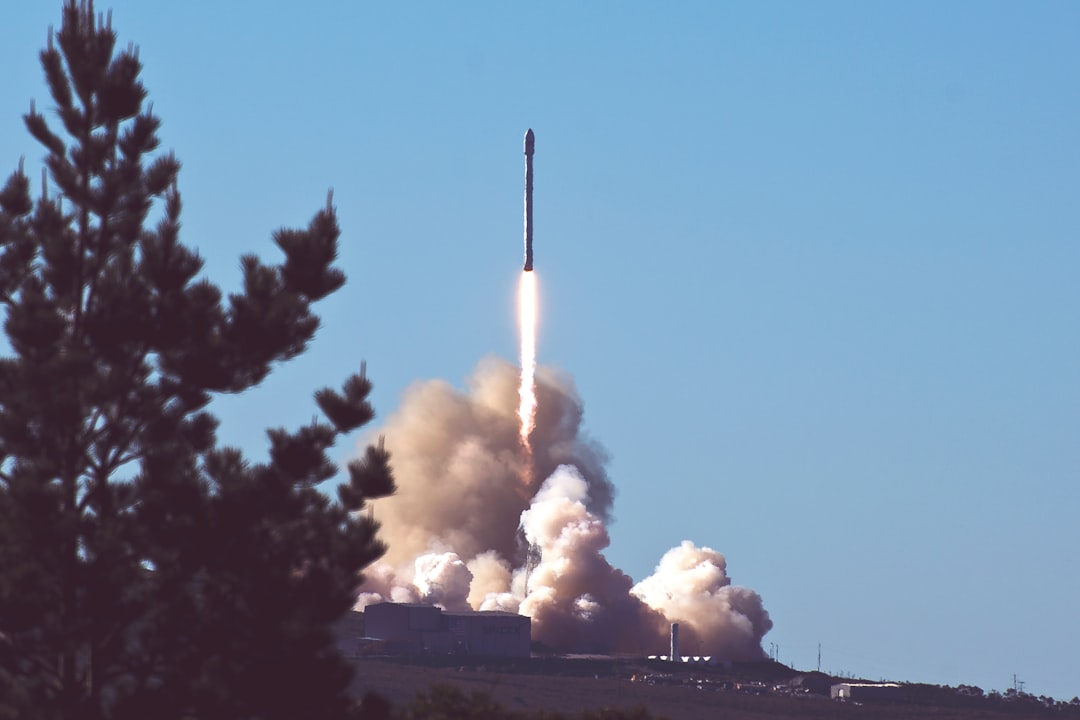
The return of an interplanetary spacecraft to Earth’s atmosphere is a meticulously orchestrated ballet of physics, engineering, and sheer courage. It is a process fraught with immense challenges, where the smallest miscalculation can have catastrophic consequences. Yet, human ingenuity, honed over decades of space exploration, has developed remarkable solutions to navigate this perilous final act of a cosmic journey.
The initial moments of reentry are perhaps the most visually dramatic and physically demanding. As the spacecraft plunges from the vacuum of space into the increasingly dense embrace of Earth’s atmosphere, it encounters a phenomenon known as atmospheric drag. This drag, a force opposing the spacecraft’s motion, rapidly decelerates it from orbital velocities (thousands of kilometers per hour) to speeds manageable for landing. However, this deceleration comes at a steep price: the generation of extreme heat.
The Physics of Aerodynamic Heating
The kinetic energy of the spacecraft, vast and accumulated over its interplanetary voyage, is converted into thermal energy as it collides with atmospheric molecules. This process is governed by complex aerodynamic principles.
Shearing and Compression of Air
At hypersonic speeds, the air in front of the spacecraft cannot move out of the way fast enough. Instead, it is compressed and heated to extremely high temperatures. This creates a shock wave that envelops the spacecraft. The friction between the spacecraft’s surface and the superheated air further exacerbates this heating.
The Importance of Entry Angle
The angle at which a spacecraft enters the atmosphere is a critical parameter. Too steep an angle, and the deceleration forces, known as G-forces, become unbearable for both the spacecraft and its occupants (if any). Moreover, the increased drag would generate excessive heat, potentially overwhelming the heat shield. Too shallow an angle, and the spacecraft might skip off the atmosphere like a stone on water, failing to decelerate sufficiently or even entering an unstable trajectory. Finding the “entry corridor” – the precise range of entry angles – is a crucial calculation.
The Plasma Sheath
The intense heat generated during reentry ionizes the surrounding air, creating a plasma sheath. This sheath is not merely a visual spectacle; it poses significant communication challenges. The ionized particles can absorb and reflect radio waves, effectively creating a “blackout” period during which communication with the ground is lost.
Communication Blackout: A Period of Isolation
The duration and intensity of this blackout depend on factors like entry speed, atmospheric density, and the shape of the spacecraft. Engineers must account for this loss of contact and ensure that the spacecraft can operate autonomously during this critical phase.
Mitigation Strategies for Communication
While complete elimination of the blackout is impossible, strategies exist to minimize its impact. These include using frequencies less susceptible to ionization and developing sophisticated onboard systems that can manage the reentry sequence without continuous ground control.
For those interested in the complexities of interplanetary spacecraft Earth reentry, a fascinating article can be found on My Cosmic Ventures, which delves into the engineering challenges and innovations involved in safely bringing spacecraft back to our planet. This resource provides valuable insights into the thermal protection systems and navigation techniques that are critical for successful reentry. To explore this topic further, you can read the article here: My Cosmic Ventures.
Designing for the Inferno: Heat Shield Technology
The most iconic and crucial component of any reentering spacecraft is its heat shield. This specialized material is engineered to withstand the extreme temperatures and forces encountered during atmospheric entry, protecting the delicate internal components and any human occupants. The evolution of heat shield technology represents a significant triumph of materials science.
Ablative Heat Shields: The Sacrifice for Protection
The most common type of heat shield, particularly for capsules designed for single use, is ablative. These shields are made from materials that are designed to burn away in a controlled manner.
The Mechanism of Ablation
As the heat shield material encounters the intense heat, it undergoes chemical and physical changes. It vaporizes, chars, and erodes. This process absorbs a significant amount of heat energy, effectively carrying it away from the spacecraft’s structure. The char layer that forms on the surface also provides a degree of insulation.
Materials and Design Considerations
Common ablative materials include fiberglass-phenolic composites, carbon-carbon composites, and specialized ceramic materials. The design of the heat shield is also critical, taking into account the shape of the spacecraft and the expected heat flux distribution.
Reusable Heat Shields: The Future of Spaceflight
For spacecraft designed for multiple missions, such as the Space Shuttle or future reusable vehicles, reusable heat shields are employed. These shields are designed to withstand the heat of reentry and then be inspected, repaired, and reused for subsequent flights.
Ceramic Tiles and Reinforced Carbon-Carbon
The Space Shuttle famously utilized a system of ceramic tiles and reinforced carbon-carbon (RCC) panels. The tiles, made from a silica-based material, were highly effective insulators. The RCC panels, used on the wing leading edges and nose cone where temperatures were highest, were extremely robust and could withstand temperatures exceeding 1650°C.
Challenges of Reusability
Maintaining the integrity and performance of reusable heat shields over multiple missions presents significant challenges. Inspection after each flight is crucial to detect any damage, such as cracks or missing tiles, which could compromise the shield’s effectiveness on subsequent reentries. Repair procedures must be precise and reliable.
Navigating the Descent: Guidance, Navigation, and Control (GNC)
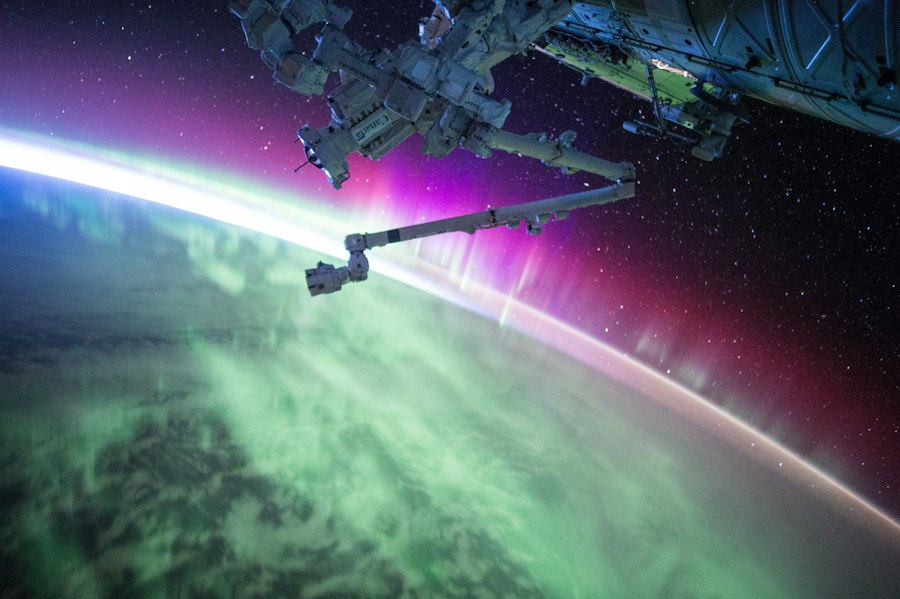
Successfully guiding a spacecraft through the treacherous reentry phase requires a sophisticated and robust Guidance, Navigation, and Control (GNC) system. This system acts as the spacecraft’s intelligent pilot, constantly monitoring its trajectory and making precise adjustments to ensure a safe and accurate landing.
The Role of Onboard Computers and Sensors
Modern spacecraft are equipped with advanced onboard computers that process vast amounts of data from a suite of sensors. These sensors provide information about the spacecraft’s attitude, velocity, altitude, and orientation.
Inertial Measurement Units (IMUs) and Star Trackers
IMUs, which contain gyroscopes and accelerometers, measure changes in the spacecraft’s orientation and acceleration. Star trackers use the positions of known stars to determine the spacecraft’s attitude with extreme precision.
GPS and Radar Altimeters
For descent within the atmosphere, GPS receivers provide positional data, while radar altimeters measure the distance to the ground. This information is crucial for accurate trajectory control and final landing.
Active Control Systems: Thrusters and Aerodynamic Surfaces
The GNC system doesn’t just observe; it actively controls the spacecraft’s motion. This is achieved through various mechanisms.
Reaction Control System (RCS) Thrusters
Small thrusters, strategically placed on the spacecraft, can be fired in short bursts to make fine adjustments to the spacecraft’s attitude and trajectory. These thrusters are essential for orienting the spacecraft correctly for reentry and for making minor corrections during descent.
Aerodynamic Control Surfaces
For vehicles with wings or other aerodynamic surfaces, these can be used to steer the spacecraft. By adjusting the angle of these surfaces, engineers can create forces that alter the spacecraft’s flight path. This is a primary method of control during the atmospheric portion of reentry.
Challenges of GNC in a Dynamic Environment
The atmospheric environment is highly dynamic, with varying air densities and wind conditions. The GNC system must be able to adapt to these changes in real-time, making rapid calculations and precise control inputs.
The Final Approach: Deceleration and Landing
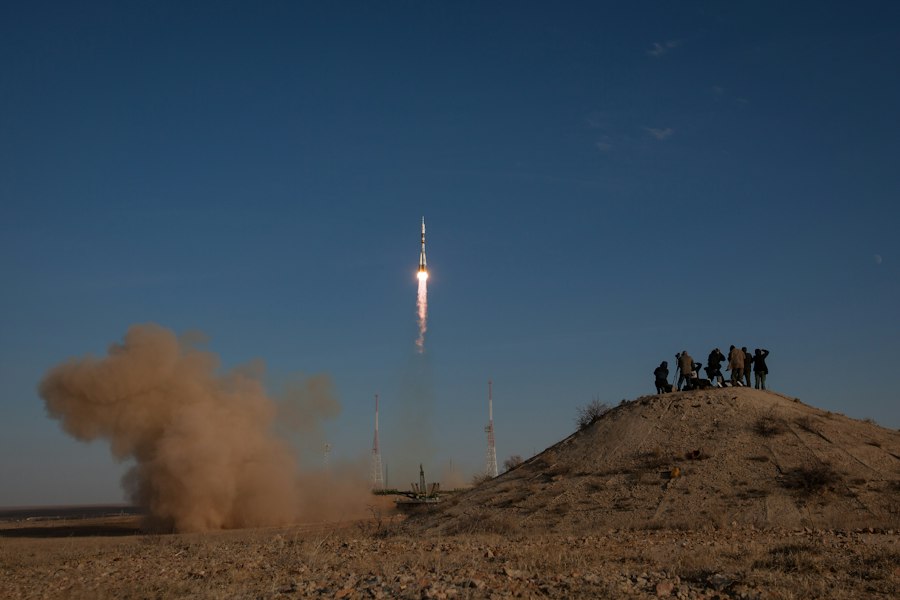
As the spacecraft sheds its hypersonic velocity, the focus shifts to controlled deceleration and a safe touchdown. This phase involves a series of increasingly sophisticated techniques to bring the spacecraft gently to rest.
Parachutes: The Traditional Slowdown
For many capsules, parachutes are the primary means of slowing down the spacecraft during the final stages of reentry. These large, robust devices are deployed at specific altitudes and speeds.
Drogue Chutes and Main Parachutes
Initially, smaller drogue chutes are deployed to further stabilize the spacecraft and reduce its speed. Once the spacecraft has slowed to a certain point, the much larger main parachutes are unfurled to provide the bulk of the deceleration.
Challenges of Parachute Deployment
Deploying parachutes at high speeds and in turbulent atmospheric conditions is a complex engineering feat. The forces involved are immense, and the parachute system must be designed to withstand them.
Retro-rockets and Powered Descent
Some spacecraft, particularly those designed for precision landings on celestial bodies or for carrying larger payloads, utilize retro-rockets. These engines fire against the direction of motion, providing additional braking power.
Controlled Braking and Hovering
Powered descent offers greater control over the landing process, allowing for hovering and precise adjustments to avoid hazards on the landing site. This is crucial for missions where a soft, controlled landing is paramount.
Landing Systems: From Water to Land
The final touchdown method varies significantly depending on the spacecraft’s design and mission objectives.
Splashdowns
Many early spacecraft, and some current ones like SpaceX’s Crew Dragon, utilize splashdowns in the ocean. This provides a relatively soft landing surface, but requires recovery teams to be on standby to retrieve the capsule and its occupants.
Landings with Parachutes
Others, like the Soyuz spacecraft, land on solid ground using parachutes and a final braking burn from small retrorockets to soften the impact.
Runway Landings
The Space Shuttle, and future reusable vehicles like SpaceX’s Starship, aim for runway landings, similar to conventional aircraft. This requires significant aerodynamic control and precise navigation.
The process of interplanetary spacecraft Earth reentry is a complex and critical phase that requires precise engineering and planning to ensure the safety of both the spacecraft and its potential crew. For those interested in exploring this fascinating topic further, you can read a detailed article that discusses the challenges and technologies involved in reentry procedures. This resource provides valuable insights into the intricate designs and calculations necessary for a successful return journey. To learn more about these advancements, check out the article here.
Contingency Planning and Safety Protocols
| Spacecraft | Reentry Date | Reentry Location | Reentry Outcome |
|---|---|---|---|
| Genesis | September 8, 2004 | Utah, USA | Parachute failure, crash landing |
| Stardust | January 15, 2006 | Utah, USA | Successful parachute landing |
| Hayabusa | June 13, 2010 | Woomera, Australia | Successful parachute landing |
Given the inherent risks of atmospheric reentry, rigorous contingency planning and comprehensive safety protocols are paramount. Every conceivable scenario, from equipment failure to unexpected atmospheric conditions, is considered and addressed in the design and operational procedures.
Redundancy in Critical Systems
To mitigate the impact of single-point failures, critical systems are often designed with redundancy. This means that there are multiple backup systems in place that can take over if the primary system malfunctions.
GNC System Redundancy
The GNC system, responsible for guiding the spacecraft, is particularly well-protected with redundant components and processing units.
Heat Shield Redundancy and Inspection
While a heat shield is designed to be the ultimate protector, checks and balances are in place. For reusable shields, rigorous inspection and repair procedures are vital. For ablative shields, engineers calculate a margin of safety, ensuring that even with some degradation, the shield can still perform its function.
Abort Scenarios and Escape Systems
For human-crewed missions, the ability to abort the mission during reentry is a critical safety feature.
Launch Abort Systems
These systems are designed to pull the capsule away from the launch vehicle in the event of an anomaly during ascent or early reentry.
Mid-Reentry Abort Capabilities
While more challenging, some advanced spacecraft are being designed with limited abort capabilities even during the atmospheric reentry phase, offering a last-ditch safety net.
Post-Landing Recovery Operations
The mission doesn’t end with a successful landing. Robust recovery operations are essential to ensure the safe retrieval of the spacecraft and its occupants, and to gather valuable scientific data.
Specialized Recovery Teams
These teams are trained to handle various landing scenarios and are equipped with specialized vehicles and equipment to reach the landed spacecraft quickly and safely.
Onboard Data Analysis and Secure Transmission
Upon recovery, onboard data recorders are accessed, and the vast amount of information collected during the mission, especially the reentry phase, is analyzed. Secure transmission of this data is crucial for future mission planning and technological advancements.
In conclusion, the reentry of an interplanetary spacecraft is a testament to humanity’s relentless pursuit of knowledge and its capacity for innovation. From understanding the fiery physics of atmospheric entry to the intricate dance of GNC systems and the robust design of heat shields, every challenge has been met with ingenious solutions. The successful return of these cosmic voyagers not only signifies the culmination of extraordinary journeys but also paves the way for future explorations, pushing the boundaries of what is possible in the vast expanse of space.

At 25,000 MPH, Earth Becomes the Brake — Here’s How They Survive
FAQs
What is an interplanetary spacecraft Earth reentry?
An interplanetary spacecraft Earth reentry refers to the process of a spacecraft returning to Earth from a mission to another planet or celestial body in space.
What are the challenges of interplanetary spacecraft Earth reentry?
The challenges of interplanetary spacecraft Earth reentry include managing the high speeds at which the spacecraft reenters Earth’s atmosphere, dealing with extreme temperatures and pressures, and ensuring a safe and controlled landing.
How is interplanetary spacecraft Earth reentry managed?
Interplanetary spacecraft Earth reentry is managed through careful planning, engineering, and the use of heat shields, parachutes, and other technologies to protect the spacecraft and its occupants during the reentry process.
What are the potential risks of interplanetary spacecraft Earth reentry?
Potential risks of interplanetary spacecraft Earth reentry include structural damage to the spacecraft, overheating, loss of communication, and the possibility of an uncontrolled or unsafe landing.
What are some examples of successful interplanetary spacecraft Earth reentry missions?
Examples of successful interplanetary spacecraft Earth reentry missions include the Apollo missions, the Mars rovers, and the return of samples from asteroids and comets. These missions have demonstrated the ability to safely return spacecraft and scientific samples from other celestial bodies to Earth.