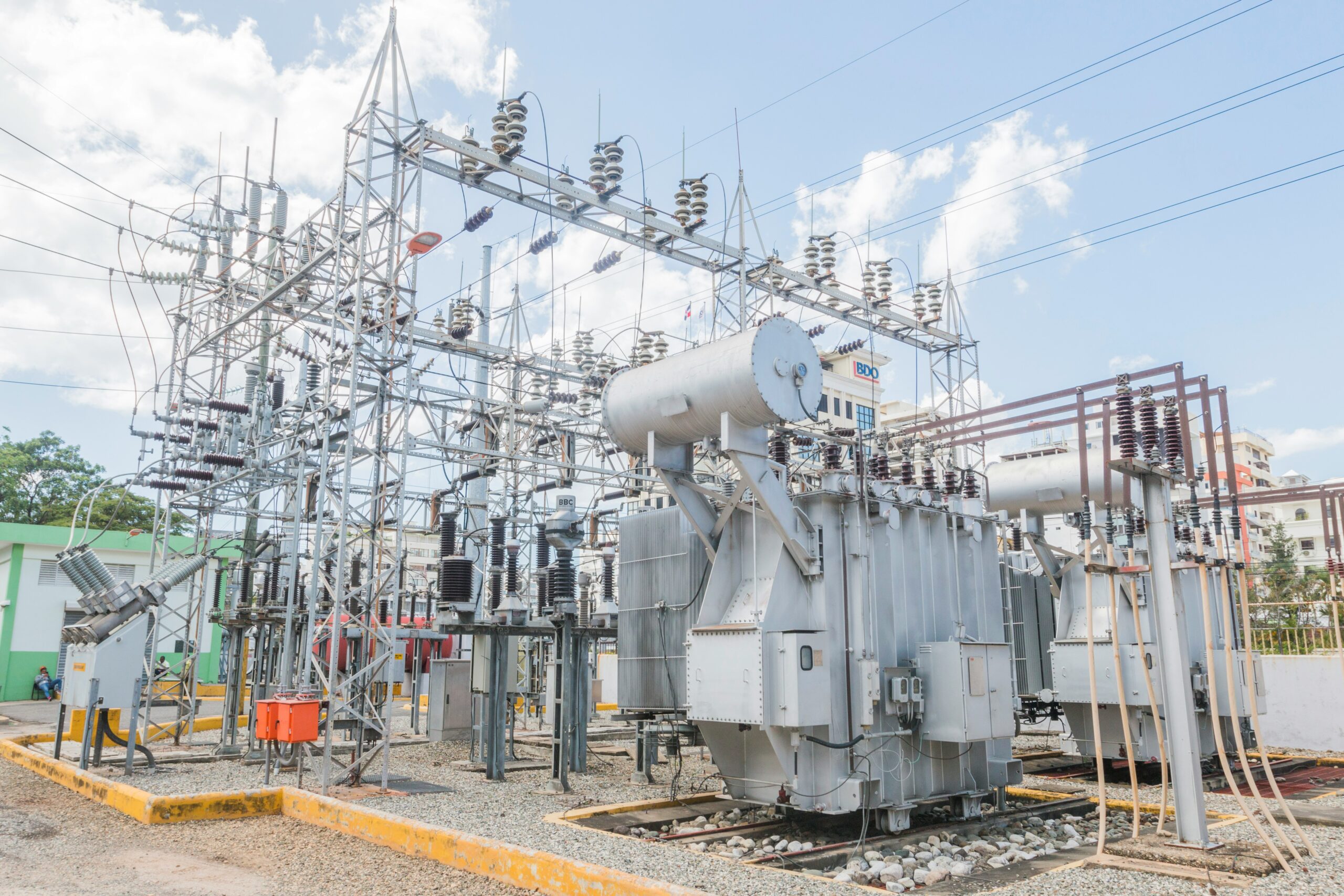
The global energy landscape is undergoing a significant transformation. The increasing demand for electricity, driven by economic growth, electrification initiatives, and the transition to renewable energy sources, necessitates substantial investments in grid infrastructure. Central to this infrastructure are high voltage transformers, critical components responsible for stepping up or stepping down voltage levels to efficiently transmit and distribute power. However, a growing concern within the industry is the lengthening lead times for new high voltage transformer orders. This phenomenon is not isolated to a single region or manufacturer but is a widespread issue impacting project timelines, cost projections, and the overall pace of energy infrastructure development. Understanding the multifaceted origins of these extended lead times is crucial for stakeholders to navigate this evolving market and mitigate potential disruptions.
Contributing Factors to Extended Lead Times
The extended lead times for high voltage transformer orders are not attributable to a single cause but rather a complex interplay of several interconnected factors. These range from global supply chain vulnerabilities to evolving market demands and demographic shifts.
Global Supply Chain Disruptions
The COVID-19 pandemic served as a stark reminder of the fragility of global supply chains. While some immediate disruptions have subsided, underlying vulnerabilities persist, creating ripple effects that continue to impact manufacturing sectors, including high voltage transformer production.
Raw Material Availability and Pricing
The manufacturing of high voltage transformers relies on a specific set of raw materials, each with its own set of supply chain considerations.
Copper and Aluminum Supply
Copper and aluminum are fundamental components in transformer windings and core construction. Global demand for these metals, driven by electrification in various sectors beyond transformers, contributes to price volatility and can lead to shortages. Geopolitical events, labor disputes in mining regions, and logistical challenges in transportation can all impact the consistent availability and cost of these essential commodities. Fluctuations in their pricing directly influence the cost of transformer production and can lead to manufacturers reassessing order books or delaying commitments.
Electrical Steel and Insulation Materials
Electrical steel, crucial for the magnetic core of transformers, is a specialized product. Limited manufacturing capacity for high-grade electrical steel, coupled with increased demand from other electrical equipment manufacturers, can create bottlenecks. Similarly, specialized insulation materials, often derived from refined oils and polymers, are subject to their own supply chain dynamics. Disruptions in the production or transportation of these materials can cascade through the transformer manufacturing process, extending production schedules.
Component Sourcing and Manufacturing Capacity
Beyond raw materials, the assembly of high voltage transformers involves numerous specialized components sourced from various suppliers.
Specialized Electrical Components
Transformers require a complex array of components such as bushings, tap changers, cooling systems, and protection relays. Many of these are highly specialized and manufactured by a limited number of global suppliers. If these specialized component manufacturers experience production issues, labor shortages, or have their own extended lead times for their raw materials, it directly impacts the transformer manufacturer’s ability to complete their assembly. This creates a domino effect, where a delay in one component can halt the entire production line for a transformer.
Limited Global Manufacturing Footprint
While there are numerous transformer manufacturers worldwide, the capacity for producing extremely high voltage and high capacity transformers is concentrated among a fewer number of advanced facilities. These facilities have significant capital investment and specialized expertise. When demand surges, these limited high-capacity manufacturing slots become fully booked, leading to extended waiting periods. Furthermore, expanding such specialized manufacturing capabilities is a time-consuming and capital-intensive undertaking, further contributing to the capacity constraints.
Increased Demand Across Sectors
The surge in demand for high voltage transformers is not uniform but is propelled by significant growth across diverse sectors, each with its own unique drivers.
Renewable Energy Expansion
The global imperative to transition away from fossil fuels is driving unprecedented growth in renewable energy projects, fundamentally reshaping electricity generation.
Solar and Wind Farm Integration
Large-scale solar farms and wind farms, particularly offshore wind projects, require substantial grid upgrades and new substation infrastructure. This includes a significant number of high voltage transformers to connect these distributed generation sources to the main grid. The sheer volume of these projects, often initiated simultaneously to meet climate targets, creates an enormous demand for transformers. The intermittent nature of renewable generation also often necessitates more sophisticated transformer configurations and control systems, adding to the complexity and lead times.
Battery Energy Storage Systems (BESS)
The growing deployment of Battery Energy Storage Systems (BESS) to balance the intermittency of renewables and enhance grid stability is another significant driver of transformer demand. BESS facilities require inverters, transformers, and switchgear to interface with the grid, and as the scale of BESS projects increases, so does the demand for these components.
Grid Modernization and Resilience Efforts
Existing electricity grids, often aging, are in dire need of modernization to improve efficiency, reliability, and resilience against increasingly frequent extreme weather events.
Substation Upgrades and Replacements
Many substations across the globe are decades old and require significant upgrades or complete replacement. These projects involve new or upgraded transformers to handle increased load demands, integrate smart grid technologies, and enhance operational flexibility. The necessity of maintaining grid stability during these upgrades further complicates the process, often requiring phased replacements and careful planning, which can extend the lead time for procuring the necessary transformer equipment.
Transmission Network Expansion
To accommodate the growing electricity demand and facilitate the integration of new generation sources, particularly from remote renewable energy sites, extensive expansion of high voltage transmission networks is underway. This expansion directly translates into a heightened demand for new high voltage transformers to step up power for long-distance transmission and step it down at distribution points. The scale of these national and international transmission projects is vast, creating sustained pressure on transformer manufacturing capacity.
Industrial and Commercial Electrification
Beyond the energy sector itself, various industrial and commercial activities are increasingly electrifying their operations, further augmenting electricity demand.
Data Centers and Manufacturing Plants
The exponential growth of data centers, driven by cloud computing and artificial intelligence, represents a significant new load on electricity grids. These facilities have substantial and continuous power requirements, necessitating robust and reliable electrical infrastructure, including high voltage transformers. Similarly, the “electrification of industry” trend, where traditional fossil fuel-powered processes are replaced with electric alternatives in manufacturing, also contributes to increased electricity consumption and the demand for associated grid infrastructure, including transformers.
Electric Vehicle Charging Infrastructure
The rapid adoption of electric vehicles (EVs) requires a corresponding build-out of charging infrastructure, particularly for fast-charging stations. These stations often tap into higher voltage distribution networks, requiring transformers to meet the localized power demands. While individual charging station transformers may be smaller in scale, the cumulative demand from a widespread EV charging network can contribute to overall transformer market pressure.
In the context of the increasing demand for extra high voltage transformers, lead times have become a critical concern for many industries. A related article that delves into the factors affecting these lead times and offers insights into potential solutions can be found at My Cosmic Ventures. This resource provides valuable information for stakeholders looking to navigate the complexities of transformer procurement and supply chain management in today’s market.
Manufacturing and Production Challenges
The inherent complexities of high voltage transformer manufacturing, coupled with workforce challenges, directly contribute to the extended lead times.
Specialized Manufacturing Processes and Skills
The production of high voltage transformers is not a mass-production endeavor. It involves intricate processes that require specialized knowledge, advanced machinery, and stringent quality control.
Precision Engineering and Assembly
The manufacturing of high voltage transformers demands exceptional precision in every stage, from winding the coils to assembling the core and tank. Even minor deviations can compromise performance and longevity. The assembly process involves intricate manual labor and specialized tooling, requiring highly skilled technicians. Automation in this specific area is limited due to the bespoke nature of many transformer designs and the need for tactile precision.
Advanced Testing and Quality Assurance
Rigorous testing is an indispensable part of high voltage transformer manufacturing. These tests, conducted at various stages of production and before final shipment, are crucial for ensuring the safety, reliability, and performance of the equipment under extreme operating conditions. These tests can be time-consuming and require specialized, often proprietary, testing equipment and highly trained personnel. Any anomaly detected during testing necessitates further investigation, rework, or even partial remanufacturing, further extending the production timeline.
Skilled Workforce Shortages
The global manufacturing sector, including the high voltage transformer industry, is grappling with a concerning shortage of skilled labor, exacerbating production bottlenecks.
Aging Workforce and Retirement
A significant portion of the experienced workforce in specialized manufacturing, including transformer production, is nearing retirement age. This creates a knowledge and skills gap that is difficult to fill quickly. The
FAQs
What is an extra high voltage transformer?
An extra high voltage transformer is a type of electrical transformer designed to handle extremely high voltage levels, typically above 345 kV. These transformers are used to step up or step down voltage levels in power transmission and distribution systems.
What are lead times for extra high voltage transformers?
Lead times for extra high voltage transformers can vary depending on factors such as size, complexity, and demand. Generally, lead times for these transformers can range from several months to over a year.
What factors can impact lead times for extra high voltage transformers?
Factors that can impact lead times for extra high voltage transformers include the availability of raw materials, manufacturing capacity, design complexity, and demand for these specialized transformers.
Why are lead times for extra high voltage transformers longer than for lower voltage transformers?
Lead times for extra high voltage transformers are longer than for lower voltage transformers due to the specialized nature of these high voltage components, as well as the need for rigorous testing and quality control to ensure safety and reliability at such high voltage levels.
How can utilities and power companies mitigate long lead times for extra high voltage transformers?
Utilities and power companies can mitigate long lead times for extra high voltage transformers by working closely with manufacturers to forecast their needs, exploring options for pre-built or pre-engineered transformer solutions, and investing in strategic inventory management to ensure they have the necessary transformers on hand when needed.