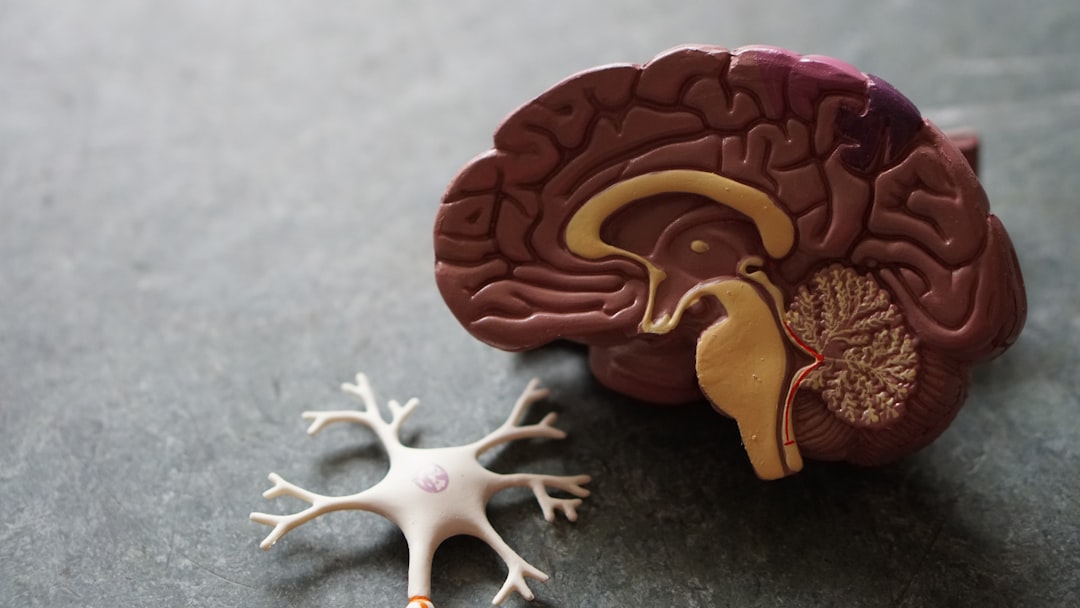
You stand at the threshold of a universe more vast and complex than any you might observe through a telescope. This is the universe within your brain, a sprawling cosmos of consciousness, memory, emotion, and thought. It’s a landscape you inhabit every moment of your existence, yet one you may rarely pause to truly explore. This article serves as your guide, a preliminary map to the extraordinary territories that lie behind your eyes.
Your brain, a dense and convoluted mass of tissue, is the foundation upon which your entire experience of the world is built. Understanding its basic architecture is akin to understanding the fundamental laws of physics before venturing into the cosmos. It’s not about memorizing every neuron, but grasping the principles of its operation.
The Cerebral Cortex: The Command Center
The outermost layer, the cerebral cortex, is where much of your sophisticated cognitive processing occurs. Imagine it as a wrinkled, folded landscape, maximizing surface area within the confines of your skull. This is the seat of your conscious awareness, your ability to reason, to perceive, and to generate language.
Lobes of Control: Specialization and Interconnection
The cortex is divided into four main lobes, each with its primary responsibilities, yet constantly communicating and collaborating.
The Frontal Lobe: The Executive Suite
This region, located at the front of your head, is crucial for your higher-level cognitive functions. It’s where you plan, make decisions, solve problems, and exercise impulse control. Think of it as your brain’s executive director, constantly weighing options and guiding your actions. Damage here can lead to profound changes in personality and decision-making abilities.
The Parietal Lobe: The Spatial Navigator
Situated behind the frontal lobe, the parietal lobe is your sensory processing hub. It integrates information from your senses – touch, temperature, pain, and pressure – allowing you to understand your position in space and interact with your physical environment. It’s responsible for your ability to navigate, to feel the texture of an object, and to distinguish between a hot and a cold sensation.
The Temporal Lobe: The Memory Keeper and Auditory Processor
Located beneath the parietal lobe, the temporal lobe plays a critical role in processing auditory information, language comprehension, and memory formation. This is where you encode new memories, recall past experiences, and understand the spoken word. Its intricate network is essential for your sense of self and your continuity through time.
The Occipital Lobe: The Visual Interpreter
At the back of your head lies the occipital lobe, dedicated almost exclusively to processing visual information. It takes the raw data from your eyes and transforms it into meaningful images, allowing you to see the world in all its complexity. Without this lobe, the world would be a blank slate, devoid of form and color.
Deeper Structures: The Hidden Engines
Beneath the cortex lie older, more primal structures that are equally vital to your existence. These regions govern fundamental biological processes and have been conserved throughout evolutionary history.
The Cerebellum: The Maestro of Movement
Often overlooked, the cerebellum, tucked under the occipital lobe, is critical for coordinating voluntary movements, maintaining balance, and posture. It fine-tunes your motor commands, ensuring smooth and precise actions, from walking to playing a musical instrument.
The Limbic System: The Emotional Core
This collection of structures, including the amygdala and hippocampus, is at the heart of your emotional life and memory. The amygdala processes fear and other strong emotions, while the hippocampus is instrumental in forming new memories. This system shapes your reactions to the world and imbues your experiences with feeling.
The Brainstem: The Life Support System
Connecting the brain to the spinal cord, the brainstem is responsible for essential life-sustaining functions: breathing, heart rate, sleep, and wakefulness. It’s the most ancient part of your brain, ensuring your basic survival mechanisms are always in operation.
In exploring the intricate connections between neuroscience and our understanding of the universe, a related article titled “The Universe Within Your Brain” delves into how our brain processes vast amounts of information and perceives reality. For further insights on this fascinating topic, you can read more in this article: The Universe Within Your Brain.
The Electrochemical Symphony: How Your Brain Communicates
The intricate dance of information within your brain is orchestrated by a complex system of electrochemical signals. Understanding this communication is like understanding the flow of energy and information across a vast network.
Neurons: The Building Blocks of Thought
Your brain is comprised of billions of specialized cells called neurons. These are the fundamental units of the nervous system, responsible for transmitting information throughout your brain and body. Imagine them as tiny, intricate electrical wires, carrying messages at remarkable speeds.
The Anatomy of a Neuron: Senders and Receivers
Each neuron has a cell body, dendrites (which receive signals), and an axon (which transmits signals). This structure allows for a one-way flow of information, creating a directional pathway for communication.
Synapses: The Junctions of Connection
The gaps between neurons, called synapses, are where information is passed from one neuron to another. This transmission is facilitated by chemical messengers called neurotransmitters, which bind to receptors on the receiving neuron, either exciting or inhibiting its activity.
Neurotransmitters: The Chemical Messengers
These powerful chemical molecules are the true architects of your moods, your motivations, and your perceptions. Different neurotransmitters have distinct roles, influencing everything from your alertness to your sense of pleasure.
Serotonin: The Mood Stabilizer
Often associated with feelings of well-being and happiness, serotonin plays a crucial role in regulating mood, sleep, and appetite. Imbalances in serotonin levels are linked to conditions like depression and anxiety.
Dopamine: The Reward and Motivation System
Dopamine is heavily involved in the brain’s reward system, influencing motivation, pleasure, and motor control. It’s the chemical that drives you to seek out experiences that feel good, from eating your favorite food to achieving a personal goal.
Norepinephrine: The Alertness Enhancer
This neurotransmitter is crucial for your body’s “fight or flight” response, increasing alertness, attention, and arousal. It’s what can make you feel energized and ready to face a challenge.
The Landscape of Memory: Storing and Retrieving Your Past
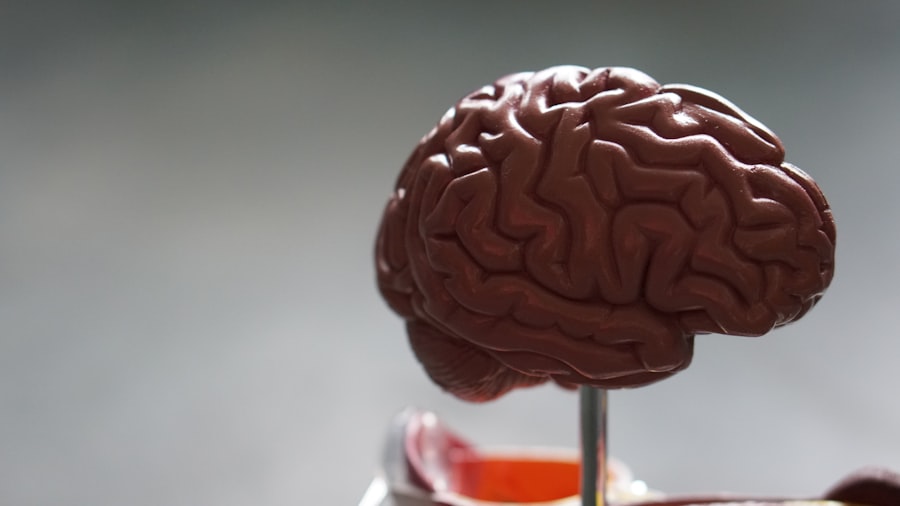
Memory is not a single filing cabinet, but a dynamic and distributed process, constantly being constructed and reconstructed. Exploring its mechanisms reveals how your past shapes your present and informs your future.
The Stages of Memory: From fleeting to permanent
Your brain processes information through distinct stages, each with its own biological underpinnings.
Sensory Memory: The Fleeting Imprint
This is the briefest form of memory, holding sensory information for a fraction of a second. It allows you to process the initial influx of stimuli from your environment, such as the visual afterimage of a flash of light.
Short-Term Memory: The Working Space
Also known as working memory, this is where you hold information actively in mind for a short period, typically seconds to minutes. It’s your mental scratchpad, essential for tasks like following a conversation or doing mental arithmetic.
Long-Term Memory: The Vast Archive
This is your seemingly limitless storage of information, encompassing facts, events, skills, and experiences. It’s the repository of your life story and your accumulated knowledge.
Types of Long-Term Memory: Different Trails to Recall
Within long-term memory, information is categorized and stored in various ways.
Episodic Memory: The Personal Narratives
This is your autobiographical memory, the recollection of specific events and experiences you’ve lived through, complete with their temporal and spatial context. It’s the “what, where, and when” of your personal history.
Semantic Memory: The World of Knowledge
This type of memory stores general knowledge about the world, including facts, concepts, and language. It’s your understanding of what a dog is, the capital of France, or the rules of grammar.
Procedural Memory: The “How-To” Library
Procedural memory is responsible for your ability to perform learned skills and habits, such as riding a bicycle, typing, or playing an instrument. These are often actions you perform without conscious thought.
The Power of Plasticity: Your Brain’s Ever-Changing Nature

The notion that your brain is a static organ after childhood is a misconception. Your brain possesses a remarkable ability to adapt and reorganize itself throughout your life, a phenomenon known as neuroplasticity. This adaptability is the foundation of learning and recovery.
Structural Plasticity: Rewiring the Connections
Neuroplasticity allows your brain to change its physical structure in response to experience. New neural pathways can be formed, and existing ones can be strengthened or weakened.
Learning and Skill Acquisition: Building New Circuits
Every time you learn something new, your brain is physically changing. Practicing a skill strengthens the neural connections involved in that skill, making it more efficient and automatic.
Recovery from Injury: The Brain’s Resilience
In cases of brain injury, plasticity allows other areas of the brain to take over functions that were lost. This is why rehabilitation therapies can be so effective in helping individuals regain lost abilities.
Functional Plasticity: Reassigning Roles
Beyond structural changes, the brain can also reassign functions to different areas. This can occur after injury or as a result of intensive learning.
The Experience-Dependent Brain: Shaped by Your Life
Your environment, your experiences, and your behaviors all actively shape the structure and function of your brain. The more you engage in a particular activity, the more your brain becomes specialized for it.
In exploring the intricate connections between our minds and the cosmos, a fascinating article titled The Universe Within Your Brain delves into how our neural pathways mirror the vastness of the universe. This piece highlights the parallels between brain function and cosmic phenomena, suggesting that understanding our mental processes can lead to deeper insights about the nature of existence itself. By examining these connections, we can appreciate the profound relationship between our inner worlds and the outer universe.
Exploring Your Inner Landscape: Practical Approaches
| Aspect | Metric |
|---|---|
| Neurons | Approximately 86 billion |
| Synapses | Estimated 100 trillion |
| Brain Weight | Average 3 pounds (1.4 kilograms) |
| Brain Size | Average 1,400 cubic centimeters |
| Neurotransmitters | Over 100 different types |
Understanding the universe within your brain isn’t just an academic pursuit; it offers practical pathways to enhance your well-being and cognitive function.
Mindfulness and Meditation: Cultivating Awareness
Practicing mindfulness and meditation can provide you with direct access to the workings of your own mind. By focusing your attention and observing your thoughts and feelings without judgment, you can gain insight into your cognitive patterns.
The Benefits of Focused Attention: Training Your Brain
Regular meditation practice has been shown to alter brain structure and function, improving attention span, reducing stress, and enhancing emotional regulation. It’s like strength training for your prefrontal cortex.
Observing Your Thoughts: Detaching from the Stream
Through mindfulness, you learn to observe your thoughts as passing phenomena rather than absolute truths. This detachment can be immensely empowering, allowing you to respond to situations more thoughtfully rather than reactively.
Learning and Cognitive Stimulation: Keeping Your Brain Active
Engaging your brain in new challenges and learning opportunities is essential for maintaining its health and plasticity.
Novelty and Challenge: The Fuel for Growth
Seeking out new experiences, learning new languages, playing musical instruments, or engaging in complex problem-solving all stimulate neural growth and strengthen cognitive abilities.
Reading and Critical Thinking: Sharpening Your Intellect
Regular reading challenges your brain to process information, develop comprehension skills, and engage in critical thinking. Analyzing arguments and forming your own conclusions fortifies your intellectual landscape.
Sleep and Rest: The Brain’s Essential Maintenance
Adequate sleep is not merely a period of inactivity; it’s a critical time for your brain to consolidate memories, clear out metabolic waste, and repair itself.
Memory Consolidation: Turning Experiences into Lasting Memories
During sleep, your brain replays and strengthens the neural connections associated with new memories, transferring them from short-term to long-term storage.
Waste Removal: The Glymphatic System at Work
Emerging research highlights the glymphatic system, which actively clears metabolic byproducts from the brain during sleep, a process crucial for maintaining optimal brain health.
Social Connection and Emotional Well-being: The Interconnected Brain
Your brain is a social organ, and meaningful social connections have a profound impact on your cognitive and emotional health.
The Impact of Social Interaction: Strengthening Neural Networks
Engaging in conversations, participating in group activities, and fostering supportive relationships all stimulate neural pathways and contribute to a sense of belonging.
Managing Stress: Protecting Your Cognitive Resources
Chronic stress can have detrimental effects on brain function, particularly on the hippocampus and prefrontal cortex. Learning effective stress management techniques is vital for preserving cognitive health.
Your brain is a universe you carry with you, a place of incredible complexity and potential. By engaging in conscious exploration and mindful practices, you can begin to chart its territories, understand its mechanisms, and ultimately, harness its remarkable power for a richer and more informed existence. The journey within is as vast and as awe-inspiring as any journey among the stars.
FAQs
What is the article “The Universe Within Your Brain” about?
The article “The Universe Within Your Brain” explores the complex and intricate workings of the human brain, highlighting its vast capabilities and the parallels that can be drawn between the universe and the brain.
How is the brain compared to the universe in the article?
The article draws parallels between the brain and the universe by highlighting the vastness and complexity of both. It discusses how the brain contains billions of neurons and trillions of connections, similar to the countless stars and galaxies in the universe.
What are some of the capabilities of the human brain discussed in the article?
The article discusses the brain’s ability to process and store vast amounts of information, its capacity for creativity and imagination, and its role in shaping human consciousness and perception of the world.
What are some key takeaways from the article “The Universe Within Your Brain”?
Key takeaways from the article include the awe-inspiring complexity of the human brain, the parallels that can be drawn between the brain and the universe, and the potential for further exploration and understanding of the brain’s capabilities.
How does the article “The Universe Within Your Brain” contribute to our understanding of the human brain?
The article contributes to our understanding of the human brain by highlighting its vast capabilities and drawing parallels between the brain and the universe, encouraging further exploration and appreciation of the brain’s complexity.