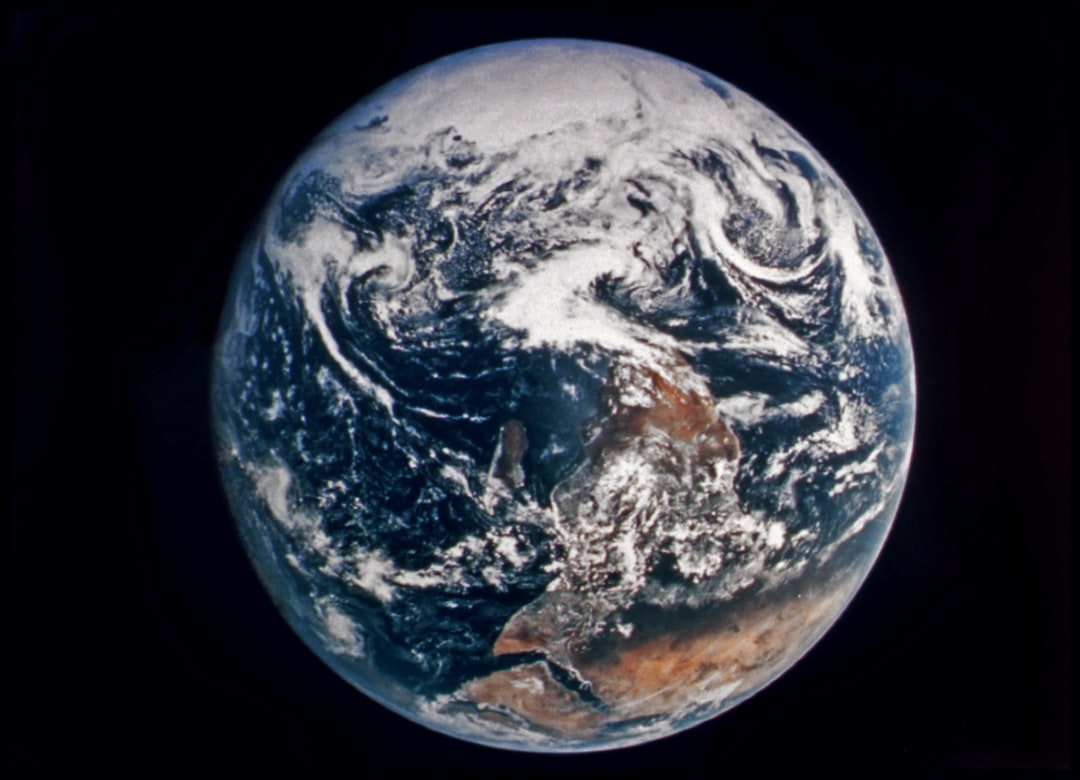
The assertion that humanity functions as living extrusions of Earth, a biological extension of the planet itself, prompts a re-evaluation of our place within the biosphere. This perspective moves beyond anthropocentric viewpoints, framing human existence not as an independent entity imposed upon nature, but as an intrinsic and evolved component of Earth’s intricate biological tapestry. It suggests a continuous, dynamic relationship where human activities, while possessing the capacity for disruption, are also deeply rooted in and inextricably linked to planetary processes. This deep connection implies that our actions have profound, often overlooked, ramifications for the Earth system, and conversely, that we are fundamentally shaped by its conditions and limitations. Understanding ourselves as living extrusions necessitates an examination of our biological origins, our symbiotic yet often exploitative relationship with the environment, and the feedback loops that define this intricate dance. It is a framework that encourages responsible stewardship, acknowledging that the health and future of humanity are contingent upon the well-being of the Earth.
Evolutionary Lineage and Biodiversity
The emergence of Homo sapiens is not a singular event, but rather the culmination of billions of years of evolutionary history. Tracing our lineage back through hominids, primates, mammals, and ultimately to the earliest single-celled organisms, reveals a profound shared ancestry with all life on Earth. This biological inheritance underscores our deep integration into the planet’s evolutionary narrative. The diversity of life that preceded and coevolved with us has provided the very foundation upon which our species developed. The complex ecosystems that sustained our ancestors offered crucial resources, from food sources that shaped our physiology to the atmospheric composition that enabled our respiration. This intricate web of life, a product of eons of speciation and adaptation, is not an external stage upon which humans perform, but a living matrix from which we have emerged. Our genetic makeup itself is a testament to this evolutionary journey, carrying within it echoes of countless ancient organisms and the adaptations they developed to thrive in diverse environments. The very blueprint of human life is a synthesis of Earth’s biological experimentation, a testament to its capacity for generating complex and diverse forms.
Adaptation and Environmental Pressures
The development of human traits, from bipedalism and manual dexterity to sophisticated cognitive abilities, can be understood as adaptations to specific environmental pressures faced by our ancestors. These pressures, exerted by the Earth’s changing climates, geological shifts, and the availability of resources, acted as powerful selective forces. The expansion of grasslands, for instance, is hypothesized to have favored upright posture, freeing hands for tool use. The ability to manipulate fire, another environmental factor, revolutionized human diet and social structures. Our capacity for abstract thought, language, and complex social organization can also be viewed as evolutionary responses to the challenges of survival and reproduction in dynamic and often unpredictable environments. These adaptations did not occur in a vacuum; they were shaped by the intricate interactions between early humans and their respective ecosystems. The Earth’s geological and climatic history, therefore, can be seen as a sculpting force, guiding the trajectory of human evolution and cementing our status as products of its dynamic processes.
The Biological Foundation: Shared Biochemistry
At the most fundamental level, human biology is indistinguishable from that of other Earth life in its underlying biochemistry. The same fundamental building blocks – amino acids forming proteins, nucleotides forming nucleic acids, and lipids forming cell membranes – are universal across the planet’s known life forms. Our cells utilize the same energy currency, ATP, and our genetic code, DNA, shares the same codons with myriad other organisms. This shared molecular architecture is not coincidental; it is a powerful indicator of our deep biological connection to the rest of the biosphere. We are, in essence, a complex arrangement of the same fundamental chemical components that constitute bacteria, plants, and fungi. This shared biochemistry means that our physiological processes, our metabolic pathways, and our responses to environmental toxins are all informed by the same fundamental biological principles that govern life on Earth. It highlights that our existence is rooted in the planet’s capacity to assemble these essential molecules and facilitate the complex chemical reactions that define life.
The concept of humans as biological extrusions of Earth is fascinating and can be further explored in the article found at My Cosmic Ventures. This piece delves into the intricate relationship between humanity and the planet, examining how our biological makeup is deeply intertwined with the Earth’s ecosystems. It discusses the idea that we are not separate from nature, but rather an extension of it, shaped by the same processes that govern all life forms. This perspective encourages a deeper understanding of our role within the biosphere and highlights the importance of sustainable living.
The Human Imprint: Biological Manifestations on Earth
Resource Extraction and Environmental Transformation
Human civilization, from its earliest stages to the present, has been characterized by the extraction and utilization of Earth’s natural resources. Agriculture, mining, forestry, and fossil fuel extraction represent direct interventions that reshape landscapes and alter biogeochemical cycles. The transformation of vast tracts of forest into farmland, the carving of mines into mountainsides, and the harnessing of subsurface energy reserves are all tangible manifestations of our species’ biological imperative to secure sustenance and energy. These activities, while enabling human population growth and societal development, inevitably leave a physical imprint on the planet. The alteration of soil composition, the depletion of water tables, and the fragmentation of habitats are all direct consequences of our resource-driven existence. The sheer scale of these transformations underscores our capacity to act as a geological and ecological force, altering the Earth’s surface and its biological communities.
Habitat Alteration and Biodiversity Loss
The expansion of human populations and the development of infrastructure have led to widespread habitat alteration and a consequent decline in biodiversity. Urbanization, industrialization, and agricultural intensification have fragmented and degraded natural ecosystems, reducing the available space and resources for numerous species. This process of habitat loss is a primary driver of the ongoing Sixth Mass Extinction event. As specific ecosystems are modified or destroyed to accommodate human needs, the intricate interdependencies within those systems are disrupted, leading to the decline and eventual disappearance of dependent species. Our actions, driven by the need for space, food, and materials, directly impact the ability of other life forms to persist. This loss of biodiversity represents a diminishment of Earth’s intrinsic biological richness, a consequence of our species’ expansion and its attendant demands. The extinction of species is not merely the loss of individual organisms; it is the unraveling of complex biological relationships that have evolved over millennia.
Introduction of Invasive Species and Disease
Human mobility, facilitated by modern transportation, has inadvertently led to the introduction of species into ecosystems where they are not native. These invasive species can outcompete native flora and fauna for resources, alter habitat structure, and introduce novel diseases. The impact of such introductions can be profound, disrupting ecological balance and leading to significant biodiversity loss. Similarly, human activities can facilitate the spread of pathogens, potentially leading to pandemics that affect both human and animal populations. Our interconnectedness, while beneficial in many ways, also creates pathways for the unintended dissemination of biological agents, demonstrating our role as vectors within the Earth’s biological systems. The introduction of novel organisms and diseases can trigger cascading ecological effects, altering the composition and function of entire ecosystems. This underscores the sensitivity of established biological communities to external influences, a sensitivity that humans, through their actions, can significantly amplify.
The Symbiotic Paradox: Dependence and Dominance

Coevolutionary Relationships: Past and Present
Throughout evolutionary history, humans have engaged in coevolutionary relationships with other species. The domestication of plants and animals, for example, represents a long-standing pattern of mutual adaptation. Humans provided selective pressures that favored traits beneficial for cultivation and consumption, while in turn, these domesticated species provided reliable food sources and other resources that supported human population growth. This symbiotic exchange, while beneficial to both partners to varying degrees, has also fundamentally altered the genetic makeup of domesticated species and the landscapes they inhabit. The development of agriculture, a cornerstone of human civilization, is a prime example of coevolution, where human ingenuity and the inherent adaptability of certain plant and animal species converged to create new ecological niches. This past interaction highlights a pattern of influence and adaptation that continues, albeit often in more exploitative forms, in the present.
Exploitation and the Imbalance of Power
The current state of human-Earth relations is often characterized by a significant imbalance of power, leading to the exploitation of natural resources and ecosystems for human benefit, often with little regard for the consequences for other species or the planet’s overall health. This exploitation is driven by economic imperatives, population growth, and a perceived separation between humanity and the natural world. The sustained extraction of resources at rates exceeding natural replenishment, the pollution of air and water, and the disruption of climate patterns are all symptoms of this exploitative dynamic. This imbalance makes it difficult to recognize our role as extensions of the Earth, as our actions often function to diminish its inherent biological capacity. The drive for short-term human gain frequently overrides long-term ecological sustainability, creating a unsustainable trajectory.
The Concept of the Anthropocene
The proposed geological epoch, the Anthropocene, acknowledges the profound and widespread impact of human activities on Earth’s geology and ecosystems. This concept suggests that humanity has become a dominant geological force, capable of altering fundamental planetary processes. The changes associated with the Anthropocene include increased levels of greenhouse gases, widespread plastic pollution, widespread species extinction, and significant alterations to the Earth’s surface. Recognizing the Anthropocene signifies a shift in understanding, where human actions are no longer viewed as marginal environmental impacts but as forces shaping the very planet. It is a concept that inherently positions humanity as a powerful, and often disruptive, biological extrusion. This epochal designation highlights a fundamental shift in the Earth system, a shift driven by the cumulative effects of human endeavors.
Feedback Loops and Planetary Responsiveness

Climate Change as a Global Feedback Mechanism
The warming of the planet due to increased greenhouse gas concentrations represents a critical feedback loop within the Earth system, and human activity is the primary driver. As global temperatures rise, ice caps melt, leading to rising sea levels and further contributing to warming by reducing the Earth’s reflectivity (albedo). Ocean currents can shift, altering weather patterns and potentially releasing stored methane, a potent greenhouse gas. These interwoven responses demonstrate how human-induced changes initiate a cascade of further transformations within the planet’s interconnected systems. Our activities, acting as a perturbation, trigger a series of reactions within the Earth’s complex climate machinery. This feedback highlights the sensitivity of the Earth system to sustained external influences.
Resource Depletion and Ecological Collapse
The unsustainable depletion of finite natural resources, such as freshwater, fertile soil, and certain mineral deposits, creates negative feedback loops that can lead to ecological collapse and societal instability. As resources become scarcer, competition intensifies, potentially leading to conflict and further environmental degradation. The loss of soil fertility, for example, reduces agricultural productivity, threatening food security. The depletion of fish stocks can cripple marine ecosystems and coastal economies. These cascading failures demonstrate how the overexploitation of specific components of the Earth system can undermine the stability of the whole. Our actions, by depleting essential planetary capital, can initiate a downward spiral of ecological and societal consequences. The interconnectedness of these systems means that the degradation of one can have far-reaching implications for others.
Biodiversity and Ecosystem Resilience
The loss of biodiversity weakens the resilience of ecosystems. Diverse ecosystems are better equipped to withstand and recover from environmental disturbances, such as droughts, floods, and disease outbreaks. As species are lost, the intricate web of interactions that maintains ecosystem function becomes more fragile. This diminished resilience means that ecosystems are more susceptible to tipping points, where gradual changes can lead to abrupt and irreversible shifts in their state. The reduction in Earth’s biological richness, therefore, directly impacts its inherent capacity to adapt and respond to environmental challenges. Our impact on biodiversity is not merely the loss of unique life forms; it is a reduction in the planet’s own capacity to self-regulate and maintain stability. This loss of resilience is a critical vulnerability for the entire Earth system.
The concept that humans are biological extrusions of Earth suggests a profound connection between our existence and the planet itself, emphasizing how we are products of its processes. This idea is explored in greater depth in an intriguing article that delves into the intricate relationship between humanity and the environment. For those interested in understanding this connection further, you can read more about it in this insightful piece on cosmic ventures. By examining our biological roots, we can gain a deeper appreciation for the Earth and our role within its ecosystem.
Toward a More Integrated Understanding
| Aspect | Explanation |
|---|---|
| Chemical Composition | Humans are made up of the same elements found in the Earth’s crust, such as carbon, oxygen, hydrogen, and nitrogen. |
| Evolutionary Connection | Humans share a common evolutionary history with all life on Earth, indicating our biological connection to the planet. |
| Dependence on Ecosystems | Humans rely on Earth’s ecosystems for resources such as food, water, and air, highlighting our biological dependence on the planet. |
| Genetic Similarities | Genetic studies have shown that humans share a significant portion of their DNA with other organisms on Earth, further emphasizing our biological connection to the planet. |
Rethinking Human-Nature Dichotomies
The paradigm of humans as living extrusions challenges the deeply ingrained Western philosophical dichotomy that posits a strict separation between humanity and nature. This dualistic thinking often positions humans as masters of, or separate from, the natural world, fostering a mindset of external control rather than intrinsic connection. Embracing the extrusion concept requires a re-framing, recognizing that our biological processes, our needs, and our impacts are fundamentally interwoven with planetary systems. This understanding moves us away from a sense of dominion towards one of stewardship and responsibility, acknowledging that our actions are not external to the Earth but rather internal modifications of its complex being. Dissolving this artificial divide is crucial for fostering a more sustainable and harmonious relationship with the planet.
Stewardship as an Intrinsic Responsibility
If we understand ourselves as biological extensions of Earth, then the concept of stewardship transforms from an ethical choice into an inherent responsibility. Caring for the planet, in this view, is akin to caring for one’s own body or extended being. It means recognizing that the health of ecosystems and the preservation of biodiversity are not altruistic endeavors, but essential for our own long-term survival and well-being. This perspective encourages proactive measures to mitigate our negative impacts, restore degraded environments, and foster sustainable practices that align with Earth’s natural processes. It implies a duty to maintain the integrity of the biological systems that support our existence. This intrinsic link creates a powerful imperative for responsible action.
Fostering a Biocentric Consciousness
Cultivating a biocentric consciousness involves shifting our perspective to recognize the inherent value of all life, not just that which directly benefits humans. This entails appreciating the complex roles played by diverse species and ecosystems and understanding the interconnectedness of all living things. Developing this consciousness can inform more ethical decision-making, encourage conservation efforts, and promote a deeper respect for the natural world. It is a vital step towards harmonizing human activities with Earth’s biological imperatives, moving beyond anthropocentric justifications for environmental protection towards a recognition of life’s intrinsic worth. This expanded awareness is essential for navigating the complexities of our role as living extrusions.
FAQs
What does it mean to say that humans are biological extrusions of earth?
Humans are made up of the same elements and compounds that are found in the Earth’s crust, such as carbon, hydrogen, oxygen, and nitrogen. This concept suggests that humans are essentially a product of the Earth’s natural processes.
How are humans connected to the Earth biologically?
Humans rely on the Earth for essential resources such as water, air, and food. Our bodies are adapted to the conditions of the Earth, and our biological processes are influenced by the environment and ecosystems around us.
What evidence supports the idea that humans are biological extrusions of earth?
Scientific studies have shown that the elements and compounds found in the human body are also present in the Earth’s crust. Additionally, research in fields such as ecology, biology, and geology has demonstrated the interconnectedness of human biology with the natural world.
What implications does this concept have for how humans interact with the environment?
Understanding that humans are biological extrusions of Earth highlights the importance of sustainable and responsible interactions with the environment. It emphasizes the need to protect and preserve natural resources for the well-being of both humans and the planet.
How does this concept impact our understanding of human identity and existence?
Recognizing that humans are deeply connected to the Earth biologically can lead to a greater appreciation for the interconnectedness of all life on the planet. It can also foster a sense of responsibility for caring for the Earth and its ecosystems as an integral part of human identity and existence.