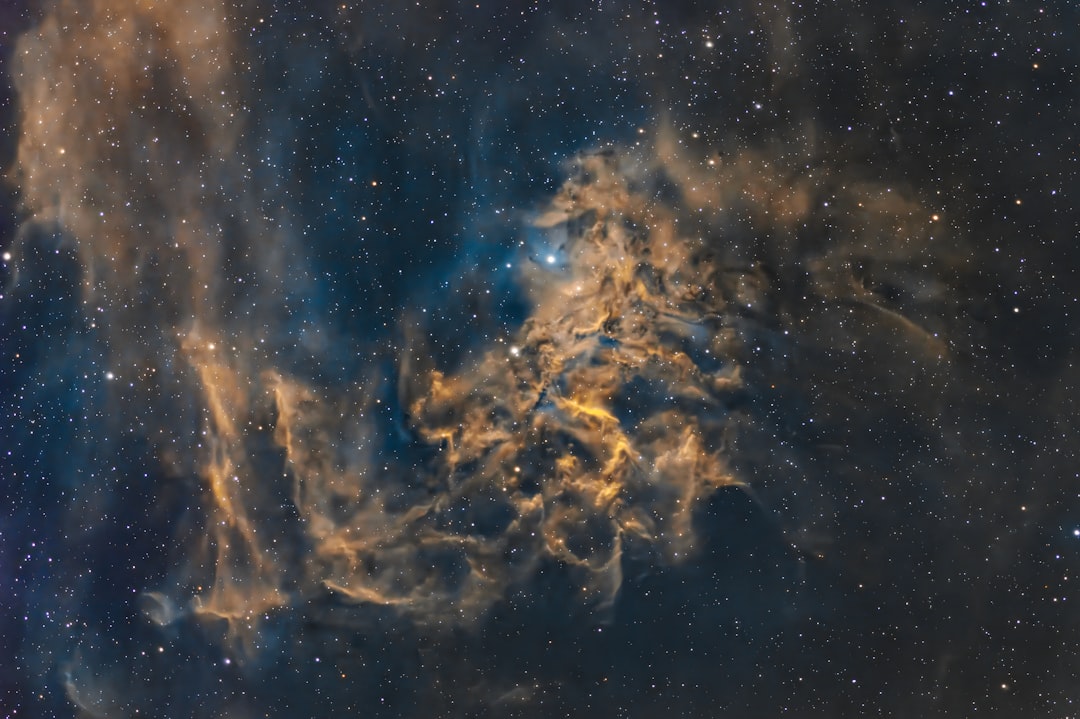
The vast expanse of space, often envisioned as empty and tranquil, harbors a pervasive and insidious threat to interstellar travel: cosmic dust. Far from its terrestrial namesake, this extraterrestrial particulate matter, ranging in size from microscopic grains to pebble-sized fragments, poses a significant danger to the integrity and operational capacity of starships. Its silent passage through the void, a constant bombardment over extended voyages, can lead to cumulative damage that compromises critical systems and ultimately endangers the lives of crews.
Cosmic dust is not a homogenous substance. Its composition is remarkably diverse, reflecting the varied celestial phenomena from which it originates. Understanding this elemental makeup is crucial for appreciating its destructive potential.
Stellar Nucleosynthesis and Dust Formation
The building blocks of cosmic dust are forged in the hearts of stars through the process of nucleosynthesis. Lighter elements fuse together, creating heavier ones. Dying stars, particularly red giants and supernovae, play a pivotal role in dispersing these newly synthesized elements into interstellar space.
Formation in Stellar Envelopes
As stars like red giants expand and cool, they shed their outer layers. This material, rich in elements like carbon, silicon, and oxygen, can condense into solid dust grains within the cooling stellar envelopes. These grains then drift away, contributing to the interstellar medium.
Supernova Remnants as Dust Factories
Supernovae, the cataclysmic explosions of massive stars, are even more prolific dust producers. The immense energy released in these events ejects vast quantities of material, including heavy elements formed during the star’s life and the explosion itself. These elements can then coalesce into dust particles in the expanding supernova remnant.
Interstellar Medium: The Dust Reservoir
Once released, these dust particles become integral components of the interstellar medium (ISM), the diffuse material that permeates the space between stars. The ISM is a complex mixture of gas and dust, and its density varies significantly across different regions of a galaxy.
Diffuse Clouds and Dense Cores
Cosmic dust is found in both diffuse clouds, where it is spread thinly, and in denser regions like molecular clouds. It is in these denser environments that dust plays a crucial role in the formation of new stars and planetary systems.
Galactic Distribution
The distribution of cosmic dust is not uniform throughout galaxies. Spiral arms, for instance, tend to be richer in dust due to ongoing star formation, while inter-arm regions are generally more transparent.
Molecular and Atomic Species within Dust
The tiny grains of cosmic dust are not simple mineral aggregates. They can incorporate a wide range of molecules and even amorphous compounds, further complicating their interaction with spacecraft.
Silicates and Carbonaceous Materials
Silicate grains, similar in composition to terrestrial rocks, are a common component. Carbonaceous dust, including graphitic structures and organic molecules, is also prevalent, hinting at the complex chemistry occurring in space.
Ices and Water Formation
In colder, denser regions, dust grains can act as surfaces for the accretion of molecules, including water, ammonia, and carbon monoxide, forming icy mantles. These icy dust grains are significant in interstellar chemistry.
In the fascinating realm of space exploration, the dangers posed by cosmic dust to starships are often underestimated. A related article that delves deeper into this topic can be found at My Cosmic Ventures, where it discusses how even the smallest particles can cause significant damage to spacecraft, impacting their structural integrity and operational capabilities. Understanding these risks is crucial for the design and maintenance of future starships as humanity ventures further into the cosmos.
The Mechanisms of Starship Degradation
The seemingly innocuous presence of cosmic dust translates into significant threats to starships through a variety of physical and chemical processes. These mechanisms, acting individually or in concert, can lead to the gradual but insistent degradation of vital spacecraft components.
Kinetic Impact and Abrasive Erosion
The primary and most direct threat from cosmic dust is its kinetic energy. Even small particles traveling at high relative velocities can inflict damage upon impact.
Micrometeoroid Impact Damage
While often categorized with larger micrometeoroids, dust particles, especially in dense streams or during close planetary flybys, can cause pitting and surface abrasion on exposed ship components. This erosion can reduce the reflectivity of thermal control surfaces, affecting temperature regulation.
Material Fatigue and Fractures
Repeated impacts from dust particles, even at lower velocities, can induce stress concentrations within materials. Over prolonged periods, this can lead to material fatigue, micro-cracking, and eventual structural failure in sensitive areas like solar panels or antenna arrays.
Erosion of Thermal Coatings
Critical thermal control surfaces, designed to manage the extreme temperature fluctuations in space, are particularly vulnerable. Dust impacts can strip away these reflective or emissive coatings, altering the thermal balance of the spacecraft and potentially leading to overheating or excessive cooling of sensitive electronics.
Contamination and Fouling of Critical Systems
Beyond direct physical damage, cosmic dust can infiltrate and contaminate various ship systems, leading to malfunctions and reduced efficiency.
Optical System Degradation
Telescopes, sensors, and camera lenses are highly susceptible to dust contamination. A thin film of dust on optical surfaces can scatter light, reduce image clarity, and introduce artifacts, severely limiting the scientific return of observational instruments.
Sensor Impairment
Many scientific sensors rely on precise measurements of electromagnetic radiation. Dust accumulating on sensor apertures can block or scatter incoming radiation, leading to inaccurate readings and rendering the instruments unreliable for critical data collection.
Lubricant Contamination
Moving parts in spacecraft mechanisms, such as gyroscopes, reaction wheels, and robotic arm joints, often rely on specialized lubricants. If dust particles enter these systems, they can act as abrasives, degrading the lubricant and leading to increased friction, wear, and eventual seizure of the mechanism.
Chemical Reactions and Corrosive Effects
The chemical nature of some cosmic dust particles, particularly those with reactive surfaces or incorporated volatile compounds, can lead to corrosive interactions with ship materials.
Oxidation and Passivation Breakdown
Certain dust compositions can react with exposed metal surfaces, initiating oxidation processes. This can compromise the structural integrity of components and degrade their protective passivation layers, making them more susceptible to further degradation.
Interaction with Propellant Systems
Even trace amounts of reactive dust particles entering propellant lines or combustion chambers could potentially catalyze unwanted chemical reactions, leading to inefficient burns, unpredictable thrust, or even explosions.
Bio-contamination and Inadvertent Introduction of Extraterrestrial Material
While not typically an operational hazard in the same vein as physical damage, the potential for cosmic dust to carry organic molecules or pre-biotic compounds raises concerns about planetary protection and the potential for inadvertent bio-contamination of celestial bodies during landing operations.
The Vulnerability of Starship Components
Specific components of starships are disproportionately affected by cosmic dust due to their exposed nature, material properties, or critical functional requirements.
Exposed Surfaces and Shields
Components that are not heavily shielded are the first line of defense and the most susceptible to dust impacts.
Solar Panel Degradation
Solar panels, essential for power generation, have large surface areas exposed to the cosmic environment. Dust accumulation and impact can scratch the photovoltaic cells, reduce their efficiency, and diminish the overall power output of the spacecraft.
Radiator and Heat Dissipation Systems
Heat radiators, vital for shedding excess heat generated by onboard systems, can become fouled by dust. This reduces their radiative efficiency, potentially leading to overheating of critical electronics.
External Sensors and Antennas
Scientific sensors, communication antennas, and navigation beacons are all exposed and thus vulnerable. Dust buildup can degrade signal strength and accuracy, impacting communication and navigation capabilities.
Moving Parts and Mechanical Systems
Systems with moving parts are prime targets for dust infiltration and subsequent malfunction.
Gyroscopic Stabilizers and Reaction Wheels
These critical components for attitude control rely on precision engineering and smooth operation. Dust contamination can introduce friction and imbalance, compromising the ship’s stability and maneuverability.
Robotic Arms and Docking Mechanisms
External robotic arms used for inspection, repair, or cargo transfer are prone to dust accumulation on their joints and actuators, potentially leading to restricted movement or complete failure.
Engine Nozzles and Thruster Components
While designed to withstand extreme conditions, prolonged exposure to fine particulate matter could potentially lead to erosion or contamination of delicate internal components of thrusters, affecting their performance and lifespan.
Optical and Sensor Apertures
The critical need for clear visibility and accurate measurement makes these components highly vulnerable to even thin layers of dust.
Telescope Lenses and Mirrors
The delicate coatings and precise surfaces of astronomical instruments are easily marred by dust. This can lead to reduced light gathering capabilities and image degradation, compromising scientific objectives.
Camera Lenses and Star Trackers
Navigation and observation cameras, including star trackers used for precise orientation, will have their performance severely impaired by dust obscuring their view.
Spectrometer and Photometer Windows
Any scientific instrument requiring direct interaction with incoming radiation through a window or aperture will suffer from dust accumulation, leading to inaccurate data.
Mitigation Strategies and Future Imperatives
The persistence of cosmic dust as a threat necessitates robust mitigation strategies for current and future starship designs. These solutions range from material science advancements to operational protocols.
Material Science Innovations
Developing materials that are inherently resistant to dust impact and contamination is a key area of research.
Self-Cleaning and Dust-Repellent Surfaces
Research into superhydrophobic, oleophobic, and self-cleaning materials that can shed dust particles or prevent adhesion is a promising avenue. This could involve specialized coatings or textured surfaces.
Hardened and Erosion-Resistant Materials
Utilizing materials with inherently higher resistance to abrasion and impact, such as ceramics or advanced composites, for critical exposed components can significantly improve durability.
Radiation and Thermal Stability
Developing materials that maintain their structural integrity and functional properties under prolonged exposure to cosmic radiation and extreme temperature fluctuations, while also resisting dust adhesion, is crucial.
Protective Shielding and Design Considerations
Incorporating physical barriers and intelligent design principles can further safeguard vulnerable systems.
Multi-Layered Shielding
Employing multi-layered shielding, similar to Whipple shields used for larger micrometeoroids, can dissipate the energy of impacting dust particles and reduce cumulative damage.
Retractable or Deployable Shields
For components that are only exposed during specific operations, retractable or deployable shields can offer protection when not in active use, such as for optical instruments.
Aerodynamic Shaping and Dust Deflection
Designing the external shape of starships to minimize direct dust impact on sensitive areas, potentially by creating deflection zones or smoother surfaces, can be beneficial.
Operational Protocols and Maintenance
Implementing intelligent operational procedures and establishing robust maintenance schedules can help manage the ongoing threat.
Dust Monitoring and Assessment Systems
Onboard sensors capable of detecting and quantifying dust particle density and impact rates can provide early warning and inform operational decisions.
In-Situ Cleaning and Repair Technologies
Developing autonomous or remotely operated cleaning systems, such as electrostatic dust removers or micro-particle blasting equipment, could allow for periodic maintenance and remediation of affected systems.
Mission Planning and Trajectory Optimization
Careful planning of mission trajectories to avoid regions of particularly high dust density or to minimize exposure times can significantly reduce risk.
The Importance of Continued Research and Development
The challenge posed by cosmic dust is not static. As humanity ventures further into space and designs more complex vessels, understanding and combating this ubiquitous threat will remain paramount.
Advanced Simulation and Modeling
Continued development of sophisticated computational models to simulate dust-particle interactions with spacecraft materials and systems is essential for predicting long-term effects and testing mitigation strategies.
In-Situ Experimentation and Data Collection
Conducting dedicated experiments in space to study the behavior of various dust compositions under different environmental conditions will provide invaluable data for refining designs and operational protocols.
International Collaboration and Knowledge Sharing
Given the universal nature of the threat, international collaboration in researching and developing solutions for cosmic dust mitigation is vital to ensure the safety and success of future interstellar endeavors.
In the vast expanse of space, cosmic dust poses a significant threat to starships, as detailed in a fascinating article on the subject. The tiny particles, often overlooked, can cause severe damage to the hulls of spacecraft, leading to catastrophic failures. For those interested in understanding the implications of this phenomenon, you can read more about it in the article on cosmic ventures. The insights provided there shed light on how even the smallest elements in the universe can have a profound impact on interstellar travel. For further exploration, check out the article at mycosmicventures.com.
The Long-Term Implications for Interstellar Travel
| Aspect | Impact |
|---|---|
| Cosmic Dust Density | High density of cosmic dust can cause abrasion and erosion on the outer surface of starships. |
| Navigation Systems | Cosmic dust can interfere with navigation systems, leading to potential misdirection or collisions. |
| Communication | Interference with communication systems can occur due to cosmic dust, leading to disrupted signals. |
| Equipment Damage | Cosmic dust particles can damage sensitive equipment and machinery on starships. |
| Visibility | High levels of cosmic dust can reduce visibility, impacting the ability to detect obstacles or hazards. |
The persistent threat of cosmic dust extends beyond immediate operational failures; it has profound implications for the feasibility and economics of long-duration interstellar voyages.
Lifecycle Cost and Mission Durability
The cumulative damage inflicted by cosmic dust directly influences the expected lifespan and operational cost of starships. Components requiring frequent repair or replacement due to dust degradation will increase maintenance burdens and shorten mission durations.
Reduced Operational Lifespans
Spaceships designed for multi-decade voyages will inevitably accumulate significant dust damage. If mitigation strategies are insufficient, the lifespan of even the most robust vessels will be curtailed, impacting economic viability.
Increased Maintenance and Repair Requirements
The need for regular cleaning, repair, or replacement of dust-affected components necessitates a dedicated maintenance infrastructure, both onboard and potentially at terrestrial or orbital facilities, adding significant logistical and financial overhead.
Propellant and Energy Consumption Inefficiencies
Dust accumulation on solar panels reduces power generation, requiring more extensive panel arrays or reliance on less efficient energy sources. Similarly, degradation of engine components can lead to reduced thrust efficiency, necessitating more propellant use.
The Challenge of Extended Deep Space Missions
As missions venture into regions of space with potentially higher dust densities or for extended durations, the cumulative effects become more pronounced.
Interstellar Medium Heterogeneity
The density and composition of cosmic dust are not uniform across interstellar space. Voyages through nebulae, star-forming regions, or galactic cores will present significantly higher risks than transit through more diffuse intergalactic voids.
Long-Term Material Degradation
Over decades or centuries, even seemingly minor dust impacts and erosive effects can lead to significant material fatigue and structural weakening, posing a substantial risk to the integrity of the starship.
The Need for Autonomous Systems and Resilience
Future starships undertaking centuries-long journeys will need to be designed for extreme resilience and self-sufficiency. This includes advanced autonomous repair capabilities and systems that can adapt to evolving dust environments.
Designing for the “Cosmic Weather”
Just as terrestrial craft must contend with atmospheric weather, starships must be engineered to withstand the constant barrage of “cosmic weather” – the unpredictable flux of dust and energetic particles.
Proactive vs. Reactive Mitigation
A shift from reactive maintenance (fixing damage after it occurs) to proactive design and continuous mitigation will be essential for ensuring the longevity of interstellar vessels.
Development of “Cosmic Seasoning” Standards
Just as materials on Earth are tested for resistance to weathering, standardized testing protocols for resistance to cosmic dust will be necessary for spacecraft components.
The Unknowns of Future Environments
As we plan for missions to exoplanets and new stellar systems, the specific characteristics of the dust encountered in those regions remain largely unknown, requiring a flexible and adaptable approach to design and mitigation.
The silent killer of starships, cosmic dust, is a formidable adversary. Its pervasive nature and diverse mechanisms of damage demand constant vigilance, innovative engineering, and a deep understanding of the interstellar environment. As humanity pushes the boundaries of exploration, mastering the challenge of cosmic dust will be not merely an engineering feat but a fundamental prerequisite for the survival and success of our interstellar future.
FAQs
What is cosmic dust?
Cosmic dust is made up of tiny particles of solid matter that are found in outer space. These particles can be as small as a few molecules to as large as a few micrometers in size.
How does cosmic dust destroy starships?
Cosmic dust can pose a threat to starships as they travel through space. When starships travel at high speeds, cosmic dust particles can impact the ship’s hull, causing damage and potentially leading to catastrophic failure.
What are the effects of cosmic dust on starship hulls?
When cosmic dust particles collide with a starship’s hull, they can cause erosion, pitting, and even structural damage. Over time, this can weaken the integrity of the hull and compromise the safety of the starship.
How do starships protect themselves from cosmic dust?
Starships can employ various strategies to protect themselves from cosmic dust, such as using shields, deflectors, or advanced hull materials that can withstand impacts from cosmic dust particles.
Are there any real-life examples of cosmic dust damaging starships?
While there are no known instances of cosmic dust destroying starships in real life, the potential threat of cosmic dust is a concern for space exploration and the safety of spacecraft traveling through the cosmos.