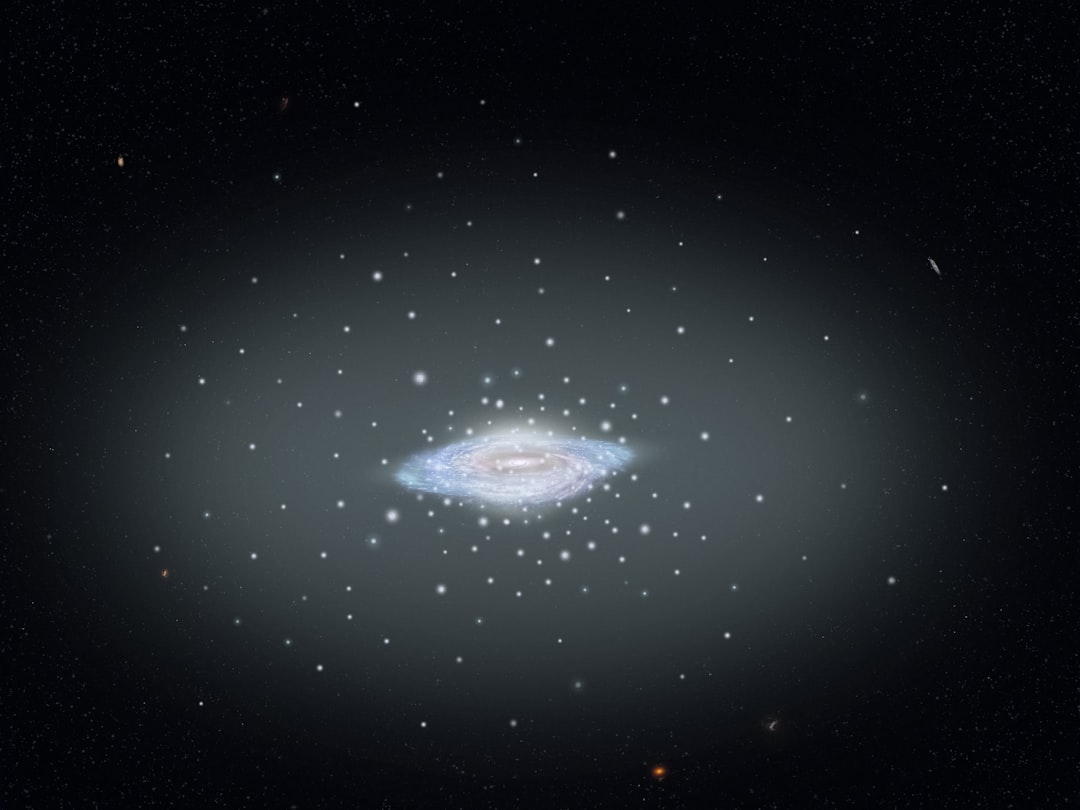
In the realm of astrophysics and cosmology, data serves as the backbone of understanding the universe’s vast complexities. The Vanishing Cosmology Dataset, a term that has recently gained traction in scientific discussions, refers to a significant collection of astronomical data that has inexplicably become inaccessible. This dataset was once a treasure trove of information, containing observations and measurements that could have shed light on fundamental questions about the cosmos.
Its disappearance has raised alarms within the scientific community, prompting urgent inquiries into the nature of data management and preservation in modern research. The implications of this vanishing dataset extend far beyond mere inconvenience; they touch upon the very essence of scientific inquiry. As researchers strive to piece together the history and structure of the universe, the loss of such critical data can hinder progress and lead to gaps in knowledge.
The Vanishing Cosmology Dataset serves as a poignant reminder of the fragility of scientific resources and the importance of robust data management practices. Understanding this phenomenon is crucial for both current and future generations of scientists who seek to unravel the mysteries of the cosmos.
Key Takeaways
- The Vanishing Cosmology Dataset highlights critical challenges in preserving vital cosmological data.
- Losing such data hampers scientific research and our understanding of the universe’s origins and structure.
- Technological advancements and collaborative efforts are essential for effective data management and recovery.
- The incident underscores the need for robust data preservation strategies to prevent future losses.
- Lessons from this event inform improved protocols to safeguard cosmology data and support ongoing research.
The Importance of Cosmology Data in Understanding the Universe
Cosmology data plays a pivotal role in shaping humanity’s understanding of the universe. It encompasses a wide array of information, from the cosmic microwave background radiation to the distribution of galaxies and dark matter. Each piece of data contributes to a larger narrative about the origins, evolution, and ultimate fate of the universe.
By analyzing this information, scientists can formulate theories that explain phenomena such as cosmic inflation, the expansion of space, and the formation of celestial bodies.
For instance, observations from telescopes and satellites allow researchers to validate or challenge established models like the Big Bang theory.
The interplay between data collection and theoretical development is a dynamic process that drives scientific advancement. Without reliable data, hypotheses remain untested, and our understanding of fundamental cosmic principles stagnates. Thus, the significance of cosmology data cannot be overstated; it is the key that unlocks the door to deeper insights about the universe.
The Mystery of the Vanishing Cosmology Dataset
The Vanishing Cosmology Dataset has become a subject of intrigue and concern among astronomers and physicists alike. Reports indicate that a substantial amount of valuable data has either been lost or rendered inaccessible due to various factors, including technological failures, mismanagement, or even human error. This mystery raises critical questions about how such a significant loss could occur in an age where data storage and management technologies are more advanced than ever before.
Investigations into this phenomenon have revealed a complex web of challenges faced by researchers in maintaining their datasets. Issues such as outdated storage systems, lack of standardized protocols for data preservation, and insufficient funding for data management initiatives have all contributed to this unsettling situation. As scientists delve deeper into understanding what led to the vanishing dataset, they are confronted with the sobering reality that even in a field as rigorous as cosmology, vulnerabilities exist that can jeopardize years of hard work and discovery.
Efforts to Recover the Lost Cosmology Data
| Effort | Description | Start Year | Data Recovered (%) | Key Challenges | Current Status |
|---|---|---|---|---|---|
| Archival Digitization | Converting physical cosmology records into digital format | 2015 | 65 | Degradation of original materials, incomplete records | Ongoing |
| Satellite Data Retrieval | Recovering lost data from defunct cosmology satellites | 2018 | 40 | Signal loss, hardware failure | In Progress |
| Collaborative Data Sharing | Pooling data from international cosmology research centers | 2020 | 75 | Data format incompatibility, access restrictions | Active |
| AI Reconstruction | Using AI to reconstruct missing cosmology datasets | 2022 | 30 | Algorithm accuracy, validation of reconstructed data | Experimental |
| Public Crowdsourcing | Engaging citizen scientists to analyze and recover data | 2019 | 20 | Data quality control, volunteer training | Ongoing |
In response to the alarming disappearance of the Vanishing Cosmology Dataset, various efforts have been initiated to recover what has been lost. Researchers are collaborating across institutions to pool resources and expertise in hopes of reconstructing the dataset from available fragments or secondary sources. This collaborative approach not only fosters innovation but also emphasizes the importance of community in scientific endeavors.
Additionally, advancements in technology are being leveraged to aid recovery efforts. Data recovery specialists are employing sophisticated techniques to retrieve lost information from damaged storage devices or corrupted files. These efforts underscore a growing recognition within the scientific community that proactive measures must be taken to safeguard valuable datasets against future losses.
As researchers work tirelessly to recover what they can, they are also laying the groundwork for improved practices in data management moving forward.
Potential Implications of the Missing Cosmology Dataset
The implications of losing the Vanishing Cosmology Dataset are profound and multifaceted. Firstly, there is a significant impact on ongoing research projects that relied on this dataset for validation or comparison purposes. The absence of critical data can lead to incomplete analyses and potentially erroneous conclusions, which may misguide future research directions.
This ripple effect can stymie progress in understanding key cosmological phenomena. Furthermore, the loss raises concerns about public trust in scientific research.
The scientific community must grapple with these perceptions while striving to maintain transparency and accountability in their work. Ultimately, the ramifications extend beyond individual studies; they challenge the very foundation upon which scientific inquiry is built.
The Role of Technology in Managing and Storing Cosmology Data
In an era defined by rapid technological advancements, one might assume that managing and storing cosmology data would be a straightforward endeavor. However, as evidenced by the Vanishing Cosmology Dataset, challenges persist. Technology plays a dual role: it offers innovative solutions for data storage while simultaneously introducing new complexities that researchers must navigate.
For instance, while cloud storage provides accessibility and scalability, it also raises concerns about data security and long-term preservation. Moreover, advancements in data analytics and machine learning have transformed how researchers process and interpret cosmological data. These technologies enable scientists to extract meaningful insights from vast datasets more efficiently than ever before.
However, reliance on sophisticated algorithms necessitates a robust infrastructure for data management to ensure accuracy and reliability. As researchers continue to explore new technological frontiers, they must remain vigilant about implementing best practices for data stewardship.
Collaboration and Cooperation in Cosmology Data Collection and Analysis
The challenges posed by the Vanishing Cosmology Dataset have underscored the importance of collaboration and cooperation within the scientific community. In an increasingly interconnected world, researchers are recognizing that pooling resources and expertise can lead to more effective data collection and analysis strategies. Collaborative initiatives allow scientists from diverse backgrounds to contribute their unique perspectives and skills, ultimately enriching the research process.
Furthermore, fostering a culture of open science can enhance collaboration by promoting transparency in data sharing and methodologies. When researchers openly share their datasets and findings, it creates opportunities for cross-validation and independent verification, which are essential for building trust within the scientific community. As efforts to recover lost data continue, embracing collaboration will be crucial for ensuring that future datasets are more resilient against loss.
The Future of Cosmology Data Management and Preservation
Looking ahead, the future of cosmology data management and preservation hinges on learning from past mistakes exemplified by the Vanishing Cosmology Dataset. Researchers must prioritize developing comprehensive strategies for data stewardship that encompass not only storage but also accessibility and long-term preservation. This includes investing in robust infrastructure that can withstand technological changes while ensuring that valuable datasets remain intact for future generations.
Additionally, establishing standardized protocols for data management across institutions can facilitate consistency and reliability in how cosmological data is handled. By creating a framework that emphasizes best practices for documentation, storage, and sharing, researchers can mitigate risks associated with data loss. As technology continues to evolve, so too must approaches to managing cosmological datasets—ensuring that they remain accessible and useful for years to come.
Lessons Learned from the Vanishing Cosmology Dataset
The saga of the Vanishing Cosmology Dataset offers several critical lessons for researchers in astrophysics and beyond. Firstly, it highlights the necessity of proactive measures in data management—waiting until after a dataset is lost is too late for effective recovery efforts. Establishing robust protocols for regular backups, documentation, and quality control can significantly reduce vulnerabilities associated with data loss.
Moreover, this incident serves as a reminder of the importance of fostering a culture of collaboration within scientific communities. By working together and sharing resources, researchers can create a more resilient framework for managing datasets that benefits everyone involved. Ultimately, embracing these lessons will not only help prevent future losses but also enhance overall scientific inquiry.
Recommendations for Preventing Future Data Loss in Cosmology
To safeguard against future occurrences similar to the Vanishing Cosmology Dataset, several recommendations emerge from recent experiences within the scientific community. First and foremost is the implementation of comprehensive data management plans at every stage of research projects—from initial collection through analysis to long-term storage. These plans should include regular audits to ensure compliance with established protocols.
Additionally, investing in training programs for researchers on best practices for data management can empower scientists with the knowledge needed to protect their work effectively. Encouraging interdisciplinary collaboration can also foster innovation in developing new tools and technologies for data preservation. By prioritizing these recommendations, researchers can create an environment where valuable cosmological datasets are less susceptible to loss.
The Impact of the Vanishing Cosmology Dataset on Scientific Research and Understanding of the Universe
The impact of the Vanishing Cosmology Dataset reverberates throughout scientific research and our understanding of the universe at large. As researchers grapple with its absence, they face not only immediate challenges but also long-term consequences that could shape future inquiries into cosmic phenomena. The loss serves as a stark reminder that even in an age characterized by technological prowess, vulnerabilities exist that can disrupt progress.
Moreover, this incident has sparked renewed discussions about accountability within scientific research—how institutions manage their resources and safeguard valuable datasets reflects on their commitment to advancing knowledge responsibly. As scientists strive to understand our universe’s intricacies, they must remain vigilant about protecting their findings against potential losses while fostering an environment conducive to collaboration and innovation. In conclusion, while the Vanishing Cosmology Dataset represents a significant setback for researchers in astrophysics, it also offers invaluable lessons about data management practices moving forward.
By embracing collaboration, investing in technology, and prioritizing proactive measures for preservation, scientists can work towards ensuring that future datasets remain secure—ultimately enhancing humanity’s understanding of the cosmos.
In exploring the intriguing topic of cosmology, one might find it interesting to read about the recent developments in the field, particularly regarding the dataset that has seemingly disappeared. For a deeper understanding of the implications of such events in cosmological research, you can check out this related article on the subject. It provides insights into the challenges faced by researchers and the potential impact on our understanding of the universe. For more information, visit this article.
WATCH THIS! The 27-Order-of-Magnitude Secret That Connects Your Brain to the Cosmos
FAQs
What is the “dataset that disappeared” in cosmology?
The “dataset that disappeared” refers to a set of cosmological data that was once available for scientific analysis but later became inaccessible or lost. This dataset was significant for studying the structure and evolution of the universe.
Why is the dataset important for cosmology?
Cosmological datasets provide critical information about the universe’s expansion, composition, and large-scale structure. Losing such data can hinder research progress and affect the validation of cosmological models.
How did the dataset disappear?
The disappearance of the dataset could be due to various reasons, including data corruption, loss of storage media, changes in data access policies, or technical issues with data repositories.
What impact does the loss of this dataset have on scientific research?
The loss limits researchers’ ability to verify previous findings, conduct new analyses, and compare results across different studies, potentially slowing advancements in understanding cosmological phenomena.
Are there efforts to recover or replace the lost dataset?
Scientists and institutions often attempt to recover lost data through backups or alternative archives. Additionally, new observations and surveys may be conducted to generate replacement datasets.
How can future data loss be prevented in cosmology?
Implementing robust data management practices, including regular backups, open data policies, and use of reliable digital repositories, helps ensure long-term accessibility and preservation of cosmological data.
Where can I find reliable cosmological datasets currently available?
Reliable datasets are available from sources such as NASA’s archives, the Sloan Digital Sky Survey (SDSS), the Planck satellite mission, and other major astronomical survey projects.
Who manages and curates cosmological datasets?
Datasets are typically managed by research institutions, space agencies, and international collaborations specializing in astronomy and cosmology, ensuring data quality and accessibility for the scientific community.