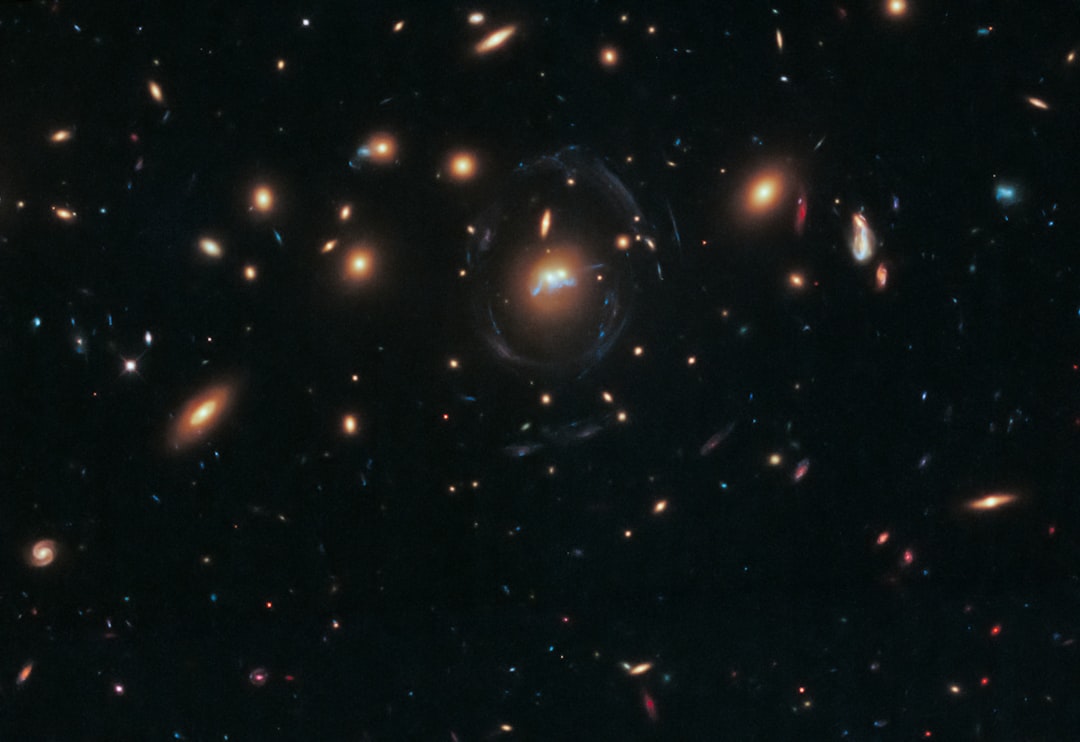
When you gaze up at the night sky, you might envision the grandeur of galaxies, each a swirling mass of stars, gas, and dust. However, not all galaxies fit this traditional mold. Among them are ultra-diffuse galaxies (UDGs), a fascinating class that challenges your understanding of galactic structure and formation.
These galaxies are characterized by their low surface brightness and sparse stellar populations, making them difficult to detect and study. Unlike their more luminous counterparts, UDGs can appear almost ghostly, blending into the cosmic background. Their existence raises intriguing questions about the nature of galaxies and the forces that shape them.
Ultra-diffuse galaxies are not just a curiosity; they represent a significant area of research in modern astrophysics. As you delve deeper into the study of these enigmatic structures, you will discover that they hold clues to the fundamental processes that govern galaxy formation and evolution. The very fact that they can exist in environments where traditional models of galaxy formation predict otherwise suggests that there is much more to learn about the universe.
The exploration of UDGs invites you to reconsider what you know about galaxies and the dark matter that permeates the cosmos.
Key Takeaways
- Ultra-diffuse galaxies (UDGs) are a newly discovered class of galaxies that are large, faint, and have low surface brightness, making them difficult to detect.
- The discovery of Dragonfly 44 (DF2) and other UDGs has challenged our understanding of galaxy formation and evolution, as these galaxies have unexpected properties.
- UDGs have unique characteristics, such as large sizes, low metallicities, and lack of star formation, which set them apart from other types of galaxies.
- The mystery surrounding UDGs includes questions about their formation mechanisms, dark matter content, and their connection to galaxy clusters.
- There is a debate over the nature of UDGs, with some scientists proposing that they are failed galaxies, while others argue that they are a distinct class of objects with their own formation history.
The Discovery of DF2 and Other Ultra-diffuse Galaxies
The journey into the realm of ultra-diffuse galaxies gained momentum with the discovery of DF2, a particularly intriguing UDG located in the vicinity of the Coma Cluster. When astronomers first identified DF2 in 2018, it was unlike anything they had encountered before. This galaxy was notable not only for its diffuse nature but also for its remarkably low mass and lack of dark matter, which defied existing theories about galaxy formation.
As you explore the implications of DF2’s discovery, you will find that it has sparked a wave of interest and research into other UDGs. Following DF2’s revelation, astronomers began to uncover additional ultra-diffuse galaxies, each presenting unique characteristics and challenges. The discovery of these galaxies has prompted a reevaluation of how we classify and understand galaxies in general.
As you learn more about these findings, you will appreciate how they have opened new avenues for research, leading to a deeper understanding of the diversity of galactic forms in the universe. The excitement surrounding these discoveries is palpable, as each new UDG adds another piece to the cosmic puzzle.
Characteristics of Ultra-diffuse Galaxies
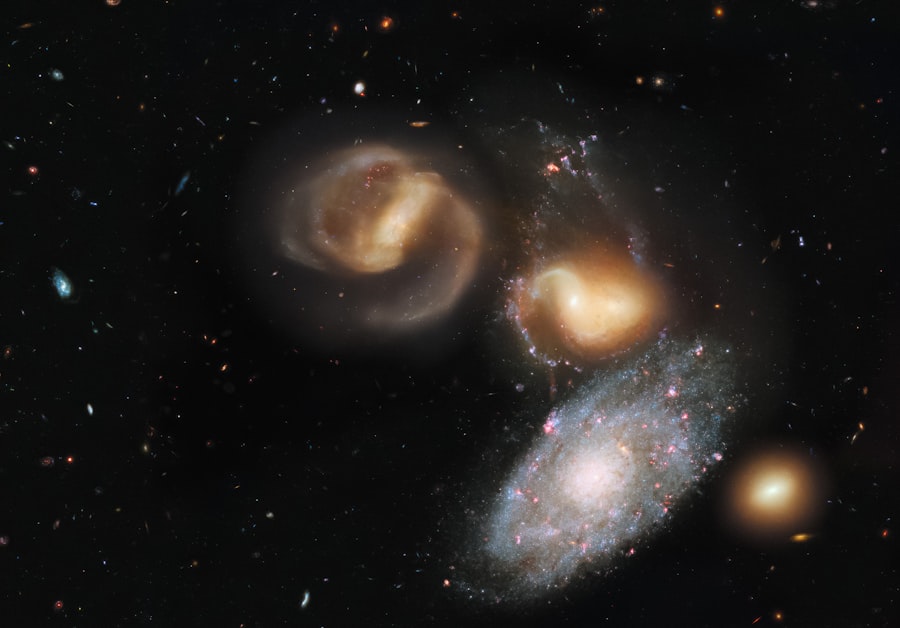
Ultra-diffuse galaxies possess several defining characteristics that set them apart from more conventional galaxies. One of the most striking features is their low surface brightness, which makes them challenging to observe even with powerful telescopes. You may find it fascinating that UDGs can contain as many stars as a typical galaxy but spread over a much larger area, resulting in a diffuse appearance.
This unique structure raises questions about their formation and the processes that govern their evolution. In addition to their low surface brightness, UDGs often exhibit a range of morphological features that further distinguish them from other galaxies. Many UDGs are found in clusters, where they may interact with other galaxies and the surrounding environment.
Their stellar populations can vary significantly, with some UDGs showing signs of recent star formation while others appear to be ancient relics of the early universe. As you explore these characteristics, you will gain insight into how UDGs fit into the broader context of galactic evolution and the factors that influence their development.
The Mystery Surrounding Ultra-diffuse Galaxies
| Galaxy Name | Distance from Earth (light years) | Size (light years) | Stellar Population |
|---|---|---|---|
| Dragonfly 44 | 330 million | 16,000 | 1 trillion stars |
| NGC 1052-DF2 | 65 million | 6,500 | 100 million stars |
| DGSAT I | 1.1 billion | 7,000 | Unknown |
The existence of ultra-diffuse galaxies is shrouded in mystery, prompting scientists to investigate their origins and properties further. One of the most perplexing aspects is their apparent lack of dark matter, which is thought to be a crucial component in the formation and stability of most galaxies. As you ponder this conundrum, you may find yourself questioning whether UDGs represent a new class of galaxies or if they are simply an anomaly within our current understanding of cosmic structures.
The mystery deepens when considering the environments in which UDGs are found. Many reside in galaxy clusters, where gravitational interactions could influence their formation and evolution. However, their low density and diffuse nature suggest that they may have formed under different conditions than typical galaxies.
This raises intriguing questions about the role of environmental factors in shaping galactic structures. As you delve into these mysteries, you will uncover a rich tapestry of scientific inquiry that seeks to unravel the secrets held by ultra-diffuse galaxies.
The Debate Over the Nature of Ultra-diffuse Galaxies
As researchers continue to study ultra-diffuse galaxies, a lively debate has emerged regarding their nature and classification. Some scientists argue that UDGs should be considered a distinct category of galaxies due to their unique properties, while others contend that they are simply an extension of existing galaxy types. This ongoing discussion reflects the complexity of galactic classification and highlights the need for further observational data to clarify our understanding.
You may find it particularly interesting that this debate extends beyond mere classification; it touches on fundamental questions about galaxy formation and evolution. The characteristics of UDGs challenge traditional models that rely heavily on dark matter as a guiding force in galactic development. As researchers gather more evidence from observations and simulations, they are beginning to piece together a more comprehensive picture of how UDGs fit into the broader framework of cosmology.
Engaging with this debate allows you to appreciate the dynamic nature of scientific inquiry and the evolving understanding of our universe.
The Role of Dark Matter in Ultra-diffuse Galaxies
Dark matter plays a pivotal role in our understanding of galaxy formation, yet ultra-diffuse galaxies present a unique challenge to this paradigm.
However, observations suggest that some UDGs may contain significantly less dark matter than expected or even none at all.
This revelation has profound implications for your understanding of both dark matter and galaxy formation. As you explore this topic further, you will encounter various hypotheses attempting to explain the apparent absence or scarcity of dark matter in UDGs. Some researchers propose that these galaxies may have formed through different mechanisms than typical galaxies, potentially involving alternative forms of matter or unique environmental conditions.
Others suggest that UDGs could be remnants of larger galaxies that have lost their dark matter through interactions with other cosmic structures. Engaging with these theories will deepen your appreciation for the complexities involved in unraveling the mysteries surrounding dark matter and its relationship with ultra-diffuse galaxies.
The Connection Between Ultra-diffuse Galaxies and Galaxy Clusters
The relationship between ultra-diffuse galaxies and galaxy clusters is an area ripe for exploration. Many UDGs are found within clusters, where they coexist with more massive galaxies. This proximity raises intriguing questions about how these diffuse structures interact with their more massive neighbors and how cluster dynamics influence their evolution.
As you investigate this connection, you will uncover insights into the gravitational forces at play within these cosmic environments. One compelling aspect of this relationship is how UDGs may serve as tracers for understanding cluster dynamics and evolution. Their unique properties can provide valuable information about the history and formation processes of galaxy clusters themselves.
By studying UDGs within clusters, researchers can gain insights into how environmental factors shape galactic structures over time. This connection between UDGs and galaxy clusters highlights the intricate web of interactions that govern cosmic evolution and invites you to consider how these relationships contribute to our broader understanding of the universe.
The Search for More Ultra-diffuse Galaxies
The quest to discover more ultra-diffuse galaxies is an ongoing endeavor that captivates astronomers worldwide. As technology advances and observational techniques improve, researchers are increasingly able to identify these elusive structures hidden among the vastness of space. You may find it exciting to learn about various surveys and observational campaigns dedicated specifically to uncovering new UDGs, as each discovery adds another layer to our understanding of galactic diversity.
The search for ultra-diffuse galaxies is not merely an academic exercise; it has practical implications for our understanding of cosmic evolution. Each newly discovered UDG provides valuable data that can help refine existing models and theories regarding galaxy formation and dark matter interactions. As you follow this search, you will witness how each new finding contributes to a growing body of knowledge that challenges conventional wisdom and expands our comprehension of the universe’s complexities.
Theoretical Models for Ultra-diffuse Galaxies
As researchers strive to understand ultra-diffuse galaxies better, various theoretical models have emerged to explain their unique properties and formation processes. These models range from those proposing alternative forms of matter to those suggesting novel mechanisms for star formation within low-density environments. Engaging with these theories allows you to appreciate the creativity and ingenuity involved in scientific inquiry as researchers seek to make sense of these enigmatic structures.
One prominent model suggests that ultra-diffuse galaxies may have formed through gas-rich mergers or interactions with other galaxies, leading to a dilution of stellar density over time. Another theory posits that UDGs could be remnants from earlier epochs in cosmic history when conditions favored their formation without significant dark matter influence. As you explore these theoretical frameworks, you will gain insight into how scientists grapple with complex phenomena while striving to build a cohesive narrative around ultra-diffuse galaxies.
The Implications of Ultra-diffuse Galaxies for Our Understanding of Galaxy Formation
The study of ultra-diffuse galaxies carries profound implications for our understanding of galaxy formation as a whole. Their existence challenges long-held assumptions about how galaxies develop and evolve over time, particularly regarding the role of dark matter and environmental influences. As you reflect on these implications, consider how UDGs force us to reevaluate our models and theories surrounding cosmic evolution.
By examining ultra-diffuse galaxies, researchers can gain insights into alternative pathways for galaxy formation that may not rely on traditional dark matter frameworks.
Engaging with these implications allows you to appreciate the dynamic nature of scientific inquiry as researchers adapt their understanding based on new discoveries.
Future Observations and Discoveries in the Study of Ultra-diffuse Galaxies
Looking ahead, the future holds great promise for further observations and discoveries related to ultra-diffuse galaxies. As technology continues to advance, astronomers will have access to increasingly powerful telescopes capable of probing deeper into space than ever before. You can anticipate exciting developments as new observational campaigns are launched specifically targeting UDGs, potentially leading to groundbreaking discoveries that reshape our understanding.
The ongoing study of ultra-diffuse galaxies will undoubtedly yield new insights into their properties, formation mechanisms, and relationships with other cosmic structures. As researchers continue to unravel these mysteries, you will witness how each discovery contributes to a richer understanding of our universe’s complexities. The journey into the realm of ultra-diffuse galaxies is far from over; it is an evolving narrative filled with potential revelations waiting to be uncovered by curious minds like yours.
Ultra-diffuse galaxies (UDGs) like DF2 have intrigued astronomers due to their ghostly appearance and sparse star distribution, challenging our understanding of galaxy formation and dark matter. A related article on this topic can be found on My Cosmic Ventures, which delves into the peculiar characteristics and the ongoing research surrounding these enigmatic galaxies. For more insights, you can read the article on their website by following this link. This article provides a comprehensive overview of the latest findings and theories about UDGs, including discussions on their formation and the role of dark matter in their structure.
FAQs
What are ultra-diffuse galaxies (UDGs)?
Ultra-diffuse galaxies (UDGs) are a type of galaxy that are characterized by their low surface brightness and large physical size. They are difficult to detect and study due to their faintness.
What is DF2?
DF2, also known as DFX1, is a specific ultra-diffuse galaxy that was discovered in 2018. It is located in the constellation of Cetus and is notable for its large size and low surface brightness.
How are ultra-diffuse galaxies different from other galaxies?
Ultra-diffuse galaxies are different from other galaxies in that they have a much lower surface brightness, making them more challenging to detect and study. They also tend to be larger in physical size compared to their brightness.
What are some of the challenges in studying ultra-diffuse galaxies?
Some of the challenges in studying ultra-diffuse galaxies include their low surface brightness, which makes them difficult to detect and measure accurately. Additionally, their large physical size can make it challenging to study their internal structures and dynamics.
What are some of the potential implications of studying ultra-diffuse galaxies?
Studying ultra-diffuse galaxies can provide insights into the formation and evolution of galaxies, as well as the distribution of dark matter in galaxy clusters. It can also help astronomers better understand the diversity of galaxy properties in the universe.