
The history of space exploration began in the mid-20th century during the Cold War competition between the United States and the Soviet Union.
This event marked humanity’s initial entry into space exploration and prompted rapid technological advancement from both superpowers.
The competition intensified throughout the late 1950s and early 1960s. In 1961, Soviet cosmonaut Yuri Gagarin became the first human to orbit Earth, further establishing Soviet dominance in the early space race. The United States responded with its own ambitious programs and objectives.
The 1960s represented a pivotal period in space exploration. NASA’s Apollo program became the focal point of American efforts, culminating in the Apollo 11 mission on July 20, 1969. During this mission, astronauts Neil Armstrong and Buzz Aldrin landed on the Moon’s surface, making them the first humans to accomplish this feat.
Armstrong’s lunar landing represented a major achievement in human spaceflight and demonstrated advanced technological capabilities. Following the Apollo era, space exploration expanded in scope and complexity. Subsequent missions targeted Mars and other celestial bodies, while space agencies established orbital space stations for long-duration human presence in space.
The deployment of advanced telescopes and observatories has significantly enhanced scientific understanding of the universe, including distant galaxies, stellar phenomena, and the fundamental nature of space itself. These developments have established space exploration as a continuing endeavor with both scientific and technological importance.
Key Takeaways
- Space exploration has evolved from early missions to advanced international collaborations.
- Technological innovations are crucial for overcoming the challenges of space travel.
- Private companies are increasingly influential in driving space exploration forward.
- Ethical, environmental, and societal impacts are key considerations in space missions.
- The future includes prospects like space tourism and the search for extraterrestrial life.
The Importance of Space Exploration
Space exploration holds immense significance for humanity, transcending mere scientific inquiry. It serves as a catalyst for technological advancement, driving innovations that often find applications in everyday life. As you consider the myriad benefits derived from space missions, think about how satellite technology has revolutionized communication, weather forecasting, and navigation.
These advancements have not only improved our quality of life but have also fostered global connectivity, allowing you to communicate with someone on the other side of the world in an instant. Moreover, space exploration plays a crucial role in addressing some of Earth’s most pressing challenges. By studying other celestial bodies and their environments, scientists gain insights into climate change, resource management, and even potential solutions for sustainable living.
For instance, research conducted on Mars has implications for understanding our own planet’s geology and climate systems. As you reflect on these connections, it becomes clear that exploring space is not just about venturing into the unknown; it is about securing a better future for generations to come. Explore the future of space travel with laser sails technology.
The Technology Behind Space Exploration
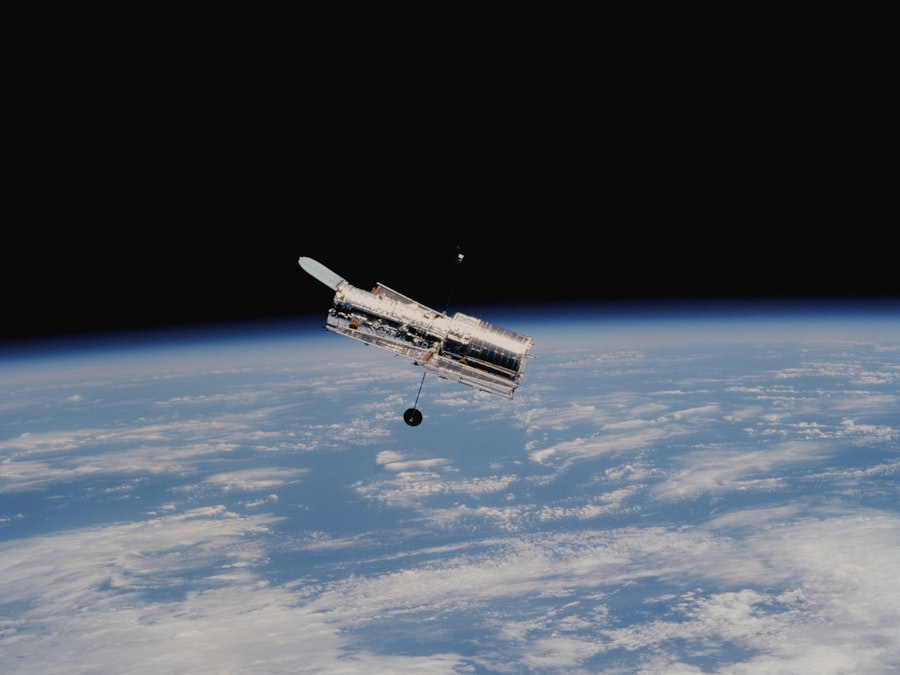
The technology that powers space exploration is nothing short of extraordinary. From rocket propulsion systems to advanced robotics, each component is meticulously designed to withstand the harsh conditions of space. As you explore this realm of innovation, consider how rocket engines have evolved from simple designs to complex systems capable of propelling spacecraft beyond Earth’s atmosphere.
The development of reusable rockets by companies like SpaceX has revolutionized the industry, significantly reducing costs and making space more accessible than ever before. In addition to propulsion technology, you should also appreciate the role of robotics in space exploration. Robotic missions have paved the way for human exploration by conducting preliminary research and gathering data from distant planets and moons.
Rovers like Curiosity and Perseverance have traversed the Martian landscape, sending back invaluable information about the planet’s geology and potential for past life. These technological advancements not only enhance our understanding of the universe but also inspire future generations to pursue careers in science and engineering.
The Challenges of Space Exploration
Despite its many rewards, space exploration is fraught with challenges that test human ingenuity and resilience. One of the most significant hurdles is the vast distances involved; traveling to other planets or celestial bodies requires extensive planning and resources. As you contemplate these challenges, think about the time it takes for a spacecraft to reach Mars—often several months or even years.
This necessitates careful mission design and execution to ensure that everything from life support systems to communication remains functional throughout the journey. Additionally, you must consider the physical and psychological toll that space travel can take on astronauts. The microgravity environment can lead to muscle atrophy and bone density loss, while isolation and confinement can affect mental health.
NASA and other space agencies invest heavily in research to mitigate these effects, developing countermeasures such as exercise regimens and psychological support systems. As you reflect on these challenges, it becomes evident that successful space exploration requires not only technological prowess but also a deep understanding of human factors.
The Future of Space Exploration
| Metric | Value | Notes |
|---|---|---|
| Documentary Length | 90 minutes | Standard feature-length format |
| Number of Interviews | 15 | Includes astronauts, scientists, and industry experts |
| Topics Covered | 7 | Includes Mars missions, space tourism, AI in space, and more |
| Projected Release Year | 2025 | Aligned with upcoming space missions |
| Target Audience | General public and space enthusiasts | Educational and engaging content |
| Distribution Platforms | 3 | Streaming services, educational channels, film festivals |
| Estimated Viewership | 2 million | Based on similar documentaries’ performance |
Looking ahead, the future of space exploration is brimming with possibilities that could redefine humanity’s relationship with the cosmos. You may find yourself captivated by ambitious plans for crewed missions to Mars, which aim to establish a human presence on another planet by the 2030s or 2040s. These missions will not only test our technological capabilities but also challenge our understanding of what it means to be human in an extraterrestrial environment.
Moreover, as you consider future endeavors, think about the potential for mining asteroids or establishing colonies on other celestial bodies. These initiatives could provide valuable resources and open new frontiers for scientific research and exploration. The prospect of interstellar travel may seem like science fiction today, but advancements in propulsion technology could one day make it a reality.
As you ponder these exciting developments, remember that each step forward in space exploration brings us closer to answering fundamental questions about our place in the universe.
The Role of Private Companies in Space Exploration

In recent years, private companies have emerged as key players in the realm of space exploration, fundamentally altering the landscape of this field.
These companies are not only developing innovative technologies but are also driving down costs through competition and efficiency.
As you observe this shift, consider how private companies are democratizing access to space, making it possible for more nations and organizations to participate in exploration efforts. Furthermore, private companies are expanding the scope of what is possible in space exploration. With ambitious plans for lunar bases and Mars colonization, they are inspiring a new generation of explorers and scientists.
You might find it fascinating that partnerships between government agencies and private enterprises are becoming increasingly common, allowing for shared resources and expertise. This collaboration could accelerate progress in space exploration while fostering a spirit of innovation that benefits all of humanity.
The Impact of Space Exploration on Society
The impact of space exploration extends far beyond scientific discovery; it shapes society in profound ways. As you reflect on this influence, consider how space missions inspire curiosity and wonder among people of all ages. The images captured by telescopes like Hubble or missions like Voyager ignite imaginations and encourage young minds to pursue careers in STEM fields.
This ripple effect fosters a culture of innovation that can lead to breakthroughs not only in space science but also in various sectors on Earth. Moreover, space exploration has a unique ability to unite people across borders. When astronauts venture into space or when a spacecraft successfully lands on another planet, it becomes a shared achievement for all humanity.
You may recall how global audiences celebrated events like the Apollo Moon landing or the Mars rover landings as moments that transcended national boundaries. This collective experience fosters a sense of unity and shared purpose that is essential in addressing global challenges such as climate change or resource scarcity.
The Search for Extraterrestrial Life
One of the most tantalizing questions driving space exploration is whether we are alone in the universe. As you ponder this profound inquiry, consider how missions to Mars and icy moons like Europa are designed with astrobiology in mind. Scientists are searching for signs of past or present life beyond Earth by studying environments that may harbor microbial organisms or other forms of life.
The discovery of extremophiles—organisms that thrive in extreme conditions—on Earth has expanded our understanding of where life might exist elsewhere. The search for extraterrestrial life is not just about finding organisms; it also raises philosophical questions about our place in the cosmos. You may find yourself contemplating what it would mean for humanity if we were to discover intelligent life beyond our planet.
Such a revelation could reshape our understanding of existence itself and prompt us to reconsider our responsibilities as stewards of Earth.
The Possibility of Space Tourism
As technology advances and costs decrease, the dream of space tourism is becoming increasingly feasible. You might be intrigued by recent developments where private companies are offering suborbital flights for civilians eager to experience weightlessness and witness Earth from above. This burgeoning industry has the potential to transform how people perceive space and their connection to our planet.
However, as you consider this exciting prospect, think about its implications for accessibility and sustainability. While space tourism may initially cater to affluent individuals, there is hope that advancements will eventually make it more accessible to a broader audience. Additionally, you should reflect on how this industry can be developed responsibly to minimize environmental impacts and ensure that space remains a realm for exploration rather than exploitation.
The International Collaboration in Space Exploration
International collaboration has become a cornerstone of modern space exploration efforts. As you examine this trend, consider how partnerships between countries have led to remarkable achievements such as the International Space Station (ISS). This collaborative endeavor brings together astronauts from various nations who work side by side on scientific research while fostering goodwill among countries with diverse political backgrounds.
You may find it inspiring that international cooperation extends beyond just human missions; it encompasses joint scientific endeavors aimed at understanding our universe better. Projects like the James Webb Space Telescope involve contributions from multiple countries working together toward a common goal: unraveling the mysteries of deep space. Such collaborations not only enhance scientific knowledge but also promote peace and understanding among nations.
The Ethical and Environmental Considerations of Space Exploration
As humanity ventures further into space, ethical and environmental considerations become increasingly important. You should reflect on how our activities in outer space could impact celestial bodies and ecosystems beyond Earth. The potential for contamination or disruption raises questions about our responsibilities as explorers—how do we ensure that we do not harm other worlds while seeking knowledge?
Moreover, as you contemplate these ethical dilemmas, consider how we can apply lessons learned from Earth’s environmental challenges to our approach in space exploration. Sustainable practices must be prioritized to minimize waste and preserve celestial environments for future generations. By fostering an ethic of stewardship both on Earth and beyond, you can contribute to a more responsible approach to exploring the cosmos.
In conclusion, your journey through the history, significance, technology, challenges, and future prospects of space exploration reveals a complex tapestry woven with ambition and responsibility. As humanity continues its quest for knowledge beyond our planet, you play an essential role in shaping this narrative—whether through advocacy for sustainable practices or simply by nurturing curiosity about what lies beyond our atmosphere.
As we look towards the future of space exploration, the documentary highlights the innovative technologies and missions that are set to redefine our understanding of the cosmos. For a deeper dive into the exciting developments in this field, you can check out a related article on cosmic ventures that explores the latest advancements and upcoming projects. Read more about it in this article.
WATCH THIS! 🚀✨ Can Laser Sails Take Us to Alpha Centauri in 20 Years?
FAQs
What is the focus of the “Future of Space Exploration” documentary?
The documentary explores upcoming technologies, missions, and scientific goals related to space exploration, highlighting advancements by space agencies and private companies.
Which space agencies are featured in the documentary?
The documentary typically features major space agencies such as NASA, ESA (European Space Agency), Roscosmos, CNSA (China National Space Administration), and private companies like SpaceX and Blue Origin.
Does the documentary cover manned missions to Mars?
Yes, it often discusses plans and challenges associated with manned missions to Mars, including timelines, technology development, and potential human settlement.
Are future space technologies discussed in the documentary?
Yes, the documentary covers emerging technologies such as advanced propulsion systems, space habitats, robotics, and AI applications in space exploration.
Is the documentary suitable for all age groups?
Most documentaries on this topic are designed to be educational and accessible to a wide audience, including students, space enthusiasts, and professionals.
Where can I watch the “Future of Space Exploration” documentary?
It may be available on streaming platforms, educational websites, or through space agency channels. Availability depends on the specific documentary version.
Does the documentary address the role of private companies in space exploration?
Yes, it highlights the increasing involvement of private companies in launching satellites, space tourism, and developing new space technologies.
Are international collaborations in space exploration discussed?
Yes, the documentary often emphasizes the importance of international partnerships in missions like the International Space Station and future lunar or Mars exploration.
Does the documentary cover the challenges of space exploration?
Yes, it addresses technical, financial, and ethical challenges, including radiation exposure, long-duration spaceflight, and planetary protection.
Is the documentary based on current scientific research?
Yes, it relies on up-to-date scientific data, expert interviews, and official mission plans to provide accurate information about the future of space exploration.