The philosophical examination of free will originated in ancient Greece, where Socrates, Plato, and Aristotle developed foundational theories about human agency and moral responsibility. These early philosophers established connections between free will, virtue, and ethical decision-making, proposing that humans possess the ability to distinguish and choose between moral alternatives. During the medieval period, Christian theologians Augustine of Hippo and Thomas Aquinas addressed the apparent contradiction between human free will and divine omniscience.
Augustine argued that divine foreknowledge does not negate human choice, while Aquinas developed a framework suggesting that humans retain moral agency despite God’s complete knowledge of future events. The Enlightenment period brought new perspectives through philosophers René Descartes and Immanuel Kant. Descartes proposed mind-body dualism, arguing that mental processes operate independently from physical causation, thereby preserving space for free will.
Kant developed a moral philosophy centered on autonomous rational choice, defining genuine freedom as the capacity to act according to self-imposed rational principles rather than external influences or desires. These historical developments established the theoretical foundation for modern debates about free will, which continue to influence contemporary discussions in philosophy, neuroscience, psychology, and law regarding human autonomy, moral responsibility, and the nature of choice.
Determinism posits that every event, including human actions, is determined by preceding events in accordance with natural laws. This view suggests that if one had complete knowledge of all variables at play, one could predict future actions with absolute certainty.
Proponents of determinism argue that this perspective aligns with scientific understandings of causality and the laws of physics, leading to questions about the very nature of choice and moral accountability. In contrast, indeterminism introduces the idea that not all events are predetermined, allowing for randomness and spontaneity in human behavior. This perspective opens the door for genuine free will, suggesting that individuals can make choices independent of prior causes.
Philosophers such as William James have championed this view, arguing that human beings possess a unique capacity for self-determination. The tension between these two positions continues to fuel philosophical discourse, as scholars seek to reconcile the implications of scientific discoveries with age-old questions about human agency.
Key Takeaways
- The concept of free will has evolved through philosophical debates between determinism and indeterminism.
- Neuroscience investigates free will by studying brain activity related to decision making and consciousness.
- Experiments suggest that free will may be an illusion influenced by unconscious brain processes.
- Genetics and environment both play significant roles in shaping an individual’s sense of free will.
- Understanding free will has important ethical, legal, and mental health implications for society.
The Role of Neuroscience in Understanding Free Will
In recent years, neuroscience has emerged as a pivotal field in the exploration of free will, offering insights into the biological underpinnings of decision-making processes. Researchers have employed advanced imaging techniques to study brain activity during moments of choice, revealing complex neural networks that contribute to human behavior. These findings challenge traditional notions of free will by suggesting that many decisions may be influenced by unconscious processes rather than conscious deliberation.
As neuroscientists delve deeper into the brain’s mechanisms, they uncover a nuanced interplay between biology and behavior that complicates simplistic understandings of autonomy. Moreover, neuroscience has prompted a reevaluation of philosophical positions on free will. The discovery of neural precursors to decision-making raises questions about the extent to which individuals can be said to exercise free will if their choices are rooted in brain activity beyond their conscious awareness.
This intersection of neuroscience and philosophy invites a reexamination of moral responsibility, as individuals grapple with the implications of being influenced by biological factors outside their control. As research continues to evolve, it becomes increasingly clear that understanding free will requires an interdisciplinary approach that bridges philosophy, psychology, and neuroscience.
The Brain and Decision Making: How Neuroscientists Study Free Will
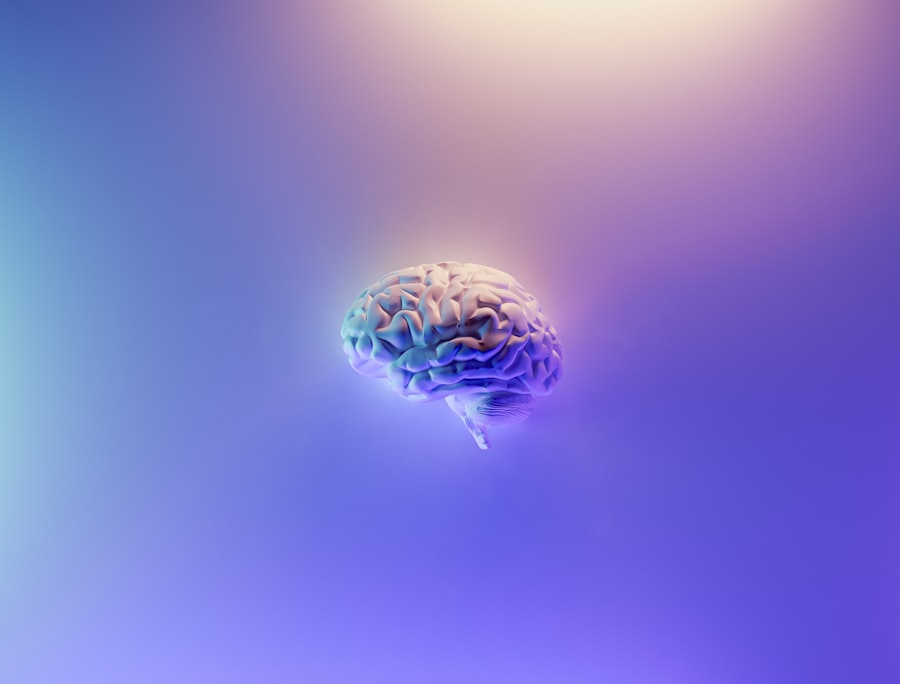
Neuroscientists employ a variety of methodologies to investigate how the brain influences decision-making processes, shedding light on the intricate relationship between neural activity and perceived free will.
By analyzing patterns of neural activation associated with different choices, scientists can identify specific brain regions involved in weighing options and making judgments.
One notable study conducted by neuroscientists involved participants making simple choices while their brain activity was monitored. The results indicated that certain neural signals predicting a decision could be detected several seconds before participants consciously reported their choice. This finding suggests that unconscious processes may precede conscious awareness, raising profound questions about the nature of free will.
If decisions are initiated by neural activity before individuals are even aware of them, it challenges the traditional notion that conscious deliberation is the primary driver of choice.
The Illusion of Free Will: Experiments and Findings
Numerous experiments have contributed to the growing discourse on the illusion of free will, suggesting that what individuals perceive as autonomous decision-making may be more illusory than real. One influential study by Benjamin Libet involved participants who were asked to make spontaneous movements while their brain activity was recorded. Libet found that brain activity indicating a decision occurred before participants reported their conscious intention to act.
This led him to propose that while individuals feel they are making choices freely, their brains may have already initiated those actions prior to conscious awareness. Further research has built upon Libet’s findings, exploring how external factors can influence decision-making without individuals’ conscious realization. For instance, studies have shown that subtle cues in the environment can sway choices in ways that participants may not recognize.
These findings suggest that free will may be more constrained than previously thought, as unconscious influences shape decisions in ways that challenge the notion of complete autonomy. As researchers continue to investigate these phenomena, they raise critical questions about personal responsibility and accountability in light of evidence suggesting that many choices are not as freely made as they seem.
The Influence of Genetics and Environment on Free Will
| Aspect | Description | Key Findings | Notable Researchers | Implications |
|---|---|---|---|---|
| Definition of Free Will | The ability to make choices unconstrained by external circumstances or fate. | Philosophical and scientific debate on whether free will truly exists. | Daniel Dennett, Robert Kane | Impacts moral responsibility and legal accountability. |
| Neural Correlates | Brain regions involved in decision-making processes. | Prefrontal cortex and parietal cortex show activity prior to conscious decision. | Benjamin Libet, John-Dylan Haynes | Suggests unconscious brain activity precedes conscious awareness of choice. |
| Libet’s Experiment | Measured readiness potential (RP) before conscious decision to move. | RP detected ~550 ms before movement; conscious intention reported ~200 ms before. | Benjamin Libet | Challenges traditional notion of conscious free will. |
| Readiness Potential (RP) | Brain signal indicating preparation for voluntary movement. | RP onset precedes conscious decision by several hundred milliseconds. | Benjamin Libet, Chun Siong Soon | Indicates unconscious initiation of actions. |
| Predictive Brain Activity | Brain activity can predict decisions seconds before awareness. | fMRI studies predict choices up to 7-10 seconds in advance. | John-Dylan Haynes | Questions the timing and role of conscious decision-making. |
| Critiques and Alternatives | Arguments against interpreting RP as negating free will. | Some suggest RP reflects general preparation, not specific decisions. | Alfred Mele, Daniel Dennett | Supports compatibilist views of free will. |
| Current Consensus | Free will is complex, involving unconscious and conscious processes. | Neuroscience shows limits but does not fully negate free will. | Various interdisciplinary researchers | Encourages nuanced understanding of human agency. |
The interplay between genetics and environment plays a significant role in shaping individual behavior and decision-making processes, further complicating the concept of free will. Genetic predispositions can influence personality traits, risk-taking behaviors, and even moral judgments, suggesting that biological factors contribute to how individuals navigate choices in their lives. For instance, research has identified specific genes associated with impulsivity or aggression, indicating that genetic makeup can predispose individuals to certain behavioral patterns.
Environmental factors also exert a profound influence on decision-making. Socioeconomic status, cultural background, and life experiences shape individuals’ values and priorities, ultimately guiding their choices. For example, someone raised in a nurturing environment may develop a strong sense of empathy and altruism, while another individual from a more challenging background might prioritize self-preservation over communal well-being.
This interplay between genetics and environment raises important questions about the extent to which individuals can be said to exercise free will when their choices are influenced by factors beyond their control.
The Role of Consciousness in Free Will

Consciousness is often regarded as a crucial element in discussions about free will, as it encompasses awareness and intentionality in decision-making processes. Philosophers have long debated whether true freedom can exist without conscious awareness; if individuals are unaware of their motivations or influences, can they genuinely be said to make free choices? This question highlights the importance of understanding how consciousness interacts with unconscious processes in shaping behavior.
Recent research suggests that consciousness may serve as a reflective mechanism rather than a direct driver of decision-making. While individuals may feel they are making choices based on rational deliberation, much of their decision-making occurs at an unconscious level. This raises intriguing questions about the nature of self-awareness and its role in moral responsibility.
If consciousness merely provides a narrative for decisions already made by unconscious processes, it challenges traditional notions of autonomy and accountability.
The Implications of Free Will Research on Ethics and Law
The ongoing exploration of free will has significant implications for ethics and law, particularly concerning moral responsibility and accountability. If scientific findings suggest that many decisions are influenced by factors beyond an individual’s control—such as genetics or unconscious processes—this could reshape how society views culpability for actions. Legal systems traditionally operate under the assumption that individuals possess free will and are therefore responsible for their actions; however, emerging research challenges this foundational principle.
As society grapples with these implications, there is a growing call for reform in how justice is administered. For instance, understanding that certain behaviors may stem from biological predispositions could lead to more rehabilitative approaches rather than punitive measures for offenders. Additionally, ethical considerations surrounding consent and autonomy may need reevaluation in light of evidence suggesting that individuals may not always act from a place of complete freedom.
As research continues to unfold, it is essential for policymakers and ethicists to engage with these findings thoughtfully.
Free Will and Mental Health: Insights from Neuroscience
The relationship between free will and mental health is another area where neuroscience offers valuable insights. Mental health conditions such as depression or anxiety can significantly impact an individual’s perception of agency and control over their lives. For instance, someone experiencing severe depression may feel trapped by their circumstances or unable to make choices aligned with their values due to overwhelming emotional distress.
This raises important questions about how mental health influences one’s experience of free will. Neuroscientific research has shown that mental health conditions can alter brain function in ways that affect decision-making processes. For example, imbalances in neurotransmitters or disruptions in neural circuits associated with reward processing can lead to impaired judgment or diminished motivation.
Understanding these connections can inform therapeutic approaches aimed at restoring a sense of agency for individuals struggling with mental health issues. By addressing underlying neurological factors contributing to impaired decision-making, mental health professionals can help clients regain a sense of control over their lives.
The Future of Free Will Research: Challenges and Opportunities
As research into free will continues to evolve, it faces both challenges and opportunities for further exploration. One significant challenge lies in reconciling findings from neuroscience with longstanding philosophical debates about autonomy and moral responsibility. Bridging these disciplines requires interdisciplinary collaboration among philosophers, neuroscientists, psychologists, and ethicists who can engage in meaningful dialogue about the implications of emerging research.
Despite these challenges, there are also exciting opportunities for advancing understanding in this field. As technology continues to improve—enabling more sophisticated imaging techniques and experimental designs—researchers can delve deeper into the complexities of decision-making processes. Additionally, interdisciplinary initiatives can foster innovative approaches to studying free will from multiple perspectives, enriching both scientific inquiry and philosophical discourse.
Applying the Science of Free Will to Everyday Life
The insights gained from research on free will have practical applications in everyday life, influencing how individuals approach decision-making and personal responsibility. By recognizing the various factors—biological, environmental, and psychological—that shape choices, individuals can cultivate greater self-awareness and mindfulness in their actions. This understanding encourages people to reflect on their motivations and consider how external influences may impact their decisions.
Moreover, embracing a nuanced view of free will can foster empathy towards others by acknowledging the complexities underlying human behavior. Recognizing that individuals may be influenced by factors beyond their control can lead to more compassionate interactions and a greater understanding of diverse perspectives. Ultimately, applying the science of free will to everyday life empowers individuals to navigate their choices with greater awareness while fostering a more empathetic society overall.
In conclusion, the exploration of free will encompasses a rich tapestry of philosophical inquiry intertwined with scientific investigation. As researchers continue to unravel the complexities surrounding human agency, society stands at a crossroads where understanding these dynamics can profoundly impact ethics, law, mental health practices, and interpersonal relationships. Embracing this knowledge offers opportunities for personal growth while fostering a more compassionate understanding of human behavior within broader societal contexts.
In exploring the intricate relationship between neuroscience and the concept of free will, one can gain further insights by reading the article available at this link. This article delves into the latest findings in neuroscience that challenge traditional notions of free will, providing a comprehensive overview of how brain activity influences decision-making processes.
FAQs
What is free will in the context of neuroscience?
Free will refers to the ability of individuals to make choices that are not predetermined by prior causes. In neuroscience, it involves studying how brain processes contribute to decision-making and whether these processes allow for autonomous control over actions.
How does neuroscience study free will?
Neuroscience studies free will by examining brain activity during decision-making tasks using techniques like functional magnetic resonance imaging (fMRI), electroencephalography (EEG), and single-neuron recordings. Researchers analyze the timing and patterns of neural signals to understand how choices are formed.
What have neuroscience experiments revealed about free will?
Some experiments, such as those by Benjamin Libet, have shown that brain activity related to a decision can occur milliseconds before a person becomes consciously aware of making that decision. This has led to debates about whether free will is an illusion or if conscious intention still plays a role.
Does neuroscience prove that free will does not exist?
Neuroscience does not definitively prove that free will does not exist. While some findings suggest that unconscious brain processes initiate actions before conscious awareness, interpretations vary. Many scientists argue that free will may involve complex interactions between unconscious and conscious processes.
What is the significance of the “readiness potential” in free will studies?
The readiness potential is a measurable brain signal that occurs before a voluntary movement. It has been used to argue that the brain prepares for action before conscious intention arises. However, its exact role and implications for free will remain subjects of ongoing research and debate.
Can neuroscience explain moral responsibility in relation to free will?
Neuroscience can provide insights into how brain function affects decision-making and behavior, which may influence concepts of moral responsibility. However, the relationship between free will, brain activity, and moral accountability is complex and involves philosophical as well as scientific considerations.
Are there different perspectives on free will within neuroscience?
Yes, perspectives vary widely. Some neuroscientists support determinism, suggesting that all actions are caused by prior brain states, while others propose compatibilism, where free will is compatible with deterministic brain processes. The debate continues as research advances.
How does understanding free will impact neuroscience and society?
Understanding free will influences fields such as psychology, law, and ethics by shaping views on personal agency, accountability, and behavior change. Neuroscientific insights can inform treatments for disorders affecting decision-making and contribute to discussions about human autonomy.