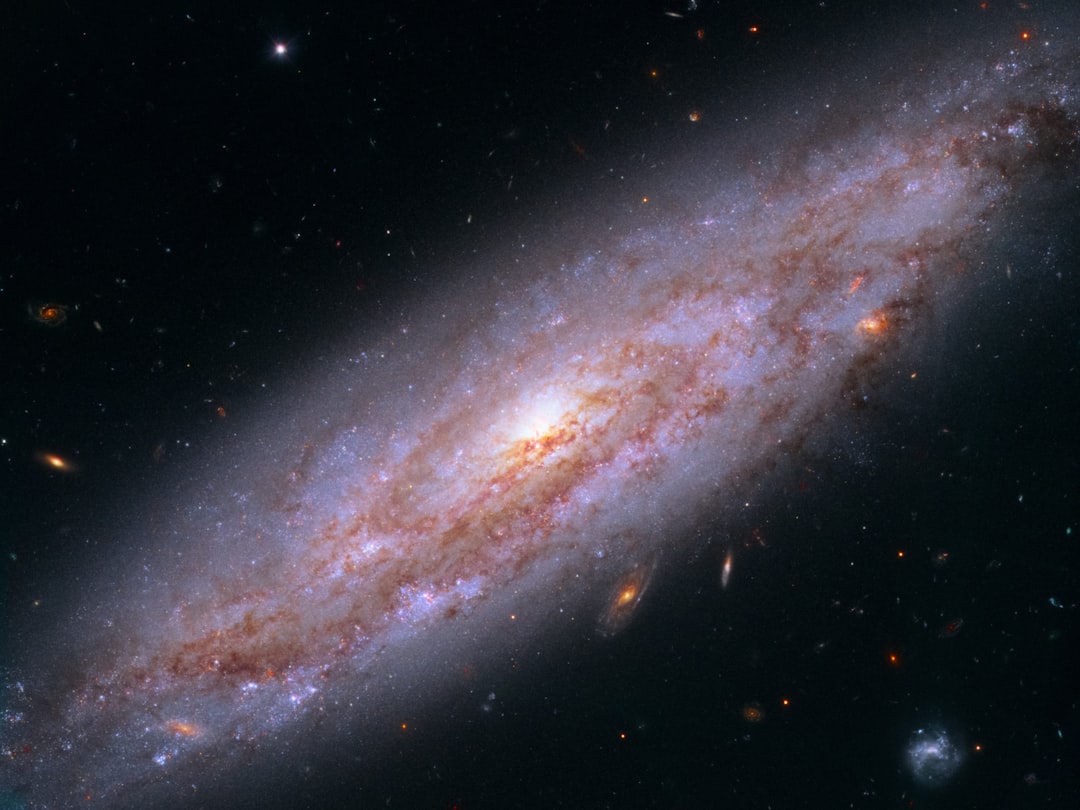
The Glass Z13 Galaxy has emerged as one of the most intriguing discoveries in the field of astronomy, captivating the attention of scientists and enthusiasts alike. This galaxy, which is believed to be one of the earliest formed in the universe, offers a unique glimpse into the cosmos during a time when stars and galaxies were just beginning to take shape. Its discovery has not only expanded the catalog of known galaxies but has also raised profound questions about the formation and evolution of the universe itself.
As researchers delve deeper into its mysteries, the Glass Z13 Galaxy stands as a testament to the ever-evolving nature of astronomical exploration. Located approximately 13.4 billion light-years away from Earth, the Glass Z13 Galaxy is thought to have existed just a few hundred million years after the Big Bang. This places it in a critical period of cosmic history known as the “cosmic dawn,” when the first stars ignited and began to illuminate the dark universe.
The galaxy’s name, “Glass Z13,” reflects its discovery through advanced observational techniques that allow astronomers to peer back in time, revealing structures that were previously obscured by cosmic dust and gas. As scientists continue to study this remarkable galaxy, they hope to unlock secrets that could reshape our understanding of cosmic evolution.
Key Takeaways
- The Glass Z13 Galaxy is a newly discovered galaxy with unique properties that have puzzled astronomers.
- The discovery of the Glass Z13 Galaxy was a result of advanced telescopic technology and data analysis.
- The Glass Z13 Galaxy is characterized by its unusually high concentration of dark matter and its compact size.
- Theoretical explanations for the unique properties of the Glass Z13 Galaxy include the influence of nearby cosmic phenomena and the early formation of the galaxy.
- Current research and observations of the Glass Z13 Galaxy are focused on understanding its formation and its implications for our understanding of the universe.
History of the Discovery of the Glass Z13 Galaxy
The journey to uncovering the Glass Z13 Galaxy began with advancements in telescope technology and observational methods. In 2021, astronomers utilizing the powerful James Webb Space Telescope (JWST) made a groundbreaking discovery that would change the landscape of astrophysics. The JWST’s ability to capture infrared light allowed researchers to detect faint signals from distant galaxies, including Glass Z13, which had eluded detection by previous telescopes.
This marked a significant milestone in the quest to explore the early universe. The discovery was not merely a stroke of luck; it was the culmination of years of research and technological innovation. Prior to the JWST’s launch, astronomers had relied on ground-based telescopes and earlier space observatories, which were limited in their capacity to observe distant objects.
The JWST’s advanced capabilities enabled scientists to analyze light from galaxies that formed during a time when the universe was still in its infancy. The identification of Glass Z13 was a pivotal moment, as it provided concrete evidence of galaxy formation at an unprecedented epoch, prompting further investigations into its properties and implications.
Characteristics and Features of the Glass Z13 Galaxy
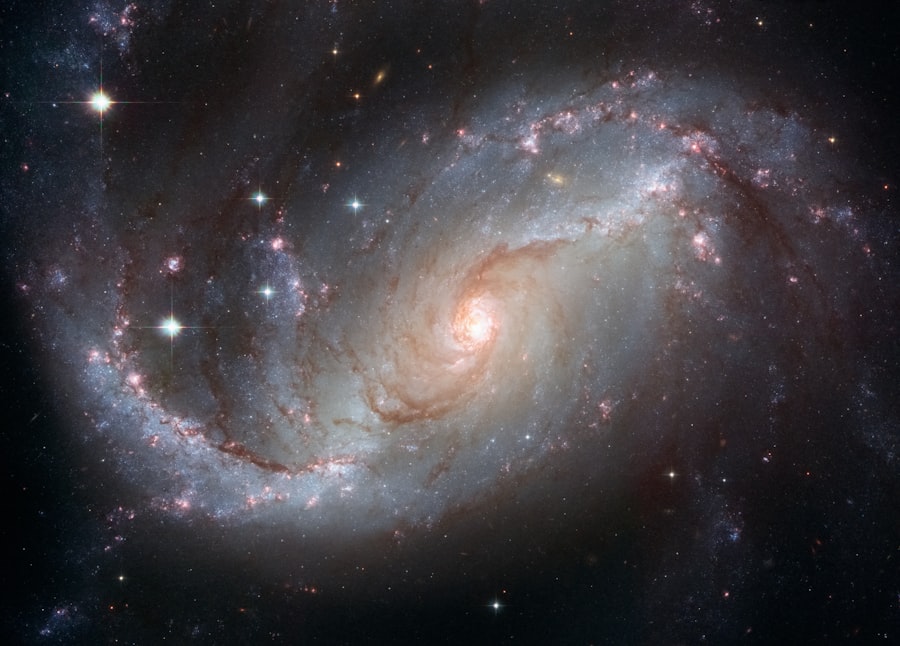
The Glass Z13 Galaxy exhibits several remarkable characteristics that set it apart from other known galaxies. One of its most striking features is its size; it is estimated to be about 1.5 times larger than the Milky Way, despite its early formation in cosmic history.
The sheer scale of Glass Z13 raises questions about the processes that led to its rapid growth during a time when the universe was still relatively young. In addition to its size, the Glass Z13 Galaxy is characterized by an abundance of star formation activity. Observations indicate that it is producing stars at an astonishing rate, far exceeding that of many contemporary galaxies.
This intense star formation suggests that the galaxy is rich in gas and dust, providing the necessary materials for stellar birth. The presence of such vigorous star formation in a galaxy so early in the universe’s history challenges existing models of galaxy evolution and prompts scientists to reconsider how galaxies acquire their mass and fuel for star formation.
Theoretical Explanations for the Unique Properties of the Glass Z13 Galaxy
| Property | Explanation |
|---|---|
| Unusual Shape | The galaxy’s irregular shape may be due to gravitational interactions with neighboring galaxies. |
| High Metallicity | Presence of a high amount of heavy elements suggests a history of intense star formation. |
| Active Star Formation | Continued star formation may be fueled by interactions with nearby galaxies or gas accretion. |
| Low Mass-to-Light Ratio | Possibly due to the presence of dark matter or a younger stellar population. |
The unique properties of the Glass Z13 Galaxy have sparked numerous theoretical discussions among astronomers and cosmologists. One prevailing hypothesis is that its rapid growth can be attributed to a process known as “merger-driven star formation.” This theory posits that early galaxies frequently merged with one another, leading to bursts of star formation as gravitational interactions triggered gas inflows. Such mergers could explain how Glass Z13 achieved its impressive size and star production rate within a relatively short timeframe.
Another explanation revolves around the conditions present in the early universe. During this epoch, the universe was filled with primordial gas composed primarily of hydrogen and helium. This gas was less chemically enriched than what is found in later galaxies, allowing for more efficient cooling and collapse into stars.
The unique environment of the early universe may have facilitated rapid star formation in galaxies like Glass Z13, providing insights into how galaxies evolved during this formative period.
Current Research and Observations of the Glass Z13 Galaxy
As research on the Glass Z13 Galaxy continues, astronomers are employing a variety of observational techniques to gather more data about its structure and composition. Ongoing studies using both ground-based telescopes and space observatories aim to refine measurements of its distance, size, and star formation rate. By analyzing light from different wavelengths, researchers can gain insights into the galaxy’s chemical composition and understand how it compares to other galaxies from similar epochs.
In addition to observational studies, simulations and modeling play a crucial role in understanding Glass Z13’s properties. Researchers are using computer simulations to recreate conditions in the early universe and predict how galaxies like Glass Z13 might have formed and evolved over time.
Potential Implications of the Glass Z13 Galaxy on Our Understanding of the Universe
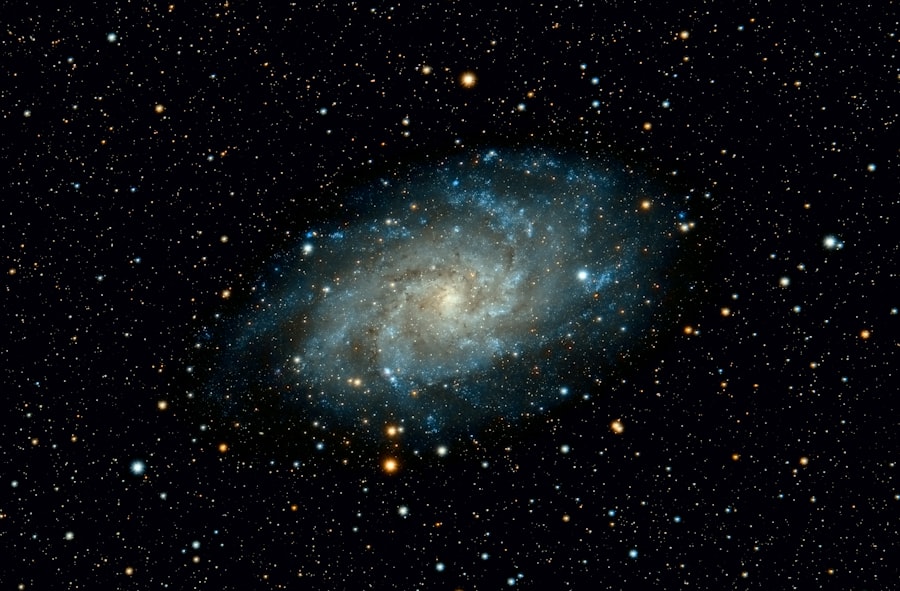
The discovery of the Glass Z13 Galaxy holds significant implications for our understanding of cosmic evolution and galaxy formation. Its existence challenges long-held beliefs about when and how galaxies formed in the universe. If large galaxies could emerge so early in cosmic history, it suggests that our models of galaxy evolution may need substantial revision.
This realization could lead to new insights into the processes that govern galaxy growth and development. Furthermore, studying Glass Z13 may provide clues about the conditions that prevailed in the early universe. Understanding how this galaxy formed and evolved could shed light on fundamental questions regarding dark matter, cosmic inflation, and the overall structure of the universe.
As researchers continue to investigate its properties, they may uncover connections between early galaxies like Glass Z13 and later structures observed in today’s universe, ultimately enhancing our comprehension of cosmic history.
Collaborative Efforts in Studying the Glass Z13 Galaxy
The study of the Glass Z13 Galaxy exemplifies the collaborative nature of modern astronomical research. Scientists from various institutions around the world are pooling their expertise and resources to investigate this remarkable galaxy further. Collaborative efforts often involve sharing data, methodologies, and insights across disciplines, fostering a comprehensive understanding of complex astronomical phenomena.
International partnerships have become increasingly common in astronomy, particularly with projects like the James Webb Space Telescope that require significant investment and expertise from multiple countries. These collaborations not only enhance research capabilities but also promote knowledge exchange among scientists with diverse backgrounds. As researchers work together to unravel the mysteries surrounding Glass Z13, they contribute to a collective effort that transcends borders and unites humanity in its quest for knowledge about the cosmos.
Challenges in Studying the Glass Z13 Galaxy
Despite its significance, studying the Glass Z13 Galaxy presents numerous challenges for astronomers. One primary obstacle is its immense distance from Earth, which complicates observations and measurements. The light from Glass Z13 has taken billions of years to reach us, meaning that any observations are inherently limited by factors such as redshift and cosmic expansion.
This distance makes it difficult to obtain detailed information about its structure and composition. Additionally, interpreting data from such distant objects requires sophisticated techniques and models that can account for various factors affecting light propagation through space. Cosmic dust, gravitational lensing, and other intervening phenomena can distort observations, complicating efforts to accurately assess properties like star formation rates or chemical composition.
Overcoming these challenges necessitates innovative approaches and continued advancements in observational technology.
The Future of Research on the Glass Z13 Galaxy
Looking ahead, research on the Glass Z13 Galaxy is poised for exciting developments as new technologies emerge and existing telescopes continue to refine their capabilities. Future observations with advanced instruments will likely yield more detailed insights into its structure, star formation processes, and chemical makeup. As astronomers gather more data, they will be better equipped to test existing theories about galaxy formation and evolution.
Moreover, ongoing studies may reveal additional distant galaxies similar to Glass Z13, further enriching our understanding of early cosmic history. Each new discovery adds another piece to the puzzle of how galaxies formed and evolved over billions of years. As researchers continue their quest to understand this enigmatic galaxy, they remain hopeful that their findings will contribute significantly to our broader comprehension of the universe.
Comparisons with Other Galaxies and Cosmic Phenomena
In order to fully appreciate what makes the Glass Z13 Galaxy unique, it is essential to compare it with other galaxies and cosmic phenomena observed throughout history. For instance, many contemporary galaxies exhibit different characteristics due to their later formation periods; they often show signs of more complex structures resulting from billions of years of evolution. By contrasting these later galaxies with Glass Z13, astronomers can gain valuable insights into how environmental factors influence galaxy development over time.
Additionally, comparisons with other early galaxies discovered through JWST observations can help contextualize Glass Z13 within a broader framework of cosmic evolution. By examining similarities and differences among these ancient structures, researchers can identify patterns that may reveal fundamental principles governing galaxy formation across different epochs. Such comparative studies are crucial for building a comprehensive understanding of how galaxies like Glass Z13 fit into the grand tapestry of cosmic history.
The Ongoing Quest to Understand the Glass Z13 Galaxy
The discovery of the Glass Z13 Galaxy marks a significant milestone in humanity’s quest to understand the universe’s origins and evolution. As researchers continue their investigations into this remarkable galaxy’s properties and implications, they are not only expanding our knowledge but also challenging existing paradigms about galaxy formation. The collaborative efforts among scientists worldwide exemplify how collective inquiry can lead to groundbreaking discoveries that reshape our understanding of cosmic phenomena.
As technology advances and new observational techniques emerge, future research on Glass Z13 promises to unveil even more secrets about this ancient galaxy. Each new finding will contribute to a deeper comprehension of not only this specific galaxy but also broader questions regarding cosmic evolution as a whole. The ongoing quest to understand Glass Z13 serves as a reminder that while much has been learned about our universe, countless mysteries remain waiting to be uncovered by curious minds dedicated to exploring the cosmos.
The discovery of the Glass Z13 galaxy has sparked significant interest in the astronomical community, as it represents one of the earliest and most distant galaxies ever observed. This remarkable find offers insights into the formation and evolution of galaxies in the early universe. For those interested in exploring more about the implications of such discoveries, a related article on the topic can be found on My Cosmic Ventures. This article delves into the technological advancements and methodologies that have enabled astronomers to peer further back in time than ever before. To read more about these fascinating developments, visit the article on My Cosmic Ventures.
WATCH THIS! Did JWST DISPROVE The BIG BANG?!?!
FAQs
What is the Glass Z13 Galaxy?
The Glass Z13 Galaxy is a newly discovered galaxy located in the constellation of Pisces. It is named after the Glass project, which is a collaboration between NASA and the European Space Agency to study distant galaxies.
How was the Glass Z13 Galaxy discovered?
The Glass Z13 Galaxy was discovered using the Hubble Space Telescope’s Advanced Camera for Surveys. Astronomers used a technique called gravitational lensing to detect the faint light from the distant galaxy.
What makes the Glass Z13 Galaxy significant?
The Glass Z13 Galaxy is significant because it is one of the most distant galaxies ever observed, with a redshift of 13. It provides valuable insights into the early universe and the formation of galaxies.
What can we learn from studying the Glass Z13 Galaxy?
Studying the Glass Z13 Galaxy can help astronomers understand the conditions of the early universe, the formation and evolution of galaxies, and the processes that led to the creation of stars and planets.
How does the discovery of the Glass Z13 Galaxy contribute to our understanding of the universe?
The discovery of the Glass Z13 Galaxy contributes to our understanding of the early universe and the processes that shaped the cosmos. It provides valuable data for cosmological models and theories.