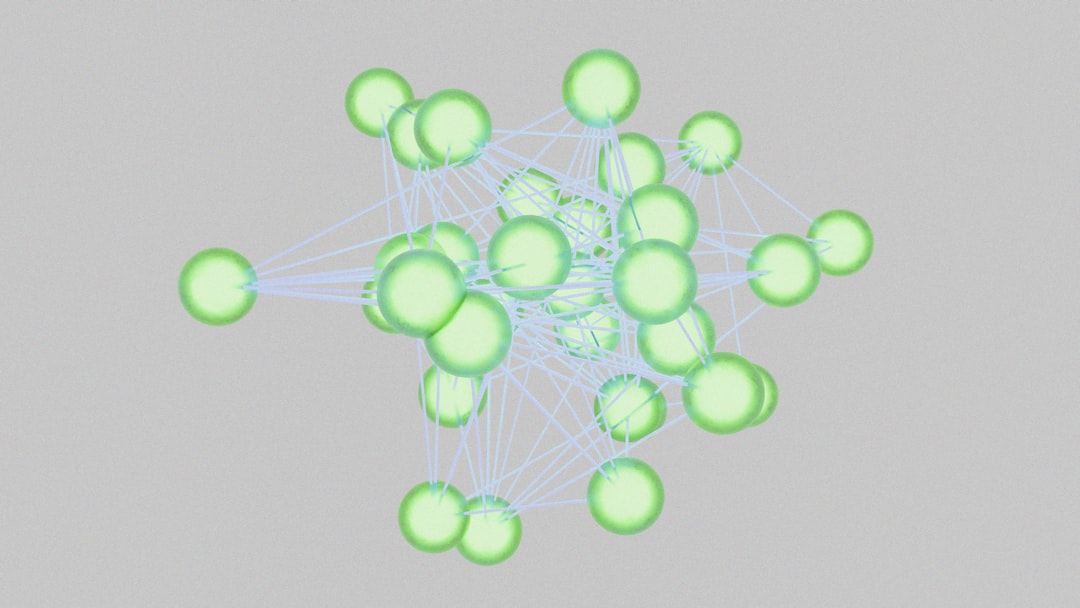
The intricate workings of the human brain and the vast expanse of the universe share a fascinating parallel: both are composed of complex networks that exhibit remarkable patterns and connections. Brain networks, formed by neurons communicating through synapses, are responsible for everything from basic motor functions to higher cognitive processes. Similarly, galaxy filaments, the largest known structures in the universe, are composed of vast chains of galaxies interconnected by dark matter and gas.
This article delves into the similarities and differences between these two seemingly disparate systems, exploring how understanding one may illuminate the other. As researchers continue to investigate the complexities of both brain networks and galaxy filaments, they uncover insights that challenge traditional notions of connectivity and organization. The study of these networks not only enhances our understanding of fundamental processes in neuroscience and cosmology but also opens up new avenues for interdisciplinary research.
By examining the parallels between brain networks and galaxy filaments, scientists can gain a deeper appreciation for the underlying principles that govern both the microcosm of human thought and the macrocosm of the universe.
Key Takeaways
- Brain networks and galaxy filaments both exhibit complex, interconnected structures that facilitate communication and connectivity.
- Neurons in the brain form intricate networks essential for processing information and supporting consciousness.
- Galaxy filaments are vast cosmic structures that link galaxies, shaping the large-scale architecture of the universe.
- Studying brain network dysfunctions provides insights into neurological disorders and potential treatments.
- Advances in mapping both brain networks and galaxy filaments offer promising applications for neuroscience and cosmology.
Understanding Brain Networks: How Neurons Communicate and Form Connections
At the core of brain networks lies the neuron, a specialized cell that transmits information throughout the nervous system. Neurons communicate through electrical impulses and chemical signals, forming intricate webs of connections known as synapses. These connections are not static; they are dynamic and can change in response to experience, a phenomenon known as neuroplasticity.
This adaptability allows the brain to learn, remember, and recover from injury, highlighting the importance of understanding how these networks function. The organization of brain networks is complex, with different regions of the brain specializing in various functions. For instance, the visual cortex processes visual information, while the prefrontal cortex is involved in decision-making and social behavior.
These specialized areas communicate with one another through long-range connections, creating a highly integrated system.
Mapping the Cosmos: Exploring the Structure of Galaxy Filaments
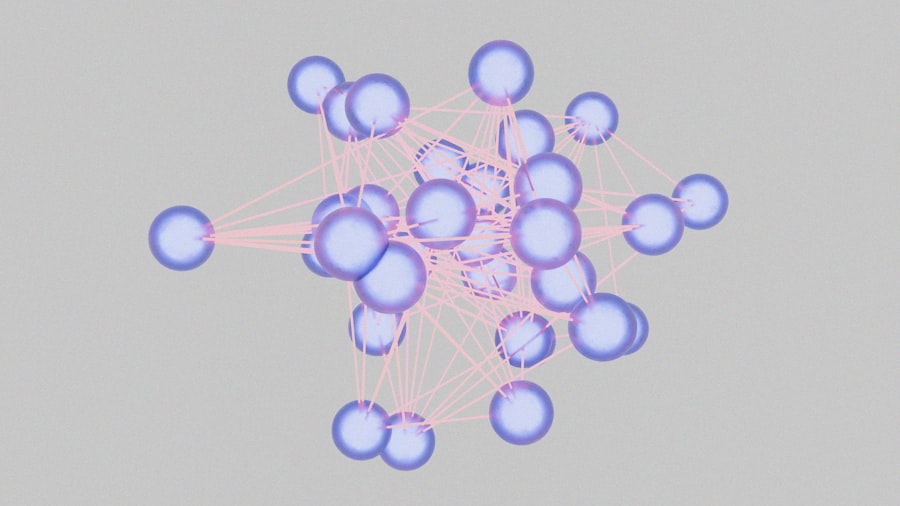
Galaxy filaments represent some of the most significant structures in the universe, forming a vast cosmic web that connects clusters of galaxies. These filaments are composed primarily of dark matter, which does not emit light but exerts gravitational influence on visible matter. The study of galaxy filaments involves mapping their distribution across the universe, providing insights into the large-scale structure of cosmic evolution.
Observations from telescopes and surveys have revealed that these filaments are not randomly distributed; rather, they form a complex network that shapes the formation and evolution of galaxies. The process of mapping galaxy filaments is akin to piecing together a cosmic puzzle. Astronomers utilize various techniques, including gravitational lensing and redshift surveys, to identify and analyze these structures.
By studying how galaxies are distributed along these filaments, researchers can infer the underlying dark matter distribution and gain insights into the forces that govern cosmic evolution. This mapping effort not only enhances our understanding of galaxy formation but also sheds light on fundamental questions about the nature of dark matter and its role in shaping the universe.
Similarities Between Brain Networks and Galaxy Filaments: Patterns and Connections
| Aspect | Brain Networks | Galaxy Filaments | Similarity / Connection |
|---|---|---|---|
| Structure | Neurons connected by synapses forming complex networks | Galaxies connected by gravitational filaments forming cosmic web | Both form large-scale interconnected networks with nodes and links |
| Scale | Microscopic (micrometers to centimeters) | Cosmic (millions of light years) | Despite scale difference, both exhibit similar network topology |
| Topology | Small-world and modular organization | Filamentary and web-like structure with clusters and voids | Both show modular clusters connected by filament-like pathways |
| Connectivity | High clustering coefficient and short path lengths | Galaxies clustered with filament connections minimizing distances | Efficient information or matter transfer through network |
| Function | Information processing and transmission | Matter distribution and gravitational influence | Both networks facilitate flow—signals in brain, matter in cosmos |
| Formation Process | Neural development guided by genetic and environmental factors | Cosmic structure formed by gravitational collapse and dark matter | Emergent complex networks from local interactions and growth |
| Node Density | Dense clusters of neurons in brain regions | Dense galaxy clusters at filament intersections | High-density nodes serve as hubs in both networks |
| Research Methods | Neuroimaging, graph theory, connectomics | Astrophysical surveys, simulations, network analysis | Use of network science and graph theory to analyze structure |
Despite their differences in scale and context, brain networks and galaxy filaments exhibit striking similarities in their structural organization. Both systems are characterized by nodes—neurons in the brain and galaxies in the cosmos—connected by pathways that facilitate communication. In brain networks, these pathways represent synaptic connections that allow for information transfer, while in galaxy filaments, they signify gravitational interactions that bind galaxies together.
Moreover, both systems display emergent properties that arise from their interconnectedness. In brain networks, complex behaviors such as consciousness and cognition emerge from the interactions between neurons. Similarly, in galaxy filaments, large-scale structures like galaxy clusters emerge from gravitational forces acting on matter over cosmic time scales.
The study of these emergent properties can provide valuable insights into how complex systems operate across different domains, revealing universal principles that govern both biological and cosmic phenomena.
Unraveling the Mysteries of Brain Networks: Research and Discoveries
Recent advancements in neuroscience have led to significant breakthroughs in understanding brain networks. Researchers have identified specific patterns of connectivity associated with various cognitive functions, revealing how different regions collaborate during tasks such as memory recall or problem-solving. Techniques like diffusion tensor imaging (DTI) allow scientists to visualize white matter tracts connecting different brain regions, providing a clearer picture of how information flows through these networks.
Additionally, studies have shown that disruptions in brain network connectivity can lead to various neurological disorders. Conditions such as schizophrenia, autism spectrum disorder, and Alzheimer’s disease have been linked to altered connectivity patterns within specific brain networks. By investigating these disruptions, researchers aim to develop targeted interventions that could restore normal function or mitigate symptoms, highlighting the potential for therapeutic applications derived from understanding brain networks.
The Role of Galaxy Filaments in the Universe: Connecting Cosmic Structures
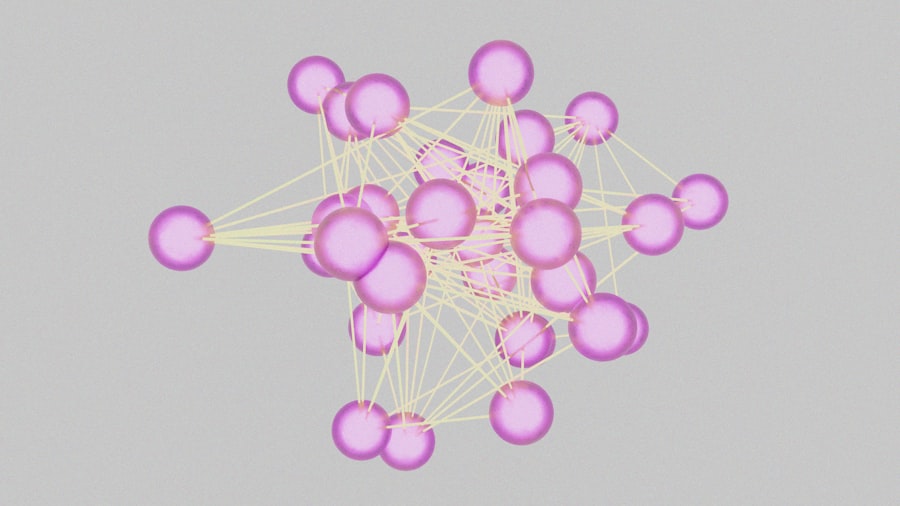
Galaxy filaments play a crucial role in shaping the large-scale structure of the universe. They serve as highways for galaxies, guiding their formation and evolution through gravitational interactions. As galaxies move along these filaments, they can merge with one another or interact gravitationally, leading to phenomena such as galaxy clusters or superclusters.
This interconnectedness is essential for understanding how galaxies evolve over billions of years. Furthermore, galaxy filaments influence the distribution of dark matter and baryonic matter throughout the universe. The gravitational pull exerted by dark matter within these filaments affects how galaxies form and cluster together.
By studying these structures, astronomers can gain insights into the fundamental forces at play in cosmic evolution and better understand how matter is distributed across vast distances.
Brain Networks and Consciousness: Exploring the Link between the Mind and the Brain
The relationship between brain networks and consciousness remains one of the most profound questions in neuroscience. Researchers are increasingly focused on identifying which specific network configurations correlate with conscious experience. Studies have shown that certain brain networks become more active during conscious awareness while others may be involved in unconscious processing.
One prominent theory posits that consciousness arises from integrated information across multiple brain regions working together harmoniously. This idea suggests that consciousness is not localized to a single area but emerges from the dynamic interactions within a networked system. Understanding this relationship could have profound implications for fields such as artificial intelligence and cognitive science, as it may provide insights into replicating conscious-like processes in machines.
Cosmic Web: Understanding the Interconnectedness of Galaxy Filaments
The concept of a cosmic web encapsulates the idea that galaxy filaments are part of a larger interconnected structure that defines the universe’s architecture. This web-like arrangement consists of nodes (galaxies) connected by filaments (dark matter), creating a vast network that influences cosmic evolution. The study of this cosmic web has revealed patterns in galaxy distribution that reflect underlying physical processes.
Researchers utilize simulations alongside observational data to explore how this cosmic web evolves over time. By modeling dark matter dynamics and galaxy formation within this framework, scientists can gain insights into how large-scale structures develop and interact. Understanding this interconnectedness is crucial for unraveling mysteries related to dark energy, cosmic inflation, and other fundamental aspects of cosmology.
Brain Disorders and Network Dysfunction: Insights from Studying Brain Networks
The exploration of brain networks has significant implications for understanding neurological disorders. Research has shown that many conditions arise from disruptions in normal network function. For instance, altered connectivity patterns have been observed in individuals with depression or anxiety disorders, suggesting that restoring balance within these networks could be key to effective treatment.
Moreover, advancements in neuroimaging techniques allow researchers to identify biomarkers associated with specific disorders based on network dysfunctions. This approach paves the way for personalized medicine strategies that target individual connectivity profiles rather than relying on generalized treatment protocols. By focusing on network dynamics, scientists hope to develop more effective interventions for a range of neurological conditions.
The Formation of Galaxy Filaments: Processes and Phenomena in the Universe
The formation of galaxy filaments is a complex process influenced by various physical phenomena occurring over billions of years.
As these clumps grew larger due to gravitational attraction, they began to form filaments that connected clusters of galaxies.
This process is further complicated by factors such as dark energy’s influence on cosmic expansion and baryonic physics governing gas dynamics within filaments. Understanding these processes requires sophisticated simulations that incorporate both dark matter dynamics and hydrodynamics to accurately model how filaments evolve over time. By studying these phenomena, astronomers can gain insights into not only galaxy formation but also broader questions about cosmic evolution.
The Future of Understanding Brain Networks and Galaxy Filaments: Implications and Potential Applications
As research continues to advance in both neuroscience and cosmology, there is immense potential for cross-disciplinary collaboration between these fields. Insights gained from studying brain networks could inform approaches to understanding complex systems in cosmology, while findings related to galaxy filaments may inspire new methodologies for analyzing neural connectivity. The implications extend beyond theoretical understanding; practical applications could emerge from this interdisciplinary dialogue.
For instance, advancements in network analysis techniques could lead to improved diagnostic tools for neurological disorders or enhanced models for predicting cosmic structure formation. Ultimately, by embracing the interconnectedness inherent in both brain networks and galaxy filaments, researchers stand poised to unlock new frontiers in our understanding of both mind and universe alike.
Recent research has highlighted intriguing parallels between the complex networks of the human brain and the vast structures of the universe, such as galaxy filaments. These findings suggest that both systems exhibit similar patterns of connectivity and organization. For a deeper exploration of this fascinating topic, you can read more in the article available at My Cosmic Ventures.
WATCH THIS! The 27-Order-of-Magnitude Secret That Connects Your Brain to the Cosmos
FAQs
What are brain networks?
Brain networks refer to interconnected groups of neurons or brain regions that work together to perform specific cognitive, sensory, or motor functions. These networks are identified through various imaging techniques such as fMRI and EEG, revealing how different parts of the brain communicate and coordinate activity.
What are galaxy filaments?
Galaxy filaments are massive, thread-like structures composed of galaxies, gas, and dark matter that form the largest known cosmic web in the universe. They connect galaxy clusters and superclusters, creating a vast network that outlines the large-scale structure of the cosmos.
How are brain networks and galaxy filaments related?
While brain networks and galaxy filaments exist on vastly different scales and in different contexts, some studies have noted intriguing similarities in their network structures. Both systems exhibit complex, interconnected patterns that can be analyzed using similar mathematical and computational tools, such as graph theory and network analysis.
Why study the similarities between brain networks and galaxy filaments?
Studying the similarities between brain networks and galaxy filaments can provide insights into universal principles of network organization and complexity. Understanding these patterns may help improve models in neuroscience and cosmology, and foster interdisciplinary approaches to analyzing complex systems.
What tools are used to analyze brain networks and galaxy filaments?
Researchers use a variety of tools including graph theory, network science, computational modeling, and imaging techniques. For brain networks, neuroimaging methods like fMRI and EEG are common, while galaxy filaments are studied using astronomical surveys and simulations.
Can the study of galaxy filaments inform neuroscience?
While the fields are distinct, the mathematical frameworks developed to study large-scale cosmic structures can inspire new approaches in neuroscience. For example, understanding how information flows in large-scale networks may benefit from insights gained in cosmological network analysis.
Are there practical applications of understanding brain networks?
Yes, understanding brain networks has practical applications in diagnosing and treating neurological disorders, improving brain-computer interfaces, and enhancing cognitive function through targeted therapies.
What is the significance of galaxy filaments in cosmology?
Galaxy filaments are crucial for understanding the distribution of matter in the universe, the formation and evolution of galaxies, and the influence of dark matter and dark energy on cosmic structure. They help cosmologists test models of the universe’s origin and growth.