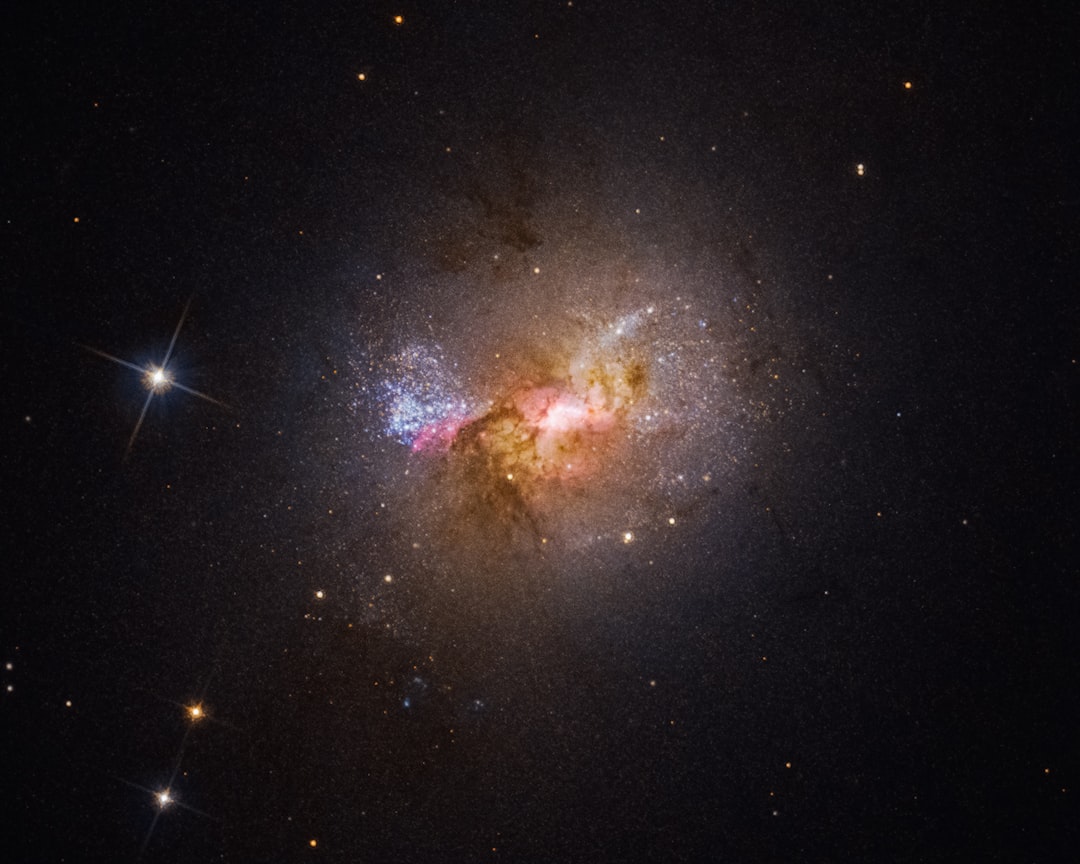
The formation of galaxies remains one of the most profound mysteries in astrophysics, captivating scientists and astronomers for decades.
The prevailing cosmological model suggests that galaxies formed from small fluctuations in density in the early universe, which gradually coalesced under the influence of gravity.
However, the details of this process, including the role of dark matter, gas dynamics, and star formation, continue to elude researchers. The complexity of galaxy formation is compounded by the vast timescales involved and the sheer diversity of galaxy types observed in the universe today. From spiral galaxies like the Milky Way to irregular dwarf galaxies, each type presents unique characteristics and formation histories.
Understanding how these structures emerged from primordial conditions is crucial for piecing together the cosmic puzzle. As scientists strive to unlock these secrets, new technologies and observatories are emerging to provide deeper insights into the early universe and the processes that shaped it.
Key Takeaways
- The formation of galaxies is a complex problem that has puzzled astronomers for decades.
- The James Webb Space Telescope (JWST) will play a crucial role in advancing our understanding of galaxy formation.
- JWST will allow astronomers to observe the early universe and study the formation of the first galaxies.
- JWST will help unravel the mystery of dark matter by observing its effects on galaxy formation.
- The telescope will also probe the role of black holes in galaxy formation and investigate the formation of stars and planetary systems.
The Role of JWST in Understanding Galaxy Formation
The James Webb Space Telescope (JWST) represents a monumental leap forward in our ability to study galaxy formation. Launched in December 2021, JWST is equipped with advanced instruments that allow it to observe the universe in infrared wavelengths, which are crucial for penetrating cosmic dust and revealing hidden structures. This capability is particularly important for studying distant galaxies that formed in the early universe, as their light has been redshifted due to the expansion of space.
JWST’s unprecedented sensitivity and resolution enable astronomers to investigate the formation and evolution of galaxies with a level of detail previously unattainable. By capturing images and spectra of galaxies at various stages of their development, JWST can provide insights into their composition, structure, and dynamics. This information is essential for testing existing theories of galaxy formation and for developing new models that account for the complexities observed in the universe.
Observing the Early Universe with JWST
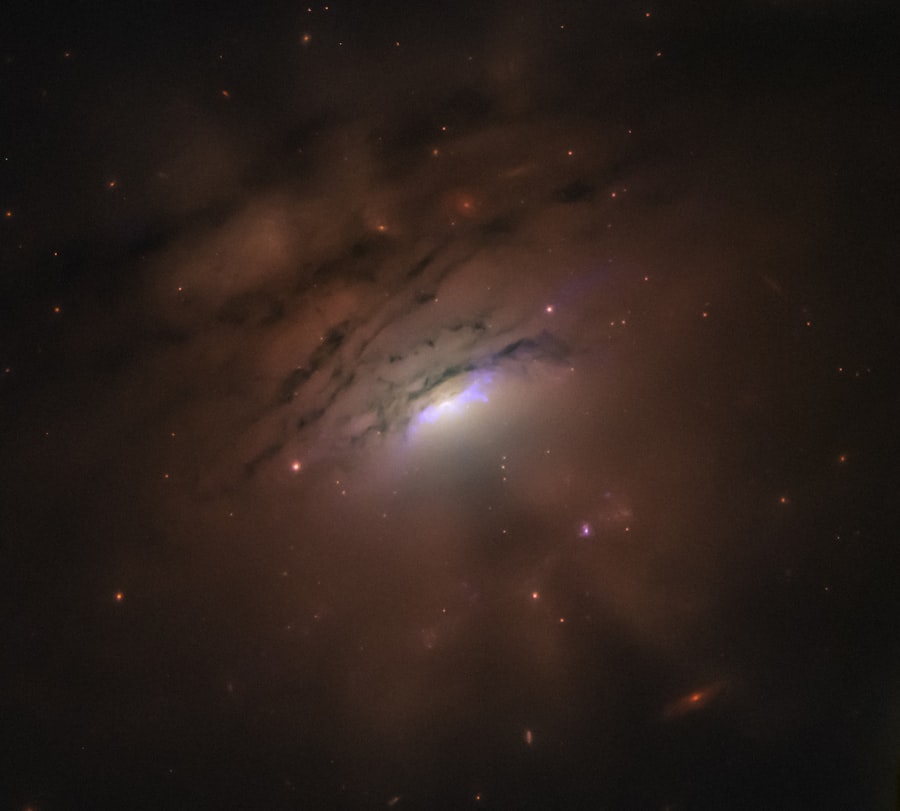
One of JWST’s primary objectives is to observe the early universe, a period that remains shrouded in mystery. By looking back in time to when galaxies were first forming, JWST can help scientists understand how these structures evolved from primordial gas clouds into the complex systems observed today. The telescope’s ability to detect light from some of the first stars and galaxies allows researchers to study the conditions that prevailed during this formative era.
Through its observations, JWST aims to identify the earliest galaxies and analyze their properties, such as mass, size, and star formation rates. These observations will provide critical data for understanding how galaxies assembled over time and how they interacted with their surroundings. By piecing together this information, astronomers hope to construct a more comprehensive picture of galaxy formation and evolution in the context of cosmic history.
Unraveling the Mystery of Dark Matter with JWST
| Data/Metric | Description |
|---|---|
| Dark Matter | Astronomical substance that does not emit, absorb, or reflect light, but is believed to make up about 27% of the universe’s mass-energy content |
| JWST | James Webb Space Telescope, a large, space-based observatory set to launch in 2021, designed to study the universe in infrared wavelengths |
| Observations | Data collected by JWST through its infrared imaging and spectroscopy capabilities to study the distribution and behavior of dark matter in the universe |
| Analysis | Processing and interpretation of JWST’s observations to better understand the nature and properties of dark matter |
| Discoveries | Potential breakthroughs in our understanding of dark matter and its role in the formation and evolution of the universe |
Dark matter is a fundamental component of the universe, yet its nature remains one of the greatest enigmas in modern astrophysics. It is believed to make up approximately 27% of the universe’s total mass-energy content, influencing galaxy formation through its gravitational effects. However, because dark matter does not emit or absorb light, it cannot be observed directly.
Instead, its presence is inferred from its gravitational influence on visible matter. JWST plays a crucial role in advancing our understanding of dark matter by enabling astronomers to study its effects on galaxy formation and evolution. By observing how galaxies are distributed across cosmic structures and how they interact with one another, researchers can infer the underlying dark matter distribution.
Additionally, JWST’s ability to capture gravitational lensing effects—where massive objects bend light from more distant sources—provides valuable insights into dark matter’s role in shaping galaxies.
Probing the Role of Black Holes in Galaxy Formation
The relationship between black holes and galaxy formation is another area where JWST is expected to make significant contributions. Supermassive black holes are found at the centers of most large galaxies, and their growth appears to be closely linked to the evolution of their host galaxies. Understanding how these black holes formed and grew over time is essential for unraveling the complexities of galaxy formation.
JWST’s advanced imaging capabilities will allow astronomers to study the environments surrounding supermassive black holes in unprecedented detail. By examining how these black holes influence star formation rates and galaxy dynamics, researchers can gain insights into the co-evolution of black holes and galaxies. This research may reveal whether black holes played a pivotal role in regulating galaxy growth or if they simply grew alongside their host galaxies.
Investigating the Formation of Stars and Planetary Systems
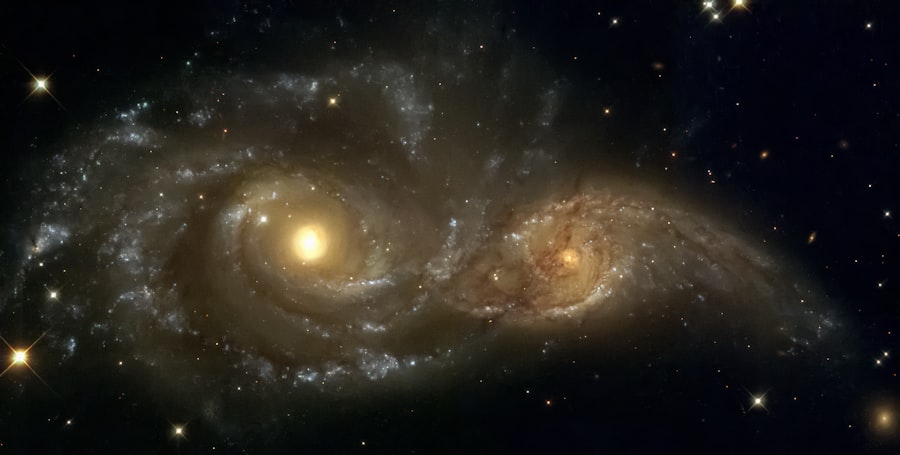
The process of star formation is intricately linked to galaxy formation, as stars are the building blocks of galaxies. JWST’s ability to observe star-forming regions within galaxies will provide valuable data on how stars are born from gas and dust clouds. By studying these regions in various galaxies, astronomers can gain insights into the conditions that foster star formation and how these processes vary across different environments.
Moreover, JWST will also investigate planetary systems’ formation within these star-forming regions. Understanding how planets form around stars is crucial for comprehending the potential for life beyond Earth. By examining protoplanetary disks—structures composed of gas and dust surrounding young stars—JWST can shed light on the processes that lead to planet formation and the diversity of planetary systems throughout the universe.
Understanding the Role of Gas and Dust in Galaxy Formation
Gas and dust play a pivotal role in galaxy formation, serving as the raw materials from which stars and planets are formed. The interplay between gas dynamics, star formation, and feedback processes—such as supernova explosions—shapes the evolution of galaxies over time. JWST’s ability to observe these components in detail will enhance our understanding of their roles in galaxy formation.
By mapping gas distributions within galaxies and studying how they interact with stellar populations, astronomers can gain insights into how gas flows into galactic centers and fuels star formation. Additionally, JWST’s observations will help elucidate how dust affects star formation rates by regulating temperature and shielding gas from ionizing radiation. This knowledge will contribute to a more comprehensive understanding of how galaxies evolve over cosmic time.
Examining the Evolution of Galaxies over Cosmic Time
Galaxies are not static entities; they evolve over billions of years through various processes such as mergers, interactions, and internal dynamics. Understanding how galaxies change over cosmic time is essential for constructing a complete picture of galaxy formation. JWST’s ability to observe distant galaxies allows researchers to study them at different stages of their evolution.
By comparing galaxies at various redshifts—essentially different points in time—astronomers can trace their development from early formations to mature systems. This comparative analysis will reveal patterns in galaxy morphology, star formation rates, and chemical enrichment over time. Such insights will help refine existing models of galaxy evolution and provide a clearer understanding of how galaxies have transformed throughout cosmic history.
The Impact of JWST on Our Understanding of Galaxy Formation
The advent of JWST marks a transformative moment in astrophysics, particularly concerning our understanding of galaxy formation. With its advanced capabilities, JWST is poised to answer long-standing questions about how galaxies formed and evolved in the early universe. The data collected by this powerful telescope will not only enhance existing theories but may also lead to entirely new paradigms regarding galaxy formation.
As researchers analyze JWST’s findings, they will be able to test hypotheses about dark matter, black holes, star formation, and gas dynamics with unprecedented precision. The telescope’s observations will provide a wealth of information that can be integrated into theoretical models, ultimately leading to a more cohesive understanding of galaxy formation processes across different epochs.
Future Prospects for JWST in Studying Galaxy Formation
Looking ahead, JWST’s potential for advancing our knowledge of galaxy formation remains vast. As it continues its mission over the coming years, astronomers anticipate uncovering new discoveries that could reshape our understanding of cosmic evolution. Future observations will likely focus on identifying even more distant galaxies, probing their properties, and investigating their interactions with other cosmic structures.
Moreover, as data from JWST accumulates, collaborative efforts among scientists worldwide will facilitate comprehensive analyses that integrate findings across various fields within astrophysics. This interdisciplinary approach will enhance our understanding not only of galaxy formation but also of broader cosmological questions related to dark energy, cosmic inflation, and the overall structure of the universe.
The Promise of JWST in Unraveling the Galaxy Formation Problem
In conclusion, the James Webb Space Telescope stands as a beacon of hope for unraveling one of astrophysics’ most enduring challenges: understanding galaxy formation. With its advanced technology and capabilities, JWST is set to revolutionize our knowledge by providing unprecedented insights into the early universe’s conditions and processes that shaped galaxies over billions of years. As astronomers harness JWST’s power to explore distant galaxies, probe dark matter’s influence, investigate black holes’ roles, and study star formation dynamics, they inch closer to solving the galaxy formation problem.
The promise held by JWST extends beyond mere observation; it represents a transformative opportunity to deepen humanity’s understanding of its place within an ever-evolving cosmos.
The James Webb Space Telescope (JWST) has opened new frontiers in our understanding of galaxy formation, providing unprecedented insights into the early universe. A related article on this topic can be found on My Cosmic Ventures, which delves into the latest findings and theories surrounding the galaxy formation problem. This article explores how JWST’s advanced capabilities are helping astronomers unravel the mysteries of how galaxies formed and evolved over billions of years. For more detailed information, you can read the full article by visiting My Cosmic Ventures.
WATCH THIS! Did JWST DISPROVE The BIG BANG?!?!
FAQs
What is the galaxy formation problem?
The galaxy formation problem refers to the challenge of understanding how galaxies, including our own Milky Way, formed and evolved over cosmic time.
What are some of the key questions related to the galaxy formation problem?
Some key questions include: How did the first galaxies form? What processes led to the formation of the diverse range of galaxy types we observe today? How do galaxies grow and evolve over time?
How does the James Webb Space Telescope (JWST) contribute to studying the galaxy formation problem?
The JWST, with its advanced capabilities and sensitivity, will allow astronomers to study the earliest galaxies in the universe, providing crucial insights into the processes of galaxy formation and evolution.
What are some of the specific observations and measurements that JWST will make to address the galaxy formation problem?
JWST will observe distant galaxies to study their star formation rates, chemical compositions, and the dynamics of their gas and dust. It will also investigate the role of black holes in galaxy formation and the interactions between galaxies.
How will the findings from JWST impact our understanding of the galaxy formation problem?
The data and observations from JWST are expected to provide valuable information about the early universe and the processes that led to the formation of galaxies. This will help astronomers refine and develop models of galaxy formation and evolution.