
The story of Earth begins over 4.5 billion years ago, a time when the planet was a molten mass of rock and metal, swirling in the vastness of space. This primordial Earth was a hostile environment, characterized by extreme temperatures and frequent collisions with other celestial bodies. As the planet began to cool, it underwent a series of transformations that would lay the groundwork for the development of life.
Understanding the early Earth is crucial for grasping the complex processes that shaped not only the planet itself but also the life forms that would eventually inhabit it. The early Earth was a dynamic and tumultuous place, marked by volcanic activity and the relentless bombardment of meteorites. These conditions created a unique environment that would eventually foster the emergence of life.
By studying this formative period, scientists can piece together the intricate puzzle of Earth’s history, revealing how geological and atmospheric changes influenced biological evolution. The exploration of early Earth serves as a foundation for understanding not only our planet’s past but also its future trajectory in the cosmos.
Key Takeaways
- Early Earth was a hot, violent, and inhospitable place, with frequent volcanic activity and frequent meteorite impacts.
- The Earth formed about 4.6 billion years ago through the accretion of dust and gas in the solar nebula.
- The early atmosphere was composed of gases released from volcanic activity, including water vapor, carbon dioxide, nitrogen, and small amounts of methane and ammonia.
- The origin of life on Earth is still a mystery, but it likely began in the oceans around 3.5 to 4 billion years ago.
- Early life had a significant impact on the environment, contributing to the production of oxygen and the formation of the ozone layer.
Formation of the Earth
The formation of Earth is a tale woven into the fabric of the solar system’s creation. Approximately 4.6 billion years ago, a massive cloud of gas and dust, known as the solar nebula, began to collapse under its own gravity. As this material coalesced, it formed the Sun at its center, while the remaining particles gradually came together to create the planets, including Earth.
This process, known as accretion, involved countless collisions and mergers of smaller bodies, leading to the formation of a larger planetary mass. As Earth continued to grow, it experienced intense heat from both gravitational compression and radioactive decay. This heat caused the planet to remain in a molten state for millions of years.
Eventually, as it cooled, a solid crust began to form on its surface. The differentiation of materials within the planet led to the creation of distinct layers: a metallic core, a silicate mantle, and a solid crust. This layered structure would play a significant role in shaping Earth’s geological and atmospheric evolution.
Early Atmosphere and Climate
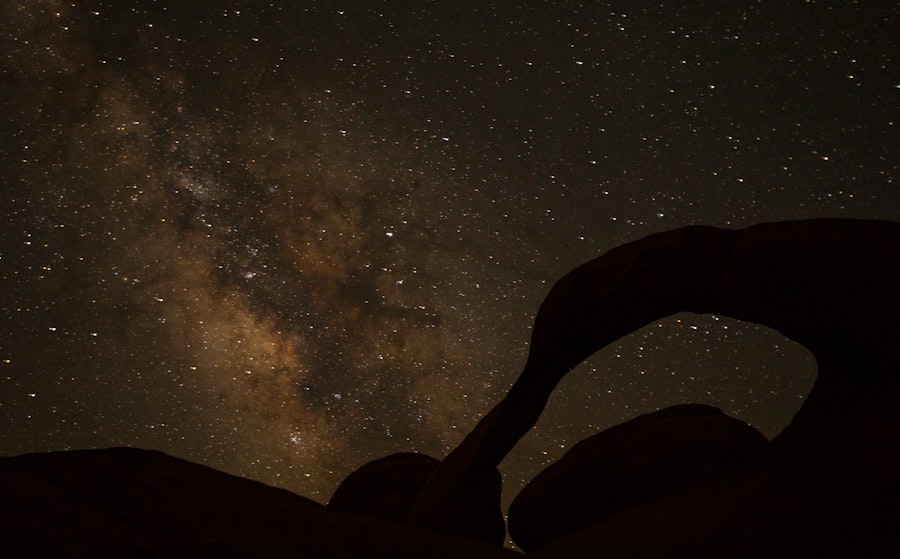
The early atmosphere of Earth was vastly different from what exists today. Initially composed mainly of hydrogen and helium, it lacked the essential elements necessary for life as we know it. As volcanic activity released gases such as carbon dioxide, water vapor, ammonia, and methane into the atmosphere, a new environment began to take shape.
This primordial atmosphere was thick and toxic, creating conditions that were inhospitable to most forms of life. The climate during this period was characterized by extreme temperatures and frequent storms. The presence of water vapor in the atmosphere eventually led to the formation of clouds and precipitation, contributing to the cooling of the planet’s surface.
As rain fell and accumulated in low-lying areas, it began to create bodies of water that would later become oceans. This transition marked a significant turning point in Earth’s history, setting the stage for the emergence of life.
The Origin of Life
| Metrics | Data |
|---|---|
| Age of Earth | 4.54 billion years |
| First signs of life | 3.5 billion years ago |
| Miller-Urey experiment | 1953 |
| RNA world hypothesis | 1986 |
| First prokaryotic cells | 3.5 billion years ago |
The origin of life on Earth remains one of science’s most profound mysteries. While various theories have been proposed, one widely accepted hypothesis suggests that life began in the oceans around 3.5 to 4 billion years ago. The combination of essential elements—carbon, hydrogen, nitrogen, oxygen, phosphorus, and sulfur—along with energy sources such as lightning or hydrothermal vents may have facilitated the formation of simple organic molecules.
These molecules eventually combined to form more complex structures, leading to the first living organisms. The earliest forms of life were likely simple prokaryotic cells, which thrived in anaerobic environments devoid of oxygen. These microorganisms played a crucial role in shaping Earth’s biosphere by participating in biogeochemical cycles and influencing atmospheric composition.
The emergence of life not only marked a significant milestone in Earth’s history but also set into motion a series of evolutionary processes that would lead to an incredible diversity of organisms over billions of years.
Geologic Events and Processes
Throughout its history, Earth has been shaped by various geologic events and processes that have influenced its landscape and environment. Plate tectonics is one such process that has played a pivotal role in shaping continents and ocean basins. The movement of tectonic plates has led to the formation of mountains, earthquakes, and volcanic eruptions, all of which have had profound effects on Earth’s climate and ecosystems.
In addition to plate tectonics, other geologic events such as asteroid impacts have left indelible marks on Earth’s surface. The most famous example is the impact believed to have contributed to the extinction of the dinosaurs approximately 66 million years ago. Such events not only reshape physical landscapes but also create opportunities for evolutionary change by altering habitats and ecological dynamics.
Early Oceans and Continents
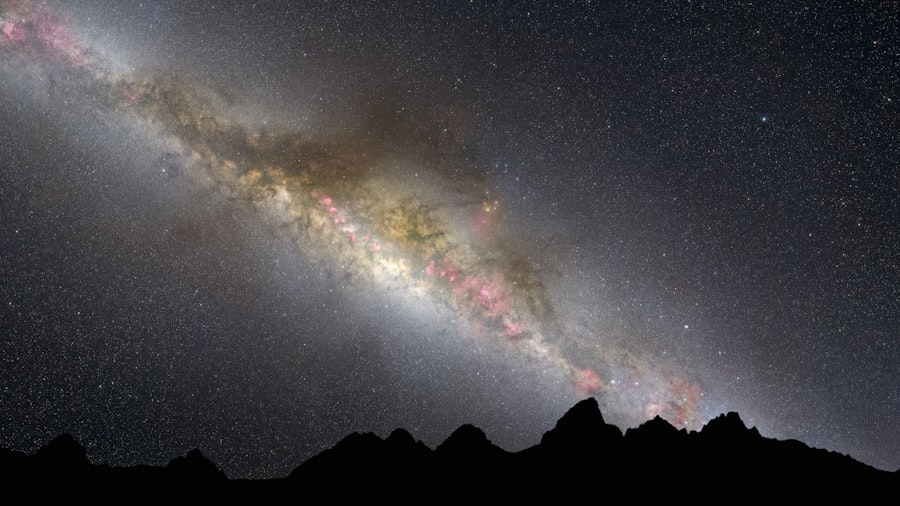
As Earth cooled and stabilized, oceans began to form from accumulated rainwater and melting ice from comets and asteroids. These early oceans were rich in minerals and nutrients, providing an ideal environment for the development of life. The vast bodies of water played a crucial role in regulating Earth’s climate by absorbing heat and carbon dioxide from the atmosphere.
Simultaneously, continental landmasses began to emerge from beneath the oceans due to tectonic activity. The formation of continents created diverse habitats that would support various forms of life. Over time, these landmasses would drift apart and collide again due to plate tectonics, leading to further geological changes and influencing evolutionary pathways for countless species.
Impact of Early Life on the Environment
The emergence of early life had profound implications for Earth’s environment. Microorganisms played a critical role in shaping biogeochemical cycles, particularly through processes such as photosynthesis and respiration. Cyanobacteria, one of the earliest photosynthetic organisms, began converting sunlight into energy while releasing oxygen as a byproduct.
This process not only contributed to the development of more complex life forms but also significantly altered atmospheric composition. As life diversified, ecosystems became increasingly complex.
For instance, as plants evolved and spread across landmasses, they contributed to soil formation and stabilization while also affecting local climates through transpiration processes.
Fossil Evidence of Early Life
Fossils serve as invaluable records of early life on Earth, providing insights into the types of organisms that existed millions or even billions of years ago. The oldest known fossils are stromatolites—layered structures formed by microbial mats—dating back approximately 3.5 billion years. These ancient formations offer evidence of early microbial life thriving in shallow marine environments.
In addition to stromatolites, other fossilized remains such as microfossils provide clues about early cellular structures and metabolic processes. The study of these fossils allows scientists to reconstruct evolutionary lineages and understand how life adapted to changing environmental conditions over time. Fossil evidence not only illuminates the past but also helps researchers make predictions about future evolutionary trends.
Evolutionary Milestones
The history of life on Earth is marked by several key evolutionary milestones that have shaped biodiversity as we know it today.
This transition allowed for greater complexity in biological structures and functions, paving the way for more diverse ecosystems.
Another critical milestone occurred during the Cambrian explosion approximately 541 million years ago when an unprecedented diversification of life took place in marine environments. This period saw the emergence of many major animal phyla that still exist today. The evolution of hard shells and exoskeletons provided new ecological niches and opportunities for survival, leading to an explosion in biodiversity that would continue to evolve over millions of years.
The Great Oxygenation Event
One of the most transformative events in Earth’s history was the Great Oxygenation Event (GOE), which occurred around 2.4 billion years ago. During this period, cyanobacteria proliferated in oceans and began producing significant amounts of oxygen through photosynthesis. This increase in atmospheric oxygen had profound implications for both life and geology on Earth.
Prior to the GOE, Earth’s atmosphere was largely anoxic (lacking oxygen), which limited the types of organisms that could thrive. However, as oxygen levels rose, new metabolic pathways emerged that allowed for more complex aerobic organisms to evolve. This shift not only transformed ecosystems but also led to significant changes in mineral deposits and weathering processes on land.
Implications for Understanding Earth’s Future
The study of early Earth provides critical insights into understanding not only our planet’s past but also its future trajectory in an ever-changing universe. By examining geological events, climatic shifts, and biological evolution over billions of years, scientists can better predict how current environmental challenges may shape future ecosystems. As humanity faces unprecedented challenges such as climate change and biodiversity loss, understanding Earth’s history becomes increasingly important.
The lessons learned from early Earth can inform conservation efforts and guide sustainable practices aimed at preserving biodiversity for future generations. By recognizing patterns from Earth’s past, society can work towards creating a more resilient planet capable of supporting diverse forms of life amidst ongoing changes. In conclusion, exploring early Earth reveals a complex interplay between geological processes and biological evolution that has shaped our planet over billions of years.
From its fiery beginnings to the emergence of life and subsequent evolutionary milestones, each chapter in Earth’s history contributes to our understanding of both its past and future potential.
Understanding the first billion years of the universe is a fascinating journey into the origins of cosmic structures and the formation of the earliest galaxies. For those interested in delving deeper into this topic, a related article can be found on My Cosmic Ventures. This article provides insights into the latest research and discoveries that shed light on this enigmatic period of cosmic history. To explore more about these groundbreaking findings, you can visit the article by clicking on this link: Understanding the First Billion Years. This resource offers a comprehensive overview of the early universe, making it an essential read for anyone passionate about cosmology and the evolution of the cosmos.
WATCH THIS! Did JWST DISPROVE The BIG BANG?!?!
FAQs
What is the significance of understanding the first billion years?
Understanding the first billion years of Earth’s history is crucial for gaining insights into the formation of the planet, the development of early life forms, and the environmental conditions that existed during that time. It provides valuable information for understanding the origins of life and the processes that shaped the Earth into the planet we know today.
How do scientists study the first billion years of Earth’s history?
Scientists study the first billion years of Earth’s history through various methods, including analyzing ancient rocks, studying the chemical composition of minerals, examining fossilized remains of early life forms, and using advanced dating techniques such as radiometric dating to determine the age of rocks and minerals.
What are some key events that occurred during the first billion years of Earth’s history?
Some key events that occurred during the first billion years of Earth’s history include the formation of the planet, the cooling of the Earth’s surface, the development of the oceans and atmosphere, the emergence of early life forms such as bacteria and archaea, and the formation of the first continents.
Why is it important to understand the environmental conditions of the early Earth?
Understanding the environmental conditions of the early Earth is important because it provides insights into the factors that influenced the development of early life forms and the evolution of the planet. It also helps scientists understand how the Earth’s environment has changed over time and how it may continue to change in the future.
What can we learn from studying the first billion years of Earth’s history?
Studying the first billion years of Earth’s history can provide valuable information about the origins of life, the processes that shaped the Earth, the evolution of the planet’s environment, and the potential for life to exist on other planets. It also helps scientists understand the long-term dynamics of Earth’s geology and climate.