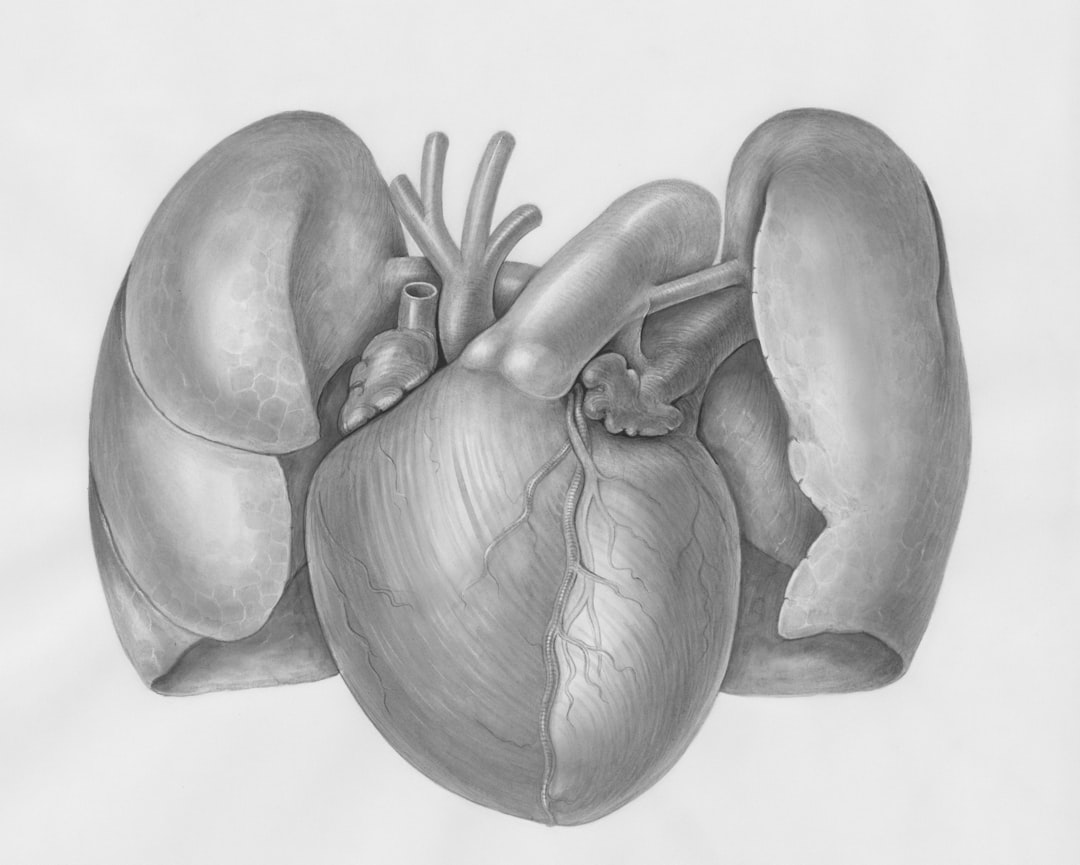
Cardiovascular fitness is a cornerstone of overall health and well-being. When you engage in activities that elevate your heart rate, you are not only improving your heart’s efficiency but also enhancing your body’s ability to deliver oxygen to your muscles. This form of fitness is crucial for maintaining a healthy weight, reducing the risk of chronic diseases, and boosting your mood.
As you incorporate cardio into your routine, you may notice increased energy levels, improved endurance, and a greater sense of vitality in your daily life. Moreover, cardio fitness plays a significant role in mental health. Engaging in regular aerobic exercise can lead to the release of endorphins, often referred to as “feel-good” hormones.
This natural boost can help alleviate symptoms of anxiety and depression, making you feel more balanced and centered. As you prioritize cardio fitness, you are not just investing in your physical health; you are also nurturing your mental well-being, creating a holistic approach to your overall fitness journey.
Key Takeaways
- Cardio fitness is crucial for overall health and increasing lifespan.
- A balanced diet supports cardiovascular health and longevity.
- Combining strength training with cardio enhances long-term fitness benefits.
- Managing stress effectively contributes to better heart health and longevity.
- Consistency, proper sleep, and professional guidance are key to sustaining cardio fitness over time.
Understanding the Link Between Cardio Fitness and Longevity
The connection between cardio fitness and longevity is well-documented in scientific literature. Studies consistently show that individuals who maintain a high level of cardiovascular fitness tend to live longer, healthier lives.
These physiological changes contribute to a lower risk of heart disease, stroke, and other life-threatening conditions. Additionally, cardio fitness can help mitigate the effects of aging. As you age, your cardiovascular system naturally declines in efficiency; however, regular aerobic activity can slow this process significantly.
By prioritizing cardio fitness, you are not only extending your lifespan but also improving the quality of those years. You may find that you have more energy to engage in activities you love, maintain independence longer, and enjoy a more active lifestyle well into your later years.
The Role of Diet in Cardio Fitness Longevity
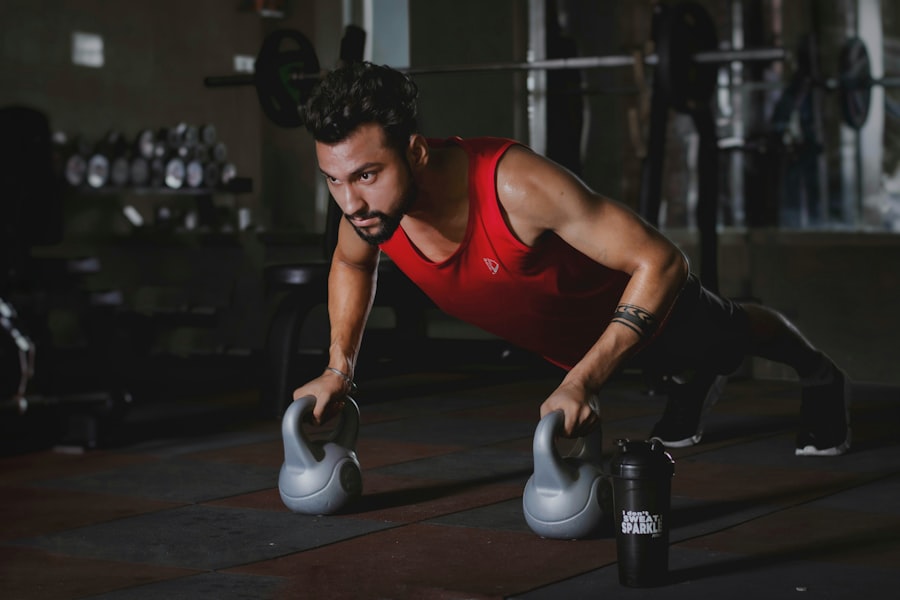
While cardio exercise is vital for longevity, it is equally important to consider the role of diet in supporting your cardiovascular health. A balanced diet rich in whole foods—such as fruits, vegetables, whole grains, lean proteins, and healthy fats—can enhance your cardio fitness efforts. When you fuel your body with nutrient-dense foods, you provide it with the necessary building blocks to perform optimally during workouts and recover effectively afterward.
Moreover, certain dietary choices can directly impact your cardiovascular health. For instance, incorporating omega-3 fatty acids found in fish or flaxseeds can help reduce inflammation and lower blood pressure. Similarly, consuming foods high in antioxidants can combat oxidative stress that may arise from intense cardio workouts.
By being mindful of what you eat, you can create a synergistic effect that amplifies the benefits of your cardio fitness routine and promotes longevity.
Incorporating Strength Training for Cardio Fitness Longevity
While cardio is essential for heart health, incorporating strength training into your fitness regimen can further enhance your longevity. Resistance exercises not only build muscle but also improve metabolic function and bone density. When you combine strength training with cardiovascular workouts, you create a well-rounded fitness program that supports overall health and longevity.
Additionally, strength training can improve your performance during cardio sessions. As you build muscle strength, you’ll find that activities like running or cycling become easier and more enjoyable. This increased efficiency can lead to longer workout sessions and greater calorie burn, ultimately contributing to better cardiovascular health.
By embracing both cardio and strength training, you are setting yourself up for a more sustainable and effective approach to fitness that promotes longevity.
The Impact of Stress Management on Cardio Fitness Longevity
| Metric | Description | Average Value | Impact on Longevity |
|---|---|---|---|
| VO2 Max (ml/kg/min) | Maximum oxygen uptake during intense exercise, indicator of cardiovascular fitness | 35-45 (healthy adults) | Higher VO2 max is associated with increased lifespan and reduced cardiovascular risk |
| Resting Heart Rate (bpm) | Number of heartbeats per minute at rest | 60-80 bpm (average adult) | Lower resting heart rate correlates with better cardiovascular health and longevity |
| Exercise Frequency (sessions/week) | Number of cardiovascular exercise sessions per week | 3-5 sessions | Regular exercise reduces risk of heart disease and increases lifespan |
| Blood Pressure (mmHg) | Systolic/Diastolic pressure, indicator of cardiovascular strain | 120/80 mmHg (normal) | Maintaining normal blood pressure reduces risk of stroke and heart disease |
| Cholesterol Levels (mg/dL) | Total cholesterol in blood, including LDL and HDL | Total: <200 mg/dL | Lower LDL and higher HDL levels improve cardiovascular health and longevity |
| Physical Activity Duration (minutes/day) | Time spent in moderate to vigorous cardiovascular activity daily | 30-60 minutes | Consistent activity improves heart function and extends lifespan |
Stress management is often an overlooked aspect of maintaining cardio fitness and promoting longevity. Chronic stress can have detrimental effects on your cardiovascular system, leading to increased heart rate and blood pressure. When you experience stress, your body releases hormones like cortisol that can negatively impact your heart health over time.
Therefore, finding effective ways to manage stress is crucial for supporting your cardio fitness goals. Incorporating relaxation techniques such as mindfulness meditation, yoga, or deep-breathing exercises can help mitigate the effects of stress on your body. These practices not only promote mental clarity but also enhance your ability to recover from intense workouts.
By prioritizing stress management alongside your cardio routine, you create a balanced approach that fosters both physical and mental well-being—key components for longevity.
The Importance of Consistency in Cardio Fitness for Longevity

Consistency is the bedrock of any successful fitness journey, especially when it comes to cardio fitness and longevity. Establishing a regular workout schedule helps reinforce healthy habits and ensures that you are continually challenging your cardiovascular system. Whether it’s brisk walking three times a week or engaging in high-intensity interval training (HIIT), finding a routine that fits seamlessly into your lifestyle is essential for long-term success.
Moreover, consistency allows you to track progress over time. As you commit to regular cardio workouts, you’ll likely notice improvements in endurance, strength, and overall well-being. This sense of achievement can be incredibly motivating and encourage you to stick with your routine even when faced with challenges.
By making cardio fitness a non-negotiable part of your life, you’re investing in a healthier future filled with vitality and longevity.
The Role of Sleep in Cardio Fitness Longevity
Sleep is often underestimated in its importance for cardio fitness and overall health. Quality sleep is essential for recovery after workouts; it allows your body to repair muscles and replenish energy stores. When you’re well-rested, you’re more likely to perform better during cardio sessions and maintain the motivation needed to stick with your routine.
Furthermore, inadequate sleep can lead to increased levels of stress hormones like cortisol, which can negatively impact cardiovascular health over time. Prioritizing good sleep hygiene—such as establishing a consistent sleep schedule and creating a restful environment—can significantly enhance your cardio fitness efforts. By ensuring that you’re getting enough restorative sleep each night, you’re setting yourself up for success in both your workouts and overall longevity.
Seeking Professional Guidance for Cardio Fitness Longevity
As you embark on or continue your journey toward improved cardio fitness and longevity, seeking professional guidance can be invaluable. Personal trainers or fitness coaches can provide tailored workout plans that align with your specific goals and needs. They can also offer insights into proper form and technique to prevent injuries while maximizing the effectiveness of your workouts.
Additionally, consulting with nutritionists or dietitians can help you develop a personalized eating plan that supports your cardio fitness goals. They can guide you on how to fuel your body effectively before and after workouts while ensuring you’re meeting all nutritional requirements for optimal health. By enlisting professional support, you’re not only enhancing your chances of success but also gaining access to expert knowledge that can empower you on your journey toward longevity through cardio fitness.
In conclusion, prioritizing cardio fitness is essential for enhancing both longevity and quality of life. By understanding its importance and integrating various elements such as diet, strength training, stress management, consistency, sleep, and professional guidance into your routine, you’re setting yourself up for a healthier future filled with vitality and joy. Embrace this journey with enthusiasm; every step you take toward improved cardiovascular health is a step toward a longer, more fulfilling life.
Research has shown that maintaining cardiovascular fitness is crucial for promoting longevity and overall health. A related article that delves into the connection between cardiovascular health and lifespan can be found at this link. This article discusses various studies and findings that highlight the importance of regular aerobic exercise in enhancing heart health and extending life expectancy.
WATCH THIS! 🚨 You Can’t Cheat Death (Quantum Immortality Debunked)
FAQs
What is cardiovascular fitness?
Cardiovascular fitness refers to the ability of the heart, lungs, and blood vessels to supply oxygen-rich blood to the muscles during sustained physical activity. It is a key indicator of overall heart and lung health.
How does cardiovascular fitness impact longevity?
Higher levels of cardiovascular fitness are associated with a lower risk of chronic diseases such as heart disease, stroke, and diabetes, which can contribute to a longer lifespan. Improved cardiovascular fitness enhances heart function and circulation, promoting overall health and longevity.
What activities improve cardiovascular fitness?
Activities that increase heart rate and breathing for an extended period improve cardiovascular fitness. These include walking, running, cycling, swimming, aerobic classes, and other forms of moderate to vigorous aerobic exercise.
How often should one exercise to improve cardiovascular fitness?
The American Heart Association recommends at least 150 minutes of moderate-intensity aerobic exercise or 75 minutes of vigorous-intensity exercise per week to maintain and improve cardiovascular fitness.
Can cardiovascular fitness reduce the risk of heart disease?
Yes, regular cardiovascular exercise strengthens the heart muscle, improves blood circulation, lowers blood pressure, and helps maintain healthy cholesterol levels, all of which reduce the risk of heart disease.
Is cardiovascular fitness important at all ages?
Yes, maintaining cardiovascular fitness is important throughout life. It helps improve quality of life, maintain mobility, and reduce the risk of age-related diseases, contributing to healthier aging and increased longevity.
How can one measure cardiovascular fitness?
Cardiovascular fitness can be assessed through tests such as VO2 max (maximum oxygen uptake), treadmill or cycling stress tests, and simple field tests like the Cooper 12-minute run or the step test.
Are there any risks associated with improving cardiovascular fitness?
While exercise is generally safe for most people, those with existing health conditions should consult a healthcare provider before starting a new exercise program to avoid injury or complications.
Does diet affect cardiovascular fitness and longevity?
Yes, a balanced diet rich in fruits, vegetables, whole grains, lean proteins, and healthy fats supports cardiovascular health and enhances the benefits of physical fitness, contributing to longevity.
Can cardiovascular fitness help with mental health?
Regular cardiovascular exercise has been shown to reduce symptoms of depression and anxiety, improve mood, and enhance cognitive function, which can contribute to overall well-being and longevity.