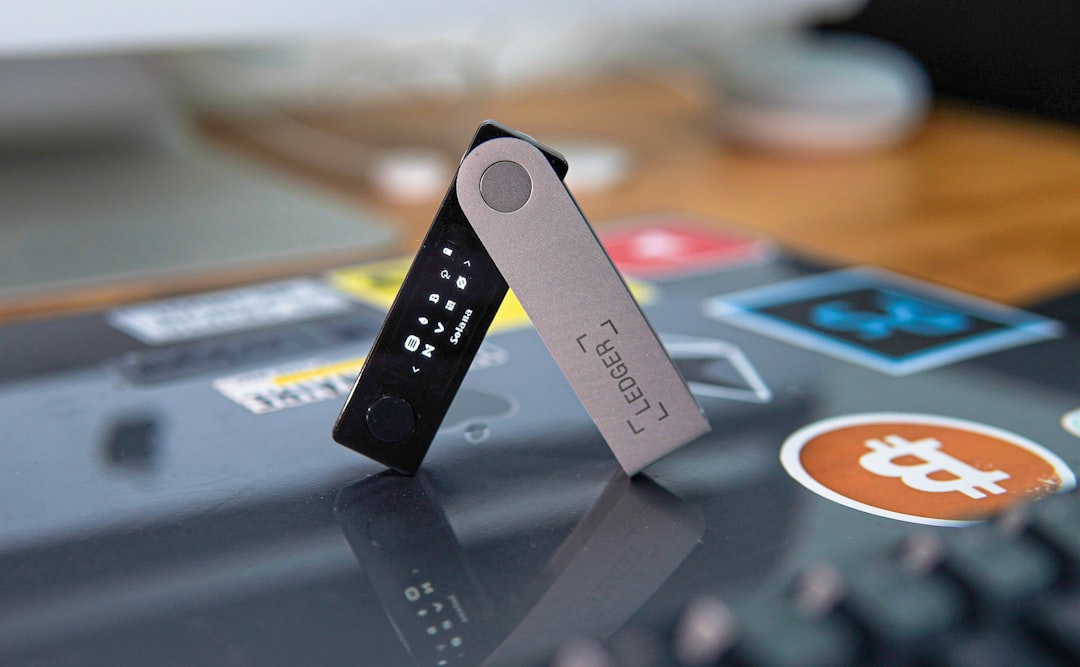
Encoded Boundary Ledger (EBL) represents a significant advancement in digital record-keeping and data management. It functions as a decentralized ledger technology that securely and transparently records transactions and data exchanges. Unlike centralized traditional ledgers that are susceptible to manipulation, EBL employs cryptographic techniques to ensure all entries remain immutable and verifiable.
This technology proves especially valuable in environments requiring trust and transparency, such as financial services, supply chain management, and public records. The encoded boundary concept is fundamental to this ledger’s operation. These digital boundaries define the scope of data entries, ensuring only authorized participants can access or modify specific information.
This feature not only enhances security but also supports regulatory compliance by providing a clear audit trail. As organizations increasingly seek technological solutions for operational efficiency, EBL adoption continues to grow, enabling innovative applications across various sectors.
Key Takeaways
- Encoded Boundary Ledger enhances data security and privacy through advanced encoding techniques.
- It offers significant benefits including improved transparency, efficiency, and tamper-resistance for businesses.
- Implementation involves integrating encoded boundary protocols with existing systems to streamline operations.
- Real-world applications span industries such as finance, supply chain, and healthcare, demonstrating versatility.
- Despite its advantages, challenges like scalability and complexity must be addressed for widespread adoption.
The Benefits of Using Encoded Boundary Ledger
The advantages of utilizing Encoded Boundary Ledger are manifold, making it an attractive option for businesses looking to enhance their data management practices. One of the primary benefits is the increased level of security it offers. By employing cryptographic methods, EBL ensures that data cannot be altered or deleted without proper authorization, significantly reducing the risk of fraud and data breaches.
This level of security is particularly appealing to industries that handle sensitive information, such as healthcare and finance, where data integrity is critical. In addition to security, EBL promotes transparency and accountability within organizations. Each transaction recorded on the ledger is time-stamped and linked to a unique identifier, creating a comprehensive audit trail that can be easily accessed by authorized parties.
This transparency fosters trust among stakeholders, as they can independently verify transactions without relying on a central authority. Furthermore, the efficiency gained through automated processes and reduced paperwork can lead to significant cost savings for businesses, allowing them to allocate resources more effectively.
How Encoded Boundary Ledger Works

The operational mechanics of Encoded Boundary Ledger are rooted in blockchain technology, which serves as the backbone for its functionality. When a transaction occurs, it is grouped with others into a block that is then cryptographically hashed. This hash serves as a digital fingerprint for the block, ensuring its integrity.
Once validated by a consensus mechanism—such as proof of work or proof of stake—the block is added to the existing chain of blocks, creating a permanent record that cannot be altered retroactively.
Smart contracts are self-executing contracts with the terms of the agreement directly written into code.
They automate processes and enforce rules without the need for intermediaries. Access controls define who can view or modify specific entries within the ledger, ensuring that sensitive information remains protected while still allowing for necessary transparency among authorized users.
Implementing Encoded Boundary Ledger in Your Business
For organizations considering the implementation of Encoded Boundary Ledger, several key steps must be taken to ensure a successful transition. First and foremost, it is essential to conduct a thorough assessment of existing processes and identify areas where EBL can add value. This may involve evaluating current data management practices, pinpointing inefficiencies, and determining how EBL can streamline operations while enhancing security.
Once potential use cases have been identified, organizations should engage stakeholders across various departments to gather input and foster buy-in. This collaborative approach not only helps in designing a system that meets diverse needs but also ensures that employees are adequately trained on how to utilize the new technology effectively. Additionally, partnering with experienced vendors or consultants who specialize in EBL can provide valuable insights and support throughout the implementation process, helping to mitigate risks and maximize benefits.
Security and Privacy in Encoded Boundary Ledger
| Metric | Description | Value | Unit |
|---|---|---|---|
| Block Size | Maximum size of each ledger block | 2 | MB |
| Transaction Throughput | Number of transactions processed per second | 1500 | TPS |
| Latency | Average time to confirm a transaction | 2 | seconds |
| Data Redundancy | Number of copies of ledger data stored | 5 | copies |
| Encryption Standard | Type of encryption used for data security | AES-256 | – |
| Consensus Mechanism | Protocol used to validate transactions | Proof of Stake | – |
| Ledger Size | Total size of the boundary ledger | 120 | GB |
| Data Encoding Format | Format used to encode information in the ledger | JSON | – |
Security and privacy are paramount concerns when it comes to any digital ledger system, and Encoded Boundary Ledger addresses these issues head-on. The use of cryptographic techniques ensures that data remains secure from unauthorized access and tampering. Each transaction is encrypted and linked to previous entries in such a way that altering one piece of information would require changing all subsequent entries—a virtually impossible task without detection.
Moreover, EBL incorporates privacy features that allow organizations to control who has access to specific data sets. By defining encoded boundaries, businesses can ensure that sensitive information is only available to authorized personnel while still maintaining transparency for other stakeholders. This balance between security and accessibility is crucial in industries where compliance with regulations such as GDPR or HIPAA is necessary, as it allows organizations to protect personal data while still fulfilling their obligations.
Real-world Applications of Encoded Boundary Ledger

The versatility of Encoded Boundary Ledger lends itself to a wide array of real-world applications across various sectors. In supply chain management, for instance, EBL can be used to track products from their origin to the end consumer, providing an immutable record of each transaction along the way. This not only enhances transparency but also helps in identifying inefficiencies or potential fraud within the supply chain.
In the financial sector, EBL can streamline processes such as cross-border payments and trade finance by reducing reliance on intermediaries and minimizing transaction times. By automating compliance checks through smart contracts, financial institutions can ensure adherence to regulations while improving customer experience. Additionally, in healthcare, EBL can facilitate secure sharing of patient records among providers while maintaining patient privacy—a critical factor in delivering quality care.
The Future of Encoded Boundary Ledger Technology
As technology continues to evolve, so too does the potential for Encoded Boundary Ledger to transform various industries. The future of EBL technology appears promising, with ongoing advancements in blockchain scalability and interoperability paving the way for broader adoption. As more organizations recognize the benefits of decentralized ledger systems, it is likely that EBL will become a standard practice in data management.
Moreover, as regulatory frameworks surrounding digital technologies continue to develop, EBL may play a crucial role in ensuring compliance with emerging standards. The ability to provide transparent audit trails and secure data sharing will be invaluable as industries navigate increasingly complex regulatory environments. Additionally, innovations such as artificial intelligence and machine learning could further enhance EBL capabilities by enabling predictive analytics and automated decision-making processes.
Challenges and Limitations of Encoded Boundary Ledger
Despite its many advantages, Encoded Boundary Ledger is not without its challenges and limitations. One significant hurdle is the initial cost associated with implementing this technology. Organizations may face substantial upfront investments in infrastructure, training, and ongoing maintenance.
For smaller businesses or those operating on tight budgets, these costs can be prohibitive. Another challenge lies in the integration of EBL with existing systems. Many organizations have legacy systems that may not be compatible with new technologies, leading to potential disruptions during the transition process.
Additionally, there may be resistance from employees who are accustomed to traditional methods of data management. Overcoming these barriers requires careful planning and change management strategies to ensure a smooth adoption process.
Comparing Encoded Boundary Ledger with Other Ledger Technologies
When comparing Encoded Boundary Ledger with other ledger technologies, several key differences emerge that highlight its unique advantages. Traditional centralized ledgers often lack the transparency and security features inherent in EBL systems. Centralized databases are more susceptible to single points of failure and manipulation since they rely on a central authority for validation.
In contrast, other decentralized ledger technologies like public blockchains offer transparency but may lack privacy controls necessary for sensitive applications. Encoded Boundary Ledger strikes a balance between these two extremes by providing both security through encoded boundaries and transparency through immutable records. This makes EBL particularly well-suited for industries where both trust and confidentiality are essential.
Case Studies: Successful Implementations of Encoded Boundary Ledger
Several organizations have successfully implemented Encoded Boundary Ledger technology, showcasing its potential across various sectors. One notable example is a multinational logistics company that adopted EBL to enhance its supply chain visibility. By utilizing EBL to track shipments in real-time, the company was able to reduce delays significantly while improving customer satisfaction through greater transparency.
Another case study involves a financial institution that integrated EBL into its trade finance operations. By automating compliance checks through smart contracts on the ledger, the institution reduced processing times from days to mere hours while minimizing errors associated with manual interventions. These successful implementations demonstrate how EBL can drive efficiency and innovation across diverse business landscapes.
Tips for Getting Started with Encoded Boundary Ledger
For organizations looking to embark on their journey with Encoded Boundary Ledger technology, several practical tips can facilitate a smoother transition. First, it is essential to start small by identifying specific use cases where EBL can deliver immediate value. This focused approach allows organizations to test the waters without overwhelming their resources or staff.
Engaging stakeholders early in the process is also crucial for fostering buy-in and ensuring that diverse perspectives are considered during implementation planning. Providing training sessions and resources will help employees feel more comfortable with the new technology and its applications within their roles. Finally, partnering with experienced vendors or consultants can provide valuable insights into best practices and potential pitfalls, ultimately leading to a more successful implementation of Encoded Boundary Ledger technology within the organization.
For those interested in the concept of information encoded boundary ledgers, a related article that delves deeper into the implications and applications of this technology can be found at this link. This article explores how boundary ledgers can enhance data integrity and security in various industries, providing valuable insights for both researchers and practitioners in the field.
FAQs
What is an information encoded boundary ledger?
An information encoded boundary ledger is a type of digital ledger that records data with specific encoded information at its boundaries. It is designed to securely store and manage data entries with clear demarcations or boundaries that help in verifying and validating the information.
How does an information encoded boundary ledger work?
This ledger works by encoding data at the boundaries of each entry or block, which helps in maintaining the integrity and authenticity of the information. The encoded boundaries act as markers that facilitate error detection, data validation, and secure linking between entries.
What are the main uses of an information encoded boundary ledger?
Information encoded boundary ledgers are primarily used in applications requiring secure and verifiable data storage, such as blockchain technology, supply chain management, digital identity verification, and financial transactions.
What are the benefits of using an information encoded boundary ledger?
The benefits include enhanced data security, improved data integrity, easier verification processes, and resistance to tampering or unauthorized modifications. The encoded boundaries help ensure that the data remains consistent and trustworthy.
Is an information encoded boundary ledger the same as a blockchain?
While similar in concept, an information encoded boundary ledger is a broader term that can include various types of ledgers with encoded boundaries. Blockchain is a specific type of distributed ledger technology that uses cryptographic hashes to link blocks in a chain, which can be considered a form of information encoded boundary ledger.
Can information encoded boundary ledgers be used in decentralized systems?
Yes, they can be implemented in decentralized systems to provide secure, transparent, and tamper-resistant data management. Decentralization enhances the reliability and trustworthiness of the ledger by distributing control across multiple participants.
What technologies are involved in creating an information encoded boundary ledger?
Technologies commonly involved include cryptographic hashing, digital signatures, distributed ledger protocols, and encoding algorithms that define how information is structured and secured at the boundaries of ledger entries.
How is data integrity maintained in an information encoded boundary ledger?
Data integrity is maintained through the use of encoded boundaries that include cryptographic hashes or checksums. These boundaries ensure that any alteration to the data can be detected, as the encoded information will no longer match the expected values.
Are information encoded boundary ledgers suitable for all types of data?
While they are versatile, these ledgers are best suited for data that requires high security, traceability, and verification. For less critical or highly dynamic data, simpler storage solutions might be more efficient.
Where can I learn more about information encoded boundary ledgers?
You can learn more through academic papers on distributed ledger technology, blockchain research, cryptography textbooks, and technology blogs that focus on secure data management and ledger systems.