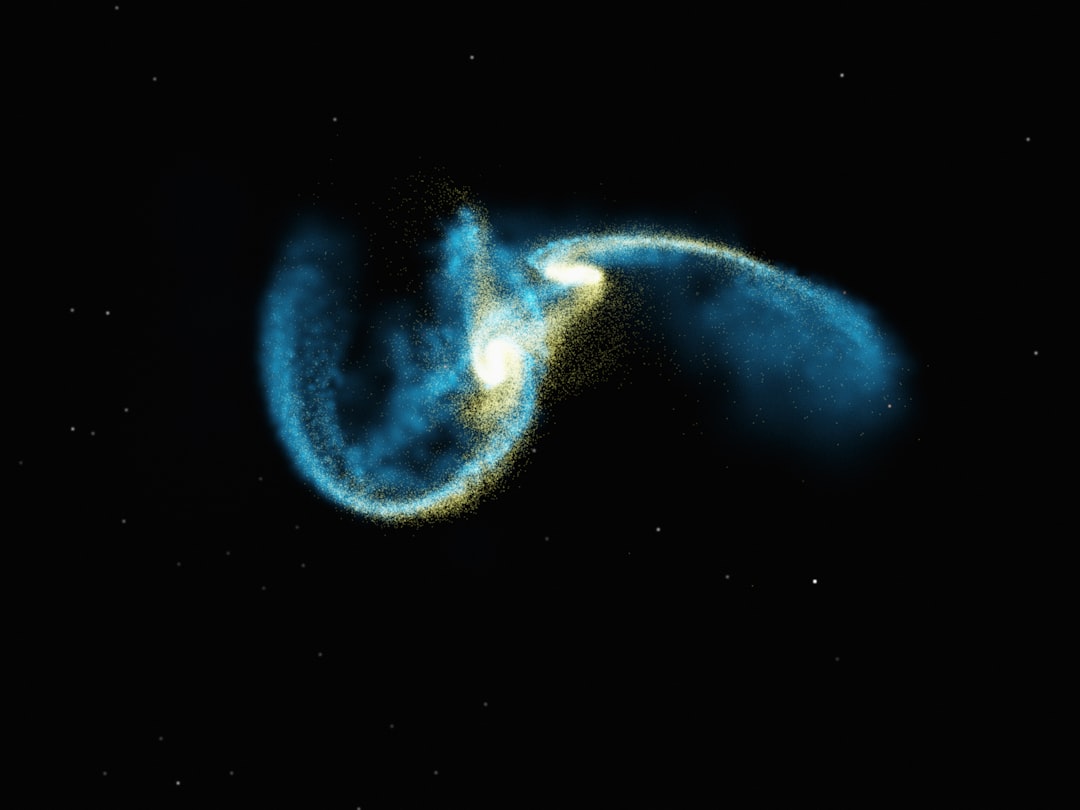
Cosmic signals are electromagnetic emissions detected from celestial objects and phenomena throughout the universe. These signals span the electromagnetic spectrum, including radio waves, microwaves, infrared radiation, visible light, ultraviolet radiation, X-rays, and gamma rays. Each type of radiation provides specific information about the physical properties, composition, and behavior of its source.
Astrophysicists analyze cosmic signals to study stellar evolution, galactic structure, and high-energy phenomena such as black holes, neutron stars, and supernovae. Radio telescopes detect emissions from pulsars and quasars, while X-ray observatories monitor accretion disks around compact objects. Gamma-ray detectors identify the most energetic events in the universe, including gamma-ray bursts and active galactic nuclei.
The detection and analysis of cosmic signals require sophisticated instrumentation and data processing techniques. Ground-based observatories, space telescopes, and interferometric arrays work together to collect electromagnetic radiation across multiple wavelengths. Advanced signal processing algorithms help distinguish genuine cosmic sources from terrestrial interference and instrumental noise.
This multi-wavelength approach enables comprehensive studies of astronomical objects and phenomena, contributing to our understanding of fundamental physics and the structure and evolution of the universe.
Key Takeaways
- Cosmic signals provide crucial information about the universe’s origins and structure.
- Various types of cosmic signals include electromagnetic waves, neutrinos, and gravitational waves.
- Advanced detection methods like radio telescopes and space observatories are essential for capturing these signals.
- Understanding cosmic signals helps refine astrophysical theories and models of the cosmos.
- Ongoing research faces challenges but promises significant discoveries and deeper insights into the universe.
History of Cosmic Signal Detection
The history of cosmic signal detection is a tale of curiosity and innovation that spans centuries. It began with early astronomers who gazed at the night sky, attempting to make sense of the twinkling stars and distant planets. The invention of the telescope in the early 17th century marked a pivotal moment in this journey, enabling astronomers like Galileo Galilei to observe celestial bodies with unprecedented clarity.
However, it was not until the 20th century that the field truly began to flourish with the advent of radio astronomy.
This revelation opened a new chapter in astronomy, leading to the establishment of radio telescopes as essential tools for cosmic exploration.
Over the decades, advancements in technology have allowed scientists to detect increasingly faint signals from across the universe. The launch of space-based observatories, such as the Hubble Space Telescope in 1990, further revolutionized the field by providing a clearer view of cosmic phenomena without the interference of Earth’s atmosphere.
Types of Cosmic Signals
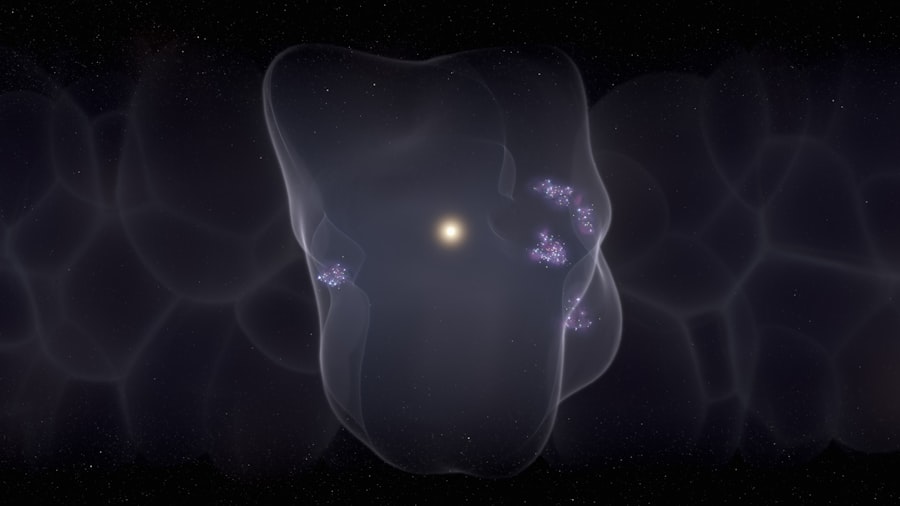
Cosmic signals can be categorized into several types, each offering distinct insights into the universe’s workings. One of the most well-known types is electromagnetic radiation, which includes visible light, radio waves, infrared radiation, ultraviolet light, X-rays, and gamma rays. Each type of radiation is produced by different processes and carries unique information about its source.
For instance, radio waves are often associated with pulsars and quasars, while X-rays are indicative of high-energy phenomena such as black holes and supernovae. Another significant category of cosmic signals is gravitational waves, ripples in spacetime caused by massive accelerating objects like merging black holes or neutron stars. Detected for the first time in 2015 by the LIGO observatory, these waves have opened a new avenue for understanding cosmic events that were previously undetectable through traditional electromagnetic observations.
Additionally, neutrinos—subatomic particles produced in nuclear reactions—represent another type of cosmic signal that can provide insights into processes occurring in supernovae and other high-energy astrophysical events.
Methods of Detecting Cosmic Signals
The methods employed to detect cosmic signals are as diverse as the signals themselves. Traditional optical telescopes capture visible light from celestial objects, allowing astronomers to study their properties and behaviors. However, to explore beyond the visible spectrum, scientists utilize specialized instruments designed for different types of electromagnetic radiation.
Radio telescopes, for example, consist of large parabolic dishes that collect radio waves from space, converting them into data that can be analyzed.
Instruments like the Chandra X-ray Observatory and the Fermi Gamma-ray Space Telescope are designed to observe high-energy phenomena without atmospheric interference.
These observatories employ advanced detectors and imaging techniques to capture faint signals from distant sources. Furthermore, gravitational wave detectors like LIGO and Virgo utilize laser interferometry to measure minute changes in distance caused by passing gravitational waves, enabling scientists to observe events that were once thought to be beyond reach.
Significance of Cosmic Signals
| Metric | Description | Typical Value | Unit | Relevance |
|---|---|---|---|---|
| Signal-to-Noise Ratio (SNR) | Ratio of signal power to background noise power | 5 – 20 | Dimensionless | Determines detectability of cosmic signals |
| Frequency Range | Range of frequencies over which signals are detected | 10 MHz – 10 GHz | Hertz (Hz) | Defines the spectrum of cosmic signals observed |
| Detection Sensitivity | Minimum detectable flux density | 0.1 – 1.0 | Jy (Jansky) | Indicates the faintest signals detectable |
| Time Resolution | Temporal precision of signal measurement | 1 – 1000 | Microseconds (µs) | Important for transient cosmic events |
| Bandwidth | Width of frequency band used for detection | 1 – 1000 | MHz | Affects signal clarity and data volume |
| Polarization | Orientation of the electromagnetic wave | Linear, Circular | Type | Helps identify signal source and properties |
| Detection Rate | Number of cosmic signals detected per hour | 0.1 – 10 | Signals/hour | Measures frequency of detectable events |
The significance of cosmic signals extends far beyond mere scientific curiosity; they are essential for understanding fundamental questions about the universe. By analyzing these signals, scientists can glean information about the formation and evolution of galaxies, stars, and planetary systems. For instance, studying the cosmic microwave background radiation—the afterglow of the Big Bang—has provided critical evidence for the Big Bang theory and insights into the universe’s expansion.
Moreover, cosmic signals have implications for understanding dark matter and dark energy, two mysterious components that make up a significant portion of the universe’s mass-energy content. By observing how galaxies interact and evolve over time through their emitted signals, researchers can infer the presence and influence of these elusive entities. Additionally, cosmic signals may hold clues about the potential for life beyond Earth; for example, detecting biosignatures or technosignatures in exoplanet atmospheres could revolutionize humanity’s understanding of its place in the cosmos.
Theories on the Origin of Cosmic Signals
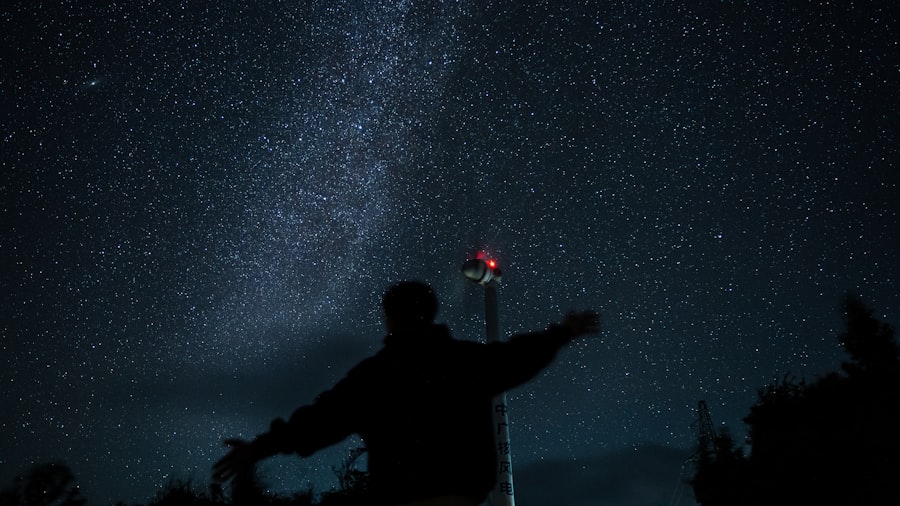
The origin of cosmic signals has been a subject of intense study and speculation among scientists. Various theories have emerged to explain the diverse phenomena observed across the universe. For instance, electromagnetic signals are often attributed to processes such as nuclear fusion in stars or interactions between charged particles in magnetic fields.
These processes generate radiation that travels vast distances before reaching Earth. Gravitational waves, on the other hand, are theorized to originate from catastrophic events involving massive celestial bodies. The merger of black holes or neutron stars creates ripples in spacetime that propagate outward at the speed of light.
Similarly, neutrinos are produced during nuclear reactions in stellar environments or during supernova explosions. Each type of cosmic signal has its own set of origins and mechanisms that researchers continue to investigate.
Implications of Cosmic Signals for Astrophysics
The implications of cosmic signals for astrophysics are profound and far-reaching. They provide a means to test existing theories about the universe’s structure and behavior while also challenging scientists to refine their models based on new data. For example, observations of gravitational waves have confirmed predictions made by Einstein’s general theory of relativity and have opened new avenues for studying phenomena that were previously inaccessible.
Furthermore, cosmic signals allow researchers to probe regions of space that are otherwise hidden from view due to dust or gas obscuration. By utilizing different wavelengths of light or other forms of radiation, scientists can gain insights into star formation processes within dense molecular clouds or study the dynamics of galaxies at various stages of evolution. This multifaceted approach enriches our understanding of astrophysical processes and fosters collaboration across disciplines.
Recent Discoveries in Cosmic Signal Detection
Recent discoveries in cosmic signal detection have captivated both scientists and the public alike. One notable advancement was the detection of fast radio bursts (FRBs), mysterious and powerful bursts of radio waves originating from distant galaxies. Since their discovery in 2007, researchers have made significant strides in understanding their origins and potential implications for astrophysics.
Another groundbreaking achievement was made with the Event Horizon Telescope (EHT), which captured the first-ever image of a black hole’s event horizon in 2019. This monumental feat provided direct visual evidence supporting theories about black holes and their behavior. Additionally, advancements in neutrino astronomy have led to significant discoveries regarding high-energy astrophysical events such as supernovae and gamma-ray bursts.
Challenges in Studying Cosmic Signals
Despite remarkable progress in studying cosmic signals, numerous challenges persist in this field. One major hurdle is the vast distances involved; many signals originate billions of light-years away, making them incredibly faint by the time they reach Earth. This requires highly sensitive instruments capable of detecting minute variations in signal strength amidst background noise.
Moreover, interference from terrestrial sources can complicate observations. Radio frequency interference (RFI) from human-made devices can mask faint cosmic signals, necessitating careful planning and execution during data collection. Additionally, interpreting complex data sets poses its own challenges; researchers must develop sophisticated algorithms and models to extract meaningful information from raw data.
Future Research and Exploration in Cosmic Signal Detection
The future of research and exploration in cosmic signal detection holds immense promise as technology continues to advance at an unprecedented pace. Upcoming missions such as NASA’s James Webb Space Telescope aim to revolutionize our understanding of the universe by observing distant galaxies and exoplanets with unparalleled precision. This next-generation observatory will enable scientists to study cosmic signals across various wavelengths, providing insights into star formation and planetary atmospheres.
Furthermore, ongoing developments in gravitational wave astronomy will likely yield new discoveries regarding black hole mergers and other cataclysmic events. As more detectors come online globally—such as KAGRA in Japan—scientists will be able to triangulate sources more effectively and gain deeper insights into these enigmatic phenomena.
Conclusion and Future Prospects
In conclusion, cosmic signals represent a vital aspect of modern astrophysics that continues to expand humanity’s understanding of the universe. From their historical roots to contemporary discoveries, these signals offer a glimpse into celestial processes that shape existence itself. As researchers refine their methods for detecting and interpreting these signals, they unlock new avenues for exploration that challenge existing paradigms.
The future prospects for cosmic signal detection are bright; advancements in technology promise to enhance our ability to observe distant phenomena while addressing existing challenges in data interpretation. As humanity stands on the brink of new discoveries—whether it be through gravitational waves or electromagnetic radiation—the quest to understand cosmic signals will undoubtedly remain at the forefront of scientific inquiry for years to come.
Recent advancements in the detection of cosmic signals have opened new avenues for understanding the universe. A particularly insightful article on this topic can be found on My Cosmic Ventures, which explores the latest techniques and technologies used in the search for extraterrestrial communications. For more information, you can read the article here: My Cosmic Ventures.
FAQs
What are cosmic signals?
Cosmic signals are electromagnetic waves or particles originating from outer space. They include radio waves, gamma rays, X-rays, and cosmic rays emitted by celestial objects such as stars, galaxies, black holes, and other cosmic phenomena.
How are cosmic signals detected?
Cosmic signals are detected using specialized instruments like radio telescopes, space-based observatories, and particle detectors. These devices capture and analyze the signals to study their properties and origins.
Why is detecting cosmic signals important?
Detecting cosmic signals helps scientists understand the universe’s structure, composition, and evolution. It provides insights into phenomena like star formation, black hole activity, cosmic microwave background radiation, and the potential for extraterrestrial life.
What challenges are involved in detecting cosmic signals?
Challenges include signal interference from Earth-based sources, weak signal strength due to vast distances, and the need for highly sensitive and precise instruments. Additionally, distinguishing between different types of cosmic signals requires advanced data processing techniques.
What role do radio telescopes play in cosmic signal detection?
Radio telescopes detect radio frequency signals from space. They are crucial for studying phenomena such as pulsars, quasars, and cosmic microwave background radiation, providing valuable data about the universe’s large-scale structure.
Can cosmic signals be used to search for extraterrestrial intelligence?
Yes, projects like SETI (Search for Extraterrestrial Intelligence) use cosmic signal detection to search for non-natural, potentially artificial signals that could indicate the presence of intelligent extraterrestrial civilizations.
What is the cosmic microwave background radiation?
The cosmic microwave background (CMB) radiation is a faint glow of microwave radiation filling the universe, considered the residual heat from the Big Bang. Detecting and studying the CMB provides critical information about the early universe.
Are cosmic signals affected by Earth’s atmosphere?
Yes, Earth’s atmosphere can absorb or distort certain cosmic signals, especially X-rays and gamma rays. To overcome this, many detectors are placed on satellites or high-altitude balloons above the atmosphere.
How do scientists differentiate between cosmic signals and noise?
Scientists use filtering techniques, signal processing algorithms, and cross-verification with multiple instruments to distinguish genuine cosmic signals from background noise and terrestrial interference.
What advancements have improved cosmic signal detection?
Advancements include more sensitive detectors, larger and more precise telescopes, improved data analysis software, and space-based observatories that avoid atmospheric interference, all contributing to more accurate and detailed cosmic observations.