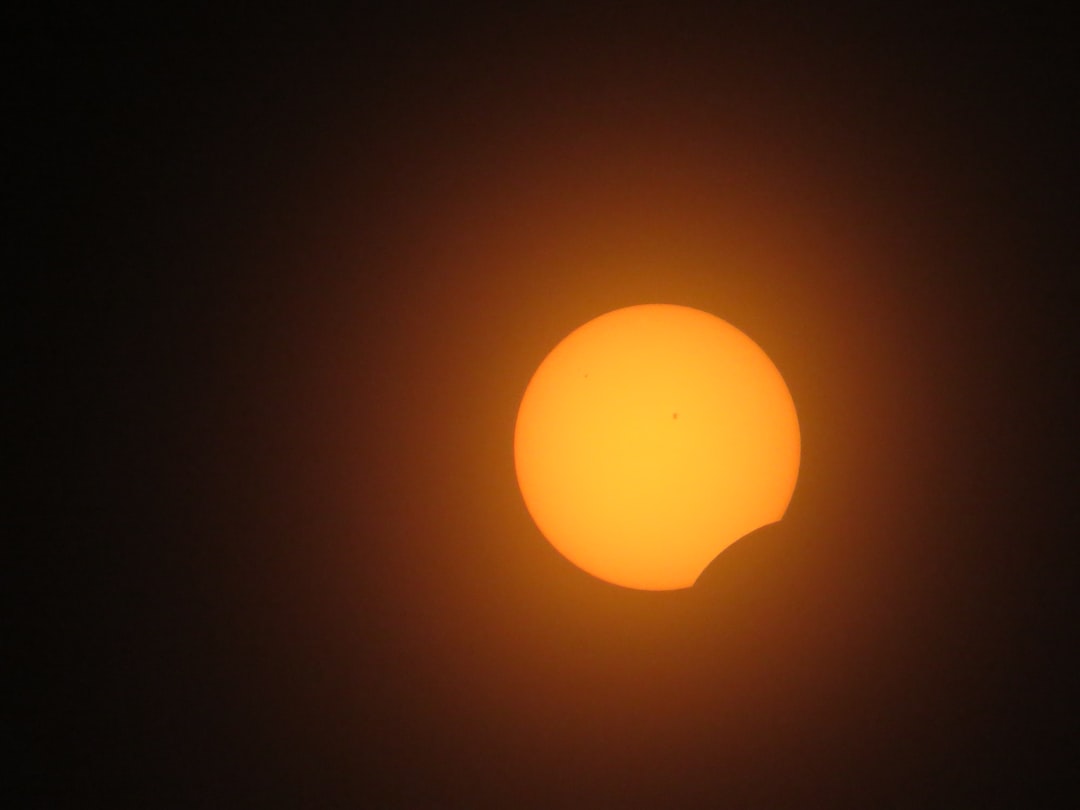
Solar Maximum 25 refers to the peak phase of the solar cycle, specifically the 25th cycle of solar activity observed since the beginning of systematic solar observations. This cycle is characterized by an increase in sunspots, solar flares, and coronal mass ejections (CMEs), which are significant bursts of solar wind and magnetic fields rising above the solar corona or being released into space. The solar cycle typically lasts about 11 years, with periods of solar minimum, where activity is low, followed by solar maximum, where activity peaks.
As Solar Maximum 25 approaches, scientists and astronomers are keenly observing the sun’s behavior to understand its implications for both space weather and terrestrial phenomena. The current solar cycle began in December 2019, and predictions suggest that Solar Maximum 25 will reach its peak around 2025. This period is expected to be marked by heightened solar activity, which can have profound effects on various aspects of life on Earth.
Understanding Solar Maximum 25 is crucial not only for scientists but also for industries reliant on technology that can be affected by solar phenomena. As the sun enters this active phase, researchers are focused on monitoring its effects and preparing for potential disruptions.
Key Takeaways
- Solar Maximum 25 is a period of heightened solar activity, characterized by increased sunspots and solar flares.
- The science behind Solar Maximum 25 involves the 11-year solar cycle and the interaction of magnetic fields on the sun’s surface.
- Solar Maximum 25 can impact Earth by causing geomagnetic storms, disrupting communication and navigation systems, and increasing radiation exposure for astronauts and airline passengers.
- Solar Maximum 25 can impact technology by causing power grid failures, disrupting satellite operations, and increasing the risk of radiation damage to electronics.
- Preparing for Solar Maximum 25 involves implementing space weather monitoring systems, developing resilient technology, and educating the public on safety measures.
The Science Behind Solar Maximum 25
The science behind Solar Maximum 25 is rooted in the complex dynamics of the sun’s magnetic field. The sun operates on an approximately 11-year cycle of magnetic activity, driven by the movement of plasma within its interior. This movement generates magnetic fields that can become twisted and tangled, leading to the formation of sunspots—dark areas on the sun’s surface that indicate intense magnetic activity.
During a solar maximum, the number of sunspots increases significantly, indicating a surge in solar activity. Solar flares and coronal mass ejections are two primary manifestations of this increased activity. Solar flares are sudden bursts of radiation that occur when magnetic energy that has built up in the solar atmosphere is released.
CMEs, on the other hand, involve large expulsions of plasma and magnetic fields from the sun’s corona into space. These phenomena are closely monitored by space weather agencies, as they can have far-reaching effects on both space and terrestrial environments. The study of Solar Maximum 25 involves not only observing these events but also modeling their potential impacts on Earth and beyond.
Effects of Solar Maximum 25 on Earth

The effects of Solar Maximum 25 on Earth can be both fascinating and concerning. One of the most immediate impacts is the increase in geomagnetic storms caused by CMEs interacting with Earth’s magnetic field. These storms can disrupt satellite operations, GPS systems, and even power grids.
In extreme cases, a significant geomagnetic storm could lead to widespread power outages and damage to electrical infrastructure. The potential for such disruptions makes it imperative for utility companies and governments to prepare for the heightened activity associated with Solar Maximum 25. In addition to technological disruptions, Solar Maximum 25 can also enhance natural phenomena such as auroras.
The interaction between charged particles from the sun and Earth’s atmosphere creates stunning displays of light in polar regions. While these auroras are a beautiful spectacle, they also serve as a reminder of the sun’s influence on Earth. As Solar Maximum 25 progresses, scientists will continue to study these effects to better understand how they can mitigate risks while appreciating the beauty that comes with increased solar activity.
How Does Solar Maximum 25 Impact Technology?
| Technology | Impact of Solar Maximum 25 |
|---|---|
| Satellite Communication | Increased risk of communication disruptions due to solar flares and radiation |
| Power Grids | Potential for power outages and grid instability caused by geomagnetic storms |
| GPS Systems | Interference and accuracy issues during periods of heightened solar activity |
| Aircraft Navigation | Possible disruptions to navigation systems due to increased radiation levels |
The impact of Solar Maximum 25 on technology is a critical area of concern for scientists and engineers alike. Satellites, which play a vital role in communication, navigation, and weather forecasting, are particularly vulnerable during periods of heightened solar activity. Increased radiation levels can interfere with satellite electronics, leading to malfunctions or even complete failures.
As such, satellite operators must closely monitor space weather forecasts to anticipate potential disruptions and take preventive measures. Moreover, power grids are at risk during Solar Maximum 25 due to geomagnetic storms induced by solar activity. These storms can induce electric currents in power lines, potentially damaging transformers and other critical infrastructure components.
Utility companies are increasingly investing in protective measures and developing contingency plans to safeguard against these risks. By understanding the potential impacts of Solar Maximum 25 on technology, industries can better prepare for disruptions and ensure continued service during periods of heightened solar activity.
Preparing for Solar Maximum 25: Tips and Advice
Preparation for Solar Maximum 25 involves a multifaceted approach that encompasses both individual and organizational strategies. For individuals, staying informed about space weather forecasts is essential. Many organizations provide real-time updates on solar activity, allowing people to understand when heightened activity may occur.
Additionally, having an emergency kit ready—complete with essentials like food, water, batteries, and communication devices—can be beneficial in case of power outages or other disruptions.
This includes investing in technology that can withstand increased radiation levels and implementing protocols for monitoring solar activity closely.
By fostering a culture of preparedness and awareness, both individuals and organizations can mitigate the risks associated with this significant phase of solar activity.
The History of Solar Maximums

The history of solar maximums provides valuable context for understanding Solar Maximum 25. Historical records indicate that solar cycles have been observed for centuries, with notable peaks occurring approximately every 11 years. The most recent cycles have shown variations in intensity; some cycles have been particularly strong, while others have been relatively weak.
For instance, Solar Cycle 19 (1954-1965) is often cited as one of the most intense cycles in recorded history, featuring an abundance of sunspots and significant solar flares. The study of past solar maximums has allowed scientists to develop models that predict future cycles’ behavior. By analyzing data from previous cycles, researchers can identify patterns and trends that inform their understanding of Solar Maximum 25.
This historical perspective not only aids in predicting future solar activity but also highlights the importance of ongoing research into the sun’s behavior and its implications for Earth.
Solar Maximum 25 and Space Exploration
Solar Maximum 25 holds particular significance for space exploration endeavors. As missions venture further into space—such as those targeting Mars or beyond—understanding solar activity becomes increasingly critical for ensuring astronaut safety and mission success. Increased radiation levels during solar maximums pose risks to astronauts outside Earth’s protective atmosphere, necessitating careful planning and monitoring.
Space agencies like NASA are actively researching ways to protect astronauts from solar radiation during periods of heightened activity. This includes developing shielding technologies and establishing protocols for monitoring solar events in real-time. As humanity continues to explore the cosmos, understanding the implications of Solar Maximum 25 will be essential for safeguarding both crewed missions and robotic explorations.
Solar Maximum 25 and Solar Flares
Solar flares are one of the most dramatic manifestations of increased solar activity during Solar Maximum 25. These explosive events release vast amounts of energy in the form of electromagnetic radiation across the spectrum—from radio waves to gamma rays. The intensity and frequency of solar flares tend to increase during a solar maximum, raising concerns about their potential impacts on Earth.
While most solar flares do not pose a direct threat to human life on Earth due to the planet’s protective atmosphere, they can disrupt communication systems and navigation technologies. For instance, radio signals may experience interference during intense flares, affecting aviation communications or maritime navigation systems. Understanding the behavior of solar flares during Solar Maximum 25 is crucial for developing strategies to mitigate their impacts on technology and infrastructure.
Solar Maximum 25 and the Northern Lights
One of the most enchanting effects of Solar Maximum 25 is its contribution to enhanced auroral displays—commonly known as the Northern Lights or Aurora Borealis in the northern hemisphere and Aurora Australis in the southern hemisphere. During periods of heightened solar activity, charged particles from the sun collide with Earth’s atmosphere, creating vibrant displays of light that dance across the night sky. As Solar Maximum 25 progresses, scientists anticipate an increase in auroral activity due to more frequent CMEs and solar flares interacting with Earth’s magnetic field.
This phenomenon not only captivates observers but also serves as a reminder of the intricate relationship between our planet and its star. For those living in polar regions or areas with clear night skies, witnessing these spectacular displays becomes a unique opportunity to appreciate nature’s beauty while acknowledging the underlying science at play.
The Role of Solar Maximum 25 in Climate Change
The relationship between Solar Maximum 25 and climate change is a complex topic that continues to be explored by researchers worldwide. While solar activity does influence Earth’s climate over long timescales—primarily through variations in solar irradiance—the direct impact of individual solar cycles on short-term climate patterns remains a subject of debate among scientists. Some studies suggest that increased solar activity during periods like Solar Maximum 25 could contribute to temporary warming effects due to enhanced solar irradiance reaching Earth’s surface.
However, it is essential to note that human-induced climate change driven by greenhouse gas emissions remains the dominant factor influencing current climate trends. Understanding how natural phenomena like Solar Maximum 25 interact with anthropogenic factors is crucial for developing comprehensive climate models.
The Future of Solar Maximum 25 Research
As scientists continue to study Solar Maximum 25, ongoing research efforts aim to deepen understanding of its implications for both space weather and terrestrial environments. Advancements in technology have enabled researchers to monitor solar activity more accurately than ever before, leading to improved predictive models that can forecast potential impacts on Earth. Future research will likely focus on refining these models further while exploring new avenues for mitigating risks associated with heightened solar activity.
As humanity navigates an increasingly interconnected world influenced by cosmic phenomena, continued research into Solar Maximum 25 will be essential for ensuring resilience against its impacts while fostering appreciation for the wonders of our universe.
Solar Maximum 25 refers to the peak phase of the 25th solar cycle, during which the Sun exhibits heightened activity, including increased sunspots, solar flares, and coronal mass ejections. This period is significant for scientists and space enthusiasts alike, as it can impact satellite operations, communication systems, and even power grids on Earth. For those interested in learning more about the implications of solar cycles and space weather, a related article can be found on My Cosmic Ventures. You can explore more about this fascinating topic by visiting this page on their website.
🌌 WATCH THIS! The Billion-Dollar Satellite That Will Trap Humanity on Earth
FAQs
What is the solar maximum 25?
The solar maximum 25 refers to the period of greatest solar activity in the 25th solar cycle. Solar cycles are approximately 11-year cycles during which the sun’s activity, such as sunspots and solar flares, increases and decreases.
What causes the solar maximum 25?
The solar maximum 25 is caused by the reversal of the sun’s magnetic poles, which occurs approximately every 11 years. This reversal leads to an increase in solar activity, including sunspots and solar flares.
What are the effects of the solar maximum 25 on Earth?
During the solar maximum 25, increased solar activity can lead to geomagnetic storms, which can disrupt satellite communications, power grids, and navigation systems. It can also lead to increased auroral activity at higher latitudes.
How does the solar maximum 25 impact space exploration?
The increased solar activity during the solar maximum 25 can pose challenges for space exploration, as it can affect spacecraft and astronauts by exposing them to higher levels of radiation. Space agencies must take precautions to protect their assets and personnel during this period.
When is the solar maximum 25 expected to occur?
The solar maximum 25 is expected to occur around 2025, as part of the 25th solar cycle. However, the exact timing and intensity of the solar maximum can vary and are difficult to predict with precision.