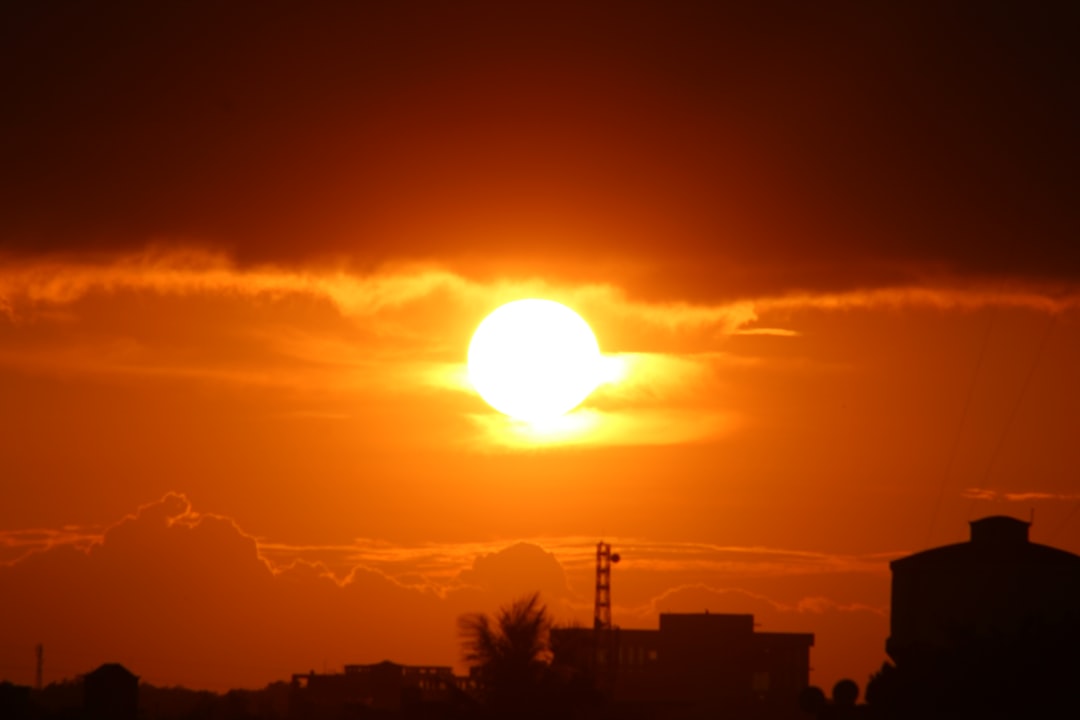
Solar weather refers to the various phenomena that occur on the Sun and their subsequent effects on the solar system, particularly Earth. This term encompasses a range of activities, including solar flares, coronal mass ejections (CMEs), and solar wind, all of which can have significant implications for life on our planet. As humanity becomes increasingly reliant on technology, understanding solar weather has become paramount.
The Sun, while a source of life and energy, can also unleash powerful forces that disrupt communication systems, affect climate patterns, and even pose risks to human health. The study of solar weather is not merely an academic pursuit; it has practical implications for various sectors, including telecommunications, aviation, and power generation. As scientists continue to unravel the complexities of solar activity, they are better equipped to predict its effects on Earth.
This knowledge is crucial for developing strategies to mitigate potential disruptions caused by solar events. In an era where technology is deeply intertwined with daily life, the importance of understanding solar weather cannot be overstated.
Key Takeaways
- Solar weather refers to the conditions in the solar atmosphere that can affect Earth and its systems.
- Solar flares and coronal mass ejections are powerful solar events that can impact Earth’s magnetosphere and climate.
- Solar weather can influence Earth’s magnetosphere, leading to geomagnetic storms and disruptions in communication systems.
- The influence of solar weather on Earth’s climate is a complex and ongoing area of research.
- Understanding solar weather is crucial for mitigating its effects on Earth’s systems and for improving space weather forecasting.
Understanding Solar Flares and Coronal Mass Ejections
Solar flares are sudden bursts of energy that occur when magnetic energy that has built up in the solar atmosphere is released. These flares can emit radiation across the electromagnetic spectrum, from radio waves to X-rays. The intensity of a solar flare can vary significantly, with some being relatively minor and others classified as major events that can have far-reaching consequences.
The energy released during a solar flare can impact satellite operations and even pose risks to astronauts in space. Coronal mass ejections (CMEs), on the other hand, are massive bursts of solar wind and magnetic fields rising above the solar corona or being released into space. A CME can carry billions of tons of plasma and travel at speeds of up to 3 million miles per hour.
When directed toward Earth, these ejections can interact with the planet’s magnetic field, leading to geomagnetic storms. Understanding the mechanisms behind these phenomena is essential for predicting their occurrence and potential impact on Earth.
The Impact of Solar Weather on Earth’s Magnetosphere

The Earth’s magnetosphere acts as a protective shield against solar weather, but it is not impervious to the forces unleashed by the Sun. When solar flares and CMEs reach Earth, they can disturb the magnetosphere, leading to geomagnetic storms. These storms can cause fluctuations in the Earth’s magnetic field, which may result in beautiful auroras near the poles but can also have detrimental effects on technology and infrastructure.
During intense geomagnetic storms, charged particles from the Sun can penetrate the magnetosphere and induce electric currents in power lines and pipelines. This phenomenon can lead to voltage instability and even blackouts in extreme cases. Understanding how solar weather interacts with the magnetosphere is crucial for developing early warning systems that can help mitigate these risks.
Solar Weather’s Influence on Earth’s Climate
| Metrics | Data |
|---|---|
| Solar Flares | Measure of solar activity that can impact Earth’s climate |
| Solar Wind | Flow of charged particles from the sun that can affect Earth’s magnetosphere |
| Sunspot Activity | Number of dark spots on the sun’s surface, which can influence Earth’s climate patterns |
| Solar Irradiance | Measure of solar energy reaching Earth’s atmosphere, impacting climate and weather patterns |
While the immediate effects of solar weather are often associated with technological disruptions, there is also a broader context in which solar activity influences Earth’s climate. The Sun is the primary driver of Earth’s climate system, and variations in solar output can lead to changes in temperature and weather patterns. For instance, periods of increased solar activity may correlate with warmer global temperatures, while decreased activity could contribute to cooler conditions.
Research into the relationship between solar weather and climate is ongoing, with scientists exploring how long-term changes in solar output might influence climate change. Understanding these connections is vital for developing accurate climate models and predicting future climate scenarios. As global temperatures continue to rise due to anthropogenic factors, discerning the role of solar weather in this complex equation becomes increasingly important.
Solar Weather and its Effects on Communication Systems
In an age dominated by digital communication, the effects of solar weather on communication systems cannot be overlooked. Solar flares and CMEs can disrupt radio signals, GPS systems, and satellite communications. For instance, high-frequency radio communications used by aircraft can be severely affected during solar events, leading to potential safety concerns in aviation.
Moreover, satellites that rely on precise positioning data are vulnerable to disturbances caused by solar activity. The ionosphere, which is influenced by solar weather, can experience fluctuations that degrade GPS accuracy. As society becomes more dependent on these technologies for navigation and communication, understanding how solar weather impacts these systems is essential for ensuring their reliability.
The Relationship Between Solar Weather and Power Grids

The relationship between solar weather and power grids is a critical area of study for energy providers and policymakers alike. Geomagnetic storms induced by solar activity can induce currents in power lines that may lead to transformer damage or even widespread blackouts. The 1989 blackout in Quebec serves as a stark reminder of how vulnerable power infrastructure can be to solar events.
To mitigate these risks, utility companies are increasingly investing in monitoring systems that can detect geomagnetic storms and provide early warnings. By understanding the potential impacts of solar weather on power grids, energy providers can implement strategies to protect infrastructure and maintain service continuity during solar events.
Solar Weather’s Impact on Satellite Operations
Satellites play a crucial role in modern society, providing services ranging from weather forecasting to global communications. However, they are not immune to the effects of solar weather. Increased radiation from solar flares can damage satellite electronics and degrade their performance.
Additionally, CMEs can create charged particle environments that pose risks to satellite operations. To safeguard satellite missions, engineers must design systems that can withstand the harsh conditions created by solar activity. This includes incorporating shielding materials and developing protocols for shutting down sensitive instruments during intense solar events.
As satellite technology continues to evolve, understanding the implications of solar weather will remain a priority for ensuring mission success.
The Role of Solar Weather in Space Weather Forecasting
Space weather forecasting has become an essential field as humanity ventures further into space and relies more heavily on technology influenced by solar activity. Scientists utilize data from various sources, including satellites and ground-based observatories, to monitor solar activity and predict its potential impacts on Earth. This information is vital for industries such as aviation, telecommunications, and power generation.
Forecasting models have improved significantly over the years, allowing scientists to provide timely warnings about impending solar events. These advancements enable industries to take proactive measures to protect their infrastructure and ensure safety during periods of heightened solar activity. As research continues to advance in this field, the accuracy of space weather forecasts is expected to improve further.
Mitigating the Effects of Solar Weather on Earth
Mitigating the effects of solar weather requires a multifaceted approach involving research, technology development, and public awareness. Governments and organizations worldwide are investing in research initiatives aimed at better understanding solar phenomena and their impacts on Earth. This research informs policies that promote resilience against potential disruptions caused by solar events.
By understanding how these phenomena can affect daily life—such as communication disruptions or power outages—people can take steps to prepare for potential impacts. Additionally, industries reliant on technology must develop contingency plans that account for possible disruptions caused by solar activity.
The Future of Studying Solar Weather and its Impact on Earth
The future of studying solar weather holds great promise as technological advancements continue to enhance our understanding of these complex phenomena. New observational tools and satellite missions are being developed to monitor the Sun’s activity more closely than ever before. These innovations will provide scientists with valuable data that can improve predictive models and enhance our ability to respond to solar events.
Furthermore, interdisciplinary collaboration among scientists from various fields—such as astrophysics, meteorology, and engineering—will be crucial for advancing knowledge about solar weather’s impacts on Earth systems. As humanity faces increasing challenges related to climate change and technological dependence, understanding the intricacies of solar weather will be vital for ensuring a resilient future.
The Importance of Understanding Solar Weather for Earth’s Systems
In conclusion, understanding solar weather is essential for safeguarding Earth’s systems against the potential disruptions caused by solar activity. From its impact on communication systems and power grids to its influence on climate patterns and satellite operations, the effects of solar weather are far-reaching and complex. As society becomes increasingly reliant on technology intertwined with natural phenomena, the need for comprehensive research into solar weather has never been more critical.
By investing in research initiatives, improving forecasting capabilities, and raising public awareness about the implications of solar activity, humanity can better prepare for the challenges posed by our dynamic relationship with the Sun. As scientists continue to explore this fascinating field, they will undoubtedly uncover new insights that will enhance our understanding of both solar weather and its profound impact on life on Earth.
Solar weather, particularly solar flares and coronal mass ejections, can have significant effects on Earth, impacting everything from satellite operations to power grids. An interesting article that delves into the intricacies of these solar phenomena and their terrestrial impacts can be found on My Cosmic Ventures. This article provides a comprehensive overview of how solar activity influences our planet’s technological infrastructure and natural environment. For more detailed insights, you can read the full article by visiting this link.
WATCH THIS ☀️The Sun as Software: Why Top Scientists Now Say a Solar Flare Could Wipe Everything
FAQs
What is solar weather?
Solar weather refers to the conditions and activity on the sun, including solar flares, coronal mass ejections, and solar wind. These phenomena can have various effects on Earth and its atmosphere.
How does solar weather affect Earth?
Solar weather can affect Earth in several ways, including causing geomagnetic storms, disrupting satellite communications, and impacting power grids. It can also lead to beautiful auroras in the polar regions.
What are geomagnetic storms?
Geomagnetic storms are disturbances in the Earth’s magnetosphere caused by changes in solar wind and magnetic fields. These storms can lead to disruptions in radio communications, GPS systems, and power grids.
What are solar flares and coronal mass ejections?
Solar flares are sudden, intense bursts of radiation from the sun, while coronal mass ejections are massive expulsions of plasma and magnetic fields from the sun’s corona. Both can have significant impacts on Earth’s magnetic field and atmosphere.
How do solar weather events impact satellite communications?
Solar weather events can cause increased radiation levels in Earth’s upper atmosphere, which can disrupt satellite communications and navigation systems. This can lead to temporary outages and interruptions in services.
Can solar weather events affect power grids?
Yes, solar weather events can induce electric currents in power lines and transformers, potentially leading to power grid disturbances and even blackouts. Power grid operators closely monitor solar weather activity to mitigate these risks.
What are auroras and how are they related to solar weather?
Auroras, also known as the northern and southern lights, are natural light displays in the Earth’s sky, predominantly seen in the polar regions. They are caused by solar wind particles interacting with the Earth’s magnetosphere and are often more visible during periods of heightened solar activity.