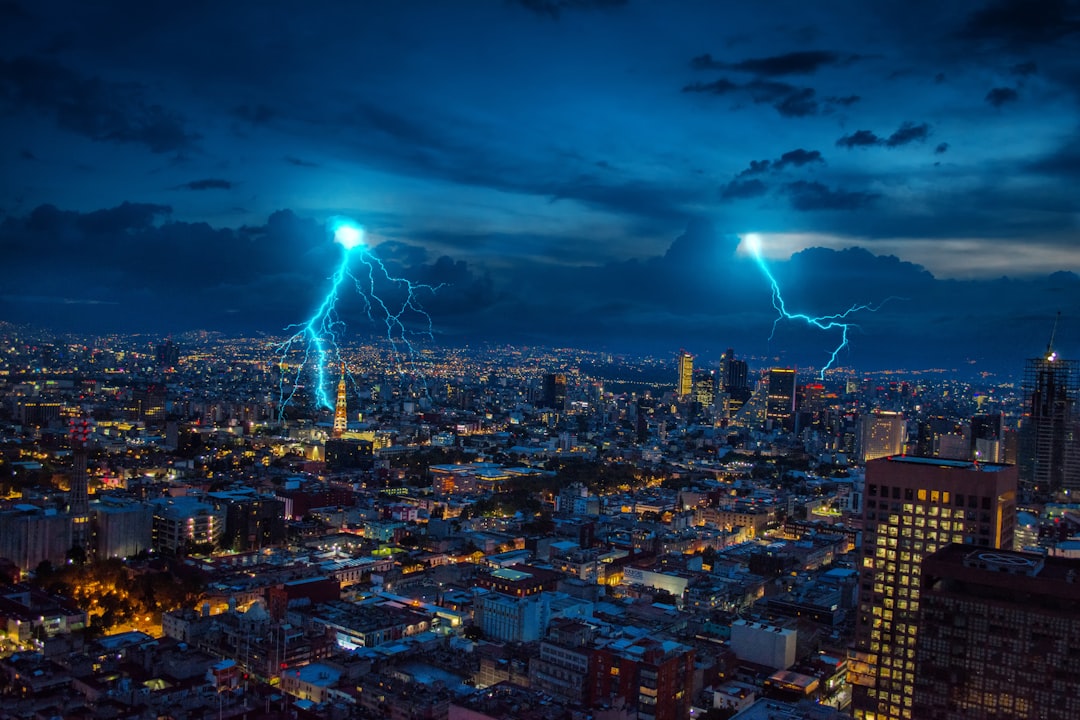
Geomagnetic storms are significant disturbances in Earth’s magnetosphere caused by solar wind and solar flares. These storms can unleash a torrent of charged particles that interact with the Earth’s magnetic field, leading to a variety of effects, both beautiful and potentially harmful. The auroras, for instance, are a stunning visual manifestation of these storms, captivating observers in polar regions.
However, the implications of geomagnetic storms extend far beyond aesthetic phenomena; they pose serious risks to modern technology and infrastructure, particularly electrical systems. As society becomes increasingly reliant on technology, understanding the implications of geomagnetic storms is crucial. The potential for disruption to power grids, communication systems, and satellite operations raises concerns among scientists and engineers alike.
The interplay between solar activity and Earth’s magnetic field can lead to fluctuations that may compromise the stability of electrical transformers, which are vital components in the distribution of electricity. This article delves into the intricate relationship between geomagnetic storms and transformers, exploring their vulnerabilities, historical failures, and strategies for mitigation.
Key Takeaways
- Geomagnetic storms can have a significant impact on transformers, leading to potential failures and disruptions in power supply.
- Transformers are vulnerable to geomagnetic storms due to the induced currents and heating effects caused by the fluctuating magnetic fields.
- Case studies have shown instances of transformer failures during geomagnetic storms, highlighting the need for mitigation strategies and resilience measures.
- Mitigation strategies such as geomagnetically induced current (GIC) blocking devices and transformer design enhancements can help protect transformers from geomagnetic storm effects.
- Collaboration between utility companies and space weather agencies is crucial in addressing geomagnetic storm risks and implementing early warning systems for better preparedness.
Understanding the Impact of Geomagnetic Storms on Transformers
Transformers play a pivotal role in the electrical grid by stepping up or stepping down voltage levels to ensure efficient power distribution. However, during geomagnetic storms, the influx of geomagnetically induced currents (GICs) can overwhelm these devices. GICs are low-frequency currents that flow through the ground and into electrical systems, often leading to overheating and potential failure of transformers.
The impact of these currents can be profound, resulting in not only equipment damage but also widespread power outages. The effects of geomagnetic storms on transformers can vary significantly depending on several factors, including the intensity of the storm, the geographical location of the transformers, and their design specifications. For instance, transformers located at higher latitudes are generally more susceptible to GICs due to their proximity to the polar regions where geomagnetic activity is most intense.
Understanding these dynamics is essential for utility companies and engineers tasked with safeguarding electrical infrastructure against such natural phenomena.
Vulnerability of Transformers to Geomagnetic Storms
The vulnerability of transformers to geomagnetic storms stems from their design and operational characteristics. Many transformers were not originally engineered with geomagnetic storm resilience in mind, making them ill-equipped to handle the sudden influx of GICs. The materials used in transformer construction, such as copper and steel, can become saturated with these currents, leading to overheating and insulation breakdown.
This vulnerability is exacerbated by the fact that many transformers are interconnected within a grid, meaning that a failure in one unit can have cascading effects throughout the system. Moreover, the age and condition of transformers can significantly influence their susceptibility to geomagnetic storms. Older transformers may have degraded insulation or other wear-and-tear issues that make them more prone to failure under stress.
As such, understanding the condition of existing transformer infrastructure is critical for assessing risk and implementing effective mitigation strategies. Utility companies must prioritize regular maintenance and upgrades to ensure that their transformers can withstand the challenges posed by geomagnetic storms.
Case Studies of Transformer Failures During Geomagnetic Storms
| Case Study | Transformer Failure Cause | Geomagnetic Storm Intensity | Impact on Power Grid |
|---|---|---|---|
| 1 | Core Saturation | Severe | Power Outage |
| 2 | GIC-induced Heating | Moderate | Equipment Damage |
| 3 | Insulation Breakdown | Extreme | Transformer Explosion |
Historical case studies provide valuable insights into the real-world impacts of geomagnetic storms on transformers. One notable incident occurred during the March 1989 geomagnetic storm when a severe solar event caused a blackout in Quebec, Canada. The storm induced GICs that overwhelmed transformers in the Hydro-Québec system, leading to a massive power outage affecting millions of residents.
This event underscored the vulnerability of electrical infrastructure to solar activity and prompted a reevaluation of transformer resilience. Another significant case took place during the 2003 Halloween solar storm, which resulted in transformer failures across various regions in North America. Utilities reported increased heating in transformers due to GICs, leading to operational challenges and localized outages.
These incidents highlight the urgent need for improved understanding and preparedness regarding geomagnetic storm impacts on electrical systems. By analyzing past failures, engineers can develop better strategies for mitigating risks and enhancing transformer resilience.
Mitigation Strategies for Protecting Transformers from Geomagnetic Storm Effects
To protect transformers from the adverse effects of geomagnetic storms, utility companies must implement a range of mitigation strategies. One effective approach involves installing GIC blocking devices that can prevent harmful currents from entering transformers during solar events. These devices act as barriers, allowing utilities to maintain operational integrity even in the face of intense geomagnetic activity.
Additionally, utilities can enhance transformer resilience through design modifications and upgrades. This may include using materials with higher saturation thresholds or incorporating advanced insulation technologies that can withstand increased thermal stress. Regular monitoring and maintenance are also essential components of a comprehensive mitigation strategy.
By employing real-time monitoring systems that track transformer performance during geomagnetic storms, utilities can respond swiftly to any signs of distress or failure.
Regulatory Measures for Ensuring Transformer Resilience to Geomagnetic Storms
Regulatory measures play a crucial role in ensuring that transformers are resilient to geomagnetic storms. Government agencies and industry organizations have begun to recognize the importance of addressing this issue through updated standards and guidelines. For instance, organizations like the North American Electric Reliability Corporation (NERC) have developed frameworks aimed at enhancing grid resilience against geomagnetic disturbances.
These regulatory measures often include requirements for utilities to assess their vulnerability to geomagnetic storms and implement appropriate mitigation strategies. By establishing clear guidelines for transformer design, operation, and maintenance, regulators can help ensure that utilities are better prepared for potential disruptions caused by solar activity. Furthermore, collaboration between regulatory bodies and utility companies fosters a culture of preparedness that is essential for safeguarding electrical infrastructure.
Importance of Early Warning Systems for Geomagnetic Storms
Early warning systems are vital for minimizing the impact of geomagnetic storms on transformers and electrical grids.
By providing timely alerts about impending storms, utilities can take proactive measures to protect their infrastructure.
The implementation of early warning systems allows utility companies to adjust operations in anticipation of geomagnetic events. For example, they may choose to temporarily reduce load on vulnerable transformers or activate protective devices designed to mitigate GIC effects. The ability to respond swiftly to early warnings can significantly reduce the risk of transformer failures and subsequent power outages.
Collaboration between Utility Companies and Space Weather Agencies in Addressing Geomagnetic Storm Risks
Collaboration between utility companies and space weather agencies is essential for effectively addressing the risks posed by geomagnetic storms. By sharing data and expertise, these entities can develop more robust strategies for monitoring solar activity and its potential impacts on electrical infrastructure. Joint efforts can lead to improved forecasting models that enhance the accuracy of predictions regarding geomagnetic disturbances.
Furthermore, partnerships between utilities and space weather agencies facilitate knowledge exchange regarding best practices for transformer protection and grid resilience. Workshops, training sessions, and collaborative research initiatives can help build a more informed workforce capable of responding effectively to geomagnetic storm threats. This synergy between sectors ultimately strengthens the overall resilience of electrical systems against solar-induced disruptions.
Advancements in Transformer Design to Enhance Resilience to Geomagnetic Storms
Advancements in transformer design are crucial for enhancing resilience against geomagnetic storms. Engineers are increasingly exploring innovative materials and technologies that can withstand the effects of GICs more effectively than traditional designs. For instance, research into high-temperature superconductors has shown promise in creating transformers that can operate efficiently under extreme conditions without succumbing to overheating.
Additionally, smart grid technologies are being integrated into transformer design to improve monitoring capabilities and response times during geomagnetic events. These technologies enable real-time data collection on transformer performance, allowing utilities to identify potential issues before they escalate into failures. By investing in research and development focused on transformer resilience, the industry can better prepare for future challenges posed by geomagnetic storms.
Future Challenges and Opportunities in Managing Geomagnetic Storm Effects on Transformers
As solar activity continues to evolve, future challenges will arise in managing the effects of geomagnetic storms on transformers. The increasing reliance on renewable energy sources adds complexity to grid management during solar events, as fluctuations in power generation may exacerbate vulnerabilities within the system. Additionally, climate change may influence solar activity patterns, necessitating ongoing research into its potential impacts on geomagnetic storm frequency and intensity.
However, these challenges also present opportunities for innovation within the electrical industry. The development of advanced materials, improved forecasting techniques, and enhanced collaboration between stakeholders can lead to more resilient electrical systems capable of withstanding geomagnetic disturbances. By embracing these opportunities for growth and adaptation, utility companies can position themselves to navigate an uncertain future while ensuring reliable power delivery.
The Need for Continued Research and Preparedness in Addressing Geomagnetic Storm Risks to Transformers
In conclusion, the risks posed by geomagnetic storms to transformers are significant and warrant ongoing attention from researchers, engineers, and utility companies alike. As society becomes increasingly dependent on electricity for daily life, ensuring the resilience of electrical infrastructure against natural phenomena is paramount. Continued research into transformer vulnerabilities, coupled with proactive mitigation strategies and regulatory measures, will be essential for safeguarding against potential disruptions.
The collaboration between utility companies and space weather agencies will play a critical role in enhancing preparedness efforts through improved forecasting and early warning systems. As advancements in technology pave the way for more resilient transformer designs, it is imperative that stakeholders remain vigilant in addressing emerging challenges associated with geomagnetic storms. Ultimately, a comprehensive approach that prioritizes research, collaboration, and innovation will be key to ensuring a stable electrical future in the face of solar-induced threats.
Geomagnetic storms can have significant impacts on electrical infrastructure, particularly transformers, which are crucial components of power grids. These storms, caused by solar activity, can induce geomagnetically induced currents (GICs) that may lead to transformer overheating, increased vibration, and even catastrophic failure. For a deeper understanding of how geomagnetic storms affect transformers and the measures that can be taken to mitigate these effects, you can explore a related article on this topic by visiting