The electrical grid, a complex network that delivers electricity from producers to consumers, is at a critical juncture. As of late 2023, many regions are grappling with an aging infrastructure that struggles to meet the demands of modern society. The grid, which was originally designed for a different era, is now facing unprecedented challenges, including increased energy consumption, the integration of renewable energy sources, and the need for enhanced reliability.
In many areas, the existing infrastructure is not only outdated but also vulnerable to extreme weather events and cyber threats, raising concerns about its ability to provide consistent and safe electricity. Moreover, the current state of the grid is characterized by a patchwork of technologies and systems that vary widely in efficiency and capability.
This disparity creates a fragmented energy landscape where reliability and service quality can differ dramatically from one area to another. As the demand for electricity continues to rise, it becomes increasingly clear that a comprehensive approach to grid modernization is essential for ensuring a stable and sustainable energy future.
Key Takeaways
- The current state of the grid is facing challenges due to growing demand for electricity and aging infrastructure.
- Modernization of the grid is crucial to improve efficiency, reliability, and resilience.
- Renewable energy integration plays a key role in advancing sustainability in the grid.
- Overcoming challenges and barriers is essential for successful grid modernization.
- Grid modernization not only brings economic benefits but also contributes to environmental sustainability.
The Growing Demand for Electricity
The demand for electricity has been steadily increasing over the past few decades, driven by population growth, urbanization, and technological advancements. As more people move into urban areas and adopt energy-intensive technologies such as electric vehicles and smart home devices, the pressure on the electrical grid intensifies. This growing demand is not just a trend; it represents a fundamental shift in how energy is consumed and managed.
The implications of this surge are profound, as utilities must find ways to balance supply and demand while maintaining reliability. In addition to residential consumption, commercial and industrial sectors are also contributing to this rising demand. Businesses are increasingly reliant on electricity for operations, leading to higher consumption rates.
The proliferation of data centers, which require vast amounts of energy for cooling and operation, further exacerbates the situation. As society becomes more dependent on electricity for everyday activities, the need for a robust and responsive grid becomes paramount. Without significant upgrades and innovations, the existing infrastructure may struggle to keep pace with this relentless demand.
The Impact of Aging Infrastructure
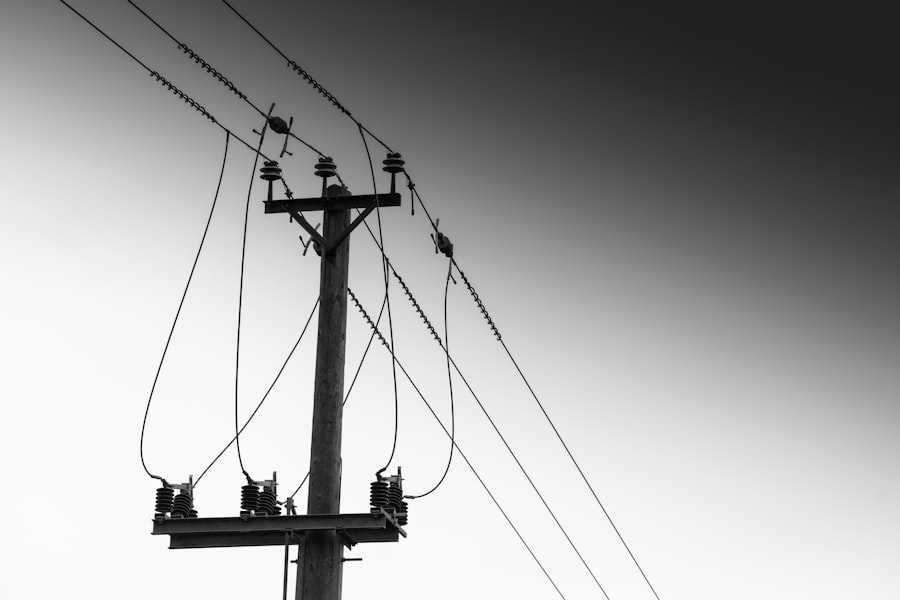
Aging infrastructure poses one of the most significant challenges facing the electrical grid today. Many components of the grid were installed decades ago and have not been adequately maintained or upgraded to meet current standards. This deterioration can lead to frequent outages, reduced efficiency, and increased maintenance costs.
Furthermore, older systems are often less capable of integrating new technologies or accommodating renewable energy sources, which are becoming increasingly vital in the transition to a sustainable energy future. The consequences of an aging grid extend beyond mere inconvenience; they can have serious economic implications as well. Frequent power outages can disrupt businesses, leading to lost productivity and revenue.
Additionally, the costs associated with repairing and maintaining outdated infrastructure can strain utility budgets, diverting funds away from necessary investments in modernization. As such, addressing the challenges posed by aging infrastructure is not just a technical issue; it is also a critical economic concern that requires immediate attention.
The Importance of Modernization
| Metrics | Data |
|---|---|
| Increased Efficiency | 20% improvement in productivity |
| Cost Savings | 30% reduction in operational expenses |
| Customer Satisfaction | 10% increase in customer retention |
| Competitive Advantage | 25% faster time-to-market |
Modernization of the electrical grid is essential for addressing the myriad challenges it currently faces. Upgrading infrastructure involves not only replacing old equipment but also implementing advanced technologies that enhance efficiency and reliability. Smart grid technologies, for instance, allow for real-time monitoring and management of electricity flow, enabling utilities to respond more effectively to fluctuations in demand.
This proactive approach can help prevent outages and improve overall service quality. Moreover, modernization efforts can facilitate the integration of renewable energy sources into the grid. As more solar panels and wind turbines come online, it becomes crucial to have a grid that can accommodate these variable energy sources without compromising stability.
By investing in modernization, utilities can create a more flexible and resilient grid that supports a diverse range of energy inputs while ensuring reliable service for consumers. Ultimately, modernization is not just about keeping up with current demands; it is about preparing for a future where energy needs will continue to evolve.
Improving Efficiency through Grid Modernization
One of the primary benefits of grid modernization is the potential for improved efficiency. Traditional grids often suffer from significant energy losses during transmission and distribution due to outdated technology and infrastructure. By upgrading to more efficient systems, utilities can reduce these losses and deliver more electricity to consumers without increasing generation capacity.
This not only lowers costs for consumers but also reduces the environmental impact associated with generating additional power. Additionally, modernized grids can leverage data analytics and artificial intelligence to optimize energy distribution. By analyzing consumption patterns and predicting demand fluctuations, utilities can make informed decisions about when and how much electricity to generate or purchase from other sources.
This level of efficiency not only enhances operational performance but also contributes to a more sustainable energy ecosystem by minimizing waste and maximizing resource utilization.
Enhancing Reliability and Resilience

Reliability and resilience are critical components of a modern electrical grid. As climate change leads to more frequent and severe weather events, the ability of the grid to withstand disruptions becomes increasingly important. Modernization efforts can enhance resilience by incorporating advanced technologies such as microgrids and energy storage systems.
These innovations allow for localized energy generation and storage, enabling communities to maintain power even when the larger grid is compromised. Furthermore, a modernized grid can improve reliability through better monitoring and predictive maintenance practices. By utilizing sensors and smart technologies, utilities can identify potential issues before they escalate into major problems.
This proactive approach not only reduces the frequency of outages but also minimizes downtime during repairs. As a result, consumers benefit from a more stable electricity supply that meets their needs without interruption.
Advancing Sustainability in the Grid
Sustainability is at the forefront of discussions surrounding grid modernization. As society grapples with the realities of climate change, there is an urgent need to transition towards cleaner energy sources. Modernizing the grid provides an opportunity to facilitate this transition by integrating renewable energy technologies such as solar, wind, and hydroelectric power.
By creating a more flexible grid that can accommodate these variable energy sources, utilities can significantly reduce greenhouse gas emissions associated with traditional fossil fuel generation. Moreover, sustainability extends beyond just energy generation; it also encompasses energy efficiency measures that reduce overall consumption. Modernized grids can support demand response programs that incentivize consumers to reduce their electricity usage during peak times.
By encouraging more efficient consumption patterns, utilities can lower their carbon footprint while also alleviating stress on the grid during high-demand periods.
The Role of Renewable Energy Integration
The integration of renewable energy into the electrical grid is one of the most significant aspects of modernization efforts.
Modern grids equipped with advanced technologies can seamlessly incorporate solar panels, wind turbines, and other renewable sources into their operations without compromising stability or reliability.
This integration not only supports environmental objectives but also enhances energy security by diversifying supply sources. By reducing dependence on a single type of fuel or generation method, utilities can mitigate risks associated with price volatility or supply disruptions. Furthermore, as renewable technologies continue to advance and become more cost-effective, their integration into the grid will play a crucial role in shaping a sustainable energy future.
Overcoming Challenges and Barriers
Despite the clear benefits of grid modernization, several challenges and barriers must be addressed to facilitate progress. One significant hurdle is securing funding for large-scale infrastructure projects. Many utilities operate under tight budgets and may struggle to allocate resources for modernization efforts while maintaining current operations.
Additionally, regulatory frameworks often lag behind technological advancements, creating obstacles for utilities seeking to implement innovative solutions. Public perception also plays a critical role in overcoming barriers to modernization. Consumers may be hesitant to support changes that could lead to higher utility bills or disruptions during construction phases.
Effective communication about the long-term benefits of modernization—such as improved reliability and sustainability—will be essential in garnering public support for these initiatives.
The Economic and Environmental Benefits
The economic and environmental benefits of grid modernization are substantial and multifaceted. From an economic perspective, investing in modern infrastructure can create jobs in construction, engineering, and technology sectors while stimulating local economies through increased investment in energy projects. Additionally, improved efficiency can lead to lower operational costs for utilities, which may translate into savings for consumers.
Environmentally, modernized grids contribute significantly to reducing carbon emissions by facilitating greater use of renewable energy sources. By decreasing reliance on fossil fuels and optimizing energy consumption patterns, these grids play a vital role in combating climate change. Furthermore, as communities transition towards more sustainable practices, they may experience improved air quality and public health outcomes as a result of reduced pollution from traditional power generation methods.
The Path Forward: Strategies for Grid Modernization
Looking ahead, several strategies can guide efforts toward effective grid modernization. First and foremost is the need for comprehensive planning that involves stakeholders at all levels—utilities, government agencies, consumers, and environmental organizations—working collaboratively towards shared goals. This inclusive approach ensures that diverse perspectives are considered in decision-making processes.
Investment in research and development is also crucial for driving innovation within the sector. By supporting new technologies that enhance grid performance—such as advanced battery storage systems or smart meters—utilities can position themselves at the forefront of modernization efforts. Additionally, fostering partnerships between public and private sectors can facilitate funding opportunities while leveraging expertise from various fields.
In conclusion, while challenges remain in modernizing the electrical grid, the potential benefits are immense—ranging from enhanced reliability and efficiency to significant economic gains and environmental sustainability. By prioritizing modernization efforts now, society can pave the way for a resilient energy future that meets the demands of an ever-evolving world.
Grid modernization is essential to meet the growing demands of energy consumption, integrate renewable energy sources, and enhance the resilience of our power systems. As we transition towards a more sustainable energy future, modernizing the grid will enable more efficient energy distribution, reduce outages, and support the integration of smart technologies. For a deeper understanding of the importance of grid modernization, you can read a related article on this topic by visiting this page. This article delves into the challenges and opportunities associated with updating our energy infrastructure to meet future needs.
WATCH THIS ☀️The Sun as Software: Why Top Scientists Now Say a Solar Flare Could Wipe Everything
FAQs
What is grid modernization?
Grid modernization refers to the process of updating and improving the infrastructure and technology of the electrical grid to make it more efficient, reliable, and resilient. This includes integrating renewable energy sources, implementing smart grid technologies, and enhancing grid communication and control systems.
Why do we need grid modernization?
Grid modernization is necessary to meet the increasing demand for electricity, integrate renewable energy sources, improve grid reliability, and enhance energy efficiency. It also helps to address aging infrastructure, cybersecurity threats, and the need for more flexible and responsive grid systems.
What are the benefits of grid modernization?
Grid modernization offers several benefits, including improved grid reliability, enhanced energy efficiency, integration of renewable energy sources, reduced environmental impact, increased grid flexibility, and better response to power outages and emergencies.
How does grid modernization impact consumers?
Grid modernization can lead to benefits for consumers, such as lower energy costs, improved energy efficiency, increased access to renewable energy, and enhanced reliability of electricity supply. It also enables consumers to have more control over their energy usage through advanced metering and smart grid technologies.
What are some challenges associated with grid modernization?
Challenges related to grid modernization include the high cost of infrastructure upgrades, regulatory barriers, cybersecurity risks, interoperability of new technologies, and the need for skilled workforce to implement and maintain modernized grid systems.