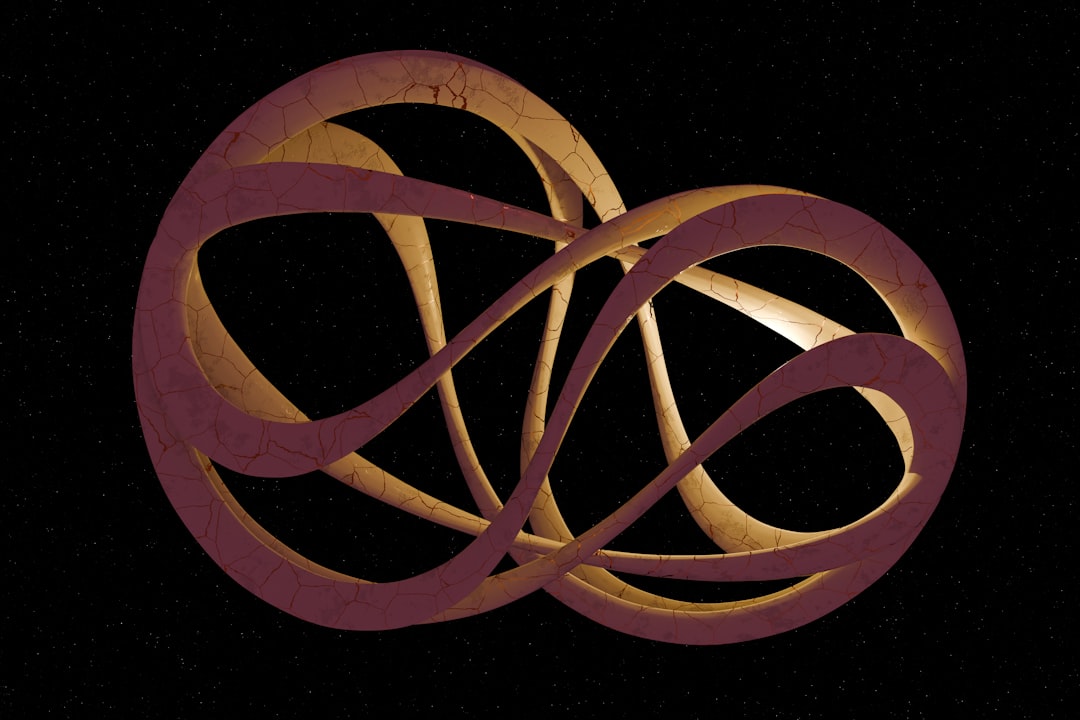
Thin broad geometry represents a fascinating intersection of mathematical theory and practical application. This geometric concept, characterized by its unique proportions and dimensions, has garnered attention across various fields, including engineering, architecture, and art. The term itself evokes images of structures that are not only aesthetically pleasing but also functionally efficient.
As society continues to evolve, the relevance of thin broad geometry becomes increasingly pronounced, prompting a deeper exploration into its properties, applications, and implications. The significance of thin broad geometry extends beyond mere academic interest; it plays a crucial role in shaping the environments in which people live and work. By understanding the principles underlying this geometric form, individuals can harness its potential to create innovative solutions to complex problems.
This article aims to delve into the intricacies of thin broad geometry, examining its characteristics, applications, and the challenges it presents in various domains.
Key Takeaways
- Thin broad geometry is a unique geometric object that has specific characteristics and properties.
- Understanding thin broad geometry involves grasping its concept and exploring its mathematical formulas and equations.
- Thin broad geometry has applications in real-life engineering, architecture, art, and design.
- Comparing thin broad geometry with other geometric shapes helps in understanding its significance and applications.
- Advancements and innovations in thin broad geometry research are shaping its future impact on various industries.
Understanding the Concept of Thin Broad Geometry
At its core, thin broad geometry refers to shapes that possess a significant length relative to their width and height. This unique configuration allows for a variety of applications, particularly in contexts where space efficiency and structural integrity are paramount. The concept can be visualized through examples such as beams, plates, and shells, which are often employed in construction and design.
These objects are not only lightweight but also capable of bearing substantial loads, making them ideal for modern engineering challenges. The study of thin broad geometry encompasses various mathematical principles, including those related to surface area, volume, and stability. By analyzing these properties, researchers can develop models that predict how these shapes will behave under different conditions.
This understanding is essential for engineers and architects who seek to optimize their designs for both functionality and aesthetics. As such, thin broad geometry serves as a foundational element in the creation of structures that are both innovative and practical.
The Characteristics and Properties of Thin Broad Geometry

Thin broad geometry is distinguished by several key characteristics that set it apart from other geometric forms. One of the most notable features is its slenderness ratio, which is defined as the ratio of length to thickness. This ratio plays a critical role in determining the structural performance of an object.
A higher slenderness ratio typically indicates a greater susceptibility to buckling under compressive loads, while a lower ratio may enhance stability and strength. Another important property of thin broad geometry is its ability to distribute stress evenly across its surface. This characteristic is particularly advantageous in applications where weight reduction is essential without compromising structural integrity.
For instance, in aerospace engineering, components designed with thin broad geometry can significantly reduce overall weight while maintaining the necessary strength to withstand extreme conditions. Additionally, the flexibility inherent in these shapes allows for innovative design solutions that can adapt to various environmental factors.
Applications of Thin Broad Geometry in Real Life
| Application | Real Life Example |
|---|---|
| Aerospace Engineering | Thin broad geometry is used in designing aircraft wings to optimize aerodynamics and fuel efficiency. |
| Architecture | Thin broad geometry is applied in designing modern skyscrapers to ensure structural stability and aesthetic appeal. |
| Automotive Design | Thin broad geometry is utilized in designing car bodies to improve performance and fuel efficiency. |
| Electronics | Thin broad geometry is used in designing microchips and circuit boards for compact and efficient electronic devices. |
The applications of thin broad geometry are vast and varied, spanning multiple industries and disciplines. In architecture, for example, this geometric form is often employed in the design of roofs and facades that require both aesthetic appeal and functional performance. Structures such as cantilevered roofs or tensioned membranes exemplify how thin broad geometry can create visually striking designs while ensuring stability and durability.
In the realm of engineering, thin broad geometry finds its place in the development of lightweight materials used in automotive and aerospace industries. Engineers leverage these shapes to create components that minimize weight without sacrificing strength or safety. The use of advanced materials such as carbon fiber composites further enhances the potential of thin broad geometry, allowing for innovative designs that push the boundaries of traditional engineering practices.
Exploring the Mathematical Formulas and Equations of Thin Broad Geometry
Mathematics serves as the backbone of thin broad geometry, providing the tools necessary to analyze and predict the behavior of these shapes under various conditions. Fundamental equations related to bending moments, shear forces, and deflection are essential for understanding how thin broad objects will perform when subjected to loads. For instance, the Euler-Bernoulli beam theory offers insights into how beams behave when subjected to bending forces, allowing engineers to design structures that can withstand specific loads.
Additionally, mathematical modeling techniques such as finite element analysis (FEA) enable researchers to simulate the behavior of thin broad geometries under different scenarios. By breaking down complex shapes into smaller elements, FEA provides a detailed understanding of stress distribution and potential failure points. This analytical approach is invaluable for optimizing designs and ensuring that structures meet safety standards while achieving desired performance characteristics.
Comparing Thin Broad Geometry with Other Geometric Shapes
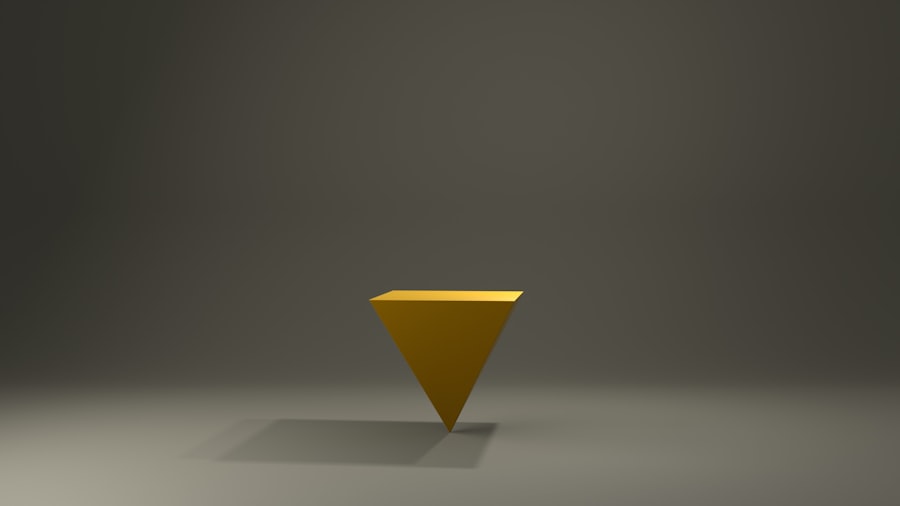
When comparing thin broad geometry with other geometric forms, several distinctions become apparent. Traditional geometric shapes such as cubes or spheres possess uniform dimensions that lend themselves to different structural properties. In contrast, thin broad geometries exhibit a pronounced length-to-thickness ratio that influences their performance under load.
This unique characteristic allows for greater flexibility in design but also introduces challenges related to stability and buckling. Moreover, while conventional shapes may excel in certain applications due to their inherent strength and stability, thin broad geometries offer advantages in terms of weight reduction and material efficiency. For example, while a solid block may provide robust support in certain contexts, a well-designed thin broad structure can achieve similar or superior performance with significantly less material.
This comparison highlights the importance of selecting the appropriate geometric form based on specific project requirements and constraints.
The Importance of Thin Broad Geometry in Engineering and Architecture
In both engineering and architecture, thin broad geometry plays a pivotal role in shaping modern design practices. Engineers rely on these geometric forms to create structures that are not only functional but also visually appealing. The ability to design lightweight yet strong components has revolutionized construction methods, allowing for innovative solutions that were previously unattainable.
Architects also benefit from the aesthetic possibilities offered by thin broad geometry. The sleek lines and elegant proportions associated with these shapes can enhance the visual impact of a building or structure. Moreover, the integration of natural light through strategically placed openings in thin broad designs can create dynamic interior spaces that foster creativity and well-being.
As such, the importance of thin broad geometry extends beyond mere functionality; it encompasses a holistic approach to design that prioritizes both form and function.
The Role of Thin Broad Geometry in Art and Design
Beyond engineering and architecture, thin broad geometry has found its way into the realms of art and design. Artists often draw inspiration from these geometric forms to create visually striking pieces that challenge traditional notions of space and structure. Sculptures that utilize thin broad elements can evoke feelings of movement and fluidity, inviting viewers to engage with the artwork on multiple levels.
In product design, thin broad geometry is increasingly utilized to create sleek and modern aesthetics.
Designers leverage the principles of thin broad geometry to create items that are not only functional but also visually appealing, reflecting contemporary trends in minimalism and simplicity.
Challenges and Limitations of Working with Thin Broad Geometry
Despite its many advantages, working with thin broad geometry presents several challenges that must be addressed during the design process. One significant limitation is the susceptibility of these shapes to buckling under compressive loads. Engineers must carefully consider factors such as material selection and slenderness ratios to mitigate this risk effectively.
Failure to account for these variables can lead to catastrophic structural failures. Additionally, manufacturing processes for thin broad geometries can be complex and require specialized techniques. The precision needed to create these shapes often necessitates advanced technology and skilled labor, which can increase production costs.
As industries continue to evolve, addressing these challenges will be crucial for maximizing the potential of thin broad geometry in various applications.
Advancements and Innovations in Thin Broad Geometry Research
Research into thin broad geometry has seen significant advancements in recent years, driven by technological innovations and interdisciplinary collaboration. New materials such as advanced composites have emerged, offering enhanced strength-to-weight ratios that complement the principles of thin broad geometry. These materials enable engineers and designers to push the boundaries of what is possible while maintaining structural integrity.
Furthermore, computational modeling techniques have advanced significantly, allowing for more accurate simulations of how thin broad geometries will perform under various conditions. Researchers are now able to explore complex interactions between materials and forces with unprecedented precision. This progress not only enhances understanding but also informs better design practices across multiple industries.
The Future of Thin Broad Geometry and Its Impact on Various Industries
As society continues to evolve and face new challenges, the relevance of thin broad geometry will only grow stronger.
The ongoing research into this geometric form promises exciting developments that could reshape industries ranging from construction to product design.
Looking ahead, the integration of advanced materials and computational techniques will likely lead to even more innovative applications of thin broad geometry. As professionals across various fields embrace this concept, they will unlock new possibilities for creating structures and products that are not only functional but also aesthetically pleasing. Ultimately, the future of thin broad geometry holds great promise for enhancing human experiences through thoughtful design and engineering solutions.
In exploring the concept of thin broad geometry objects, one can gain further insights by examining related topics in geometry and design. A particularly relevant article that delves into the intricacies of geometric shapes and their applications can be found at this link. This resource provides a comprehensive overview of various geometric forms, including their properties and significance in both theoretical and practical contexts.
WATCH THIS! The Object Defying Gravity: Is This Proof of Alien Technology?
FAQs
What is a thin broad geometry object?
A thin broad geometry object is a type of geometric shape that has a large surface area in comparison to its thickness or depth.
What are some examples of thin broad geometry objects?
Examples of thin broad geometry objects include sheets of paper, thin metal plates, and thin rectangular prisms.
What are the properties of thin broad geometry objects?
Thin broad geometry objects typically have a large surface area, a small thickness or depth, and are often used in engineering and architecture for their structural properties.
How are thin broad geometry objects used in real life?
Thin broad geometry objects are used in various real-life applications such as in the construction of buildings, bridges, and other structures where strength and stability are important. They are also used in the design of mechanical components and in manufacturing processes.