The vast expanse of space, often romanticized as a frontier of boundless opportunity and human triumph, harbors a stark and often unforgiving reality. For those who venture beyond Earth’s protective atmosphere, the journey is fraught with perils that extend far beyond mere technical challenges. The inherent nature of the vacuum, the relentless march of radiation, and the profound psychological toll on the human body and mind paint a picture decidedly less glamorous than typically portrayed. The Terrifying Reality of Space Travel is a sober assessment of the sacrifices, the inherent dangers, and the enduring psychological strain that accompany humanity’s reach for the stars.
The fundamental difference between Earth and the void is the absence of a protective atmosphere. This seemingly simple distinction unleashes a cascade of dangers that are inimical to life as we know it. The vacuum of space is not merely empty; it is an active adversary.
The Lethal Absence of Pressure
On Earth, we are constantly subjected to atmospheric pressure, a force that keeps our internal bodily fluids contained and our tissues intact. In the vacuum of space, this external pressure vanishes. Without the protection of a spacecraft or a pressurized suit, a human exposed to this environment would experience immediate and catastrophic consequences.
Rapid Decompression and Boiling of Bodily Fluids
The most immediate threat is rapid decompression. Within seconds, the air within the lungs would be violently expelled. More alarmingly, the lower pressure would cause the water within the body’s tissues to boil. This phenomenon, known as ebullism, is not the same as overheating, but rather a change of state due to pressure reduction. The body would swell significantly, and while consciousness would be lost almost instantly due to oxygen deprivation, the physical effects would be devastating.
Tissue Damage and Organ Failure
The rapid expansion of gases within the body would cause significant trauma to organs and tissues. The circulatory system would be unable to function, leading to swift and irreversible damage. While survival time in a pure vacuum is a matter of seconds to a minute or two before irreversible damage sets in, the sheer violence of the process underscores the absolute dependence of human physiology on a controlled atmosphere.
The Cruel Efficiency of Temperature Extremes
Space offers no moderating atmosphere to diffuse heat or retain warmth. This absence of insulation leads to extreme temperature fluctuations that pose a constant threat to both humans and equipment.
The Chilling Grip of Absolute Zero
In direct sunlight, spacecraft surfaces can reach scorching temperatures, but in the shade, or in regions of space far from stellar illumination, temperatures plummet towards absolute zero (-273.15 degrees Celsius or -459.67 degrees Fahrenheit). Without highly effective thermal regulation systems, any unprotected object or unprotected astronaut would quickly freeze.
The Scorching Embrace of Solar Radiation
Conversely, when exposed to direct sunlight without any filtering, surfaces can absorb immense amounts of solar energy. This can lead to overheating, melting, and eventual degradation of materials. Astronauts are constantly protected by specialized spacesuits and spacecraft hulls that meticulously manage these temperature extremes. The failure of these systems, even momentarily, can have dire consequences.
The terrifying reality of space travel is vividly captured in a related article that explores the psychological and physical challenges astronauts face during their missions. This article delves into the isolation, the risks of radiation exposure, and the potential for life-threatening emergencies in the vastness of space. For a deeper understanding of these daunting aspects, you can read more in the article available at My Cosmic Ventures.
The Invisible Fury of Radiation
Beyond the physical challenges of pressure and temperature, space is awash in a torrent of energetic particles and electromagnetic waves that are invisible but profoundly dangerous. This pervasive radiation poses a long-term, cumulative threat to human health.
Galactic Cosmic Rays: The Unseen Barrage
Galactic Cosmic Rays (GCRs) are high-energy particles originating from outside our solar system, generated by supernovae and other cataclysmic cosmic events. They are incredibly penetrating and can wreak havoc on biological tissues.
DNA Damage and Increased Cancer Risk
When GCRs pass through the human body, they can ionize atoms and molecules, damaging DNA. This damage can lead to mutations, which in turn significantly increase the risk of developing various forms of cancer. The cumulative dose of GCRs over even a relatively short space mission is substantial, and the long-term implications for astronauts’ health are a major concern.
Neurological Effects and Cognitive Decline
Emerging research suggests that GCRs may also have detrimental effects on the central nervous system. Studies have indicated potential damage to nerve cells, which could lead to cognitive impairments, memory problems, and even accelerated neurodegenerative diseases like Alzheimer’s. The exact mechanisms are still being investigated, but the prospect of impaired mental function for astronauts is a sobering one.
Solar Particle Events: Sudden and Violent Outbursts
The Sun, while the source of life-giving energy, is also a tempestuous star. Periodically, it unleashes powerful bursts of energetic particles, known as Solar Particle Events (SPEs). These events can be extremely hazardous to astronauts.
Acute Radiation Exposure and Sickness
SPEs can deliver a massive dose of radiation in a short period. If an astronaut is exposed to an SPE outside of a shielded environment, they could experience acute radiation sickness. Symptoms can range from nausea and vomiting to severe cellular damage, leading to organ failure and potentially death. Mission planners must constantly monitor solar activity and develop contingency plans to shelter astronauts if an SPE is predicted.
Long-Term Health Implications
Even if an astronaut survives an SPE with no immediate symptoms, the increased radiation dose contributes to their overall lifetime radiation exposure, further exacerbating the risks of cancer and other radiation-related health issues.
The Psychological Crucible of Isolation and Confinement

The physical dangers of space travel are often the focus, but the psychological toll on astronauts can be equally debilitating. The unique combination of extreme isolation, perpetual confinement, and the existential weight of their endeavor creates a psychologically demanding environment.
The Tyranny of Confinement
Spacecraft are inherently cramped and limited environments. For missions lasting months or even years, astronauts are confined to a small volume, with little personal space and a highly restricted view of the outside world. This lack of personal freedom and sensory stimulation can lead to a range of psychological issues.
Sensory Deprivation and Monotony
The monotonous visual landscape within a spacecraft can be profoundly unsettling. The constant hum of machinery, the recycled air, and the lack of natural stimuli can lead to sensory deprivation. This can manifest as boredom, apathy, and a general reduction in cognitive function and emotional well-being.
Interpersonal Stress and Conflict
Living in close quarters with a small group of individuals for extended periods inevitably leads to interpersonal friction. Small habits can become magnified irritations, and disagreements can quickly escalate in an environment where there is no escape. Effective teamwork and conflict resolution are not just desirable; they are essential for mission success and psychological survival.
The Weight of Isolation
Beyond the physical confinement, astronauts are profoundly isolated from their loved ones and the familiar comforts of Earth. This distance can be emotionally taxing.
Homesickness and Loneliness
The emotional disconnect from family, friends, and the everyday experiences of life on Earth can be a significant source of distress. While communication technologies exist, they cannot fully bridge the vast physical and emotional chasm. The feeling of being utterly alone in the universe, despite being with a crew, can be a profound and haunting experience.
Existential Angst and the Overview Effect
The sheer scale and emptiness of space can, for some, trigger existential angst. Witnessing Earth as a small, fragile ball suspended in an infinite void can be a deeply humbling and sometimes unsettling experience. While the “Overview Effect”—a cognitive shift in awareness reported by some astronauts—can lead to a profound sense of interconnectedness and peace, for others, it can amplify feelings of insignificance and alienation.
The Unforgiving Nature of Mechanical Failure
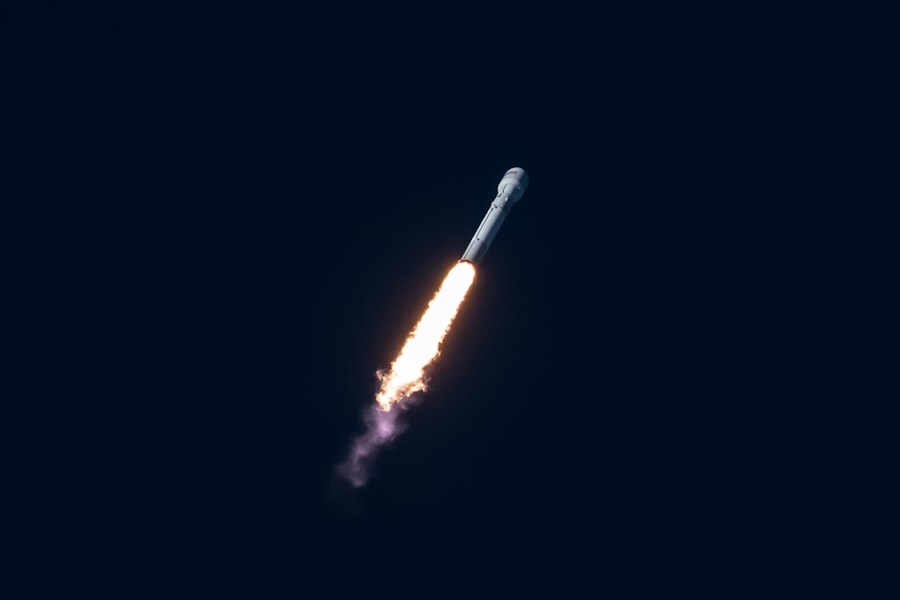
Space travel is a testament to human ingenuity, but it relies on incredibly complex machinery operating in an environment that is actively hostile to its functioning. The margin for error is razor-thin, and mechanical failure can have catastrophic consequences.
The Vulnerability of Life Support Systems
The most critical systems onboard a spacecraft are those that sustain life. These include oxygen generation, carbon dioxide removal, water recycling, and temperature regulation. Any malfunction in these systems can quickly become a life-threatening emergency.
Dependence on Redundancy and Robust Design
Engineers strive to build redundancy into these systems, meaning there are backup components and entirely separate systems to take over if the primary one fails. However, the complexity of these systems also means there are numerous potential points of failure, and even advanced designs cannot guarantee absolute reliability.
The Case of Apollo 13
The near-catastrophic failure of Apollo 13 in 1970 serves as a stark reminder of the fragility of these systems. An explosion in an oxygen tank crippled the command module, forcing the crew to use the lunar module as a lifeboat. The ingenuity and resourcefulness of the crew and mission control were crucial for their survival, but it was a stark illustration of how quickly a mission can devolve into a desperate struggle for survival when critical systems fail.
Propulsion and Navigation: The Journey’s Compass and Power
The ability to move through space and accurately navigate is fundamental to any mission. Failures in propulsion or navigation systems can leave a spacecraft stranded or on a trajectory towards disaster.
The Perils of Engine Malfunction
A failure in a rocket engine during launch can be immediately fatal. Mid-mission, a propulsion system failure could mean an inability to perform crucial maneuvers, such as course corrections or orbital insertions, potentially leading to the spacecraft being lost or forced onto an unsafe trajectory.
The Precision of Orbital Mechanics
Navigating in space is governed by incredibly precise orbital mechanics. Tiny errors in calculations or execution can lead to significant deviations over time. A navigation system failure, or even a miscalculation, could result in a spacecraft missing its target destination or, worse, colliding with celestial bodies or other spacecraft.
The terrifying reality of space travel is often overshadowed by the excitement of exploration and discovery, yet it comes with significant risks that can be hard to comprehend. For those interested in understanding the dangers astronauts face, a related article delves into the psychological and physical challenges of life beyond Earth. You can read more about these issues in the insightful piece found here, which highlights the complexities of human endurance in the vastness of space.
The Unseen Biological Toll of Microgravity
| Aspect | Details |
|---|---|
| Distance to the Moon | 238,855 miles |
| Distance to Mars | 33.9 million miles (at closest approach) |
| Time to reach the Moon | 3 days |
| Time to reach Mars | 6-9 months (depending on the position of Earth and Mars) |
| Microgravity effects on the body | Muscle atrophy, bone density loss, fluid redistribution |
| Radiation exposure in space | Higher levels of cosmic and solar radiation |
| Isolation and confinement | Psychological challenges of long-duration space missions |
Life on Earth has evolved under the constant pull of gravity. Removing this force for extended periods causes a cascade of physiological changes in the human body, some of which are detrimental and may have long-lasting effects.
Bone and Muscle Atrophy: The Fragility of the Body
Without the constant stress of gravity, bones begin to lose density, and muscles weaken. This is more than just a minor inconvenience; it can lead to significant health problems.
Osteoporosis in Space
Astronauts can experience bone loss at a rate several times faster than that seen in individuals with osteoporosis on Earth. This makes them more susceptible to fractures upon their return to Earth. While exercise regimens are implemented to mitigate this, they are not entirely effective in preventing bone density loss.
Muscle Wasting and Weakness
Similarly, muscles that are not used to support body weight begin to atrophy. This can result in significant loss of strength and endurance, making strenuous physical activity challenging and recovery more difficult.
Cardiovascular Deconditioning and Fluid Shifts
The human cardiovascular system is adapted to working against gravity. In microgravity, this adaptation leads to deconditioning.
Blood Pooling in the Upper Body
Without gravity to pull blood downwards, fluids in the body tend to shift towards the head. This can lead to a puffy face, sinus congestion, and a feeling of pressure. Over the long term, the heart may also begin to decondition, as it doesn’t have to work as hard to pump blood.
Orthostatic Intolerance upon Return
Upon returning to Earth’s gravity, astronauts often experience orthostatic intolerance, a condition where they feel dizzy or lightheaded when standing up because their cardiovascular system has not yet readjusted. This can make the initial period of readjustment to Earth’s gravity uncomfortable and even dangerous.
Other Physiological Challenges
Microgravity also affects other bodily functions, including vision, the immune system, and digestion.
Spaceflight-Associated Neuro-ocular Syndrome (SANS)
A significant concern in recent years has been the development of Spaceflight-Associated Neuro-ocular Syndrome (SANS). This condition, observed in some astronauts, involves changes in vision, including flattening of the eyeball and swelling of the optic nerve, which can lead to long-term vision impairment. The exact causes are still under investigation, but the fluid shifts in the head are strongly suspected to be a contributing factor.
Impaired Immune Function
Evidence suggests that microgravity can suppress the immune system, making astronauts more vulnerable to infections. This is a significant concern, especially on long-duration missions, as access to advanced medical care is limited.
The pursuit of space travel, while driven by a spirit of exploration and discovery, necessitates a clear-eyed understanding of its daunting realities. The vacuum, the radiation, the psychological pressures, the mechanical frailties, and the profound biological alterations are not abstract concepts but tangible threats that demand constant vigilance, ingenuity, and an unwavering respect for the unforgiving nature of the cosmos. The astronauts who venture into this realm are not merely explorers; they are pioneers facing a crucible of dangers that test the limits of human endurance and resilience.
FAQs
What are the dangers of space travel?
Space travel poses numerous dangers to astronauts, including exposure to radiation, microgravity-induced health issues, psychological stress, and the risk of spacecraft malfunctions.
How does microgravity affect the human body during space travel?
Microgravity can lead to muscle atrophy, bone density loss, fluid redistribution, and changes in the cardiovascular system. These effects can have long-term consequences for astronauts’ health.
What are the psychological challenges of space travel?
The isolation, confinement, and extreme conditions of space travel can lead to psychological stress, anxiety, and depression among astronauts. Maintaining mental well-being is a critical aspect of long-duration space missions.
How does radiation exposure impact astronauts during space travel?
Astronauts are exposed to higher levels of cosmic radiation in space, which can increase their risk of developing cancer, cataracts, and other health issues. Shielding and monitoring systems are essential for mitigating these risks.
What are the potential risks of spacecraft malfunctions during space travel?
Spacecraft malfunctions, such as life support system failures or collisions with space debris, can jeopardize the safety of astronauts. Robust engineering, contingency planning, and rapid response capabilities are crucial for ensuring mission success and crew survival.