Pre-decision brain activity encompasses the neural processes occurring before a person makes a choice. This field has become a focal point in neuroscience and psychology research, offering valuable insights into human cognitive mechanisms. By studying how the brain prepares for decisions, scientists can better understand the complex interactions between cognitive functions, emotional responses, and neurological pathways that influence our choices.
The study of pre-decision brain activity has practical applications across multiple disciplines. In marketing and behavioral economics, understanding neural precursors to decisions helps explain consumer behavior and economic choices. In mental health contexts, this research illuminates decision-making impairments associated with various conditions.
The knowledge gained from studying pre-decision neural activity contributes to developing improved decision-making frameworks, enhancing cognitive interventions, and informing evidence-based policies. As this research field advances, it continues to deepen our understanding of human cognition and behavior.
Key Takeaways
- Pre-decision brain activity, especially in the pre-frontal cortex, plays a crucial role in shaping choices before conscious awareness.
- Emotions significantly influence pre-decision brain signals, affecting intuition and subsequent decision-making processes.
- Pre-decision brain activity is linked to cognitive biases, impacting behavior and potentially limiting objective reasoning.
- Understanding the neurological and evolutionary basis of pre-decision brain activity offers insights into free will and adaptive behavior.
- Research on pre-decision brain activity has practical applications in marketing but raises important ethical concerns regarding manipulation and privacy.
The Role of the Pre-Frontal Cortex in Decision Making
The pre-frontal cortex (PFC) is a critical region of the brain involved in higher-order cognitive functions, including decision-making. Located at the front of the brain, this area is responsible for integrating information from various sources, weighing potential outcomes, and ultimately guiding individuals toward a choice. The PFC plays a pivotal role in evaluating risks and rewards, allowing individuals to make informed decisions based on their goals and values.
Its involvement in pre-decision brain activity highlights the complexity of human cognition and the importance of this region in shaping behavior. Research has shown that different areas within the pre-frontal cortex are activated during various stages of decision-making. For instance, when faced with a choice, individuals may engage in deliberative thinking, activating regions associated with reasoning and analysis.
Conversely, when decisions are made more intuitively or impulsively, other areas of the PFC may come into play. This dynamic interplay underscores the multifaceted nature of decision-making and emphasizes the need for a nuanced understanding of how the brain processes information prior to arriving at a conclusion.
The Influence of Emotions on Pre-Decision Brain Activity
Emotions play a significant role in shaping pre-decision brain activity, often acting as powerful motivators that can sway choices in unexpected ways. The interplay between emotion and cognition is complex; while rational thought is essential for sound decision-making, emotional responses can heavily influence the process. For instance, feelings of fear or anxiety may lead individuals to avoid certain choices, while excitement or optimism can encourage risk-taking behavior.
Understanding how emotions interact with cognitive processes provides valuable insights into the nuances of human decision-making. Neuroscientific studies have demonstrated that emotional responses can activate specific brain regions, such as the amygdala, which is closely linked to emotional processing. When individuals are faced with a decision, their emotional state can significantly impact their pre-decision brain activity, often leading to choices that align more closely with their feelings than with logical reasoning.
This emotional influence can be both beneficial and detrimental; while it can enhance creativity and spontaneity in decision-making, it can also lead to impulsive choices that may not align with long-term goals.
The Connection Between Pre-Decision Brain Activity and Intuition
Intuition is often described as a gut feeling or an instinctual response to a situation, and it plays a crucial role in pre-decision brain activity. This phenomenon occurs when individuals rely on their subconscious processing to arrive at decisions without engaging in extensive deliberation. Intuitive decision-making is particularly prevalent in situations where time is limited or when individuals lack sufficient information to make a fully informed choice.
The brain’s ability to synthesize past experiences and knowledge into rapid judgments is a testament to its remarkable efficiency. Research has indicated that intuitive decisions often stem from patterns recognized by the brain through previous experiences. The neural pathways associated with these experiences become activated during pre-decision brain activity, allowing individuals to draw upon their accumulated knowledge without conscious awareness.
This connection between intuition and pre-decision brain activity highlights the importance of both conscious and subconscious processes in shaping human behavior. While intuition can lead to quick and effective decisions, it is essential to recognize its limitations and potential biases that may arise from relying solely on instinct.
The Impact of Pre-Decision Brain Activity on Behavior
| Metric | Description | Value/Observation | Source/Study |
|---|---|---|---|
| Readiness Potential (RP) | Brain activity that precedes voluntary movement | Begins ~550 ms before conscious decision | Libet et al., 1983 |
| Time to Conscious Awareness | Delay between brain activity and awareness of decision | ~200-300 ms after RP onset | Libet et al., 1983 |
| Neural Predictive Accuracy | Ability to predict decision from brain signals | Up to 70% accuracy 7-10 seconds before decision | Haynes et al., 2008 |
| Brain Regions Involved | Areas showing early activity before decision | Supplementary Motor Area, Prefrontal Cortex | Fried et al., 2011 |
| Interpretation | Implication of early brain activity on free will | Suggests unconscious initiation of movement | Multiple neuroscience studies |
The impact of pre-decision brain activity on behavior is profound, as it sets the stage for how individuals navigate their choices in everyday life.
For example, if an individual experiences heightened anxiety during the pre-decision phase, they may be more likely to avoid certain situations altogether or make conservative choices that limit their opportunities for growth.
Moreover, pre-decision brain activity can also shape long-term behavioral patterns. Individuals who consistently engage in risk-averse decision-making may develop habits that reinforce this tendency over time. Conversely, those who embrace more adventurous choices may cultivate a mindset that encourages exploration and novelty-seeking behavior.
Understanding these dynamics can provide valuable insights into how individuals can modify their decision-making processes to achieve desired outcomes and foster personal development.
The Relationship Between Pre-Decision Brain Activity and Cognitive Biases
Cognitive biases are systematic patterns of deviation from norm or rationality in judgment, and they are intricately linked to pre-decision brain activity. These biases can significantly influence how individuals process information and make choices, often leading them to favor certain options over others based on flawed reasoning or emotional responses. For instance, confirmation bias may cause individuals to seek out information that supports their existing beliefs while disregarding contradictory evidence.
This tendency can be traced back to specific neural pathways activated during pre-decision processing. The relationship between cognitive biases and pre-decision brain activity underscores the importance of awareness in decision-making. By recognizing the potential for biases to distort judgment, individuals can take steps to mitigate their effects.
This may involve seeking diverse perspectives, engaging in reflective thinking, or employing decision-making frameworks that encourage critical analysis. Ultimately, understanding how cognitive biases interact with pre-decision brain activity can empower individuals to make more informed choices and reduce the likelihood of falling prey to irrational thinking.
The Neurological Basis of Pre-Decision Brain Activity
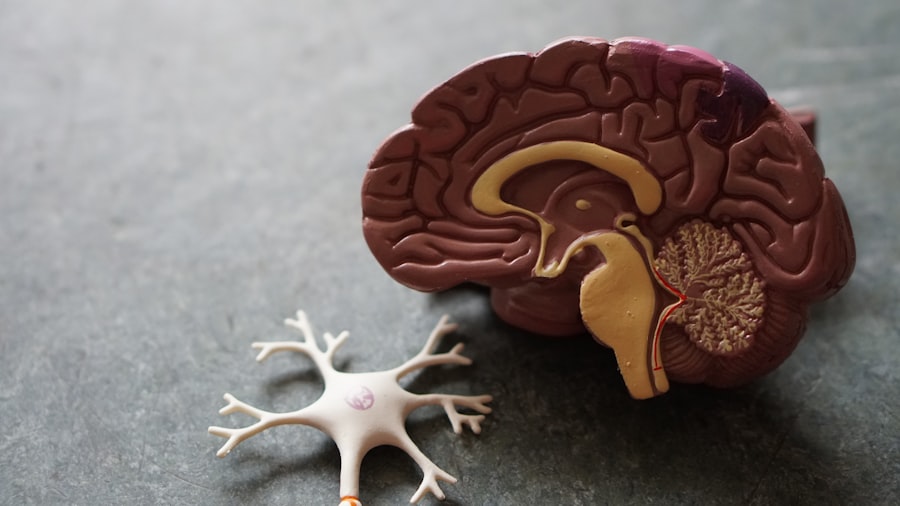
The neurological basis of pre-decision brain activity involves a complex network of regions working in concert to facilitate decision-making processes. Key areas include the pre-frontal cortex, amygdala, striatum, and insula, each contributing unique functions that influence how decisions are made. The PFC is primarily responsible for higher-order cognitive functions such as planning and reasoning, while the amygdala plays a crucial role in emotional processing.
The striatum is involved in reward anticipation and motivation, while the insula contributes to awareness of bodily states and emotional experiences. Neuroimaging studies have provided valuable insights into how these regions interact during pre-decision phases. For example, when individuals weigh options or consider potential outcomes, there is often increased connectivity between the PFC and other areas involved in emotional processing and reward evaluation.
This interconnectedness highlights the importance of both cognitive and emotional factors in shaping decision-making processes. As researchers continue to explore these neural mechanisms, they are uncovering new dimensions of how the brain orchestrates complex behaviors.
The Evolutionary Advantage of Pre-Decision Brain Activity
From an evolutionary perspective, pre-decision brain activity offers significant advantages that have contributed to human survival and adaptation. The ability to assess risks and rewards before making choices has allowed individuals to navigate their environments more effectively, enhancing their chances of survival in challenging situations. For instance, early humans who could quickly evaluate potential threats or opportunities were more likely to secure food sources or avoid danger.
Moreover, the development of sophisticated decision-making processes has facilitated social interactions and cooperation among groups. As humans evolved into more complex societies, the ability to make informed decisions based on social cues became increasingly important for building relationships and fostering collaboration. This evolutionary advantage underscores the significance of pre-decision brain activity as a fundamental aspect of human cognition that has shaped not only individual behavior but also societal dynamics over time.
The Implications of Pre-Decision Brain Activity for Free Will
The exploration of pre-decision brain activity raises intriguing questions about the nature of free will and autonomy in decision-making. If many choices are influenced by subconscious processes or emotional responses occurring before conscious awareness, one might wonder how much control individuals truly have over their decisions. This philosophical inquiry challenges traditional notions of free will by suggesting that many choices may be predetermined by underlying neural mechanisms.
However, it is essential to recognize that while pre-decision brain activity plays a significant role in shaping choices, it does not negate the existence of free will altogether. Individuals still possess the capacity for self-reflection and conscious deliberation that allows them to override instinctual responses or biases when necessary. Understanding this interplay between subconscious influences and conscious control can lead to a more nuanced perspective on human agency and responsibility in decision-making.
The Application of Pre-Decision Brain Activity Research in Marketing and Advertising
The insights gained from research on pre-decision brain activity have profound implications for marketing and advertising strategies. By understanding how consumers process information before making purchasing decisions, marketers can tailor their approaches to resonate more effectively with target audiences. For instance, leveraging emotional appeals or creating environments that evoke positive feelings can enhance consumer engagement and influence buying behavior.
Additionally, marketers can utilize knowledge about cognitive biases to design campaigns that guide consumers toward desired choices.
As research continues to evolve in this area, businesses will increasingly rely on neuroscience principles to inform their marketing strategies and optimize consumer experiences.
Ethical Considerations in the Study of Pre-Decision Brain Activity
As research into pre-decision brain activity advances, ethical considerations become paramount in ensuring responsible practices within this field. The potential for misuse of knowledge regarding decision-making processes raises concerns about manipulation and exploitation in various contexts, particularly in marketing and advertising. Researchers must navigate these ethical dilemmas carefully to balance scientific inquiry with respect for individual autonomy.
Moreover, transparency in research methodologies and findings is essential for fostering public trust in neuroscience studies related to decision-making. Engaging with ethical frameworks that prioritize informed consent and participant welfare will be crucial as researchers continue to explore the complexities of pre-decision brain activity. By addressing these ethical considerations proactively, scientists can contribute positively to society while advancing our understanding of human cognition and behavior.
In conclusion, pre-decision brain activity represents a rich field of study that encompasses various aspects of human cognition, emotion, intuition, behavior, cognitive biases, neurological mechanisms, evolutionary advantages, free will implications, marketing applications, and ethical considerations. As researchers delve deeper into this intricate web of influences shaping decision-making processes, they unlock new insights that have far-reaching implications for individuals and society as a whole.
Recent research has shown that our brains often initiate movements before we consciously make a decision to act, highlighting the complex interplay between unconscious processes and conscious thought. This phenomenon is explored in greater detail in the article available at My Cosmic Ventures, which delves into the implications of these findings for our understanding of free will and decision-making.
FAQs
What does it mean that the brain moves before you decide?
It refers to the phenomenon where brain activity related to a decision can be detected milliseconds or even seconds before a person becomes consciously aware of making that decision. This suggests that some neural processes underlying decision-making occur prior to conscious awareness.
How do scientists measure brain activity before a decision?
Researchers use techniques like electroencephalography (EEG), functional magnetic resonance imaging (fMRI), and magnetoencephalography (MEG) to monitor brain signals. These tools can detect patterns of neural activity that predict a person’s choice before they consciously report making it.
Does brain activity before a decision mean free will doesn’t exist?
Not necessarily. While early brain signals can predict decisions, this does not conclusively prove that free will is an illusion. Some interpretations suggest that unconscious brain processes prepare options, but conscious awareness still plays a role in finalizing or vetoing decisions.
Which areas of the brain are involved in decision-making before conscious awareness?
Regions such as the prefrontal cortex, parietal cortex, and supplementary motor area have been implicated in early decision-related activity. These areas are involved in planning, evaluating options, and initiating actions.
Why is understanding brain activity before decisions important?
Studying this phenomenon helps scientists understand how decisions are formed, the relationship between unconscious and conscious processes, and can have implications for psychology, neuroscience, and even legal and ethical discussions about responsibility.
Can brain activity predict all types of decisions?
Most studies focus on simple, binary choices under controlled conditions. Predicting complex, real-life decisions with brain activity is much more challenging and currently less reliable.
Is the brain movement before decision the same as muscle movement?
No. The “movement” refers to neural activity or signals in the brain, not physical movement of the brain itself. It indicates preparation or initiation of a decision process rather than actual bodily movement.
How early can brain activity predict a decision before conscious awareness?
Some studies have found predictive brain signals up to several seconds before a person reports making a conscious decision, though the exact timing varies depending on the task and measurement method.