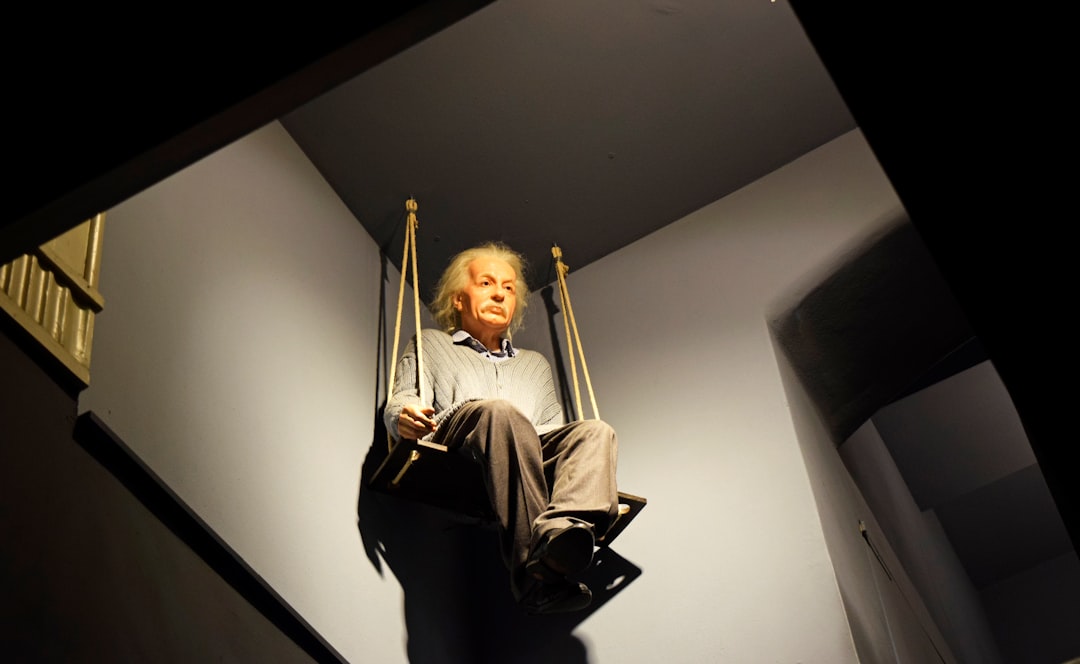
Aging is an inevitable aspect of the human experience, a journey that every individual embarks upon from the moment of birth. It is a complex process characterized by gradual changes in physical, psychological, and social dimensions. As people age, they encounter a myriad of transformations that can influence their quality of life, health, and overall well-being.
The aging process is not merely a biological phenomenon; it encompasses a wide array of factors that intertwine to shape the lives of older adults. Understanding these factors is essential for fostering a positive perspective on aging and promoting healthy lifestyles. The perception of aging varies significantly across cultures and societies.
In some cultures, older individuals are revered for their wisdom and experience, while in others, they may face marginalization. This dichotomy highlights the importance of societal attitudes toward aging and how they can impact the self-esteem and mental health of older adults. As society continues to evolve, so too does the understanding of aging, leading to new approaches that celebrate the contributions of older individuals while addressing the challenges they face.
Key Takeaways
- Aging is a natural process that affects everyone and is characterized by a decline in physical and cognitive abilities.
- Biological factors such as genetics, cellular damage, and hormonal changes play a significant role in the aging process.
- Psychological and emotional aspects of aging, including changes in mood, memory, and coping mechanisms, can impact an individual’s overall well-being.
- Social and cultural influences, as well as lifestyle choices, can have a profound impact on how individuals experience and perceive aging.
- Understanding age-related health conditions, the role of genetics, cognitive changes, and the importance of mental and physical activity are crucial in promoting healthy aging.
Biological Factors of Aging
The biological aspects of aging are rooted in the intricate workings of the human body. As individuals grow older, their cells undergo various changes that can lead to a decline in physiological functions. One of the most significant biological factors is the gradual deterioration of cellular structures and functions, which can result in decreased organ efficiency and increased susceptibility to diseases.
For instance, the skin loses its elasticity, bones may become more fragile, and muscle mass tends to decrease, all contributing to the physical manifestations of aging. Moreover, the aging process is influenced by genetic predispositions that dictate how individuals age. Some people may inherit genes that promote longevity and resilience against age-related diseases, while others may be more prone to conditions such as heart disease or diabetes.
Understanding these biological factors can help individuals make informed decisions about their health and lifestyle choices as they age. By recognizing the role of biology in aging, one can better appreciate the importance of preventive measures and interventions that can enhance quality of life in later years.
Psychological and Emotional Aspects of Aging

Aging is not solely defined by physical changes; it also encompasses significant psychological and emotional dimensions. As individuals transition into older adulthood, they often confront various emotional challenges, including feelings of loss, loneliness, and anxiety about mortality. The psychological impact of aging can be profound, as many grapple with the realities of retirement, changing family dynamics, and the loss of loved ones.
These experiences can lead to a sense of isolation or depression if not addressed adequately. Conversely, aging can also bring about positive psychological changes. Many older adults report increased emotional stability, greater life satisfaction, and a deeper appreciation for relationships and experiences.
This phenomenon is often attributed to accumulated wisdom and a shift in priorities that comes with age. Embracing these emotional aspects of aging can empower individuals to cultivate resilience and find joy in their later years. By fostering a positive mindset and seeking social connections, older adults can navigate the emotional landscape of aging with grace and fulfillment.
Social and Cultural Influences on Aging
| Factors | Impact on Aging |
|---|---|
| Social Support | Positive social support can lead to better physical and mental health in older adults. |
| Cultural Norms | Cultural norms and values can influence attitudes towards aging and the treatment of older adults. |
| Community Engagement | Active engagement in community activities can contribute to a sense of purpose and well-being in older individuals. |
| Discrimination | Ageism and discrimination can negatively impact the mental and emotional well-being of older adults. |
The social context in which individuals age plays a crucial role in shaping their experiences and perceptions of growing older. Cultural norms and values significantly influence how society views aging and the elderly. In cultures that prioritize youthfulness and productivity, older adults may feel marginalized or undervalued.
Conversely, cultures that honor elders for their wisdom and contributions tend to foster environments where older individuals feel respected and engaged. Social networks also play a vital role in the aging process. Strong connections with family, friends, and community can enhance emotional well-being and provide essential support systems for older adults.
Engaging in social activities can combat feelings of loneliness and isolation, which are common among seniors. Furthermore, community resources such as senior centers or support groups can offer opportunities for social interaction and engagement, promoting a sense of belonging that is crucial for mental health as one ages.
The Impact of Lifestyle Choices on Aging
Lifestyle choices significantly influence the aging process, often determining how gracefully individuals navigate their later years. Factors such as diet, exercise, sleep patterns, and stress management play pivotal roles in overall health and well-being. A balanced diet rich in nutrients can help mitigate age-related health issues, while regular physical activity is essential for maintaining muscle strength, flexibility, and cardiovascular health.
Engaging in exercise not only benefits physical health but also contributes to mental clarity and emotional stability. Moreover, lifestyle choices extend beyond physical health; they encompass habits related to mental well-being as well. Practices such as mindfulness meditation or engaging in hobbies can enhance cognitive function and reduce stress levels.
By making conscious decisions about their lifestyles, individuals can take proactive steps toward healthy aging. The cumulative effect of these choices can lead to improved quality of life and longevity, allowing older adults to thrive rather than merely survive.
Understanding Age-Related Health Conditions

As individuals age, they become increasingly susceptible to various health conditions that are often associated with the aging process. Chronic diseases such as arthritis, heart disease, diabetes, and cognitive decline are prevalent among older adults. Understanding these age-related health conditions is crucial for both prevention and management.
Early detection and intervention can significantly improve outcomes for those affected by these ailments. Additionally, it is essential to recognize that not all older adults will experience these conditions at the same rate or severity. Factors such as genetics, lifestyle choices, and access to healthcare play significant roles in determining an individual’s health trajectory as they age.
By fostering awareness about common age-related health issues, individuals can better prepare themselves for potential challenges while also advocating for their health needs within the healthcare system.
The Role of Genetics in the Aging Process
Genetics plays a fundamental role in shaping how individuals experience aging. Research has shown that certain genetic markers are associated with longevity and resilience against age-related diseases. For instance, some individuals may possess genes that promote cellular repair mechanisms or enhance metabolic efficiency, allowing them to maintain better health as they age.
Conversely, others may inherit genetic predispositions that increase their risk for specific conditions. While genetics undoubtedly influences aging, it is essential to recognize that it is not the sole determinant of one’s health outcomes. Environmental factors and lifestyle choices interact with genetic predispositions to shape an individual’s aging experience.
This interplay underscores the importance of adopting healthy habits regardless of genetic background. By focusing on what can be controlled—such as diet, exercise, and stress management—individuals can mitigate some genetic risks associated with aging.
Cognitive Changes and Aging
Cognitive changes are a natural part of the aging process; however, they vary widely among individuals. While some may experience mild cognitive decline—such as forgetfulness or slower processing speeds—others may maintain sharp cognitive function well into their later years. Understanding these changes is crucial for distinguishing between normal age-related cognitive shifts and more serious conditions like dementia or Alzheimer’s disease.
Engaging in mentally stimulating activities can help preserve cognitive function as one ages. Activities such as reading, puzzles, or learning new skills challenge the brain and promote neuroplasticity—the brain’s ability to adapt and reorganize itself. Additionally, social interactions have been shown to enhance cognitive health by providing mental stimulation and emotional support.
By prioritizing cognitive engagement throughout life, individuals can foster resilience against cognitive decline as they grow older.
The Importance of Mental and Physical Activity in Aging
Maintaining both mental and physical activity is vital for healthy aging. Regular physical exercise has been linked to numerous benefits for older adults, including improved cardiovascular health, enhanced mobility, and reduced risk of chronic diseases. Furthermore, physical activity releases endorphins that elevate mood and combat feelings of depression or anxiety commonly experienced by seniors.
Mental activity is equally important; engaging in intellectually stimulating pursuits helps keep the mind sharp and agile. Activities such as playing musical instruments, participating in book clubs, or even learning new languages can provide significant cognitive benefits. The combination of mental and physical activity creates a holistic approach to aging that promotes overall well-being.
By integrating both aspects into daily routines, older adults can enhance their quality of life while reducing the risk of age-related decline.
Strategies for Healthy Aging
Adopting effective strategies for healthy aging involves a multifaceted approach that encompasses physical health, mental well-being, social engagement, and preventive care. Regular check-ups with healthcare providers are essential for monitoring health status and addressing any emerging concerns promptly. Additionally, maintaining a balanced diet rich in fruits, vegetables, whole grains, lean proteins, and healthy fats supports overall health.
Social engagement is another critical component; participating in community activities or maintaining strong relationships with family and friends fosters emotional well-being. Furthermore, incorporating mindfulness practices such as meditation or yoga can help manage stress levels while promoting mental clarity. By embracing these strategies holistically, individuals can create a foundation for healthy aging that enhances their quality of life.
Embracing and Accepting the Aging Process
Ultimately, embracing the aging process involves cultivating a positive mindset toward growing older. Acceptance allows individuals to appreciate the wisdom gained through life experiences while recognizing that aging brings both challenges and opportunities for growth. By reframing perceptions around aging—from viewing it as a decline to seeing it as a new chapter filled with potential—individuals can foster resilience against societal stereotypes.
Encouraging open conversations about aging within families and communities can also help normalize the experience while reducing stigma associated with growing older. Celebrating milestones and achievements at every stage reinforces the idea that life continues to hold value regardless of age. By embracing this perspective on aging, individuals can navigate their later years with confidence and purpose while contributing positively to society as active participants in their communities.
In recent years, the intriguing connection between relativity and the aging process has captivated scientists and enthusiasts alike. According to Einstein’s theory of relativity, time is not a constant and can be affected by factors such as gravity and velocity. This has profound implications for our understanding of aging, as time can pass at different rates depending on one’s position and speed in the universe. For a deeper exploration of this fascinating topic, you can read a related article on the subject by visiting com/sample-page/’>this page on My Cosmic Ventures.
FAQs
What is the theory of relativity?
The theory of relativity, developed by Albert Einstein, consists of two main ideas: the theory of special relativity and the theory of general relativity. Special relativity describes the relationship between space and time, while general relativity explains the force of gravity as a curvature of space-time.
How does the theory of relativity affect the aging process?
According to the theory of relativity, time is not absolute and can be experienced differently depending on the observer’s relative motion and gravitational field. This means that time can appear to pass at different rates for different observers, leading to the concept of time dilation.
What is time dilation?
Time dilation is the phenomenon predicted by the theory of relativity, where time appears to pass at different rates for observers who are moving relative to each other or are in different gravitational fields. This means that a person’s experience of time can be affected by their motion and the strength of the gravitational field they are in.
How does time dilation affect the aging process?
Time dilation can cause differences in the aging process for individuals who are in different relative motions or gravitational fields. For example, a person traveling at high speeds or in a strong gravitational field may experience time passing more slowly compared to someone at rest or in a weaker gravitational field. This can result in differences in the aging process for these individuals.
Are there practical implications of time dilation on the aging process?
While the effects of time dilation on the aging process are significant in theory, they are generally only noticeable at extremely high speeds or in very strong gravitational fields, such as those near black holes. In everyday life, the effects of time dilation on the aging process are negligible and not practically significant.