
The lines between the physical and the digital have blurred to an extent that living outside the digital realm is becoming an almost impossible proposition for a significant portion of the global population. This article will explore the multifaceted reality of existing within this interconnected ecosystem, examining its pervasive influence on daily life, the inherent opportunities it presents, and the considerable challenges it engenders.
The digital world is no longer a separate entity to be accessed; it is a pervasive atmosphere, a constant hum underlying our existence. From the moment of waking, through the daily commute, the professional engagements, and the personal interactions, digital interfaces are invariably present. This omnipresent nature means that for many, a functioning analogue life would be akin to trying to navigate a modern city without sight.
The Dawn of Digital Dependence
The shift towards digital dependence has been rapid and profound. What began as a supplementary tool for communication and information retrieval has evolved into a foundational pillar of society. Individuals are now reliant on digital platforms for everything from banking and education to social connection and entertainment. This reliance is not a matter of choice for many, but a necessity dictated by the infrastructure of contemporary living. The very fabric of our daily routines is woven with digital threads, making disconnection a significant hurdle.
Communication Reimagined
The way individuals connect and communicate has been fundamentally reshaped. Text messages, emails, video calls, and social media platforms have supplanted traditional methods like letters and landline phone calls for much of the population. This digital transformation has facilitated instant global communication, bridging geographical divides and enabling the formation of communities that transcend physical boundaries. However, it has also introduced new forms of miscommunication and a potential for superficial engagement. The nuance of face-to-face interaction can be lost in the brevity of a digital exchange.
Information at Our Fingertips
The internet has democratized access to information to an unprecedented degree. Knowledge that was once confined to libraries and academic institutions is now readily available to anyone with an internet connection. This accessibility has fueled a culture of self-learning and research, empowering individuals to explore diverse subjects and acquire new skills. Nevertheless, this deluge of information also presents a significant challenge in distinguishing between credible sources and misinformation, creating a landscape where critical evaluation is paramount. Navigating this information ocean requires a discerning eye.
The Digital Infusion in Daily Operations
Beyond personal interaction and information access, the digital world has infiltrated the very mechanisms of our daily operations, from commerce to governance.
The Revolution in Commerce
E-commerce has transformed the way goods and services are bought and sold. Online marketplaces and digital payment systems have made shopping more convenient and accessible, allowing consumers to purchase items from anywhere in the world at any time. This shift has also had a profound impact on traditional retail businesses, forcing them to adapt or face obsolescence. The physical storefront is no longer the sole gateway to consumerism.
Digital Governance and Citizen Engagement
Governments worldwide are increasingly leveraging digital technologies to deliver public services and engage with citizens. Online portals for tax filing, permit applications, and access to government information are becoming commonplace. Furthermore, digital platforms are being explored for citizen participation and feedback mechanisms. However, this digital shift raises concerns about digital inclusion, data privacy, and the potential for algorithmic bias in public services. Ensuring equitable access and ethical deployment are critical.
In exploring the fascinating intersection of reality and perception, a related article that delves deeper into this subject can be found at My Cosmic Ventures. This piece discusses how our understanding of reality is shaped by various factors, including culture, technology, and personal experiences, offering insights that challenge conventional notions of what is real.
The Alchemy of Opportunity: Bridging Divides and Fostering Innovation
The digital world, despite its complexities, serves as a potent engine for opportunity, capable of dissolving traditional barriers and catalyzing innovation. It offers avenues for empowerment, economic advancement, and the expansion of human potential.
The Digital Economy: A New Frontier for Livelihood
The rise of the digital economy has opened up new avenues for earning a living and building careers. Freelancing platforms, remote work opportunities, and the burgeoning gig economy have provided flexibility and autonomy for many. Entire industries have sprung into existence, from software development and digital marketing to content creation and data analysis. This shift presents a departure from the traditional nine-to-five model, offering tailored pathways to economic participation.
The Democratization of Entrepreneurship
Digital tools and platforms have significantly lowered the barrier to entry for entrepreneurs. Starting a business no longer necessitates vast capital investment in physical infrastructure. Online storefronts, social media marketing, and digital advertising allow individuals to reach global markets with relatively modest resources. This democratization of entrepreneurship has fostered a more diverse and dynamic business landscape. The dream of the startup has become a more tangible reality for a broader demographic.
The Global Village of Collaboration
The digital realm facilitates unprecedented levels of collaboration across geographical and disciplinary boundaries. Researchers, artists, and professionals can connect and work together on projects, sharing ideas and resources in real-time. This global interconnectedness accelerates the pace of innovation and fosters a richer exchange of diverse perspectives. The siloed nature of information is being dismantled, allowing for a more fluid and synergistic approach to problem-solving.
Unleashing Creative Potential and Personal Growth
Beyond economic pursuits, the digital world offers a fertile ground for creative expression and personal development.
A Canvas for Creativity
Digital tools have empowered individuals to express themselves creatively in novel ways. From digital art and music production to filmmaking and writing, the barriers to creative output have been significantly lowered. Online platforms provide showcases for emerging artists, enabling them to connect with audiences and build a following independent of traditional gatekeepers. The artist’s studio has expanded to encompass the digital ether.
Lifelong Learning Reimagined
The digital revolution has transformed the landscape of education and personal development. Online courses, webinars, and digital learning resources offer flexible and accessible opportunities for acquiring new knowledge and skills. Individuals can pursue personal interests, advance their careers, or reskill for new industries at their own pace, transforming education from a finite life stage to a continuous journey. The pursuit of knowledge is no longer tethered to a brick-and-mortar institution.
The Shadow Side: Navigating the Labyrinth of Challenges
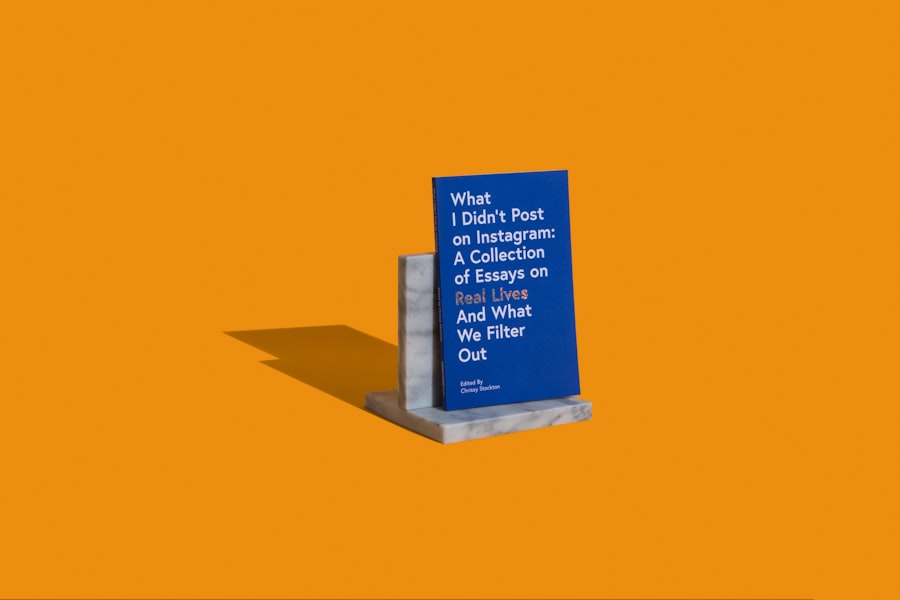
While the digital world offers immense promise, it also casts a long shadow, presenting a complex array of challenges that demand careful consideration and proactive mitigation. These challenges range from individual well-being to societal stability, forming an integral part of the lived digital reality.
The Erosion of Privacy and Security
One of the most significant concerns in the digital age is the erosion of personal privacy. The vast amounts of data collected by corporations and governments raise questions about surveillance, data breaches, and the potential for misuse of sensitive information. Digital footprints are left behind with every online interaction, creating a detailed and often unflinching personal profile.
Data as the New Commodity
Personal data has become a valuable commodity in the digital economy. Companies collect and analyze user data for targeted advertising, product development, and other commercial purposes. While this can lead to personalized experiences, it also raises concerns about exploitation and a lack of transparency in data usage. The individual often becomes the product, their information mined for profit without full comprehension.
The Constant Threat of Cybercrime
The digital frontier is also a breeding ground for cybercrime. Phishing scams, malware attacks, and identity theft pose constant threats to individuals and organizations. Maintaining digital security requires vigilance and a proactive approach to protecting personal information and assets. The digital world can be a minefield of digital predators.
Digital Divides and Social Stratification
The promise of universal access to the digital world is often undermined by the persistent reality of digital divides. Unequal access to technology, internet connectivity, and digital literacy creates disparities that can exacerbate existing social and economic inequalities.
The Unconnected and the Underserved
Millions of people worldwide still lack consistent access to the internet and digital devices. This digital exclusion limits their opportunities for education, employment, and civic participation, creating a bifurcated society where those with digital access have a significant advantage. The chasm between the connected and the unconnected widens.
The Literacy Gap in a Digital Age
Beyond mere access, digital literacy – the ability to effectively use and critically evaluate digital technologies – is crucial. Individuals who lack these skills are at a disadvantage in an increasingly digitalized world, struggling to navigate online services, access information, and participate fully in society. Effective engagement requires more than just a device; it demands understanding.
The Psychological Toll of Digital Immersion
The constant immersion in the digital world can have a significant impact on individual mental health and well-being. The curated realities presented on social media, the pressure for constant connectivity, and the fear of missing out (FOMO) can contribute to anxiety, depression, and a distorted sense of self.
The Paradox of Connection and Isolation
While digital platforms promise connection, they can paradoxically lead to feelings of isolation. Superficial online interactions may not fulfill the deep-seated human need for genuine social connection, and the constant comparison to others’ idealized online personas can foster feelings of inadequacy. The digital village can sometimes feel like an empty room.
The Addiction to the Digital Stream
The design of many digital platforms is intended to capture and retain user attention, leading to the potential for digital addiction. Excessive use of social media, gaming, and other online activities can interfere with daily responsibilities, relationships, and overall well-being. The allure of the endless scroll can be a powerful siren song.
The Evolving Landscape: Adapting to a Dynamic Environment

The digital world is not a static entity; it is a constantly evolving ecosystem. Its landscape shifts with technological advancements, societal adoption, and regulatory frameworks. Adapting to this dynamism is crucial for both individuals and institutions.
The March of Artificial Intelligence and Automation
Artificial intelligence (AI) and automation are rapidly transforming various sectors, from manufacturing and transportation to customer service and creative industries. While these technologies offer the potential for increased efficiency and new innovations, they also raise concerns about job displacement and the ethical implications of AI decision-making. The future of work is being significantly reshaped by intelligent machines.
Redefining Human Roles
As AI and automation become more sophisticated, the nature of human work will likely undergo significant changes. There will be a greater emphasis on skills that complement AI, such as critical thinking, creativity, emotional intelligence, and complex problem-solving. The human element will need to find its new place alongside intelligent systems.
Ethical Considerations of AI
The development and deployment of AI raise a host of ethical questions. Issues of bias in algorithms, accountability for AI actions, and the potential for misuse of AI technology require careful consideration and robust ethical guidelines. The “black box” nature of some AI systems necessitates transparency and responsible development.
The Future of Digital Interaction: Immersive Technologies
Emerging technologies like virtual reality (VR) and augmented reality (AR) are poised to blur the lines between the physical and digital even further, creating more immersive and interactive digital experiences. These technologies have the potential to revolutionize education, entertainment, and professional training.
The Metaverse and its Implications
The concept of the metaverse, a persistent, interconnected set of virtual spaces, represents a potential future direction for digital interaction. While still in its nascent stages, the metaverse could offer new forms of social engagement, commerce, and entertainment, but also presents challenges related to governance, identity, and digital ownership. A new digital frontier is being charted.
AR in Everyday Life
Augmented reality, which overlays digital information onto the real world, is already beginning to integrate into everyday applications, from navigation and retail to gaming and education. Its continued development promises to enhance our perception of and interaction with our physical environment. The world around us may soon be annotated with digital insights.
In exploring the fascinating intersection of technology and perception, one can gain deeper insights into how our understanding of reality is shaped by various factors. A related article that delves into this topic can be found at My Cosmic Ventures, where the implications of virtual experiences on our perception of the real world are examined. This discussion highlights the importance of critically assessing how advancements in technology influence our daily lives and the very nature of reality itself.
Responsible Navigation: Cultivating a Balanced Digital Existence
| Aspect | Description | Metric/Value |
|---|---|---|
| Perception | How individuals interpret sensory information | Varies by individual and context |
| Physical Reality | Objective existence of matter and energy | Observable and measurable phenomena |
| Time | Dimension in which events occur sequentially | Measured in seconds, minutes, hours |
| Space | Three-dimensional extent in which objects exist | Measured in meters, kilometers |
| Quantum Reality | Behavior of particles at atomic and subatomic levels | Probabilistic outcomes, wave-particle duality |
| Consensus Reality | Shared understanding of reality among a group | Socially constructed norms and facts |
Given the profound impact of the digital world, cultivating a balanced and responsible digital existence is not merely an option but a necessity. This requires conscious effort and a commitment to mindful engagement.
The Cultivation of Digital Well-being
Prioritizing digital well-being involves developing habits and strategies that promote a healthy relationship with technology. This includes setting boundaries for screen time, engaging in digital detoxes, and being mindful of the content consumed. A focus on mental and emotional health in the digital sphere is paramount.
Mindful Consumption of Information
With the overwhelming volume of digital information, practicing mindful consumption is essential. This involves critically evaluating sources, fact-checking information, and avoiding the passive absorption of content. Developing a discerning approach to the digital information stream is a vital survival skill.
The Importance of Digital Boundaries
Establishing clear digital boundaries is crucial for maintaining a healthy work-life balance and personal well-being. This involves designating times for focused work, periods for genuine disconnection, and prioritizing in-person interactions. The digital tether can be a source of both connection and constraint.
Digital Citizenship and Ethical Engagement
Becoming a responsible digital citizen entails understanding and adhering to ethical principles in online interactions. This includes respecting others’ privacy, engaging in constructive dialogue, and reporting harmful content. The digital realm, like the physical world, has its own social contracts.
Fostering Critical Thinking in the Digital Age
The pervasiveness of misinformation underscores the need for individuals to cultivate strong critical thinking skills. This involves questioning assumptions, seeking multiple perspectives, and being able to identify logical fallacies and biased reporting. The digital world demands an active, analytical mind.
Building Digital Empathy and Respect
Through online interactions, developing empathy and respect for others is essential. This means considering the impact of one’s words and actions, recognizing the diversity of online communities, and engaging in respectful discourse, even when disagreements arise. The human behind the avatar deserves consideration.
The reality of living in a digital world is a complex tapestry woven with threads of opportunity and challenge. It is a landscape that demands constant adaptation, critical engagement, and a conscious effort to cultivate a balanced and responsible existence. As technology continues its relentless march forward, understanding and navigating this digital realm will remain a defining characteristic of modern life.

WATCH NOW ▶️ Do we live in a matrix?
FAQs
What is the definition of reality?
Reality refers to the state of things as they actually exist, independent of perception or beliefs. It encompasses all physical and non-physical phenomena that are objectively true and verifiable.
How do philosophers differentiate between reality and perception?
Philosophers distinguish reality as the objective world that exists independently of human thoughts, while perception is the subjective experience or interpretation of that world by an individual’s senses and mind.
What are the main theories about the nature of reality?
Key theories include realism, which asserts that reality exists independently of observers; idealism, which suggests reality is mentally constructed; and phenomenology, which focuses on how reality is experienced by consciousness.
Can reality be altered or influenced by human consciousness?
While human consciousness can influence perception and interpretation of reality, the fundamental nature of physical reality remains consistent and is governed by natural laws, though some interpretations in quantum physics suggest observer effects at microscopic levels.
How does science study and understand reality?
Science studies reality through observation, experimentation, and empirical evidence to develop models and theories that explain natural phenomena, aiming to describe reality as accurately and objectively as possible.