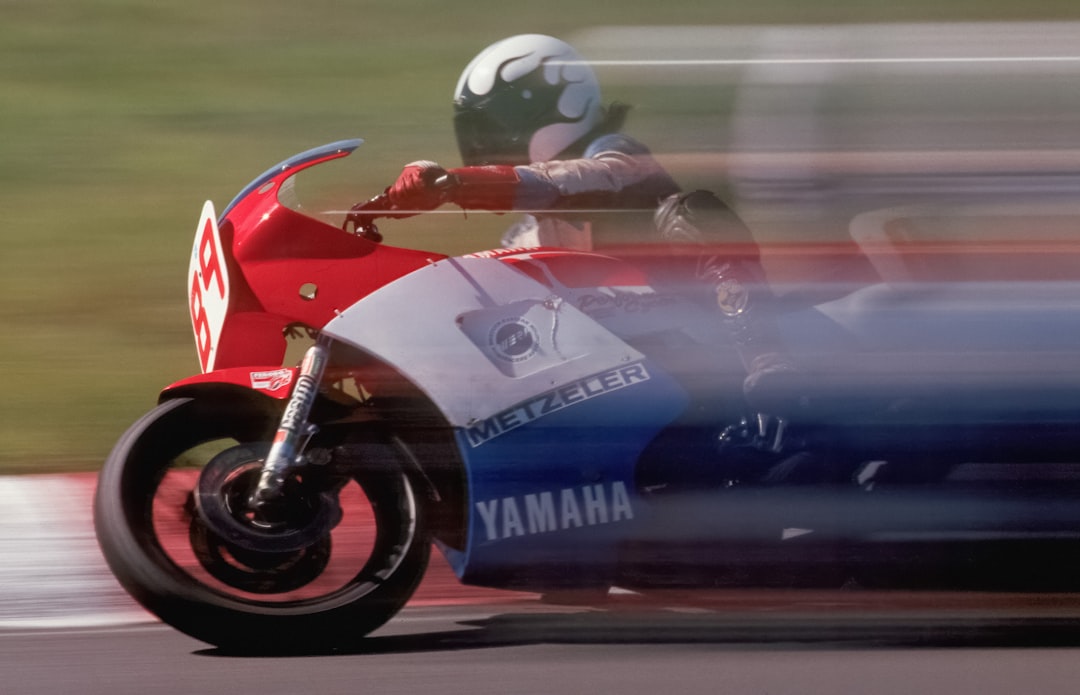
In the realm of physics, velocity and time are two fundamental concepts that intertwine to shape our understanding of motion and the universe. Velocity, defined as the rate of change of an object’s position with respect to time, serves as a crucial parameter in various scientific disciplines. Time, on the other hand, is a continuous progression of existence and events that allows for the measurement of change.
Together, these concepts not only govern the laws of motion but also influence human perception and experience in profound ways. As individuals navigate their daily lives, the interplay between velocity and time becomes increasingly apparent. Whether it is the speed of a car on a highway or the pace of life in a bustling city, the relationship between how fast something moves and how time is perceived can significantly impact decision-making, productivity, and overall well-being.
Understanding this relationship is essential for harnessing the power of velocity to optimize time management and enhance life experiences.
Key Takeaways
- Velocity is the measure of an object’s speed and direction of motion over a specific period of time.
- Understanding velocity helps in comprehending how fast an object is moving and in what direction.
- The relationship between velocity and time is crucial in determining the distance traveled by an object.
- High velocity can affect the perception of time, making it seem to pass more slowly for the moving object.
- Velocity plays a significant role in time dilation and the concept of time travel in the theory of relativity.
Understanding the Concept of Velocity
Velocity is more than just speed; it encompasses both magnitude and direction. While speed refers solely to how fast an object is moving, velocity provides a more comprehensive picture by indicating the direction of that movement. For instance, a car traveling at 60 miles per hour northward has a specific velocity that conveys not only its speed but also its trajectory.
This distinction is vital in various fields, including physics, engineering, and even everyday navigation. In practical terms, velocity can be calculated using the formula: velocity equals displacement divided by time. This equation highlights the importance of both distance traveled and the duration of travel in determining how quickly an object moves from one point to another.
By understanding velocity in this way, individuals can better appreciate its implications in real-world scenarios, from planning travel routes to analyzing sports performance.
The Relationship Between Velocity and Time
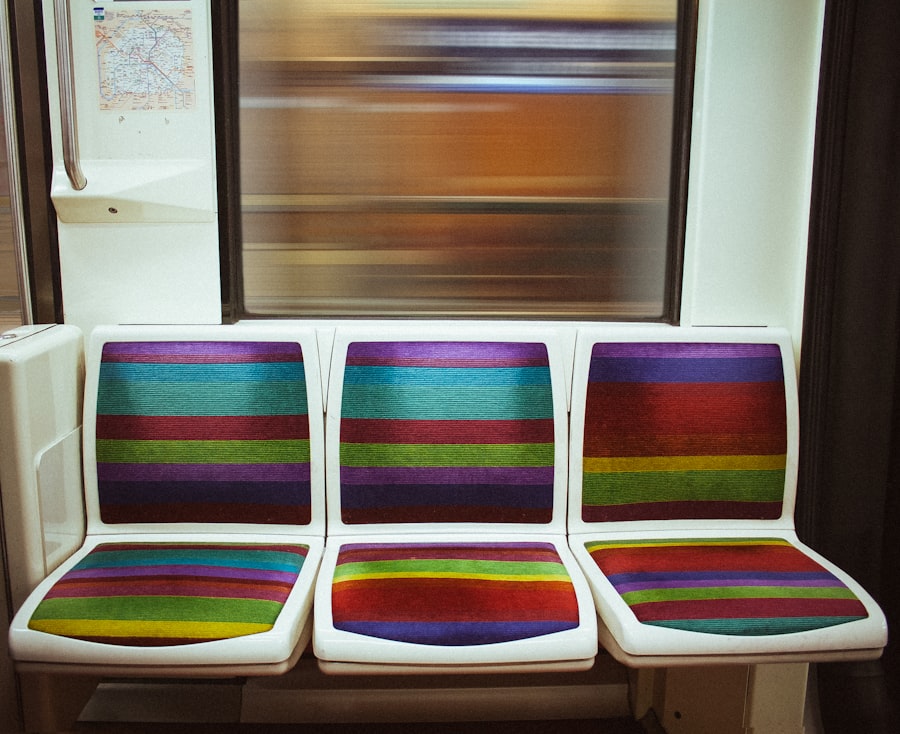
The relationship between velocity and time is inherently reciprocal; as one changes, so does the other. When an object accelerates, its velocity increases over time, leading to a greater distance covered in a shorter period. Conversely, if an object decelerates, its velocity decreases, resulting in less distance traveled over the same timeframe.
This dynamic interplay is crucial for understanding motion in both everyday life and scientific contexts. Moreover, this relationship can be visualized through graphs that plot distance against time. A steeper slope on such a graph indicates higher velocity, while a flatter slope suggests lower velocity.
By analyzing these graphs, one can gain insights into how different velocities affect travel times and distances, allowing for more informed decisions in various situations, from commuting to project management.
How Velocity Affects the Perception of Time
| Velocity | Perception of Time |
|---|---|
| Slow | Time seems to pass slowly |
| Medium | Time feels normal |
| Fast | Time appears to pass quickly |
Velocity does not merely influence physical movement; it also plays a significant role in shaping human perception of time. When individuals experience high velocities—such as during a thrilling roller coaster ride or while driving at high speeds—they often report a distorted sense of time. This phenomenon occurs because the brain processes sensory information differently when exposed to rapid motion, leading to the sensation that time is either speeding up or slowing down.
Conversely, when individuals are engaged in slow-paced activities or are stationary for extended periods, they may perceive time as dragging on. This subjective experience can vary widely among individuals based on their emotional states and levels of engagement with their surroundings. Thus, velocity becomes a critical factor in how people experience and interpret the passage of time in their lives.
The Impact of High Velocity on Time Perception
High velocities can create unique experiences that alter an individual’s perception of time. For example, athletes often report that during peak performance moments—when they are moving at high speeds—their perception of time slows down. This phenomenon is sometimes referred to as “time dilation” in everyday language, where moments feel elongated despite occurring within a brief timeframe.
Such experiences can enhance focus and decision-making abilities during critical moments. Additionally, high-velocity experiences can lead to heightened adrenaline levels, which further influence how time is perceived. The rush associated with fast-paced activities can create a sense of urgency and excitement that alters one’s awareness of time passing.
This interplay between velocity and emotional response underscores the complexity of human perception and highlights how external factors can shape internal experiences.
The Role of Velocity in Time Dilation

Time dilation is a concept rooted in Einstein’s theory of relativity, which posits that time is not an absolute constant but rather relative to the observer’s frame of reference. As an object’s velocity approaches the speed of light, time for that object appears to slow down relative to an observer at rest. This means that astronauts traveling at high speeds in space would age more slowly than people remaining on Earth—a phenomenon confirmed by various experiments involving atomic clocks.
The implications of time dilation extend beyond theoretical physics; they challenge our conventional understanding of time itself. As scientists continue to explore the effects of high velocities on time perception, they uncover new dimensions of reality that blur the lines between science fiction and scientific fact. This exploration not only deepens our understanding of the universe but also raises intriguing questions about the nature of existence and human experience.
The Influence of Velocity on Time Travel
The concept of time travel has long captivated human imagination, often depicted in literature and film as a fantastical journey through different eras. However, scientific theories suggest that velocity plays a crucial role in making such journeys conceivable. According to relativity theory, if one could achieve velocities close to the speed of light, it might be possible to traverse vast distances in space while experiencing significantly less passage of time compared to those left behind.
This notion raises profound questions about causality and the nature of time itself. If individuals could travel forward in time by moving at extraordinary speeds, what would be the implications for their interactions with past events? The exploration of velocity’s role in time travel not only fuels scientific inquiry but also invites philosophical contemplation about fate, free will, and the linearity of time.
The Effect of Velocity on Time in Relativity Theory
In relativity theory, velocity fundamentally alters our understanding of time as a linear progression. As objects move faster through space, their experience of time changes relative to stationary observers. This effect becomes particularly pronounced at velocities approaching the speed of light, where time dilation becomes significant enough to challenge traditional notions of simultaneity and causality.
For instance, consider two twins: one remains on Earth while the other embarks on a journey through space at near-light speed. Upon returning home, the traveling twin would find that less time has passed for them compared to their sibling who stayed behind—a phenomenon known as the “twin paradox.
Practical Applications of Velocity and Time
The principles governing velocity and time have practical applications across various fields, from transportation to technology and beyond. In engineering, understanding how velocity impacts structural integrity is crucial for designing safe bridges and buildings capable of withstanding forces generated by high-speed winds or seismic activity. Similarly, in aviation and space exploration, precise calculations involving velocity are essential for ensuring safe takeoffs, landings, and navigation.
Moreover, advancements in technology have enabled new ways to manipulate velocity for improved efficiency in everyday life. For instance, algorithms used in logistics optimize delivery routes based on real-time traffic data to minimize travel times while maximizing resource utilization. By harnessing the relationship between velocity and time effectively, businesses can enhance productivity and customer satisfaction.
Ways to Control Velocity for Time Management
In personal life and professional settings alike, controlling velocity can lead to better time management outcomes. Individuals can optimize their daily routines by identifying tasks that require varying levels of speed and focus. For example, engaging in high-velocity activities—such as intense workouts or focused work sprints—can boost productivity during peak energy periods while allowing for slower-paced tasks during moments requiring reflection or creativity.
Time-tracking applications enable users to monitor how they allocate their time across different activities, helping them identify areas where they may be moving too slowly or too quickly. By adjusting their approach based on these insights, individuals can strike a balance between efficiency and mindfulness in their daily lives.
Harnessing the Power of Velocity for Time Optimization
In conclusion, the intricate relationship between velocity and time offers valuable insights into both scientific principles and everyday experiences. By understanding how these concepts interact—whether through the lens of physics or personal perception—individuals can harness their power for improved time management and enhanced quality of life. As society continues to evolve in an increasingly fast-paced world, recognizing the significance of velocity will become ever more critical.
By applying these principles thoughtfully—whether in transportation systems or personal routines—individuals can optimize their use of time while navigating the complexities of modern existence with greater awareness and intention. Ultimately, embracing the dynamics between velocity and time may unlock new possibilities for personal growth and collective advancement in an ever-changing landscape.
The concept of how velocity affects time is a fascinating aspect of Einstein’s theory of relativity, where time dilation occurs as an object approaches the speed of light. This phenomenon implies that time moves slower for an object in motion compared to one at rest. For a deeper understanding of this intriguing relationship, you can explore a related article on the topic by visiting this page. The article delves into the intricacies of time dilation and its implications in both theoretical physics and practical applications, offering a comprehensive overview of how velocity can alter our perception and measurement of time.
FAQs
What is velocity?
Velocity is a measure of the rate and direction of an object’s motion. It is a vector quantity, meaning it has both magnitude (speed) and direction.
How does velocity affect time?
According to Einstein’s theory of relativity, velocity affects time. As an object’s velocity increases, time dilation occurs, meaning time passes more slowly for the moving object compared to a stationary observer.
What is time dilation?
Time dilation is the phenomenon where time passes at different rates for objects in different states of motion. It is a consequence of Einstein’s theory of relativity and is observed at high velocities.
How does time dilation occur at high velocities?
At high velocities, the speed of light remains constant for all observers, regardless of their own motion. This leads to time dilation, where time passes more slowly for objects moving at high velocities compared to stationary observers.
What are some practical implications of time dilation due to velocity?
Practical implications of time dilation due to velocity include the need to account for time differences in GPS satellites, which move at high velocities relative to the Earth’s surface. Additionally, time dilation has been observed in particle accelerators and high-speed space travel scenarios.