
Genetics significantly influences human decision-making processes, with research demonstrating that inherited traits affect behavioral choices across multiple domains. Studies have identified specific genetic variants that correlate with risk-taking behaviors, impulse control, and moral reasoning. For example, variations in genes affecting dopamine and serotonin neurotransmitter systems have been linked to differences in reward-seeking behavior and decision-making under uncertainty.
Twin studies and genome-wide association studies (GWAS) have revealed that approximately 40-60% of decision-making traits show heritability, indicating substantial genetic contributions to behavioral patterns. Key genetic factors include polymorphisms in the COMT gene, which affects dopamine metabolism in the prefrontal cortex, and variations in the DRD4 gene, associated with novelty-seeking behaviors. The practical applications of this research extend to clinical psychology, where genetic screening may help identify individuals at risk for addictive behaviors or poor financial decision-making.
In behavioral economics, understanding genetic predispositions helps explain individual differences in economic choices and market behaviors. Public health initiatives can also benefit from genetic insights by developing targeted interventions for populations with specific genetic risk profiles. Current research focuses on gene-environment interactions, recognizing that genetic predispositions interact with environmental factors to influence decision outcomes.
This field continues to advance through improved genetic sequencing technologies and larger-scale population studies, providing increasingly precise understanding of how genetic variation shapes human choice behavior.
Key Takeaways
- Genetics play a significant role in shaping various aspects of decision making, including risk-taking and impulse control.
- Specific genetic factors influence behaviors related to addiction, substance abuse, and prosocial actions.
- Genetic predispositions can affect ethical decision making and vary across different cultural contexts.
- Understanding genetic contributions helps in identifying and managing decision-making disorders.
- Advances in genetic testing offer new insights and future directions for personalized approaches to decision making research.
Understanding the Role of Genetics in Decision Making
Genetics serves as a foundational element in the tapestry of human behavior, influencing not only physical traits but also cognitive functions and emotional responses. The role of genetics in decision making can be traced back to the study of behavioral genetics, which examines how genes and environment interact to shape individual differences. Research has shown that certain genetic variations can predispose individuals to specific decision-making styles, affecting how they assess risks and rewards.
For instance, variations in genes related to neurotransmitter systems, such as dopamine and serotonin, have been linked to differences in risk tolerance and impulsivity. These genetic factors can create a framework within which individuals operate, influencing their choices in both mundane and significant situations. By understanding these genetic influences, researchers can begin to map out the biological pathways that underlie decision-making processes, providing insights into why some individuals may consistently make more advantageous choices than others.
Genetic Factors Affecting Risk-Taking Behavior
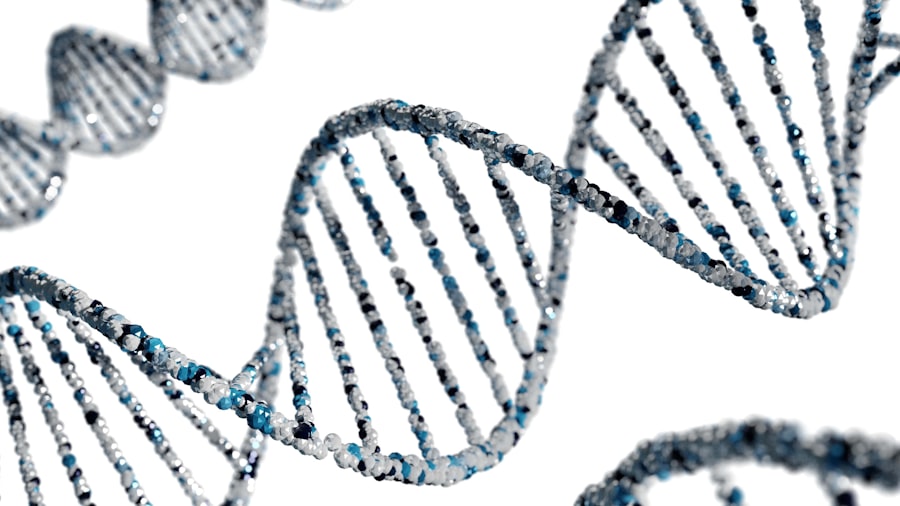
Risk-taking behavior is a critical aspect of decision making that can have far-reaching consequences in various domains, including finance, health, and social interactions. Genetic factors play a significant role in determining an individual’s propensity for risk-taking. Studies have identified specific genes associated with risk-related behaviors, such as the DRD4 gene, which is linked to novelty-seeking and impulsivity.
Individuals with certain variants of this gene may be more inclined to engage in risky activities, driven by a desire for excitement or reward. Moreover, the interplay between genetics and environmental influences cannot be overlooked. While genetic predispositions may set the stage for risk-taking tendencies, life experiences and social contexts can either amplify or mitigate these inclinations.
For example, an individual with a genetic predisposition for risk-taking may become more cautious if raised in a nurturing environment that emphasizes safety and responsibility. Conversely, exposure to high-risk environments may reinforce these genetic tendencies, leading to more pronounced risk-taking behaviors. This dynamic interaction highlights the complexity of decision making and underscores the need for a holistic understanding of both genetic and environmental factors.
The Influence of Genetics on Impulse Control
Impulse control is another critical component of decision making that is significantly influenced by genetic factors. Individuals with strong impulse control tend to make more measured decisions, weighing potential consequences before acting. In contrast, those with lower impulse control may act on whims or immediate desires, often leading to regrettable outcomes.
Research has indicated that genetic variations can affect brain structures and functions associated with impulse regulation, such as the prefrontal cortex. For instance, variations in genes related to serotonin transport have been linked to impulsive behaviors. Individuals with certain alleles may experience difficulties in regulating their impulses, leading to hasty decisions that prioritize short-term gratification over long-term benefits.
Understanding these genetic influences on impulse control can provide valuable insights into behavioral disorders characterized by impulsivity, such as attention-deficit/hyperactivity disorder (ADHD) or substance use disorders. By identifying individuals at risk due to their genetic makeup, targeted interventions can be developed to enhance impulse control and improve decision-making outcomes.
Genetic Predispositions and Ethical Decision Making
| Gene | Associated Decision-Making Trait | Effect on Behavior | Research Findings | Reference Study |
|---|---|---|---|---|
| DRD4 | Risk-taking | Variants linked to increased novelty seeking and risk-taking behavior | Individuals with the 7-repeat allele tend to make more adventurous decisions | Ebstein et al., 1996 |
| COMT | Executive function and impulse control | Val158Met polymorphism affects dopamine metabolism influencing decision-making speed and accuracy | Met allele carriers show better cognitive control and less impulsivity | Mier et al., 2010 |
| MAOA | Emotional regulation | Low-activity variants linked to increased emotional reactivity affecting social decisions | Associated with aggressive and impulsive decision patterns under stress | Caspi et al., 2002 |
| OXTR | Social decision-making | Variants influence empathy and trust in social interactions | Certain alleles correlate with higher prosocial behavior and cooperation | Feldman et al., 2012 |
| SLC6A4 | Emotional decision-making | Serotonin transporter gene variants affect mood and anxiety influencing choices | Short allele carriers may exhibit heightened sensitivity to negative feedback | Hariri et al., 2002 |
Ethical decision making is a complex process influenced by a variety of factors, including cultural norms, personal values, and cognitive reasoning. However, emerging research suggests that genetics may also play a role in shaping ethical considerations and moral judgments. Certain genetic variations have been associated with traits such as empathy and altruism, which can significantly influence how individuals approach ethical dilemmas.
For example, studies have shown that individuals with specific variants of the oxytocin receptor gene may exhibit heightened levels of empathy and prosocial behavior. This genetic predisposition could lead them to prioritize collective well-being over self-interest when faced with ethical decisions. Conversely, individuals lacking these genetic markers may approach ethical dilemmas from a more self-serving perspective.
The Impact of Genetic Variations on Decision Making in Different Cultures

Cultural context plays a crucial role in shaping decision-making processes, but genetic variations can also intersect with cultural influences to create unique behavioral patterns. Different cultures may emphasize distinct values and norms that guide decision making; however, individuals within those cultures may also possess genetic predispositions that affect their choices. For instance, collectivist cultures may prioritize group harmony and consensus in decision making, while individualistic cultures may emphasize personal autonomy and self-expression.
Research has indicated that certain genetic traits may interact with cultural values to influence decision-making styles. For example, individuals with a genetic predisposition for risk-taking may navigate cultural expectations differently depending on their environment. In collectivist societies, they might temper their risk-taking tendencies to align with group norms, while in individualistic societies, they may feel more liberated to pursue personal goals without regard for communal expectations.
This interplay between genetics and culture highlights the need for a nuanced understanding of decision making that considers both biological and sociocultural factors.
Genetic Influences on Addiction and Substance Abuse Decision Making
Addiction and substance abuse represent some of the most challenging areas where genetics intersect with decision making. Genetic predispositions can significantly influence an individual’s vulnerability to addiction and their subsequent choices regarding substance use. Research has identified specific genes associated with addiction-related behaviors, such as those involved in dopamine regulation and reward processing.
Individuals with certain genetic variants may experience heightened sensitivity to the rewarding effects of substances like alcohol or drugs, leading them to make decisions that prioritize immediate gratification over long-term health consequences. Furthermore, environmental factors such as peer pressure or stress can exacerbate these genetic tendencies, creating a cycle of poor decision making that perpetuates addiction. Understanding the genetic underpinnings of addiction can inform prevention strategies and treatment approaches tailored to individuals’ unique biological profiles.
Genetic Contributions to Prosocial Decision Making
Prosocial behavior—actions intended to benefit others—represents another area where genetics can influence decision making. Research has shown that certain genetic variations are associated with increased prosocial tendencies, such as altruism and cooperation. For instance, variations in the gene encoding for oxytocin receptors have been linked to enhanced social bonding and empathetic responses.
Individuals with these genetic predispositions may be more likely to engage in prosocial behaviors when faced with decisions that impact others’ well-being. This inclination towards altruism can manifest in various contexts, from charitable giving to community involvement. Understanding the genetic contributions to prosocial decision making not only sheds light on human altruism but also has implications for fostering cooperative behaviors within societies.
The Role of Genetics in Decision Making Disorders
Decision-making disorders encompass a range of conditions characterized by impaired judgment and poor choice-making abilities. Conditions such as obsessive-compulsive disorder (OCD), addiction disorders, and certain personality disorders often involve significant disruptions in decision-making processes. Genetic factors can play a crucial role in predisposing individuals to these disorders by influencing brain function and neurotransmitter systems.
For example, research has indicated that individuals with specific genetic markers related to serotonin regulation may be more susceptible to developing OCD or anxiety-related disorders that impair decision making.
Genetic Testing and Decision Making
The advent of genetic testing has opened new avenues for understanding individual differences in decision making. With advancements in technology allowing for more accessible genetic analysis, individuals can gain insights into their genetic predispositions related to various behaviors and traits. This information can empower individuals to make informed choices about their lives based on their unique biological profiles.
For instance, individuals who learn about their genetic predispositions toward impulsivity or addiction may choose to adopt preventive measures or seek support systems that align with their needs. However, ethical considerations surrounding genetic testing must also be addressed; concerns about privacy, discrimination, and the potential for stigmatization arise when discussing how genetic information is used in decision-making contexts.
Implications and Future Directions for Genetic Research on Decision Making
The exploration of genetics’ influence on decision making is still in its infancy but holds immense potential for future research endeavors. As scientists continue to unravel the complexities of human behavior through a genetic lens, new insights will emerge regarding how biological factors interact with environmental influences to shape choices across diverse contexts. Future research should focus on longitudinal studies that track individuals over time to better understand how genetic predispositions manifest in real-world decision-making scenarios.
Additionally, interdisciplinary approaches that integrate genetics with psychology, sociology, and neuroscience will provide a more comprehensive understanding of the multifaceted nature of decision making. In conclusion, the intersection of genetics and decision making presents a rich field for exploration that promises to enhance our understanding of human behavior profoundly. By acknowledging the role of genetics alongside environmental influences, researchers can develop more effective strategies for improving decision-making processes across various domains of life.
Research has shown that our genetic makeup can significantly influence our decision-making processes, shaping everything from our preferences to our risk tolerance. For a deeper understanding of this fascinating intersection between genetics and behavior, you can explore the article on this topic at