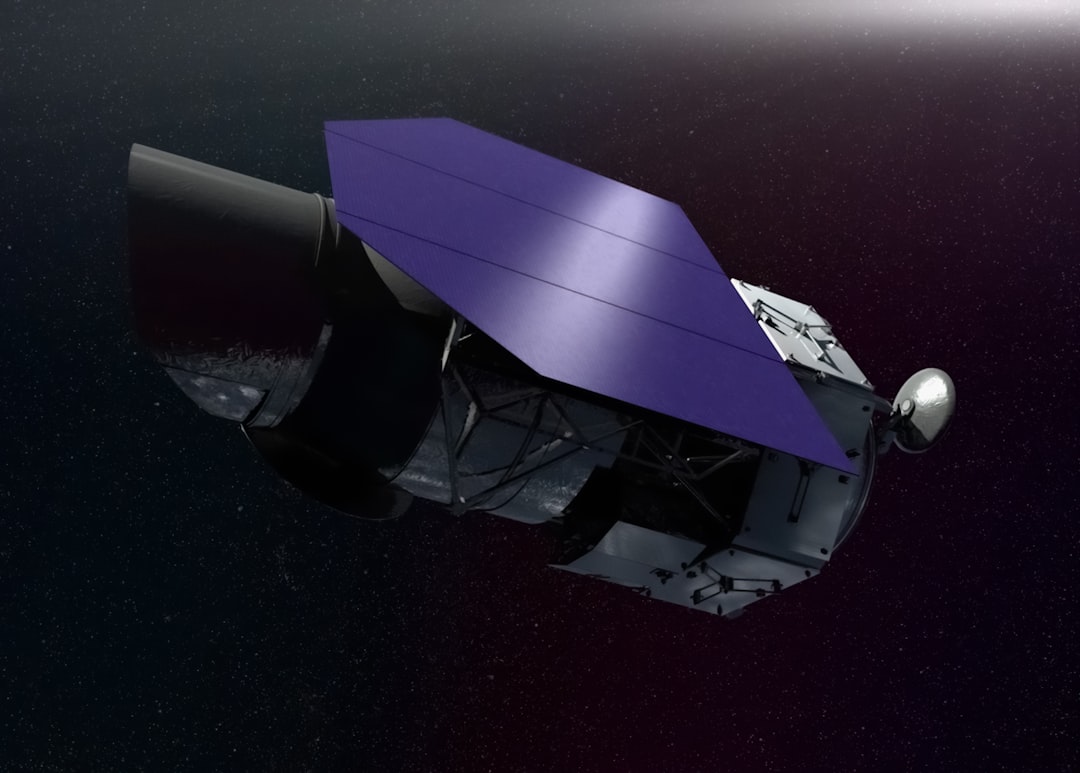
The Starlink satellite constellation, developed by SpaceX, represents a significant leap in the realm of satellite technology and global internet connectivity. Launched with the ambitious goal of providing high-speed internet access to underserved and remote areas, Starlink comprises thousands of small satellites orbiting the Earth in low Earth orbit (LEO). This innovative network is designed to deliver broadband services to users on the ground, utilizing advanced phased-array antennas and sophisticated ground stations.
The sheer scale of the Starlink project, with plans for thousands of satellites, has sparked both excitement and concern within the aerospace community and beyond. As of late 2023, Starlink has already deployed a substantial number of satellites, with plans for even more in the coming years. Each satellite is equipped with advanced technology that allows for efficient communication and data transfer.
The constellation operates in a unique manner, utilizing a mesh network that enables satellites to communicate with one another, thereby enhancing coverage and reducing latency. This revolutionary approach not only aims to bridge the digital divide but also raises questions about the implications of such a vast network in Earth’s orbit, particularly concerning space traffic management and the potential for satellite collisions.
Key Takeaways
- The Starlink Satellite Constellation is a growing network of satellites launched by SpaceX to provide global internet coverage.
- The increasing number of satellites in orbit has raised concerns about the risk of collisions and the potential impact on space assets.
- Satellite collisions could lead to the generation of space debris, which poses a threat to operational satellites and spacecraft.
- Efforts to mitigate satellite collision risk include improved tracking and monitoring systems, as well as collision avoidance maneuvers.
- International cooperation and regulatory measures are essential for effective space traffic management and the protection of space assets.
The Growing Concern of Satellite Collision Risk
As the number of satellites in orbit continues to rise, so too does the concern regarding the risk of collisions in space. The increasing density of objects in low Earth orbit has led to a heightened awareness of the potential dangers posed by satellite interactions.
The consequences of such collisions can be catastrophic, resulting in the creation of space debris that poses further risks to operational satellites and future missions. The growing concern over collision risk is underscored by several near-miss incidents that have occurred in recent years. These events have highlighted the vulnerabilities inherent in space operations, where even small pieces of debris can cause significant damage to functioning satellites.
As more entities enter the space arena, including private companies and international organizations, the need for effective collision risk assessment and management strategies has never been more critical. The challenge lies not only in preventing collisions but also in ensuring that existing satellites can operate safely amidst an increasingly crowded orbital environment.
Potential Impacts of Satellite Collisions

The potential impacts of satellite collisions extend far beyond immediate physical damage to spacecraft. When two satellites collide, they can create thousands of fragments that become space debris, posing a long-term threat to other operational satellites and future missions. This debris can travel at incredibly high speeds, making even tiny pieces capable of causing catastrophic damage upon impact.
The proliferation of space debris not only endangers current assets but also complicates future launches and missions, as operators must navigate an increasingly hazardous environment. Moreover, satellite collisions can disrupt critical services that rely on satellite technology. Communication networks, weather forecasting systems, and global positioning services are all vulnerable to interruptions caused by collisions.
The economic implications are significant; disruptions in satellite services can lead to financial losses for companies and governments alike. Additionally, the environmental impact of increased space debris raises concerns about the sustainability of space activities. As humanity continues to explore and utilize outer space, understanding and mitigating these potential impacts becomes essential for ensuring the long-term viability of space operations.
Current Efforts to Mitigate Satellite Collision Risk
| Organization | Efforts | Impact |
|---|---|---|
| SpaceX | Active monitoring and maneuvering of satellites | Reduced collision risk |
| NASA | Development of collision avoidance algorithms | Improved satellite safety |
| European Space Agency | Coordination with other space agencies for collision avoidance | Enhanced space traffic management |
In response to the growing threat of satellite collisions, various stakeholders are actively working to develop strategies and technologies aimed at mitigating this risk. One key approach involves improving tracking systems that monitor the positions of satellites and debris in real-time. Organizations such as the United States Space Surveillance Network (SSN) play a crucial role in tracking objects in orbit and providing data to satellite operators.
By sharing this information, operators can make informed decisions about potential collision risks and take necessary actions to avoid them. Another significant effort involves the development of collision avoidance protocols. Satellite operators are increasingly adopting automated systems that can predict potential collisions and execute maneuvers to avoid them.
These systems rely on advanced algorithms that analyze data from tracking networks to determine when a satellite is at risk of colliding with another object. By implementing these proactive measures, operators can significantly reduce the likelihood of collisions and enhance the overall safety of space operations.
Regulatory Measures for Space Traffic Management
As the number of satellites in orbit continues to grow, regulatory measures for space traffic management have become increasingly important. Governments and international organizations are recognizing the need for comprehensive frameworks that govern satellite operations and ensure safe practices in space. These regulations aim to establish guidelines for satellite design, launch procedures, and end-of-life disposal to minimize the creation of space debris.
International cooperation is essential in developing these regulatory measures, as space is a shared domain that transcends national boundaries. Organizations such as the United Nations Office for Outer Space Affairs (UNOOSA) are working towards creating global standards for space traffic management. By fostering collaboration among nations and private entities, these efforts aim to create a safer environment for all space activities while promoting sustainable practices that protect Earth’s orbital environment.
The Role of Space Agencies in Protecting Space Assets
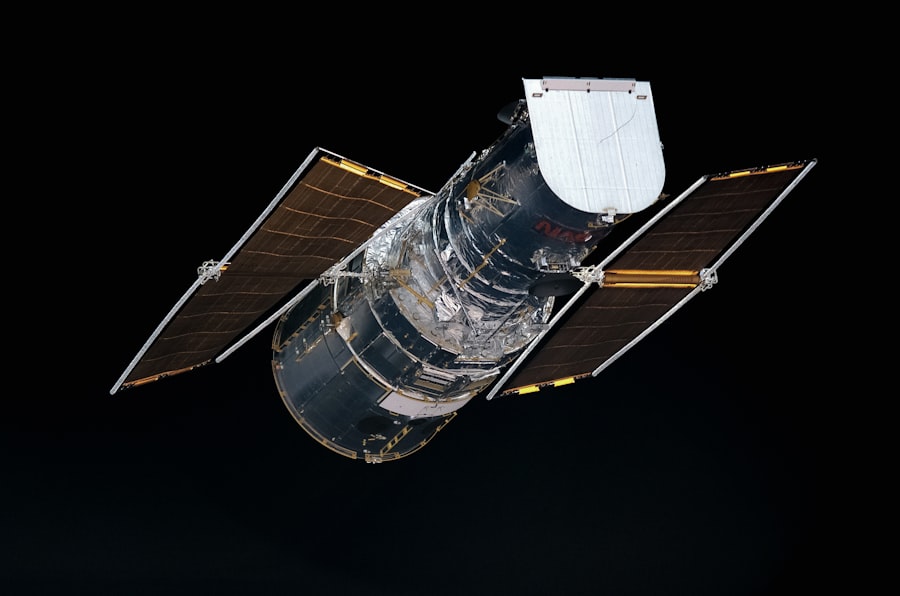
Space agencies play a pivotal role in protecting space assets from collision risks and ensuring the sustainability of outer space activities. Agencies such as NASA, ESA (European Space Agency), and others are at the forefront of research and development efforts aimed at improving space situational awareness. They invest in advanced technologies that enhance tracking capabilities and develop strategies for debris mitigation.
In addition to their research efforts, space agencies often collaborate with commercial satellite operators to share data and best practices for collision avoidance. By fostering partnerships between public and private sectors, these agencies can leverage resources and expertise to address common challenges in space safety. Furthermore, they advocate for international agreements that promote responsible behavior in space, emphasizing the importance of preserving the orbital environment for future generations.
Advancements in Collision Avoidance Technology
Recent advancements in collision avoidance technology have significantly improved the ability of satellite operators to prevent potential collisions. One notable development is the use of artificial intelligence (AI) and machine learning algorithms to analyze vast amounts of tracking data. These technologies enable operators to predict collision probabilities with greater accuracy and respond more effectively to emerging threats.
Additionally, innovations in propulsion systems have enhanced maneuverability for satellites, allowing them to execute avoidance maneuvers more efficiently. These advancements not only reduce the risk of collisions but also contribute to extending the operational lifespan of satellites by minimizing wear and tear on their systems during evasive actions. As technology continues to evolve, it is expected that collision avoidance capabilities will become even more sophisticated, further enhancing safety in an increasingly crowded orbital environment.
Collaborative Efforts Among Satellite Operators
Collaboration among satellite operators is crucial for addressing the challenges posed by increased congestion in space. Recognizing that they share a common interest in maintaining a safe operating environment, many companies are forming alliances to share data on satellite positions and potential collision risks. Initiatives such as the Space Data Association (SDA) facilitate information exchange among operators, enabling them to coordinate maneuvers and avoid potential conflicts.
These collaborative efforts extend beyond data sharing; they also involve joint research initiatives aimed at developing best practices for collision avoidance and debris mitigation. By pooling resources and expertise, satellite operators can enhance their collective ability to manage risks associated with their operations. This spirit of cooperation is essential for fostering a culture of safety within the industry and ensuring that all stakeholders are committed to responsible practices in outer space.
The Importance of International Cooperation in Space Safety
International cooperation is paramount in addressing the complexities of space safety and collision risk management. As more countries engage in space activities, establishing a unified approach becomes increasingly critical. Collaborative frameworks allow nations to share knowledge, resources, and technologies that enhance global efforts toward safe space operations.
Organizations such as the Inter-Agency Space Debris Coordination Committee (IADC) play a vital role in promoting international dialogue on space debris mitigation strategies. By bringing together representatives from various countries and organizations, these forums facilitate discussions on best practices and encourage adherence to established guidelines. Ultimately, fostering a culture of cooperation among nations will be essential for ensuring long-term sustainability in outer space.
Future Challenges and Opportunities in Space Asset Protection
Looking ahead, several challenges loom on the horizon regarding space asset protection. The rapid expansion of satellite constellations poses significant risks as more entities enter the market. Additionally, technological advancements must keep pace with this growth to ensure effective monitoring and management of orbital traffic.
As new players emerge in the aerospace sector, maintaining safety standards will require ongoing vigilance and adaptation. However, these challenges also present opportunities for innovation within the industry. The demand for advanced tracking systems, collision avoidance technologies, and sustainable practices will drive research and development efforts.
Companies that invest in cutting-edge solutions will not only enhance their operational safety but also position themselves as leaders in an evolving market focused on responsible space exploration.
The Need for Continued Innovation and Investment in Space Safety
To navigate the complexities of an increasingly crowded orbital environment, continued innovation and investment in space safety are imperative. Stakeholders must prioritize research into new technologies that enhance tracking capabilities, improve collision avoidance systems, and develop effective debris mitigation strategies. This commitment will require collaboration among governments, private companies, and international organizations.
Moreover, fostering a culture of safety within the aerospace industry is essential for ensuring responsible practices among all operators. By promoting awareness of collision risks and encouraging adherence to best practices, stakeholders can work together to protect valuable space assets while paving the way for sustainable exploration beyond Earth’s atmosphere. As humanity continues its journey into outer space, prioritizing safety will be crucial for preserving this shared frontier for future generations.
In recent years, the proliferation of satellites in low Earth orbit has raised concerns about potential collisions, particularly with the increasing number of Starlink satellites launched by SpaceX. These concerns are not unfounded, as the risk of collision could lead to significant space debris, posing threats to other satellites and space missions. An insightful article discussing the implications of satellite congestion and collision risks can be found on My Cosmic Ventures. For more detailed information, you can read the related article on their website by following this