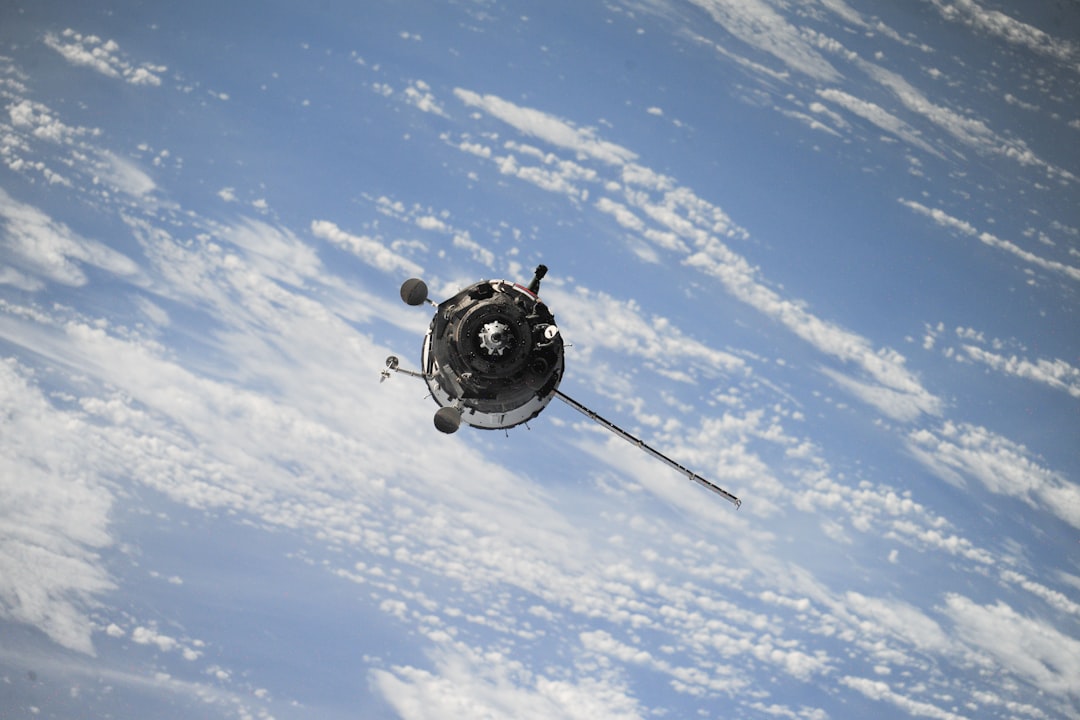
In recent years, the proliferation of space debris has emerged as a significant concern for both space agencies and private enterprises involved in satellite operations. As humanity’s presence in space expands, so too does the accumulation of defunct satellites, spent rocket stages, and fragments from collisions. The increasing density of this debris poses a growing threat to operational satellites and the infrastructure that relies on them.
With thousands of pieces of debris orbiting Earth, the risk of collision has escalated, leading to potential catastrophic failures in satellite systems that are crucial for communication, navigation, and weather forecasting. The situation is exacerbated by the fact that many of these debris fragments travel at incredibly high velocities, making even small pieces capable of causing substantial damage upon impact. The potential for a cascading effect, known as the Kessler Syndrome, looms large; this scenario envisions a future where collisions generate even more debris, further complicating the already precarious environment of low Earth orbit.
As the number of active satellites continues to rise, the urgency to address the issue of space debris becomes increasingly critical.
Key Takeaways
- Space debris poses a growing threat to satellite technology and power grids.
- Space debris can impact power grids, leading to potential consequences such as blackouts and economic costs.
- Current efforts to monitor and mitigate space debris are crucial for protecting power grids and satellite technology.
- Satellite technology plays a key role in power grid management and resilience against space debris threats.
- International collaboration is essential for addressing space debris and improving tracking and prediction systems.
The Impact of Space Debris on Power Grids
The implications of space debris extend beyond the immediate threat to satellites; they also pose significant risks to terrestrial power grids. Many power grid systems rely on satellite technology for various functions, including monitoring energy consumption, managing distribution networks, and ensuring grid stability. When space debris collides with operational satellites, it can disrupt these essential services, leading to outages or degraded performance in power delivery systems.
Moreover, the impact of space debris on satellites can have a cascading effect on power grids. For instance, if a satellite responsible for weather forecasting is damaged or destroyed, it could lead to inaccurate predictions about severe weather events. This lack of reliable data can hinder grid operators’ ability to prepare for and respond to extreme weather conditions, potentially resulting in widespread power outages.
The interconnectedness of satellite technology and power grid management underscores the need for vigilance in monitoring and mitigating the risks posed by space debris.
The Potential Consequences of a Power Grid Failure
A failure in the power grid can have dire consequences for society at large. When power outages occur, they can disrupt essential services such as hospitals, emergency response systems, and communication networks.
The ramifications can be particularly severe during extreme weather events or natural disasters when reliable power is crucial for effective response and recovery efforts. Furthermore, prolonged power outages can lead to cascading failures across various sectors. For example, if a power grid failure affects water treatment facilities, it could compromise access to clean drinking water.
Similarly, disruptions in transportation systems can hinder the movement of goods and people, exacerbating the initial crisis. The interconnected nature of modern infrastructure means that a single point of failure can trigger a domino effect, highlighting the importance of maintaining robust and resilient power grid systems in the face of potential threats like space debris.
Current Efforts to Monitor and Mitigate Space Debris
| Organization | Efforts | Metrics |
|---|---|---|
| NASA | Space Debris Tracking | Number of tracked debris objects |
| ESA | Active Debris Removal | Number of debris removed |
| SpaceX | Debris Avoidance Maneuvers | Number of successful maneuvers |
Recognizing the growing threat posed by space debris, various organizations and agencies have initiated efforts to monitor and mitigate its impact. Space agencies such as NASA and ESA (European Space Agency) have developed sophisticated tracking systems to catalog debris and predict potential collisions with operational satellites. These systems utilize ground-based radar and telescopes to track objects in orbit, providing valuable data that can inform collision avoidance maneuvers for satellites.
In addition to tracking efforts, there are ongoing discussions about developing technologies to actively remove space debris from orbit. Concepts such as robotic arms, nets, and harpoons have been proposed as potential solutions to capture and deorbit defunct satellites and larger debris fragments. While these technologies are still in the experimental stages, they represent a proactive approach to addressing the issue rather than merely reacting to its consequences.
The Role of Satellite Technology in Power Grid Management
Satellite technology plays a pivotal role in modern power grid management by providing critical data that enhances operational efficiency and reliability. Satellites equipped with remote sensing capabilities can monitor environmental conditions that affect energy production, such as solar irradiance for solar farms or wind patterns for wind turbines. This data allows grid operators to optimize energy generation and distribution based on real-time conditions.
Moreover, satellite communications facilitate seamless coordination among various components of the power grid. From smart meters that provide consumers with real-time energy usage data to advanced grid management systems that balance supply and demand, satellite technology is integral to ensuring a stable and efficient power supply. However, as previously mentioned, the vulnerability of these satellite systems to space debris underscores the need for robust protective measures to safeguard both satellite operations and the power grids they support.
The Importance of International Collaboration in Addressing Space Debris

Addressing the challenge of space debris requires a concerted effort from nations around the globe. The international nature of space activities means that debris generated by one country can impact satellites operated by another. As such, collaboration among countries is essential for developing effective policies and strategies to mitigate space debris risks.
International forums like the United Nations Office for Outer Space Affairs (UNOOSA) provide platforms for dialogue and cooperation on space sustainability issues. Furthermore, sharing data on space debris tracking and collision predictions can enhance global situational awareness and improve response strategies. By working together, countries can establish best practices for satellite design and end-of-life disposal methods that minimize the creation of new debris.
Collaborative efforts not only foster a sense of shared responsibility but also promote innovation in developing technologies aimed at debris removal and prevention.
The Need for Improved Space Debris Tracking and Prediction Systems
As the number of satellites in orbit continues to grow, there is an urgent need for improved tracking and prediction systems for space debris. Current tracking capabilities are often limited by factors such as atmospheric conditions and the size of debris being monitored. Enhancing these systems would enable more accurate predictions of potential collisions and allow satellite operators to take timely action to avoid them.
Advancements in technology could play a crucial role in improving tracking capabilities. For instance, deploying more ground-based radar systems or utilizing advanced sensors on satellites could enhance detection rates for smaller debris fragments that currently go untracked.
The Economic Costs of Space Debris Damage to Power Grids
The economic implications of space debris damage extend far beyond immediate repair costs for affected satellites; they also encompass broader impacts on industries reliant on satellite technology. A single collision event can result in significant financial losses due to disrupted services, decreased productivity, and potential liability claims from affected parties. For power grid operators, these costs can be particularly pronounced given their critical role in maintaining societal functions.
Moreover, the economic burden associated with space debris is likely to grow as more countries invest in satellite technology and launch new missions into orbit. As competition increases among commercial satellite operators, the stakes become higher regarding potential collisions and their associated costs. This reality underscores the importance of investing in preventive measures and technologies aimed at reducing the risks posed by space debris.
Strategies for Protecting Power Grids from Space Debris
To safeguard power grids from the threats posed by space debris, several strategies can be implemented at both national and international levels. One approach involves enhancing satellite design standards to ensure that defunct satellites are deorbited safely at the end of their operational lives. This could include incorporating propulsion systems that allow satellites to maneuver into lower orbits where they will eventually burn up upon re-entry into Earth’s atmosphere.
Additionally, developing robust contingency plans for power grid operators can help mitigate the impacts of potential satellite failures due to debris collisions. These plans could involve establishing backup communication systems or alternative energy sources that can be activated during outages caused by satellite disruptions. By proactively preparing for potential scenarios involving space debris, grid operators can enhance their resilience against unforeseen challenges.
The Role of Government and Industry in Space Debris Management
Both government entities and private industry play crucial roles in managing space debris effectively. Governments are responsible for establishing regulatory frameworks that govern satellite launches and operations while promoting best practices for debris mitigation among commercial operators. By setting clear guidelines and standards, governments can encourage responsible behavior in space activities that minimize the creation of new debris.
On the other hand, private companies involved in satellite manufacturing and launch services must prioritize sustainability in their operations. This includes investing in technologies that enhance satellite longevity and reduce end-of-life risks associated with defunct satellites. Collaboration between government agencies and industry stakeholders is essential for fostering innovation in debris mitigation strategies while ensuring compliance with established regulations.
The Future of Space Debris Threats and Power Grid Resilience
As humanity continues to explore outer space and expand its technological capabilities, the threat posed by space debris is likely to evolve alongside these advancements. With an increasing number of satellites being launched each year—both governmental and commercial—the potential for collisions will remain a pressing concern. However, proactive measures taken today can help build resilience within power grids against these threats.
Looking ahead, advancements in tracking technologies, international collaboration efforts, and innovative solutions for debris removal will be critical components in addressing the challenges posed by space debris. By prioritizing research and development in these areas, stakeholders can work towards creating a safer orbital environment that protects not only satellites but also the vital infrastructure they support on Earth—particularly power grids that underpin modern society’s functioning. In conclusion, while the growing threat of space debris presents significant challenges for power grids and other critical infrastructure systems, concerted efforts from governments, industries, and international organizations can pave the way toward effective solutions.
By embracing innovation and collaboration, stakeholders can enhance resilience against potential disruptions caused by space debris while ensuring continued progress in harnessing the benefits of satellite technology for future generations.
Space debris poses a significant threat not only to satellites and space missions but also to terrestrial infrastructure, such as power grids. As the number of defunct satellites and fragments in orbit increases, the risk of collisions that could lead to cascading failures grows. These collisions can generate electromagnetic pulses that might disrupt power grids on Earth, leading to widespread outages. For more insights into the implications of space debris on power grid stability, you can read a related article on this topic by visiting My Cosmic Ventures.
🌌 WATCH THIS! The Billion-Dollar Satellite That Will Trap Humanity on Earth
FAQs
What is space debris?
Space debris, also known as space junk, refers to defunct human-made objects in space, including old satellites, spent rocket stages, and fragments from disintegration, erosion, and collisions.
How does space debris pose a threat to the power grid?
Space debris can pose a threat to the power grid by potentially causing damage to satellites that are essential for communication and navigation systems. If a satellite is damaged or destroyed by space debris, it can disrupt the power grid by interrupting the transmission of critical data and signals.
Can space debris cause power grid failure?
Yes, space debris can cause power grid failure by damaging or destroying satellites that are crucial for the functioning of the power grid. If a satellite is disabled by space debris, it can lead to disruptions in communication, navigation, and other essential services that rely on satellite technology.
What measures are being taken to mitigate the impact of space debris on the power grid?
Efforts are being made to track and monitor space debris to better understand its movements and potential threats to satellites. Additionally, technologies are being developed to remove and mitigate the impact of space debris, such as active debris removal missions and satellite shielding.
What are the potential consequences of a power grid failure caused by space debris?
A power grid failure caused by space debris can have severe consequences, including disruptions to communication systems, navigation services, and other critical infrastructure that rely on satellite technology. This can lead to widespread outages, economic losses, and potential safety hazards.