
In today’s fast-paced digital landscape, continuity simulation has become a fundamental component for organizations seeking to maintain operational resilience. Continuity simulation is not simply a precautionary measure but an essential strategy ensuring businesses can withstand disruptions from natural disasters, cyberattacks, or system failures. Through continuity simulation, organizations can identify vulnerabilities within their processes and systems, enabling proactive remediation.
This foresight protects assets while enhancing organizational reputation and trustworthiness among clients and stakeholders. Continuity simulation provides a structured framework for testing response strategies in realistic scenarios. This practice allows organizations to evaluate the effectiveness of disaster recovery plans and business continuity strategies.
Running simulations reveals gaps in response protocols, enabling refinement and improvement. This iterative process cultivates a preparedness culture within organizations, ensuring teams can respond efficiently and effectively during actual crises. The importance of continuity simulation is significant as it represents a proactive approach to safeguarding an organization’s operational future.
Key Takeaways
- Simulating continuity is crucial to ensure uninterrupted operations and data integrity.
- Identifying risks helps prevent copy corruption and data loss.
- Reliable backup and restoration processes are essential for quick recovery.
- Regular data validation and integrity checks maintain copy accuracy.
- Training staff and leveraging technology enhance effective continuity simulation.
Identifying Potential Risks to Copy Integrity
As you delve into the realm of continuity simulation, one of the first steps is identifying potential risks to copy integrity. Copy integrity refers to the accuracy and consistency of data copies across various systems and platforms. You may realize that without a thorough understanding of the risks involved, your organization could face significant challenges in maintaining data fidelity.
Common threats include hardware failures, software bugs, human errors, and malicious attacks. Each of these risks can compromise the integrity of your data copies, leading to severe repercussions for your operations. To effectively identify these risks, you should conduct a comprehensive risk assessment that evaluates both internal and external factors.
This assessment may involve analyzing your current data management practices, reviewing historical incidents, and consulting with stakeholders across different departments. By engaging in this process, you can gain valuable insights into potential vulnerabilities that may not be immediately apparent. Additionally, it is crucial to stay informed about emerging threats in the cybersecurity landscape, as new risks can arise rapidly.
By being proactive in identifying potential risks to copy integrity, you position your organization to implement effective mitigation strategies.
Implementing Reliable Backup and Restoration Processes

Once you have identified potential risks to copy integrity, the next step is to implement reliable backup and restoration processes. You may find that having a robust backup strategy is essential for ensuring that your data remains intact and accessible in the event of a disruption. This involves not only creating regular backups but also ensuring that these backups are stored securely and are easily retrievable when needed.
You might consider employing a combination of on-site and off-site storage solutions to enhance redundancy and protect against data loss. In addition to establishing a reliable backup system, it is equally important to develop a clear restoration process. You should outline the steps necessary to restore data from backups efficiently and effectively.
This may involve creating detailed documentation that guides your team through the restoration process, ensuring that everyone understands their roles and responsibilities during a crisis. Regularly testing these backup and restoration processes is also vital; by conducting drills, you can identify any weaknesses in your procedures and make necessary adjustments. Ultimately, implementing reliable backup and restoration processes is a critical component of maintaining copy integrity and ensuring business continuity.
Utilizing Data Validation and Integrity Checks
To further safeguard copy integrity, you should incorporate data validation and integrity checks into your continuity simulation practices. Data validation involves verifying that the data being copied is accurate and complete before it is stored or processed. You may find that implementing automated validation tools can significantly enhance this process by reducing the likelihood of human error.
These tools can check for discrepancies or anomalies in the data, alerting you to potential issues before they escalate into more significant problems. Integrity checks serve as an additional layer of protection by ensuring that data remains unchanged during storage or transmission. You might consider employing hashing algorithms or checksums to verify that copies of your data match the original versions.
By regularly performing these checks, you can quickly identify any corruption or unauthorized alterations to your data copies. This proactive approach not only helps maintain copy integrity but also fosters a culture of accountability within your organization. When everyone understands the importance of data validation and integrity checks, you create an environment where data accuracy is prioritized.
Monitoring and Auditing Copy Integrity
| Metric | Description | Value | Unit | Notes |
|---|---|---|---|---|
| Number of Simulation Copies | Total copies of the simulation run concurrently | 10 | copies | Ensures redundancy and load balancing |
| Continuity Rate | Percentage of simulation copies running without interruption | 98.5 | % | High continuity indicates stable simulation environment |
| Average Downtime per Copy | Mean downtime experienced by each simulation copy | 2 | minutes/day | Lower values preferred for better continuity |
| Synchronization Delay | Time lag between simulation copies updating state | 150 | milliseconds | Critical for real-time simulation accuracy |
| Error Rate | Frequency of errors encountered per simulation copy | 0.02 | errors/hour | Monitored to maintain simulation integrity |
| Recovery Time | Time taken to restore a failed simulation copy | 5 | minutes | Important for minimizing disruption |
Monitoring and auditing copy integrity is another crucial aspect of continuity simulation that you should prioritize. Continuous monitoring allows you to track changes in your data copies in real-time, enabling you to detect any irregularities as they occur. You may find that implementing monitoring tools can provide valuable insights into your data management practices, helping you identify trends or patterns that could indicate potential issues.
You might consider developing an audit schedule that outlines when and how audits will be conducted, as well as who will be responsible for carrying them out. By regularly auditing your copy integrity processes, you can identify areas for improvement and ensure that your organization remains aligned with industry standards.
This commitment to monitoring and auditing not only enhances copy integrity but also reinforces your organization’s dedication to maintaining high-quality data management practices.
Training and Educating Staff on Continuity Simulation Best Practices
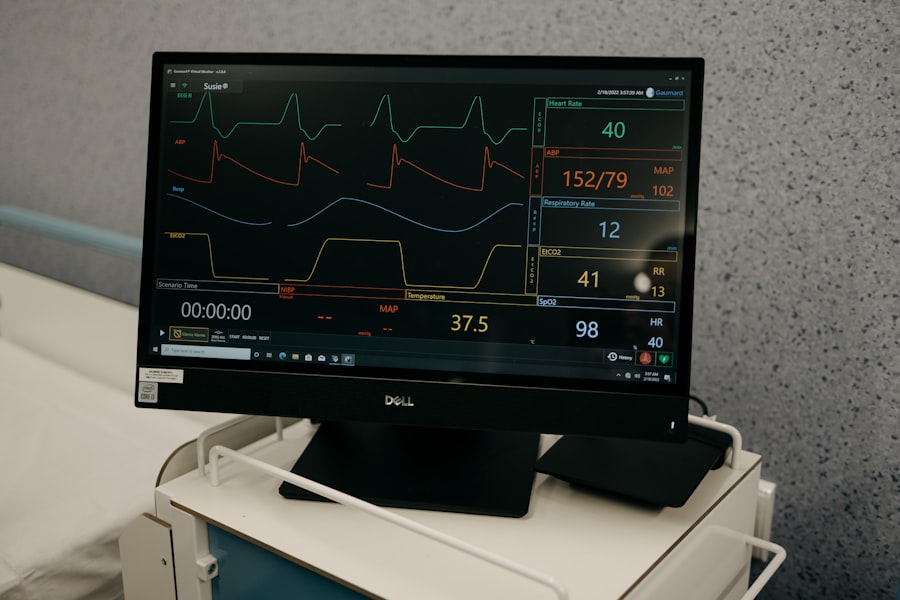
An often-overlooked aspect of continuity simulation is the importance of training and educating staff on best practices. You may recognize that even the most sophisticated systems and processes can falter if employees are not adequately trained to use them effectively. By investing in comprehensive training programs, you empower your team with the knowledge and skills necessary to navigate continuity challenges confidently.
Consider developing training modules that cover various aspects of continuity simulation, including risk identification, backup procedures, data validation techniques, and monitoring practices. You might also encourage cross-departmental collaboration during training sessions to foster a culture of shared responsibility for copy integrity. Regular refresher courses can help keep staff informed about new developments in technology or industry standards, ensuring that everyone remains up-to-date on best practices.
Ultimately, by prioritizing staff training and education, you create a workforce that is well-equipped to handle continuity challenges effectively.
Leveraging Technology for Seamless Continuity Simulation
In an era where technology plays a pivotal role in business operations, leveraging advanced tools for seamless continuity simulation is essential. You may find that adopting cloud-based solutions can enhance your organization’s ability to simulate continuity effectively. These platforms often offer robust backup options, real-time monitoring capabilities, and automated reporting features that streamline the continuity simulation process.
These technologies can analyze vast amounts of data quickly, identifying patterns or anomalies that may indicate potential risks to copy integrity. By integrating these advanced technologies into your continuity simulation practices, you position your organization to respond more effectively to disruptions while minimizing downtime.
Adhering to Industry Standards and Compliance Requirements
Finally, adhering to industry standards and compliance requirements is paramount when it comes to continuity simulation and maintaining copy integrity. You may recognize that various industries have established guidelines designed to protect sensitive data and ensure operational resilience. Familiarizing yourself with these standards is crucial for ensuring that your organization remains compliant while also safeguarding its reputation.
Consider conducting regular assessments to evaluate your organization’s compliance with relevant regulations such as GDPR, HIPAA, or PCI DSS. By staying informed about changes in these regulations, you can proactively adjust your continuity simulation practices accordingly. Additionally, engaging with industry associations or attending conferences can provide valuable insights into best practices and emerging trends in continuity simulation.
Ultimately, by prioritizing adherence to industry standards and compliance requirements, you reinforce your organization’s commitment to maintaining high levels of copy integrity while fostering trust among clients and stakeholders alike. In conclusion, simulating continuity is an essential practice for organizations seeking to maintain operational resilience in an increasingly complex digital landscape. By understanding its importance, identifying potential risks, implementing reliable processes, utilizing technology effectively, training staff adequately, and adhering to industry standards, you can create a robust framework for safeguarding copy integrity.
As you navigate this journey, remember that continuous improvement is key; regularly reassessing your practices will ensure that your organization remains prepared for whatever challenges lie ahead.
In exploring the concept of simulation copies and their implications for continuity, it’s insightful to consider the related article on the topic available at this link. This article delves into the philosophical and practical aspects of how simulations can create multiple realities while maintaining a coherent narrative thread, offering a deeper understanding of the complexities involved in simulated environments.
WATCH THIS! 🚨 You Can’t Cheat Death (Quantum Immortality Debunked)
FAQs
What is simulation copies continuity?
Simulation copies continuity refers to the process of ensuring that replicated or simulated versions of a system, model, or process maintain consistent behavior and outcomes over time. It is important in fields like computer science, engineering, and manufacturing to verify that copies accurately reflect the original.
Why is continuity important in simulation copies?
Continuity ensures that the simulated copies behave predictably and reliably, preserving the integrity of the original system’s performance. This is crucial for testing, validation, and decision-making based on simulation results.
How is continuity maintained in simulation copies?
Continuity is maintained by using consistent parameters, algorithms, and initial conditions across simulations. Additionally, rigorous validation and verification processes are applied to detect and correct any deviations.
What are common applications of simulation copies continuity?
Applications include software testing, digital twins in manufacturing, system design validation, and scientific research where multiple simulation runs are needed to predict outcomes under varying conditions.
What challenges are associated with simulation copies continuity?
Challenges include managing computational errors, ensuring identical initial conditions, handling stochastic elements, and maintaining synchronization between copies, especially in complex or large-scale simulations.
Can simulation copies continuity be automated?
Yes, automation tools and frameworks exist to help manage and monitor continuity in simulation copies, enabling consistent replication and easier detection of discrepancies.
What role does simulation copies continuity play in quality assurance?
It helps verify that simulations produce consistent and accurate results, which is essential for quality assurance in product development, system design, and process optimization.
Is simulation copies continuity relevant to all types of simulations?
While it is most critical in deterministic and high-fidelity simulations, continuity is also important in stochastic simulations to ensure reproducibility and reliability of results.