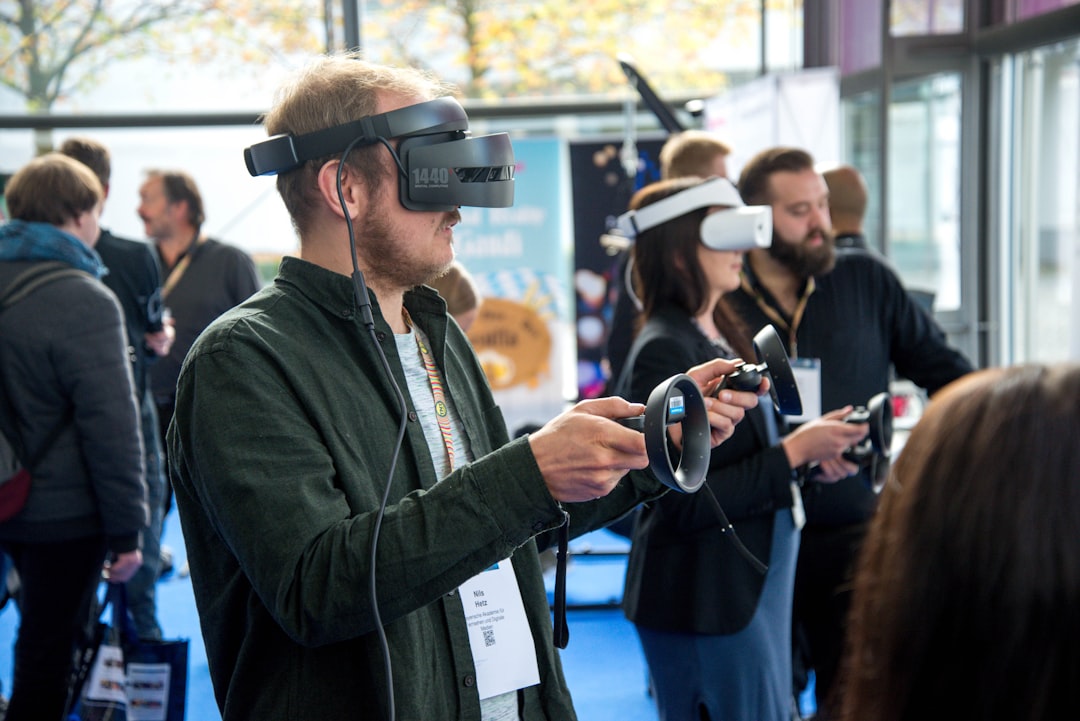
The journey of virtual reality (VR) technology has been a fascinating one, marked by significant milestones that have shaped its current state. Initially conceptualized in the 1960s, VR was primarily a theoretical construct, with early experiments focusing on creating immersive environments through rudimentary computer graphics. The invention of the Sensorama by Morton Heilig in 1962, which combined visuals, sound, and even scent to create a multi-sensory experience, laid the groundwork for future developments.
However, it wasn’t until the 1980s that VR began to gain traction as a viable technology, with the introduction of head-mounted displays and motion tracking systems. These innovations sparked interest in various fields, from gaming to military training, as they offered a glimpse into the potential of fully immersive experiences. As technology advanced, so did the capabilities of VR systems.
The 1990s saw the emergence of more sophisticated hardware and software, but the high costs and limited accessibility hindered widespread adoption. It wasn’t until the 2010s that VR truly began to flourish, thanks to the advent of affordable consumer-grade headsets like the Oculus Rift and HTC Vive. These devices brought high-quality graphics and responsive tracking to the masses, allowing users to explore virtual worlds in ways that were previously unimaginable.
The evolution of VR technology has been characterized by a continuous cycle of innovation, with each generation of devices pushing the boundaries of what is possible and expanding the horizons of user experience.
Key Takeaways
- Virtual reality technology has rapidly evolved, transforming multiple industries through immersive experiences.
- Artificial intelligence plays a crucial role in enhancing the realism and interactivity of virtual environments.
- VR holds significant potential for revolutionizing education and training by providing hands-on, risk-free learning.
- Ethical considerations and psychological impacts are critical factors in the development and deployment of advanced VR.
- The future of VR involves integration with other technologies, focusing on user experience and addressing economic and social challenges.
The Impact of Advanced Virtual Technology on Various Industries
The influence of advanced virtual technology extends far beyond entertainment; it has permeated numerous industries, revolutionizing practices and enhancing productivity. In healthcare, for instance, VR is being utilized for surgical training and patient rehabilitation. Medical professionals can practice complex procedures in a risk-free environment, honing their skills before operating on real patients.
Additionally, VR has proven effective in treating phobias and PTSD by immersing patients in controlled environments where they can confront their fears gradually. This innovative approach not only improves therapeutic outcomes but also enhances the overall quality of care. In the realm of architecture and real estate, virtual reality has transformed how projects are designed and marketed.
Architects can create immersive walkthroughs of buildings before they are constructed, allowing clients to visualize spaces and make informed decisions. This capability not only streamlines the design process but also fosters collaboration among stakeholders. Similarly, real estate agents leverage VR to offer virtual tours of properties, enabling potential buyers to explore homes from the comfort of their own living rooms.
The Role of Artificial Intelligence in Advancing Virtual Reality
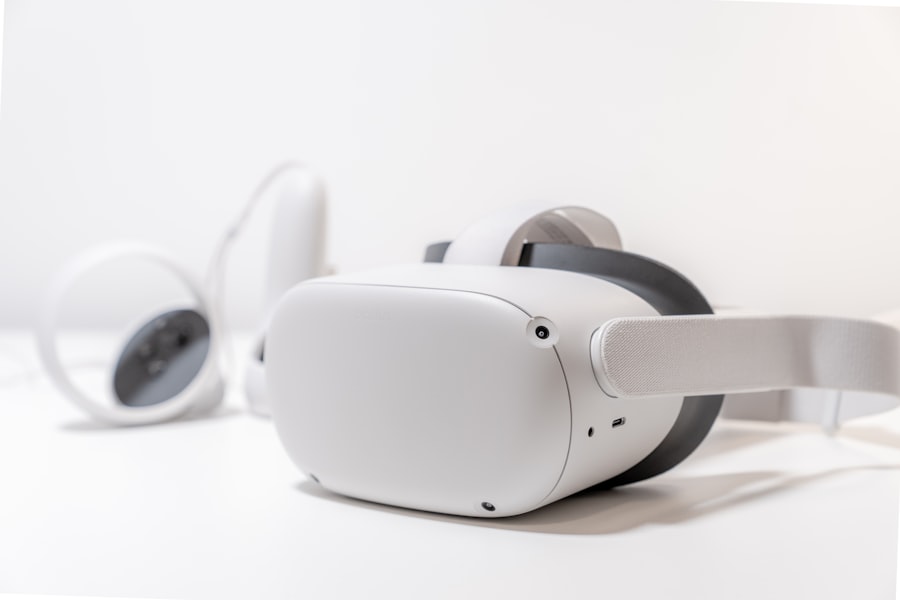
Artificial intelligence (AI) plays a pivotal role in the advancement of virtual reality technology, enhancing its capabilities and creating more immersive experiences. By integrating AI algorithms into VR systems, developers can create dynamic environments that respond intelligently to user actions. For example, AI can be employed to generate realistic non-player characters (NPCs) that adapt their behavior based on user interactions, making virtual worlds feel more alive and engaging.
This level of interactivity elevates the overall experience, drawing users deeper into the narrative and encouraging exploration. Moreover, AI can analyze user data to personalize experiences in real-time. By understanding individual preferences and behaviors, AI-driven VR applications can tailor content to suit each user’s unique needs.
This personalization not only enhances user satisfaction but also fosters a sense of agency within virtual environments. As AI continues to evolve, its integration with VR technology will likely lead to even more sophisticated applications, blurring the lines between reality and simulation while providing users with unparalleled experiences.
The Potential of Virtual Reality in Education and Training
Virtual reality holds immense potential in the fields of education and training, offering innovative solutions that enhance learning outcomes. Traditional educational methods often struggle to engage students effectively; however, VR provides an interactive platform that captivates learners’ attention. By immersing students in realistic simulations, educators can create experiential learning opportunities that foster deeper understanding and retention of complex concepts.
For instance, history lessons can be transformed into virtual time-travel experiences, allowing students to explore ancient civilizations firsthand. In professional training scenarios, VR has proven invaluable for skill development across various industries. From aviation to manufacturing, trainees can practice their skills in safe environments without the risks associated with real-world applications.
This hands-on approach not only accelerates learning but also builds confidence among trainees as they gain practical experience. As educational institutions increasingly adopt VR technology, the potential for enhanced learning experiences continues to grow, paving the way for a new era in education.
The Future of Virtual Reality: Emerging Trends and Innovations
| Metric | Value | Description |
|---|---|---|
| Resolution | 2160 x 2160 pixels per eye | High pixel density for clear and immersive visuals |
| Refresh Rate | 90 – 120 Hz | Smooth motion rendering to reduce motion sickness |
| Field of View (FOV) | 110° – 130° | Wide viewing angle for enhanced immersion |
| Latency | < 20 ms | Low latency to ensure real-time responsiveness |
| Tracking Technology | Inside-out and Outside-in tracking | Accurate positional tracking of headset and controllers |
| Audio | 3D Spatial Audio | Immersive sound experience matching virtual environment |
| Input Methods | Hand tracking, Controllers, Voice commands | Multiple interaction modes for user convenience |
| Wireless Capability | Wi-Fi 6 / 5 GHz | High-speed wireless connectivity for untethered VR |
| Battery Life | 2 – 3 hours | Duration of use for standalone VR headsets |
| Processing Power | Octa-core CPU, Dedicated GPU | Supports complex VR applications and graphics |
The future of virtual reality is poised for remarkable growth as emerging trends and innovations reshape the landscape. One significant trend is the rise of social VR platforms that enable users to connect and interact with others in shared virtual spaces. These platforms foster collaboration and community-building, allowing individuals from diverse backgrounds to engage in meaningful interactions regardless of geographical barriers.
As social VR continues to evolve, it has the potential to redefine how people communicate and collaborate in both personal and professional contexts. Another promising innovation lies in the integration of haptic feedback technology within VR systems. By providing users with tactile sensations that correspond to their actions within virtual environments, haptic feedback enhances immersion and realism.
This technology allows users to feel textures, vibrations, and even resistance as they interact with virtual objects, creating a more authentic experience. As advancements in haptic technology continue to emerge, they will undoubtedly elevate the level of immersion achievable in virtual reality experiences.
The Ethical and Moral Implications of Advanced Virtual Technology
As virtual reality technology advances at an unprecedented pace, it raises important ethical and moral questions that society must address. One significant concern revolves around privacy and data security. With VR systems collecting vast amounts of user data to enhance personalization and improve experiences, there is a risk that sensitive information could be misused or compromised.
Developers must prioritize user privacy by implementing robust security measures and transparent data practices to build trust among users. Additionally, the potential for addiction to immersive virtual experiences poses ethical dilemmas. As individuals become increasingly engrossed in virtual worlds, there is a risk that they may neglect real-life responsibilities and relationships.
Striking a balance between enjoying virtual experiences and maintaining a healthy connection to reality is crucial for users’ well-being. Society must engage in discussions about responsible usage and establish guidelines that promote healthy engagement with advanced virtual technology.
Overcoming Challenges in the Development of Advanced Virtual Reality
Despite its promising potential, the development of advanced virtual reality technology faces several challenges that must be addressed for widespread adoption. One major hurdle is the issue of accessibility; high-quality VR systems often come with steep price tags that limit access for many individuals and organizations. To overcome this barrier, developers are exploring ways to create more affordable solutions without compromising quality.
As technology continues to advance, it is likely that more budget-friendly options will emerge, making VR accessible to a broader audience. Another challenge lies in ensuring user comfort during extended VR sessions. Many users experience motion sickness or discomfort when using VR headsets for prolonged periods due to factors such as latency or poor tracking accuracy.
Developers are actively working on improving hardware design and optimizing software performance to minimize these issues. By prioritizing user comfort and addressing these challenges head-on, the industry can foster greater acceptance and enjoyment of virtual reality experiences.
The Psychological and Emotional Effects of Immersive Virtual Reality Experiences
Immersive virtual reality experiences have profound psychological and emotional effects on users that warrant careful consideration. The ability to transport individuals into entirely different worlds can evoke strong emotional responses ranging from joy and excitement to fear and anxiety. For instance, VR applications designed for therapeutic purposes have shown promise in helping individuals confront their fears or process traumatic experiences by immersing them in controlled environments where they can safely explore their emotions.
However, these powerful emotional responses also raise concerns about desensitization or overexposure to certain stimuli within virtual environments. Users may become numb to intense experiences or develop unrealistic expectations about real-life situations based on their interactions within VR. Understanding these psychological effects is crucial for developers as they create content that is both engaging and responsible, ensuring that users can enjoy immersive experiences without adverse consequences.
The Integration of Virtual Reality with Other Technologies
The integration of virtual reality with other emerging technologies is paving the way for groundbreaking innovations across various sectors. One notable example is the combination of VR with augmented reality (AR), creating mixed-reality experiences that blend digital elements with the physical world. This fusion allows users to interact with both real and virtual objects simultaneously, opening up new possibilities for applications in fields such as gaming, education, and training.
Furthermore, advancements in 5G technology are set to revolutionize VR experiences by providing faster data transmission speeds and lower latency. This connectivity enables seamless streaming of high-quality content without lag or interruptions, enhancing immersion for users. As these technologies converge, they will unlock new dimensions of interactivity and engagement within virtual environments, transforming how individuals experience digital content.
The Importance of User Experience in Advanced Virtual Reality
User experience (UX) plays a critical role in determining the success of advanced virtual reality applications. A well-designed UX ensures that users can navigate virtual environments intuitively while minimizing discomfort or confusion during interactions.
By understanding user needs and preferences, developers can create experiences that resonate with audiences and encourage prolonged engagement. Moreover, fostering a sense of presence within virtual environments is essential for enhancing user experience. Techniques such as realistic graphics, spatial audio, and responsive interactions contribute to creating an immersive atmosphere where users feel truly present within the virtual world.
As developers continue to refine UX design principles specific to VR technology, they will be better equipped to deliver compelling experiences that captivate users’ imaginations.
The Economic and Social Implications of a Virtual Reality Revolution
The rise of virtual reality technology carries significant economic and social implications that extend beyond individual experiences. As industries increasingly adopt VR solutions for training, marketing, and product development, new job opportunities are emerging within this burgeoning sector. From content creators to software developers specializing in VR applications, the demand for skilled professionals is on the rise as businesses seek to leverage this transformative technology.
On a societal level, the widespread adoption of virtual reality has the potential to reshape how people interact with one another and engage with their surroundings. Social VR platforms may foster connections among individuals across geographical boundaries while also raising questions about authenticity in relationships formed within digital spaces. As society navigates this evolving landscape shaped by advanced virtual technology, it will be essential to consider both its benefits and challenges while striving for a balanced approach that prioritizes human connection alongside technological advancement.
In conclusion, the evolution of virtual reality technology has ushered in a new era marked by innovation across various industries while raising important ethical considerations regarding its use. As advancements continue to unfold—driven by artificial intelligence integration and emerging trends—the potential for transformative applications remains vast. However, addressing challenges related to accessibility, user experience design, psychological effects on individuals’ well-being will be crucial as society embraces this exciting frontier at the intersection between reality and imagination.
Virtual reality (VR) technology has made significant strides in recent years, transforming various industries from gaming to education. A related article that delves deeper into the advancements in virtual reality can be found at this link. This article explores the latest innovations and applications of VR, highlighting how it is reshaping user experiences and creating new opportunities across different sectors.
WATCH THIS! Quantum Physics Just PROVED We’re Living in a Simulation!
FAQs
What is virtual reality (VR) advanced technology?
Virtual reality advanced technology refers to the latest developments and innovations in VR systems that create immersive, computer-generated environments. These technologies enhance user experience through improved graphics, motion tracking, haptic feedback, and realistic simulations.
How does advanced VR technology work?
Advanced VR technology works by using head-mounted displays (HMDs), sensors, and input devices to track a user’s movements and adjust the virtual environment accordingly. It combines high-resolution visuals, spatial audio, and sometimes tactile feedback to create a convincing sense of presence within a digital world.
What are the key components of advanced VR systems?
Key components include high-definition VR headsets, motion and position sensors, controllers or gloves for interaction, powerful processors, and software platforms that render 3D environments in real-time. Some systems also incorporate eye-tracking and haptic feedback devices.
What industries benefit from advanced VR technology?
Advanced VR technology is used in various industries such as gaming, healthcare (for therapy and surgical training), education, military training, architecture, real estate, and manufacturing for design and prototyping.
What are the differences between virtual reality and augmented reality?
Virtual reality fully immerses users in a computer-generated environment, blocking out the real world. Augmented reality overlays digital content onto the real world, enhancing the user’s perception without complete immersion.
Is advanced VR technology accessible to consumers?
Yes, many advanced VR systems are available to consumers, including standalone headsets and PC-connected devices. However, high-end VR setups with the most advanced features may require significant investment and technical knowledge.
What are the challenges facing advanced VR technology?
Challenges include high development and hardware costs, motion sickness or discomfort for some users, limited content availability, and the need for powerful computing resources. Additionally, creating realistic interactions and reducing latency remain technical hurdles.
How is advanced VR technology expected to evolve in the future?
Future advancements may include lighter and more comfortable headsets, improved wireless capabilities, higher resolution displays, better haptic feedback, AI integration for smarter environments, and broader applications across industries.