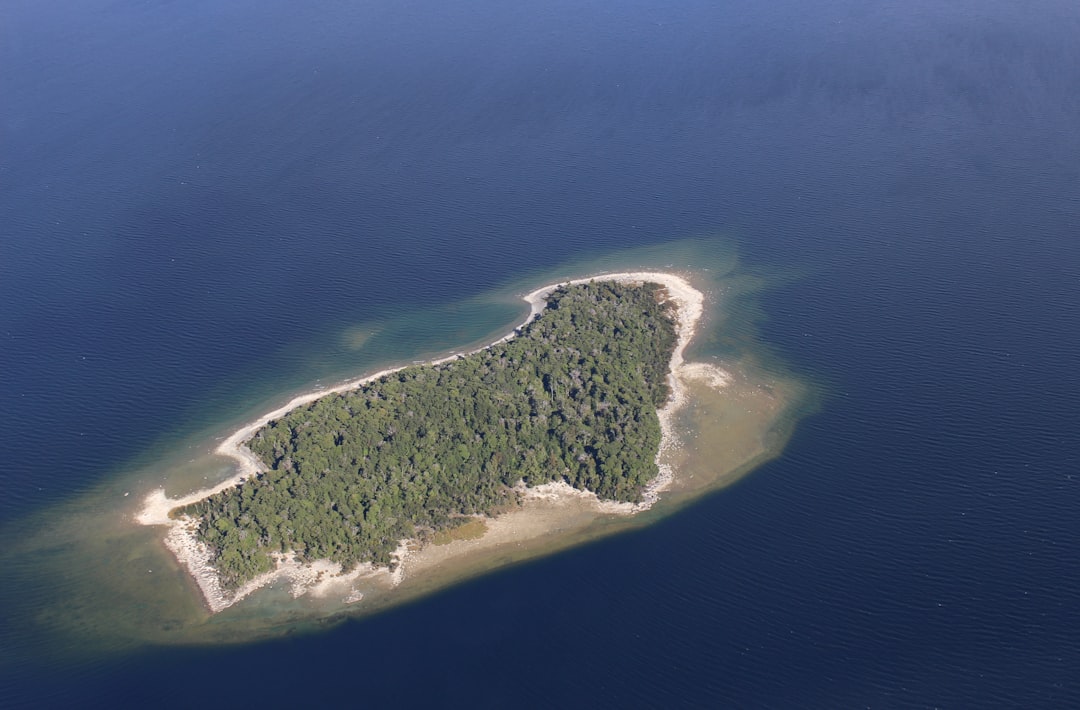
Remote island sanctuaries represent some of the most pristine and untouched environments on Earth. These isolated landmasses, often surrounded by vast oceans, serve as havens for unique flora and fauna, many of which are found nowhere else. The allure of these sanctuaries lies not only in their breathtaking beauty but also in their critical role in biodiversity conservation.
As human activity continues to encroach upon natural habitats, these islands stand as vital refuges for species that are increasingly threatened by climate change, habitat destruction, and invasive species. The concept of remote island sanctuaries encompasses a variety of locations, from the Galápagos Islands to the remote atolls of the Pacific Ocean. Each sanctuary possesses its own distinct characteristics, shaped by geographical isolation and specific environmental conditions.
These islands often serve as living laboratories for scientists and conservationists, providing invaluable insights into ecological processes and the impacts of human activity on natural systems. As awareness of their importance grows, so too does the need to protect these fragile ecosystems from external threats.
Key Takeaways
- Remote island sanctuaries offer unique, isolated ecosystems that attract conservation and tourism interest.
- These sanctuaries host distinctive wildlife and are vital for biodiversity preservation.
- Indigenous communities play a crucial role in managing and protecting these remote areas.
- Sustainable tourism and conservation efforts are essential to mitigate environmental challenges.
- Supporting research, responsible access, and community involvement is key to the future protection of these sanctuaries.
The Appeal of Isolated Paradise
The charm of remote island sanctuaries is undeniable. For many, the mere thought of escaping to an isolated paradise evokes images of white sandy beaches, crystal-clear waters, and lush tropical landscapes. This idyllic setting offers a sense of tranquility that is hard to find in bustling urban environments.
Visitors are often drawn to the promise of solitude and the opportunity to reconnect with nature in its purest form. The allure of these islands is not just about their physical beauty; it is also about the experiences they offer—snorkeling in vibrant coral reefs, hiking through dense jungles, or simply basking in the sun while listening to the gentle lapping of waves. Moreover, the isolation of these sanctuaries fosters a unique sense of community among those who inhabit them.
The small populations often found on these islands have developed close-knit relationships, creating a culture that is deeply intertwined with the surrounding environment. This connection to place enhances the appeal for visitors who seek authentic experiences that go beyond typical tourist attractions. Engaging with local traditions and learning about sustainable practices can provide a deeper understanding of the delicate balance between human life and nature.
Conservation Efforts on Remote Island Sanctuaries

Conservation efforts on remote island sanctuaries are crucial for preserving their unique ecosystems and the species that inhabit them. Many of these islands have been designated as protected areas, where strict regulations are enforced to minimize human impact. Conservation organizations work tirelessly to monitor wildlife populations, restore habitats, and combat invasive species that threaten native flora and fauna.
One notable example is the work being done in the Galápagos Islands, where strict regulations govern tourism and fishing practices to protect the delicate balance of its ecosystems. Efforts include breeding programs for endangered species, habitat restoration projects, and educational campaigns aimed at raising awareness about the importance of conservation.
Such initiatives not only help safeguard biodiversity but also promote sustainable practices that can benefit local communities economically while preserving their natural heritage.
Unique Wildlife and Ecosystems
Remote island sanctuaries are home to some of the most extraordinary wildlife on the planet. The isolation of these islands has led to the evolution of species that are uniquely adapted to their environments. For instance, the flightless birds of New Zealand and the giant tortoises of the Galápagos are prime examples of how geographical isolation can result in remarkable adaptations.
These islands often serve as critical breeding grounds for seabirds and marine life, making them essential for maintaining global biodiversity. The ecosystems found on these islands are equally diverse and complex. Coral reefs surrounding many remote islands provide vital habitats for countless marine species, while lush forests support a variety of terrestrial life forms.
The intricate relationships between species within these ecosystems highlight the importance of preserving these environments intact. Scientists continue to study these unique ecosystems to better understand ecological dynamics and the potential impacts of climate change on island biodiversity.
The Role of Indigenous Communities on Remote Island Sanctuaries
| Sanctuary Cluster Name | Number of Islands | Total Area (sq km) | Endemic Species Count | Protection Status | Annual Visitor Limit | Primary Conservation Focus |
|---|---|---|---|---|---|---|
| Coral Haven Cluster | 7 | 45.3 | 12 | Strict Nature Reserve | 500 | Marine Biodiversity |
| Emerald Atolls | 5 | 32.7 | 8 | National Park | 750 | Bird Habitat Preservation |
| Silver Sands Archipelago | 9 | 58.9 | 15 | Wildlife Sanctuary | 300 | Endangered Reptiles |
| Blue Lagoon Isles | 4 | 27.4 | 10 | Marine Protected Area | 600 | Coral Reef Conservation |
| Golden Shore Cluster | 6 | 40.1 | 9 | Strict Nature Reserve | 400 | Seabird Nesting Sites |
Indigenous communities play a pivotal role in the stewardship of remote island sanctuaries. Their deep-rooted knowledge of local ecosystems and sustainable practices has been passed down through generations, providing invaluable insights into how to live harmoniously with nature. These communities often serve as guardians of their environments, advocating for conservation efforts that align with their cultural values and traditions.
In many cases, indigenous peoples have been at the forefront of conservation initiatives on their islands. Their traditional ecological knowledge informs management practices that prioritize biodiversity while also supporting their livelihoods. By integrating indigenous perspectives into conservation strategies, there is a greater chance of achieving long-term sustainability for both people and nature.
This collaboration fosters a sense of ownership among local communities, empowering them to take an active role in protecting their natural heritage.
Accessing Remote Island Sanctuaries

Accessing remote island sanctuaries can be both an adventure and a challenge. Many of these islands are located far from major urban centers, requiring travelers to navigate through various modes of transportation—be it boats, small aircraft, or even hiking trails through rugged terrain. The journey itself often adds to the allure, as visitors are treated to stunning views and a sense of anticipation as they approach their destination.
However, limited access can also pose challenges for conservation efforts. Increased tourism can lead to environmental degradation if not managed properly. Therefore, many sanctuaries have implemented strict visitor guidelines to minimize impact while still allowing people to experience their beauty.
This balance between accessibility and preservation is crucial for ensuring that these remote islands remain protected for future generations.
Sustainable Tourism on Remote Island Sanctuaries
Sustainable tourism has emerged as a key focus for many remote island sanctuaries seeking to balance economic development with environmental protection. By promoting responsible travel practices, these islands can attract visitors while minimizing their ecological footprint. Sustainable tourism initiatives often include eco-friendly accommodations, guided tours that educate visitors about local ecosystems, and programs that support local communities economically.
One successful model is found in places like Palau, where tourism is carefully regulated to protect marine environments while providing economic benefits to local residents. Visitors are encouraged to participate in conservation activities such as beach clean-ups or coral restoration projects, fostering a sense of connection to the environment. This approach not only enhances the visitor experience but also contributes positively to the preservation of these fragile ecosystems.
Challenges Facing Remote Island Sanctuaries
Despite their beauty and ecological significance, remote island sanctuaries face numerous challenges that threaten their existence. Climate change poses one of the most significant risks, with rising sea levels threatening low-lying islands and altering marine ecosystems. Additionally, invasive species introduced by human activity can outcompete native species for resources, leading to declines in biodiversity.
Moreover, economic pressures from tourism can lead to overexploitation of resources if not managed sustainably. The delicate balance between attracting visitors and protecting natural habitats is a constant struggle for many island communities. Addressing these challenges requires innovative solutions and collaborative efforts among governments, conservation organizations, and local stakeholders.
Remote Island Sanctuaries as Research and Study Sites
Remote island sanctuaries serve as invaluable research sites for scientists studying ecology, evolution, and climate change. Their isolation provides a unique opportunity to observe natural processes without significant human interference.
These islands also offer insights into broader ecological trends that can inform conservation strategies worldwide. By understanding how isolated ecosystems function, scientists can develop models that predict how other environments may respond to similar pressures. The knowledge gained from research conducted in remote island sanctuaries contributes significantly to global conservation efforts.
The Future of Remote Island Sanctuaries
The future of remote island sanctuaries hinges on effective conservation strategies that prioritize both ecological integrity and community well-being. As climate change continues to pose unprecedented challenges, proactive measures must be taken to safeguard these fragile ecosystems. This includes enhancing resilience through habitat restoration, implementing adaptive management practices, and fostering collaboration among stakeholders.
Furthermore, raising awareness about the importance of these sanctuaries is essential for garnering support for conservation initiatives. Engaging local communities in decision-making processes ensures that their voices are heard and their needs are met. By promoting sustainable practices and responsible tourism, remote island sanctuaries can thrive as both ecological treasures and cultural heritage sites.
How to Support and Protect Remote Island Sanctuaries
Supporting and protecting remote island sanctuaries requires collective action from individuals, organizations, and governments alike. Travelers can contribute by choosing eco-friendly tour operators that prioritize sustainability and respect local cultures. Donations to conservation organizations working in these areas can also make a significant impact by funding vital research and restoration projects.
Advocacy plays a crucial role in raising awareness about the challenges facing remote island sanctuaries. Individuals can engage in campaigns that promote policy changes aimed at protecting these environments from exploitation and degradation. By educating others about the importance of preserving these unique ecosystems, everyone can play a part in ensuring that future generations inherit a world rich in biodiversity and natural beauty.
In conclusion, remote island sanctuaries are not just beautiful destinations; they are critical components of our planet’s ecological health. Their unique wildlife, ecosystems, and cultural heritage deserve protection and respect as humanity navigates an increasingly complex relationship with nature. Through concerted efforts in conservation, sustainable tourism, and community engagement, it is possible to safeguard these precious havens for years to come.
Isolated island sanctuaries are crucial for the conservation of unique ecosystems and species that thrive in these remote environments. For a deeper understanding of the significance of these clusters, you can explore the article on My Cosmic Ventures, which discusses the various benefits and challenges associated with preserving these natural havens.
WATCH THIS! 🧠 The Universe Is A Brain. And It’s Having A Stroke.
FAQs
What are isolated island sanctuary clusters?
Isolated island sanctuary clusters are groups of islands that are geographically separated from mainlands or larger landmasses and are designated as protected areas to conserve wildlife, natural habitats, and biodiversity.
Why are isolated island sanctuary clusters important?
These clusters serve as critical refuges for endemic species, help preserve unique ecosystems, and protect biodiversity from threats such as habitat destruction, invasive species, and human interference.
How are isolated island sanctuary clusters established?
They are typically established through government or international conservation efforts, involving legal protection measures, environmental assessments, and collaboration with local communities and conservation organizations.
What types of species are commonly found in isolated island sanctuary clusters?
These sanctuaries often host endemic plants and animals, including rare birds, reptiles, marine life, and unique flora that have evolved in isolation and may not be found anywhere else in the world.
Can people visit isolated island sanctuary clusters?
Access to these sanctuaries is usually restricted or regulated to minimize human impact. Some islands may allow limited eco-tourism or scientific research under strict guidelines.
What threats do isolated island sanctuary clusters face?
Common threats include invasive species introduction, climate change effects such as sea-level rise, illegal poaching or fishing, pollution, and habitat degradation.
How do isolated island sanctuary clusters contribute to global conservation efforts?
By preserving unique ecosystems and species, these sanctuaries help maintain global biodiversity, support ecological research, and contribute to climate regulation and marine health.
Are there any well-known examples of isolated island sanctuary clusters?
Yes, examples include the Galápagos Islands, the Seychelles archipelago, and the Hawaiian Islands, all recognized for their unique biodiversity and conservation significance.