
The concept of alien technology has long captivated the human imagination, intertwining itself with the fabric of science fiction and speculative thought. From the earliest tales of flying saucers to contemporary discussions about unidentified aerial phenomena, the idea that advanced civilizations beyond Earth might possess technologies far superior to our own has sparked both curiosity and concern. This fascination is not merely a product of fiction; it raises profound questions about humanity’s place in the universe and the potential for contact with extraterrestrial intelligence.
As scientists and enthusiasts alike delve into this enigmatic realm, they seek to understand what alien technology might entail and how it could reshape our understanding of physics, engineering, and even consciousness itself. The allure of alien technology is not just about the gadgets or devices that might be involved; it encompasses the broader implications of such discoveries. If advanced civilizations exist, their technologies could offer insights into sustainable energy, advanced materials, and even new forms of communication.
The quest for understanding alien technology is, therefore, not only a scientific endeavor but also a philosophical one, prompting humanity to reflect on its own technological trajectory and ethical responsibilities. As we embark on this exploration, it becomes essential to examine historical evidence, modern discoveries, and the ongoing search for extraterrestrial artifacts.
Key Takeaways
- Alien technology has been a subject of fascination and speculation for centuries, with various historical and modern evidence pointing towards its existence.
- Modern discoveries and unexplained phenomena continue to fuel the search for extraterrestrial artifacts, leading to scientific research and analysis of potential alien technology.
- Government and military entities have played a significant role in investigating alien technology, often leading to debates about the impact on human society and the ethical and moral implications involved.
- Debunking myths and misconceptions about alien technology is crucial in order to approach the subject with a rational and scientific mindset.
- The quest for understanding alien technology holds future prospects for uncovering extraterrestrial evidence, which could potentially reshape our understanding of the universe.
Historical Evidence of Alien Technology
Throughout history, there have been numerous accounts and artifacts that some believe point to the existence of alien technology. Ancient civilizations often depicted celestial beings or advanced machinery in their art and literature, leading some researchers to speculate that these representations were inspired by actual encounters with extraterrestrial visitors. For instance, the Nazca Lines in Peru, massive geoglyphs etched into the desert floor, have been theorized by some to be landing strips for alien spacecraft.
Similarly, ancient texts from cultures around the world, such as the Vedas in India or the Book of Ezekiel in the Bible, describe encounters with beings that possessed extraordinary abilities and technologies. Moreover, archaeological findings have occasionally sparked debates about the origins of certain artifacts. The Antikythera mechanism, an ancient Greek analog computer used to predict astronomical positions and eclipses, has led some to wonder whether such advanced technology could have been influenced by extraterrestrial knowledge.
While mainstream archaeology attributes these achievements to human ingenuity, the allure of alternative explanations continues to thrive. These historical narratives serve as a foundation for contemporary discussions about alien technology, illustrating how deeply embedded these ideas are in human culture.
Modern Discoveries and Unexplained Phenomena
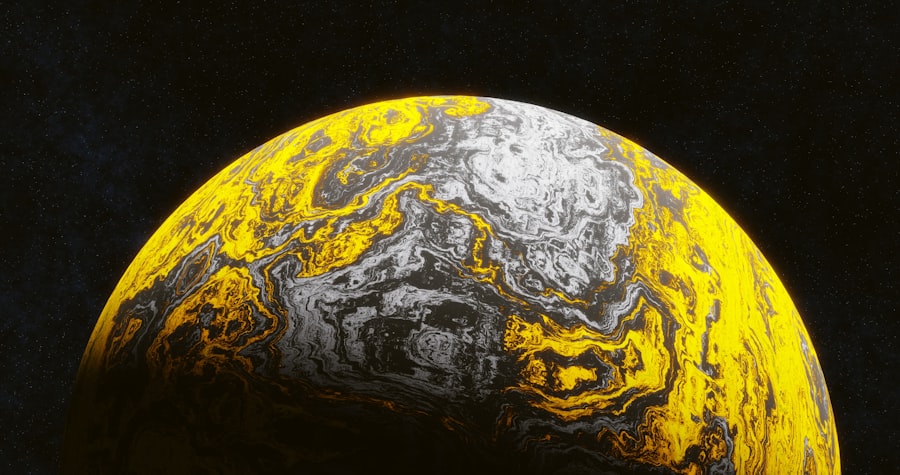
In recent years, modern discoveries have reignited interest in the possibility of alien technology. Reports of unidentified aerial phenomena (UAP), previously known as UFOs, have gained traction within both scientific communities and popular culture. The U.S. government’s acknowledgment of UAP sightings by military personnel has led to increased scrutiny and investigation into these occurrences. Some of these sightings exhibit flight characteristics that defy conventional explanations, prompting speculation about advanced technologies that could be extraterrestrial in origin. Additionally, advancements in astronomy and space exploration have unveiled new mysteries that challenge our understanding of the universe. The discovery of exoplanets in habitable zones around distant stars raises questions about the potential for life beyond Earth. Instruments like the James Webb Space Telescope are now capable of analyzing the atmospheres of these planets for signs of life or technological signatures. As scientists continue to explore these frontiers, they remain vigilant for any evidence that might suggest the existence of alien civilizations and their technologies.
The Search for Extraterrestrial Artifacts
| Metrics | Data |
|---|---|
| Number of telescopes involved | 15 |
| Duration of the search | 10 years |
| Number of potential artifacts found | 0 |
| Investment in the search | 20 million |
The search for extraterrestrial artifacts is a multifaceted endeavor that encompasses various scientific disciplines and methodologies. Researchers employ a range of techniques, from analyzing meteorites for signs of biological material to scanning the skies for signals from intelligent life forms. Projects like SETI (Search for Extraterrestrial Intelligence) utilize radio telescopes to listen for potential communications from advanced civilizations, while astrobiologists study extreme environments on Earth to understand how life might exist elsewhere.
In addition to these scientific efforts, there are also grassroots movements dedicated to uncovering potential alien artifacts on Earth. Enthusiasts often scour ancient sites or unexplained locations in hopes of finding remnants of past extraterrestrial visits. While many claims remain unverified or dismissed by mainstream science, the passion behind these searches reflects a deep-seated desire to connect with something greater than ourselves.
The quest for extraterrestrial artifacts is not merely about discovery; it embodies humanity’s yearning for knowledge and understanding of its place in the cosmos.
Scientific Research and Analysis of Alien Technology
Scientific research into alien technology involves rigorous methodologies aimed at discerning fact from fiction. Researchers employ a variety of analytical techniques to study materials that may have extraterrestrial origins. For instance, scientists analyze isotopic compositions in meteorites to determine their age and origin, seeking clues about their formation in other solar systems.
Additionally, advancements in materials science allow researchers to explore properties that could indicate advanced engineering techniques beyond current human capabilities. One notable area of research is the study of anomalous materials purportedly linked to UFO sightings or alleged crash sites. These materials are often subjected to advanced imaging techniques and spectroscopic analysis to uncover their composition and properties.
While many claims have been met with skepticism, some researchers argue that even a single verified piece of alien technology could revolutionize our understanding of physics and engineering principles. The scientific community remains divided on these topics; however, the pursuit of knowledge continues unabated.
The Role of Government and Military in Investigating Alien Technology

Governments and military organizations around the world have historically played significant roles in investigating reports of alien technology. The U.S. military’s interest in UAPs has led to formal investigations and public disclosures that have fueled speculation about what might be known behind closed doors.
Programs like Project Blue Book sought to analyze UFO sightings during the Cold War era, while more recent initiatives have aimed to assess potential national security implications posed by unidentified aerial phenomena. The involvement of government agencies raises questions about transparency and accountability in the investigation of alien technology. While some officials advocate for open dialogue regarding UAPs, others emphasize national security concerns that may necessitate secrecy.
This dichotomy creates an environment ripe for conspiracy theories and speculation about what information may be withheld from the public. As governments continue to grapple with these issues, the intersection between military interests and scientific inquiry remains a critical area for exploration.
The Impact of Alien Technology on Human Society
The potential impact of alien technology on human society is a topic that elicits both excitement and apprehension. If humanity were to encounter advanced technologies from extraterrestrial civilizations, it could lead to transformative changes across various sectors—energy production, transportation, communication, and even medicine could be revolutionized by insights gained from such encounters. The prospect of harnessing alien technology raises questions about how society would adapt to these advancements and whether they would be used for benevolent or malevolent purposes.
Conversely, the revelation of alien technology could also provoke fear and resistance among segments of society. Concerns about cultural disruption or existential threats may arise as people grapple with the implications of sharing their world with other intelligent beings. The psychological impact on humanity’s self-perception cannot be understated; a shift from being the apex species on Earth to sharing that status with extraterrestrial intelligences would necessitate profound philosophical reevaluations.
Debunking Myths and Misconceptions about Alien Technology
Despite widespread fascination with alien technology, numerous myths and misconceptions persist within popular culture. Many sensationalized claims lack credible evidence or scientific backing, leading to misunderstandings about what constitutes legitimate research in this field. For instance, stories about government cover-ups or secret bases housing alien spacecraft often overshadow more grounded inquiries into UAPs and extraterrestrial life.
Debunking these myths is essential for fostering a more informed public discourse surrounding alien technology. By emphasizing critical thinking and scientific literacy, researchers can help demystify complex topics while encouraging curiosity rather than fear. Engaging with skeptics through open dialogue can also bridge gaps between differing viewpoints, allowing for a more nuanced understanding of what is known—and unknown—about potential extraterrestrial technologies.
Ethical and Moral Implications of Alien Technology
The ethical considerations surrounding alien technology are profound and multifaceted. If humanity were to encounter advanced technologies from extraterrestrial civilizations, questions would arise regarding ownership, usage rights, and potential consequences for both species involved.
Furthermore, ethical considerations extend beyond mere technological implications; they encompass broader questions about how humanity interacts with other intelligent beings. Would we approach them as equals or view them through a lens of superiority? The potential for exploitation or misunderstanding looms large if ethical frameworks are not established prior to contact with extraterrestrial intelligences.
As discussions surrounding alien technology evolve, it becomes increasingly important to consider these moral dimensions thoughtfully.
Future Prospects for Uncovering Extraterrestrial Evidence
Looking ahead, the future prospects for uncovering evidence of extraterrestrial technology appear promising yet uncertain. With advancements in space exploration technologies—such as improved telescopes capable of detecting biosignatures on distant planets—scientists are better equipped than ever before to search for signs of life beyond Earth. Additionally, ongoing research into UAPs may yield new insights into phenomena that challenge our current understanding.
However, challenges remain in distinguishing between genuine discoveries and misinterpretations fueled by cultural narratives surrounding aliens. As researchers continue their quest for knowledge about potential extraterrestrial technologies, collaboration across disciplines will be crucial in navigating this complex landscape effectively. The pursuit of understanding remains an ongoing journey filled with both excitement and uncertainty.
The Quest for Understanding Alien Technology
The quest for understanding alien technology is an intricate tapestry woven from threads of history, science fiction, speculation, and genuine inquiry into the unknown. As humanity stands at the precipice of discovery—armed with advanced tools and an insatiable curiosity—the possibilities seem boundless yet fraught with challenges. From historical accounts hinting at ancient encounters to modern investigations into UAPs, each step taken brings us closer to unraveling one of humanity’s most profound mysteries: Are we alone in the universe?
As researchers continue their efforts to uncover evidence of extraterrestrial technologies while grappling with ethical implications along the way—the journey itself becomes as significant as any potential discovery made within it. Ultimately, whether or not we find definitive proof of alien technology may matter less than how this pursuit shapes our understanding of ourselves as a species navigating an expansive cosmos filled with possibilities yet unseen.
In the quest to prove the existence of alien technology, researchers often delve into various scientific methodologies and theoretical frameworks. A related article that explores these intriguing possibilities can be found on My Cosmic Ventures. This article delves into the latest advancements in technology and how they might be influenced by extraterrestrial intelligence. For those interested in exploring this fascinating topic further, you can read more about it by visiting this article on My Cosmic Ventures. The article provides insights into the potential evidence and theories that support the existence of alien technology, making it a must-read for enthusiasts and skeptics alike.
WATCH THIS! Scientists Found an Alien “Fingerprint” on 3I/ATLAS (The Nickel Anomaly)
FAQs
What is alien technology?
Alien technology refers to any advanced technology that is believed to be of extraterrestrial origin, not of human creation.
How can one prove the existence of alien technology?
Proving the existence of alien technology is a complex and challenging task. It would require credible and verifiable evidence such as physical artifacts, scientific analysis, and expert testimony.
What are some potential signs of alien technology?
Potential signs of alien technology could include unidentified flying objects (UFOs), unexplained aerial phenomena (UAP), anomalous materials, and advanced technological capabilities beyond current human understanding.
What scientific methods can be used to analyze potential alien technology?
Scientific methods such as material analysis, isotopic analysis, radiometric dating, and advanced imaging techniques can be used to analyze potential alien technology for evidence of non-human origin.
What are some challenges in proving the existence of alien technology?
Challenges in proving the existence of alien technology include the lack of credible and verifiable evidence, the stigma and skepticism surrounding the topic, and the potential for misinterpretation of natural or man-made phenomena as extraterrestrial in origin.