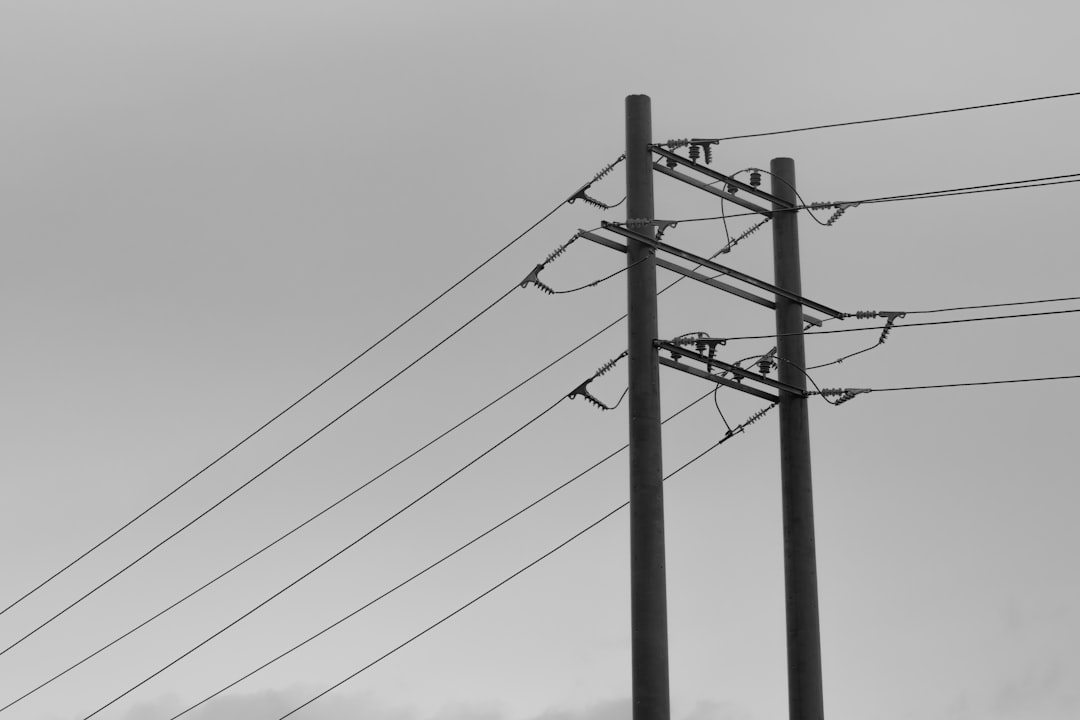
Power grid security has emerged as a critical concern in the modern world, where the reliance on electricity is paramount for daily life and economic stability. The power grid, a complex network of generation, transmission, and distribution systems, serves as the backbone of energy supply for homes, businesses, and industries. As society becomes increasingly dependent on this infrastructure, the need to safeguard it from various threats has never been more pressing.
The security of the power grid encompasses both cybersecurity and physical security measures, which together form a comprehensive defense strategy against potential disruptions. The significance of power grid security extends beyond mere operational integrity; it is intrinsically linked to national security and public safety. A compromised power grid can lead to widespread outages, economic losses, and even jeopardize critical services such as healthcare and emergency response systems.
Key Takeaways
- Power grid security is crucial for ensuring the reliability and stability of the electrical infrastructure.
- Cybersecurity threats, such as hacking and malware, pose a significant risk to the power grid and can result in widespread outages.
- Physical security threats, including vandalism and sabotage, can also have devastating effects on the power grid’s operations.
- Breaches in power grid security can lead to severe consequences, such as economic disruption, public safety risks, and national security threats.
- Collaboration between government and private sector, as well as international cooperation, is essential for effectively protecting the power grid from security threats.
Cybersecurity Threats to the Power Grid
In recent years, the power grid has become increasingly vulnerable to cybersecurity threats, with malicious actors employing sophisticated techniques to exploit weaknesses in digital systems. Cyberattacks can take many forms, including malware infections, ransomware attacks, and denial-of-service attacks, all of which can disrupt operations and compromise sensitive data. The interconnected nature of modern power grids means that a breach in one area can have cascading effects throughout the entire system, potentially leading to widespread outages and chaos.
One notable example of a cybersecurity threat is the increasing prevalence of state-sponsored hacking groups targeting critical infrastructure. These groups often possess advanced capabilities and resources, making them formidable adversaries. They may seek to disrupt energy supplies for geopolitical reasons or to instill fear in populations.
The potential for cyberattacks to cause physical damage to equipment or even endanger lives underscores the urgent need for robust cybersecurity measures within the power grid sector.
Physical Security Threats to the Power Grid
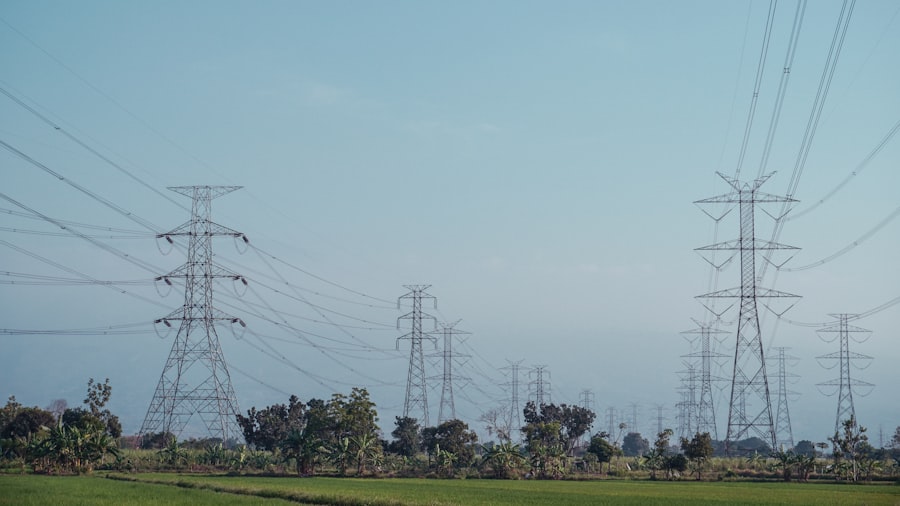
While cybersecurity threats are often highlighted in discussions about power grid security, physical security threats remain a significant concern. The physical infrastructure of the power grid, including substations, transmission lines, and generation facilities, is susceptible to various forms of attack. Vandalism, terrorism, and natural disasters can all pose serious risks to the integrity of these facilities.
For instance, an act of sabotage at a substation could lead to localized outages or even larger-scale disruptions if not swiftly addressed. Moreover, the aging infrastructure of many power grids presents additional vulnerabilities. Many facilities were built decades ago and may not be equipped to withstand modern threats or natural disasters.
This reality necessitates a comprehensive assessment of physical security measures in place at these sites. Regular inspections, upgrades to physical barriers, and enhanced surveillance systems are essential components of a proactive approach to safeguarding the power grid from physical threats.
Potential Consequences of Power Grid Security Breaches
| Consequence | Description |
|---|---|
| Power Outages | Disruption of electricity supply leading to blackouts and loss of essential services. |
| Economic Impact | Loss of productivity, damage to infrastructure, and financial costs to businesses and individuals. |
| Social Disruption | Disruption to daily life, public safety concerns, and potential civil unrest. |
| Cyber Attacks | Compromised control systems, data theft, and potential for further cyber threats. |
| Health and Safety Risks | Loss of medical services, environmental hazards, and risks to public health. |
The consequences of security breaches in the power grid can be dire and far-reaching. A successful cyber or physical attack could result in prolonged outages that disrupt daily life and economic activities. Businesses may face significant financial losses due to downtime, while individuals could be left without essential services such as heating, cooling, or medical care.
In extreme cases, prolonged outages could lead to civil unrest as communities grapple with the fallout from a compromised power supply. Beyond immediate disruptions, security breaches can also have long-term implications for public trust in energy providers and government institutions. A significant failure in power grid security may erode confidence in the ability of these entities to protect critical infrastructure.
This loss of trust can hinder future investments in energy projects and complicate efforts to modernize the grid. Therefore, understanding and addressing the potential consequences of security breaches is crucial for maintaining both operational integrity and public confidence.
Strategies for Protecting the Power Grid from Cyber Attacks
To effectively safeguard the power grid from cyber threats, a multi-layered approach is essential. One key strategy involves implementing robust cybersecurity protocols that include regular software updates, intrusion detection systems, and employee training programs focused on recognizing phishing attempts and other social engineering tactics. By fostering a culture of cybersecurity awareness among employees, organizations can significantly reduce the risk of human error leading to breaches.
Additionally, collaboration with cybersecurity experts and industry partners can enhance defenses against cyberattacks. Sharing threat intelligence and best practices among stakeholders allows for a more comprehensive understanding of emerging threats and vulnerabilities. Furthermore, investing in advanced technologies such as artificial intelligence and machine learning can help identify anomalies in network traffic that may indicate a cyber intrusion, enabling quicker responses to potential threats.
Strategies for Protecting the Power Grid from Physical Attacks
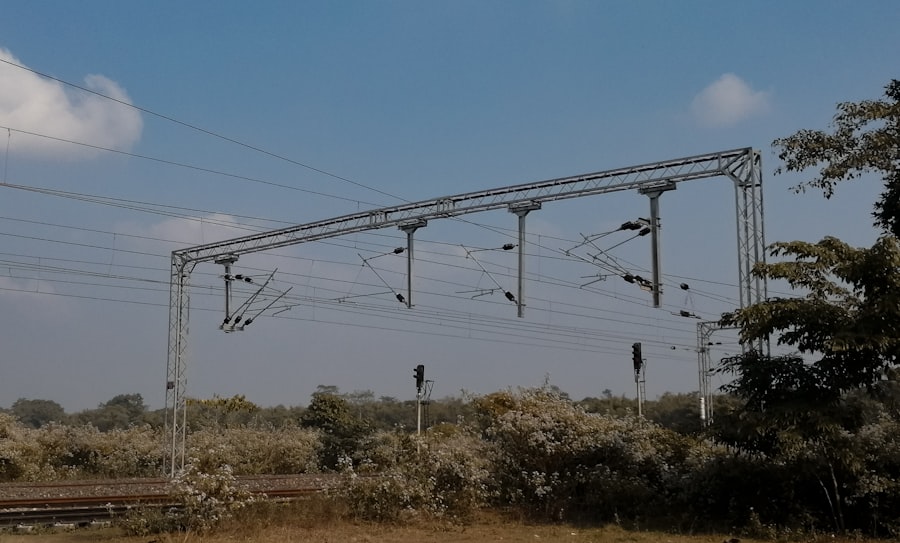
Physical security measures are equally vital in protecting the power grid from potential attacks. One effective strategy is to enhance perimeter security at critical facilities through the use of fencing, surveillance cameras, and access control systems. These measures can deter unauthorized access and provide early warning of potential threats.
Regular drills and training exercises for security personnel can also ensure that staff are prepared to respond effectively in case of an incident. Moreover, integrating technology into physical security strategies can bolster defenses against attacks. For instance, employing drones for aerial surveillance can provide real-time monitoring of remote facilities, allowing for rapid identification of suspicious activities.
Additionally, establishing partnerships with local law enforcement agencies can facilitate quicker responses to incidents and enhance overall situational awareness within communities surrounding critical infrastructure.
Importance of Collaboration between Government and Private Sector
The collaboration between government entities and private sector organizations is crucial for enhancing power grid security. Given that much of the power grid infrastructure is owned and operated by private companies, government agencies must work closely with these entities to develop comprehensive security frameworks. This partnership can facilitate information sharing regarding emerging threats and best practices for mitigating risks.
Furthermore, government support in terms of funding and resources can help private companies invest in necessary upgrades to their infrastructure and cybersecurity measures. Public-private partnerships can also foster innovation by encouraging research and development initiatives aimed at improving power grid resilience against both cyber and physical threats. By working together, both sectors can create a more secure energy landscape that benefits society as a whole.
Role of International Cooperation in Power Grid Security
In an increasingly interconnected world, international cooperation plays a vital role in enhancing power grid security on a global scale. Cyber threats often transcend national borders, making it essential for countries to collaborate in sharing intelligence about potential risks and vulnerabilities. International agreements and frameworks can facilitate cooperation among nations in developing standardized protocols for securing critical infrastructure.
Moreover, joint exercises and training programs can help countries prepare for potential attacks on their power grids by simulating real-world scenarios. These collaborative efforts not only strengthen individual nations’ defenses but also contribute to global stability by reducing the likelihood of successful attacks on critical infrastructure worldwide.
Emergency Response Plans for Power Grid Security Threats
Developing comprehensive emergency response plans is essential for mitigating the impact of security threats on the power grid. These plans should outline clear protocols for responding to both cyber and physical attacks, ensuring that all stakeholders understand their roles during an incident. Regular drills and simulations can help test these plans and identify areas for improvement.
Additionally, communication strategies must be established to keep the public informed during emergencies. Transparent communication can help manage public expectations and reduce panic during outages or disruptions caused by security breaches. By prioritizing emergency preparedness, organizations can minimize the consequences of potential threats to the power grid.
Investing in Advanced Technologies for Power Grid Security
Investing in advanced technologies is crucial for enhancing power grid security in an era marked by evolving threats. Technologies such as smart grids equipped with real-time monitoring capabilities can provide valuable insights into system performance and potential vulnerabilities. These systems enable operators to detect anomalies quickly and respond proactively to emerging threats.
Furthermore, leveraging data analytics can enhance decision-making processes related to power grid management. By analyzing historical data on outages and incidents, organizations can identify patterns that may indicate vulnerabilities or areas requiring additional investment in security measures. Embracing innovation through technology not only strengthens defenses but also paves the way for a more resilient energy future.
The Importance of Prioritizing Power Grid Security
In conclusion, prioritizing power grid security is imperative for safeguarding critical infrastructure that underpins modern society. As both cyber and physical threats continue to evolve, a comprehensive approach that encompasses robust cybersecurity measures, enhanced physical security protocols, collaboration between sectors, international cooperation, emergency preparedness, and investment in advanced technologies is essential. The consequences of neglecting power grid security are too severe to ignore; therefore, stakeholders must remain vigilant in their efforts to protect this vital resource.
By fostering a culture of security awareness and collaboration among all parties involved—government agencies, private companies, international partners, and communities—society can work towards creating a resilient power grid capable of withstanding current and future challenges. Ultimately, ensuring the integrity of the power grid is not just about protecting infrastructure; it is about safeguarding lives and maintaining trust in essential services that form the foundation of everyday life.
In recent years, the security of power grids has become a critical concern due to increasing threats from cyberattacks and natural disasters. An insightful article on this topic can be found on My Cosmic Ventures, which delves into the various challenges and solutions associated with safeguarding our power infrastructure. The article highlights the importance of implementing robust cybersecurity measures and developing resilient systems to withstand potential threats. For more detailed information, you can read the full article by visiting My Cosmic Ventures.
WATCH THIS ☀️The Sun as Software: Why Top Scientists Now Say a Solar Flare Could Wipe Everything
FAQs
What is power grid security?
Power grid security refers to the measures and protocols put in place to protect the infrastructure and operations of the electrical power grid from physical and cyber threats. This includes safeguarding against potential attacks, natural disasters, and other disruptions that could compromise the reliability and stability of the power grid.
What are the threats to power grid security?
Threats to power grid security can come in various forms, including cyber attacks, physical attacks, natural disasters, and equipment failures. Cyber threats can include hacking, malware, and other forms of cyber warfare aimed at disrupting or damaging the power grid’s operations. Physical threats can involve sabotage, vandalism, or terrorist attacks targeting critical infrastructure components.
Why is power grid security important?
Power grid security is important because the electrical power grid is a critical infrastructure that supports the functioning of modern society. A disruption to the power grid can have widespread and severe consequences, impacting essential services, public safety, and the economy. Ensuring the security of the power grid is crucial for maintaining the reliability and resilience of the electrical supply.
What are some measures to enhance power grid security?
Measures to enhance power grid security include implementing robust cybersecurity protocols, conducting regular risk assessments and vulnerability analyses, enhancing physical security measures at critical infrastructure sites, investing in advanced monitoring and detection technologies, and establishing emergency response and recovery plans. Collaboration between government agencies, utilities, and industry stakeholders is also essential for addressing power grid security challenges.
How can individuals contribute to power grid security?
Individuals can contribute to power grid security by practicing energy conservation and efficiency, reporting any suspicious activities near power infrastructure, and staying informed about emergency preparedness and response plans. Additionally, individuals can support policies and initiatives aimed at strengthening power grid security at the local, regional, and national levels.