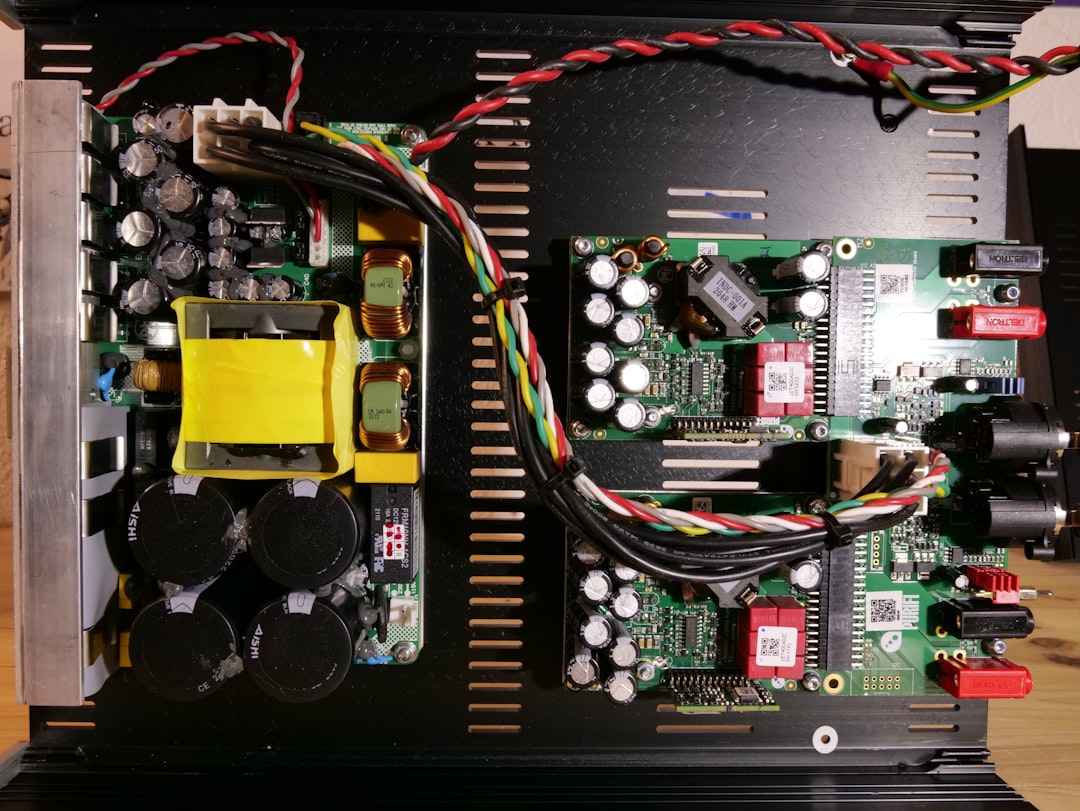
Electromagnetic Pulse (EMP) is a burst of electromagnetic radiation that can disrupt or damage electronic devices and electrical systems. This phenomenon can occur naturally, such as from solar flares or lightning strikes, or be man-made, often associated with nuclear detonations or specialized weapons designed to generate EMP effects. The impact of an EMP event can range from temporary disruption of electronic functions to permanent damage, depending on the intensity of the pulse and the vulnerability of the affected devices.
The rapid rise and fall of electromagnetic energy can induce high voltages in electrical circuits, leading to catastrophic failures in sensitive electronics. The effects of an EMP can be particularly devastating in a world increasingly reliant on technology. Modern society depends on a vast array of electronic devices, from smartphones and computers to critical infrastructure systems like power grids and communication networks.
When an EMP strikes, it can incapacitate these systems, leading to widespread chaos and disruption. Understanding the nature of EMP and its potential consequences is crucial for individuals and organizations alike, as it underscores the importance of implementing protective measures to safeguard electronic equipment.
Key Takeaways
- EMP is a burst of electromagnetic radiation that can disrupt or damage electronic devices.
- Protecting electronics from EMP is necessary to prevent damage and ensure functionality during and after an EMP event.
- Shielding materials such as metal, conductive fabric, and carbon fiber can be used to protect electronics from EMP.
- DIY shielding can be done using materials like aluminum foil, metal enclosures, and conductive paint.
- Hiring a professional for shielding services ensures proper protection and expertise in safeguarding electronics from EMP.
The Importance of Protecting Electronics from EMP: Why is it necessary?
The necessity of protecting electronics from EMP cannot be overstated, especially in an age where technology underpins nearly every aspect of daily life. The potential for an EMP event to cause widespread disruption poses significant risks not only to individual devices but also to entire communities and economies. A single EMP event could lead to failures in communication systems, transportation networks, and essential services such as healthcare and emergency response.
The cascading effects of such failures could result in prolonged outages and significant challenges for recovery efforts. Moreover, the increasing frequency of solar storms and the potential for geopolitical tensions that could lead to man-made EMP threats highlight the urgency of this issue. As technology continues to evolve, so too do the vulnerabilities associated with it.
Protecting electronics from EMP is not merely a precaution; it is a necessary strategy for ensuring resilience against potential threats. By investing in protective measures, individuals and organizations can mitigate risks and enhance their ability to respond effectively in the event of an EMP incident.
Types of Shielding Materials: What are the options for protecting electronics from EMP?
When it comes to shielding electronics from EMP, various materials can be employed to create effective barriers against electromagnetic radiation. One of the most commonly used materials is metal, particularly copper and aluminum. These metals possess excellent conductive properties that allow them to absorb and redirect electromagnetic energy away from sensitive components.
Copper, in particular, is favored for its high conductivity and durability, making it an ideal choice for creating Faraday cages—enclosures designed to block external electromagnetic fields. In addition to metals, other materials such as conductive fabrics and specialized coatings are gaining popularity for their lightweight and flexible properties. Conductive fabrics can be used to create protective pouches or wraps for individual devices, while coatings can be applied to surfaces to enhance their resistance to electromagnetic interference.
These innovative materials offer versatility in design and application, allowing for tailored solutions that meet specific shielding needs. As technology advances, new materials are continually being developed, expanding the options available for effective EMP protection.
For those looking to take matters into their own hands, creating DIY shielding for electronics can be a rewarding endeavor. One of the simplest methods involves constructing a Faraday cage using readily available materials. A basic Faraday cage can be made from a metal container, such as a trash can or an old microwave oven.
The key is to ensure that the container is completely enclosed and that there are no gaps or openings that could allow electromagnetic waves to penetrate. Line the interior with insulating material, such as cardboard or foam, to prevent direct contact between the electronics and the metal surface. Another DIY approach involves using conductive fabric or foil to create protective pouches for individual devices.
By wrapping smartphones, tablets, or other small electronics in layers of conductive material, individuals can create portable shields that provide protection against EMP events. It is essential to test these DIY solutions for effectiveness by using a multimeter or other testing equipment to ensure that they adequately block electromagnetic signals. While DIY shielding may not offer the same level of protection as professional solutions, it can serve as a practical and cost-effective way to enhance electronic resilience.
Professional Shielding Services: What are the benefits of hiring a professional to shield your electronics?
| Benefits of Hiring a Professional for Electronics Shielding |
|---|
| Expertise in shielding materials and techniques |
| Customized solutions for specific electronic devices |
| Ensures compliance with industry standards and regulations |
| Reduces electromagnetic interference and signal degradation |
| Minimizes the risk of electronic malfunction or damage |
| Professional testing and validation of shielding effectiveness |
| Long-term cost savings by preventing potential electronic failures |
While DIY shielding can be effective for personal use, hiring professional shielding services offers several advantages that may be worth considering.
They have access to advanced materials and technologies that may not be readily available to the average consumer, allowing for more robust protection against EMP threats.
Additionally, professional services often include comprehensive assessments of existing electronic systems to identify vulnerabilities and recommend appropriate shielding strategies. This level of analysis can lead to more effective solutions that address potential weaknesses in infrastructure or device design. Furthermore, professionals typically offer warranties or guarantees on their work, providing peace of mind that the investment in shielding will yield tangible results.
For organizations with critical operations or extensive electronic systems, the benefits of professional shielding services can far outweigh the costs involved.
Protecting specific types of electronics requires tailored approaches that consider their unique vulnerabilities and operational requirements. For computers, one effective strategy is to use surge protectors equipped with EMI/RFI filtering capabilities. These devices not only protect against voltage spikes but also help shield against electromagnetic interference that could result from an EMP event.
Additionally, storing backup drives and sensitive components in Faraday cages when not in use can provide an extra layer of protection. Smartphones and tablets are particularly susceptible due to their compact design and reliance on delicate circuitry. Using conductive pouches or cases specifically designed for EMP protection can help safeguard these devices during an event.
It is also advisable to keep devices powered down during potential threats, as powered electronics are more vulnerable to damage from surges induced by an EMP. For larger appliances such as refrigerators or HVAC systems, installing whole-house surge protectors can help mitigate risks associated with EMP events. These systems act as a first line of defense by diverting excess voltage away from sensitive components within the home’s electrical system.
Regular maintenance checks on these systems ensure they remain functional and effective over time.
To ensure that shielding measures are effective in protecting electronics from EMP threats, regular testing is essential. One common method involves using a signal generator and a spectrum analyzer to assess how well a Faraday cage or other shielding solution blocks electromagnetic signals. By generating specific frequencies within the range of potential EMP events, individuals can measure how much signal penetrates the shielded enclosure.
Another approach is to conduct practical tests by placing devices inside protective enclosures during controlled experiments with known electromagnetic sources. Observing whether the devices function normally after exposure can provide valuable insights into the effectiveness of the shielding measures implemented. It is important to document these tests thoroughly and make adjustments as needed based on the results obtained.
Additionally, staying informed about advancements in shielding technology and best practices can help individuals refine their protective strategies over time. Engaging with communities focused on EMP preparedness can also provide valuable insights and shared experiences that contribute to more effective shielding solutions.
Additional Precautions: What other steps can be taken to safeguard electronics from EMP?
In addition to physical shielding measures, there are several other precautions individuals can take to safeguard their electronics from EMP threats. One important step is maintaining regular backups of critical data stored on electronic devices. In the event of an EMP incident that damages hardware, having secure backups ensures that important information remains accessible and recoverable.
Implementing redundancy in critical systems is another effective strategy. For instance, using multiple devices for essential tasks—such as having backup communication methods like satellite phones—can provide alternatives if primary systems fail due to an EMP event. This redundancy extends beyond personal devices; organizations should consider establishing backup power sources and alternative communication channels as part of their emergency preparedness plans.
Educating oneself about potential threats and staying informed about developments in EMP research can also enhance overall preparedness. Understanding how different types of EMP events may impact various technologies allows individuals and organizations to make informed decisions about protective measures tailored to their specific needs.
During a sudden EMP event, immediate actions can significantly influence the level of protection afforded to electronics. First and foremost, individuals should prioritize shutting down all electronic devices if there is any indication of an impending threat. Unplugging devices from power sources helps prevent surges from damaging internal components during an EMP strike.
If time permits before an event occurs, securing sensitive electronics within Faraday cages or conductive pouches provides additional protection against electromagnetic interference. For those who have invested in professional shielding solutions, ensuring that these measures are properly activated before an event is crucial. Furthermore, having a well-thought-out emergency plan that includes communication protocols and backup power sources can facilitate a more organized response during an EMP incident.
This plan should encompass not only personal devices but also critical infrastructure within homes or organizations.
The Future of EMP Protection: What advancements are being made in shielding technology?
As awareness of EMP threats continues to grow, advancements in shielding technology are emerging at a rapid pace. Researchers are exploring innovative materials that offer enhanced conductivity while remaining lightweight and flexible—ideal for modern electronic applications where space constraints are common. Nanotechnology is also being investigated for its potential use in creating advanced coatings that could provide effective shielding without compromising device functionality.
Moreover, developments in smart materials capable of dynamically responding to electromagnetic fields hold promise for future shielding solutions. These materials could adapt their properties based on environmental conditions, providing tailored protection against varying levels of electromagnetic interference. Collaboration between industries focused on electronics manufacturing and those specializing in electromagnetic protection is likely to yield new products designed specifically with EMP resilience in mind.
As technology evolves, so too will the strategies employed to safeguard against potential threats posed by electromagnetic pulses.
In conclusion, understanding the nature of Electromagnetic Pulses (EMP) and their potential impact on electronics is crucial in today’s technology-driven world. The risks associated with unprotected devices underscore the importance of taking proactive measures to safeguard against these threats. From employing various shielding materials and techniques—whether through DIY methods or professional services—to implementing additional precautions such as data backups and emergency preparedness plans, individuals and organizations must prioritize resilience against potential EMP events.
As advancements in shielding technology continue to emerge, staying informed about best practices will empower individuals to make informed decisions regarding their electronic protection strategies. Ultimately, taking proactive steps today will enhance preparedness for tomorrow’s challenges posed by electromagnetic threats—ensuring that society remains connected and functional even in the face of adversity.
A related article that delves into effective strategies for shielding electronics from EMP can be found on My Cosmic Ventures. This resource provides insights into various protective measures, including the use of Faraday cages and surge protectors. For more detailed information, you can read the full article by visiting this link.
WATCH THIS ☀️The Sun as Software: Why Top Scientists Now Say a Solar Flare Could Wipe Everything
FAQs
What is an EMP?
An EMP, or electromagnetic pulse, is a burst of electromagnetic radiation that can disrupt or damage electronic devices and systems.
How can electronics be shielded from EMP?
Electronics can be shielded from EMP by using Faraday cages, which are enclosures made of conductive materials that block electromagnetic fields.
What materials can be used to build a Faraday cage?
Materials such as aluminum, copper, and galvanized steel can be used to build a Faraday cage to shield electronics from EMP.
Are there other methods to protect electronics from EMP?
In addition to Faraday cages, surge protectors and shielding bags can also be used to protect electronics from EMP.
What types of electronics can be shielded from EMP?
Most electronic devices, including computers, communication equipment, and power systems, can be shielded from EMP using appropriate protection methods.